

Hear from Our Customers
You’ll breathe easier knowing the air in your home is actually clean. Not just surface-level clean—tested, documented, and verified clean.
Your basement won’t smell like mildew anymore. Your kids’ allergies might finally settle down. And when you open that closet door or walk down to the laundry room, you won’t wonder what’s growing behind the walls.
The difference between DIY mold cleaning and professional mold removal comes down to this: we find what caused it. A leaky pipe. Poor ventilation. Foundation cracks letting moisture seep in. If you don’t fix the source, you’re just cleaning up the same mess every few months. We handle both—the removal and the reason it showed up in the first place.
We’ve been serving Deep Run, PA and the surrounding Bucks County area long enough to know exactly where mold hides in homes around here. The humid summers, the older construction, the crawl spaces that never quite dry out—we’ve seen it all.
We’re not a national franchise reading from a script. We’re local, certified, and we use EPA-approved methods that actually work. When insurance companies need documentation they can trust, they send people to us.
You’re not getting a salesperson on the phone. You’re getting someone who’s been in your neighbor’s basement, your coworker’s attic, and probably a house just like yours last week.

We start with a free inspection. That means we come out, look at what’s going on, and tell you exactly what needs to happen. No pressure, no upselling—just a clear assessment.
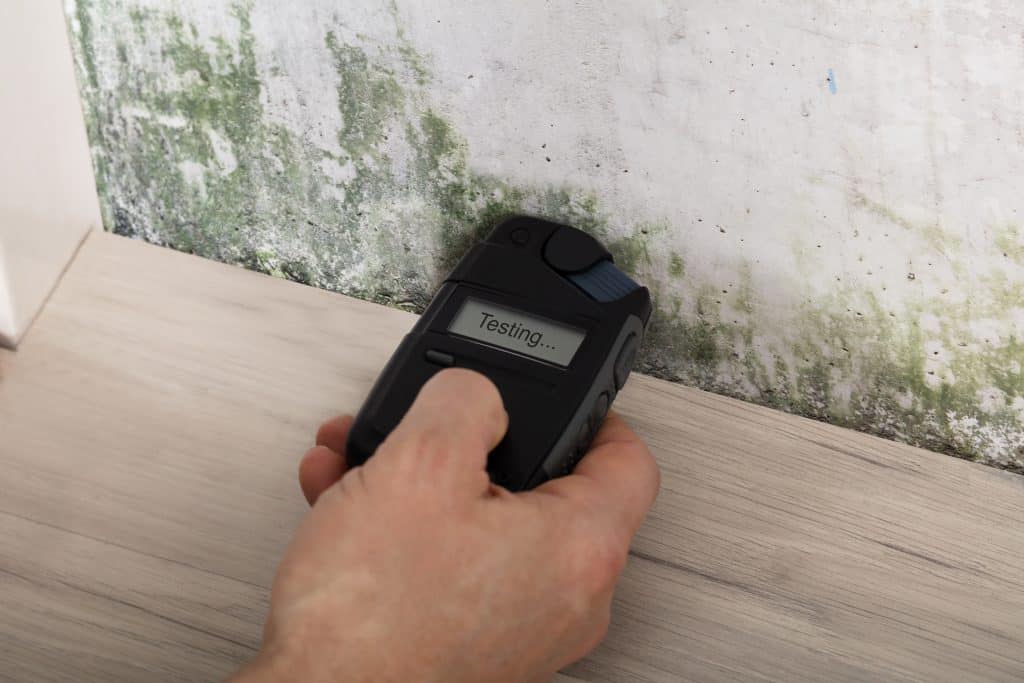
If there’s mold, we use moisture meters and thermal imaging to find where it’s coming from. Not just where you can see it, but where it’s hiding. Behind drywall, under flooring, in the HVAC system. Then we contain the area so spores don’t spread to other parts of your home while we work.
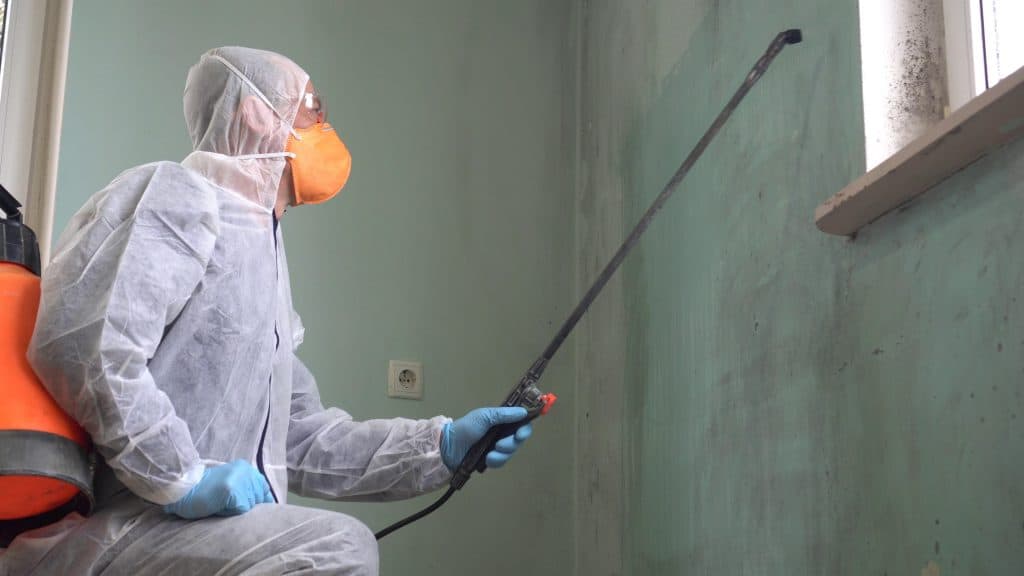
The actual mold removal involves HEPA filtration, antimicrobial treatments, and safe removal of contaminated materials. We don’t just spray something and call it done. If drywall or insulation is compromised, we remove it. Then we treat the area, dry it completely, and verify the air quality before we’re finished.
You get documentation at the end—lab results, before-and-after photos, and a report you can use for insurance, resale, or your own peace of mind.
Ready to get started?
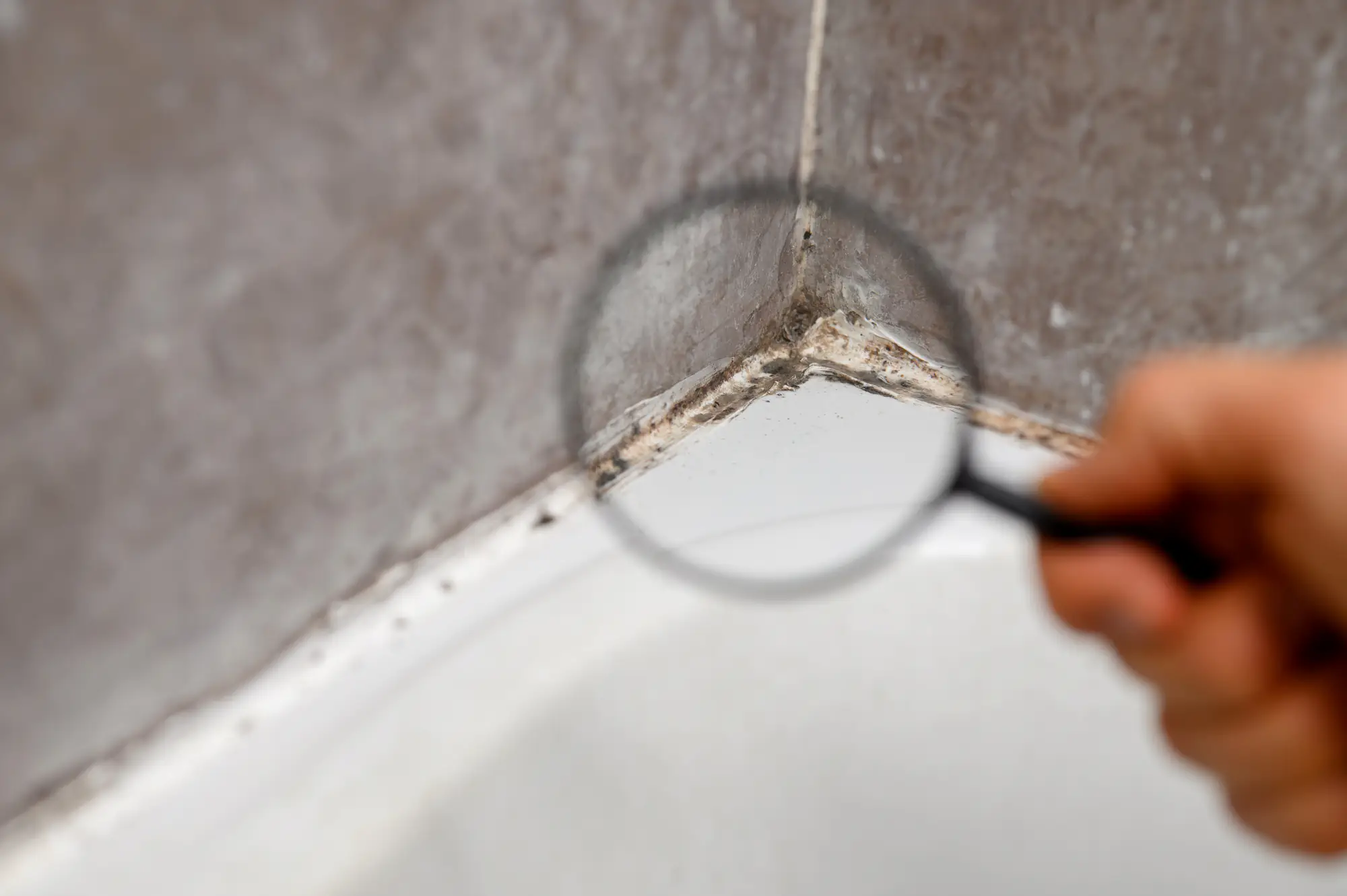
Every job starts with mold testing to identify what type you’re dealing with. Black mold gets the most attention, but all mold needs to go. We test the air and surfaces to know exactly what we’re removing.
Deep Run homes face specific challenges. Bucks County’s humid climate means basements stay damp, attics trap moisture, and crawl spaces become breeding grounds. Older homes around here weren’t built with the ventilation standards we have now. Newer homes sometimes have moisture issues from poor grading or HVAC problems. We’ve handled both.
We also work directly with your insurance company if your mold issue stems from a covered event like a burst pipe or storm damage. Most policies don’t cover mold from neglect, but if it’s sudden and accidental, there’s a good chance you’re covered. We’ll help you navigate that process and provide the documentation your adjuster needs.
Once the mold is gone, we’ll walk you through what caused it and what you can do to prevent it. Sometimes it’s as simple as a dehumidifier. Other times, you need better drainage or a sump pump. We’ll tell you what actually matters.
Most residential mold removal jobs take between one and three days, depending on how widespread the problem is. A small bathroom or closet might only take a day. A finished basement with mold behind the walls could take longer.
The timeline depends on a few things: the size of the affected area, what materials need to be removed, and how long it takes to dry everything out completely. We can’t rush the drying process—if we seal things up before the moisture is gone, you’ll have mold again in a few weeks.
We’ll give you a clear timeline after the inspection. If it’s going to take three days, we’ll tell you that upfront. If something changes once we open up a wall and find more damage, we’ll let you know immediately. No surprises.
It depends on what caused the mold. If a pipe burst and you discovered mold a week later, that’s usually covered. If your basement has been damp for years and mold finally showed up, probably not.
Insurance companies draw a line between sudden accidents and ongoing maintenance issues. A storm that damaged your roof and led to mold? Likely covered. A slow leak you didn’t notice for six months? That’s harder to get approved.
We work with insurance companies regularly and know what documentation they need. We’ll provide detailed reports, photos, and moisture readings that support your claim. If your adjuster has questions, we’ll talk to them directly. Even if insurance doesn’t cover it, we’ll give you a fair price and a payment plan if that helps.
You can try, but here’s what usually happens: you clean what you can see, it looks better for a few weeks, then it comes back. That’s because surface cleaning doesn’t address the moisture source or the mold growing inside walls, under floors, or in your HVAC system.
Mold releases spores when you disturb it. Without proper containment and filtration, you’re spreading those spores to other parts of your home. You’re also exposing yourself to higher concentrations while you scrub, which isn’t great if you have asthma or allergies.
Small spots—like a little mildew on a bathroom tile—sure, you can handle that. But if you’re looking at more than a few square feet, or if it keeps coming back, that’s a sign there’s a bigger issue. We’ll find what’s feeding the mold and fix it so you’re not cleaning the same spot every month.
They’re basically the same thing, but “remediation” is the industry term that means we’re bringing mold levels back to normal. Mold spores exist everywhere—in the air, on surfaces, outdoors. Complete mold elimination isn’t realistic or necessary.
Remediation means we remove the active mold growth, fix the moisture problem, and get spore counts back to safe levels. We test the air before and after to confirm the job’s done right.
Some companies use “mold removal” because that’s what people search for and it’s easier to understand. We use both terms, but the process is the same: identify the problem, contain it, remove contaminated materials, treat the area, dry it out, and verify it’s safe. That’s remediation. Call it whatever you want—we’re making your home safe again.
You’ll usually smell it before you see it. That musty, damp odor in your basement or bathroom? That’s mold. If your allergies get worse at home but feel better when you leave, that’s another sign.
Sometimes you’ll notice water stains on ceilings or walls, peeling paint, or warping floors. Those are all red flags that moisture is getting in somewhere, and where there’s moisture, there’s probably mold.
We use moisture meters and thermal imaging during inspections to find hidden problems. We can detect moisture inside walls without tearing them apart. If the readings are high, we’ll investigate further. A quick inspection tells you whether you have a problem or you’re just being cautious. Either way, you’ll know for sure.
Black mold (Stachybotrys) gets the most attention because it can produce mycotoxins, but it’s not the only one you need to worry about. We also see a lot of Aspergillus, Penicillium, and Cladosporium in Bucks County homes.
Aspergillus loves damp drywall and insulation. Penicillium shows up on water-damaged carpets and wallpaper. Cladosporium grows on wood surfaces and in HVAC systems. All of them can cause respiratory issues, especially if you have asthma or a weakened immune system.
The type of mold matters less than getting it out of your home. We test to identify what’s growing, but the removal process is thorough regardless. We treat every mold problem seriously because even “common” molds can make you sick if you’re breathing them in every day.
Other Services we provide in Deep Run