
Hear from Our Customers
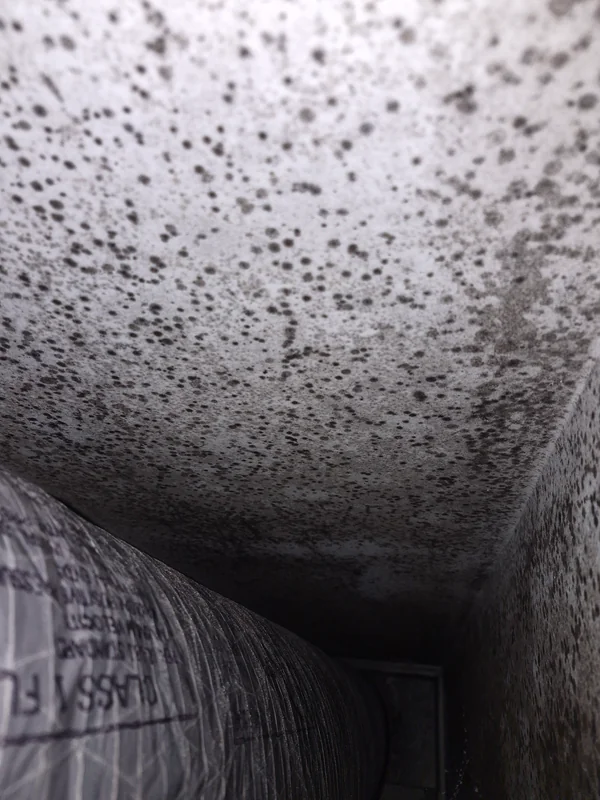
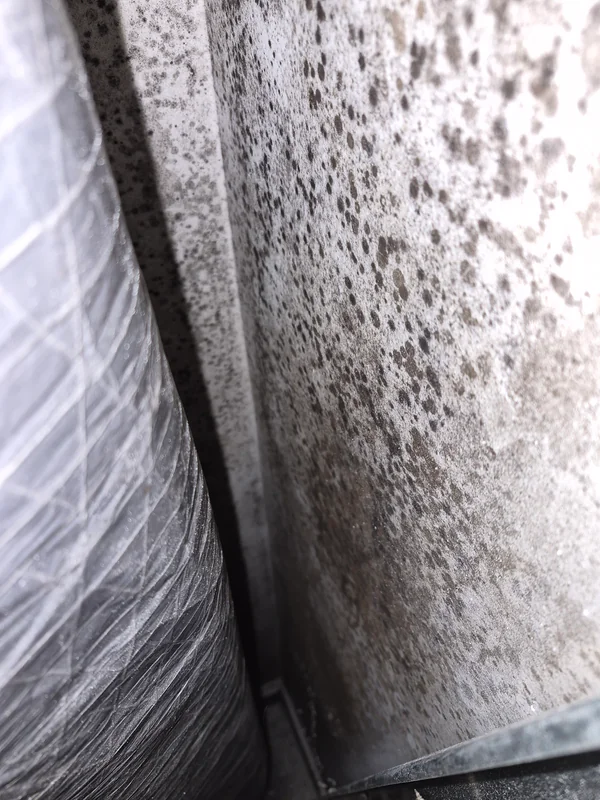
Most people don’t think about their ductwork until something smells off when the heat kicks on, or until someone in the house starts waking up congested every morning. By that point, whatever’s growing in there has had a head start.
Getting it handled means your HVAC system stops being the thing spreading the problem and starts doing its actual job. For homes in Deep Run, this isn’t just routine maintenance. The Deep Run Creek and its surrounding tributary network Mink Run, Deer Run, Cabin Run run through Bedminster Township’s landscape and keep the ground consistently damp. Valley terrain holds humidity longer after rain, and Bucks County already averages 49 inches of rain per year compared to the national average of 38 inches.
When your return air is pulling from a basement or crawlspace that sits in that kind of environment, the ductwork is often the first place mold takes hold. That’s a different problem than dusty vents in a dry climate. It calls for someone who understands mold not just someone with a vacuum and a truck. Clean ducts mean your family is breathing air that’s actually been cleaned, not just pushed through a system that’s been circulating the same contaminated air for years.
Mack’s Mold Removal & Inspections has been working in Bucks County for over 15 years. That’s long enough to know that upper Bucks County homes especially in creek-valley areas like Deep Run deal with moisture conditions that are genuinely different from what you find in the denser suburbs closer to Philadelphia.
We already serve Perkasie, which shares the same ZIP code as much of the Bedminster Township area, so this terrain isn’t unfamiliar to us. What sets us apart from a franchise like SERVPRO isn’t just the service it’s the accountability. There’s a named owner involved in the work, certified mold inspectors handling the inspection and testing, and a process that includes post-remediation lab verification to confirm the job was actually done right. That last part matters more than most companies let on. Telling you it’s clean and proving it are two very different things.
It starts with a free inspection. Before anything gets touched, a certified inspector walks through the property, looks at the ductwork, and identifies where moisture or biological growth may have taken hold. We give you an honest picture of what’s going on no pressure, no upsell, just accurate assessment and upfront pricing before any work begins.
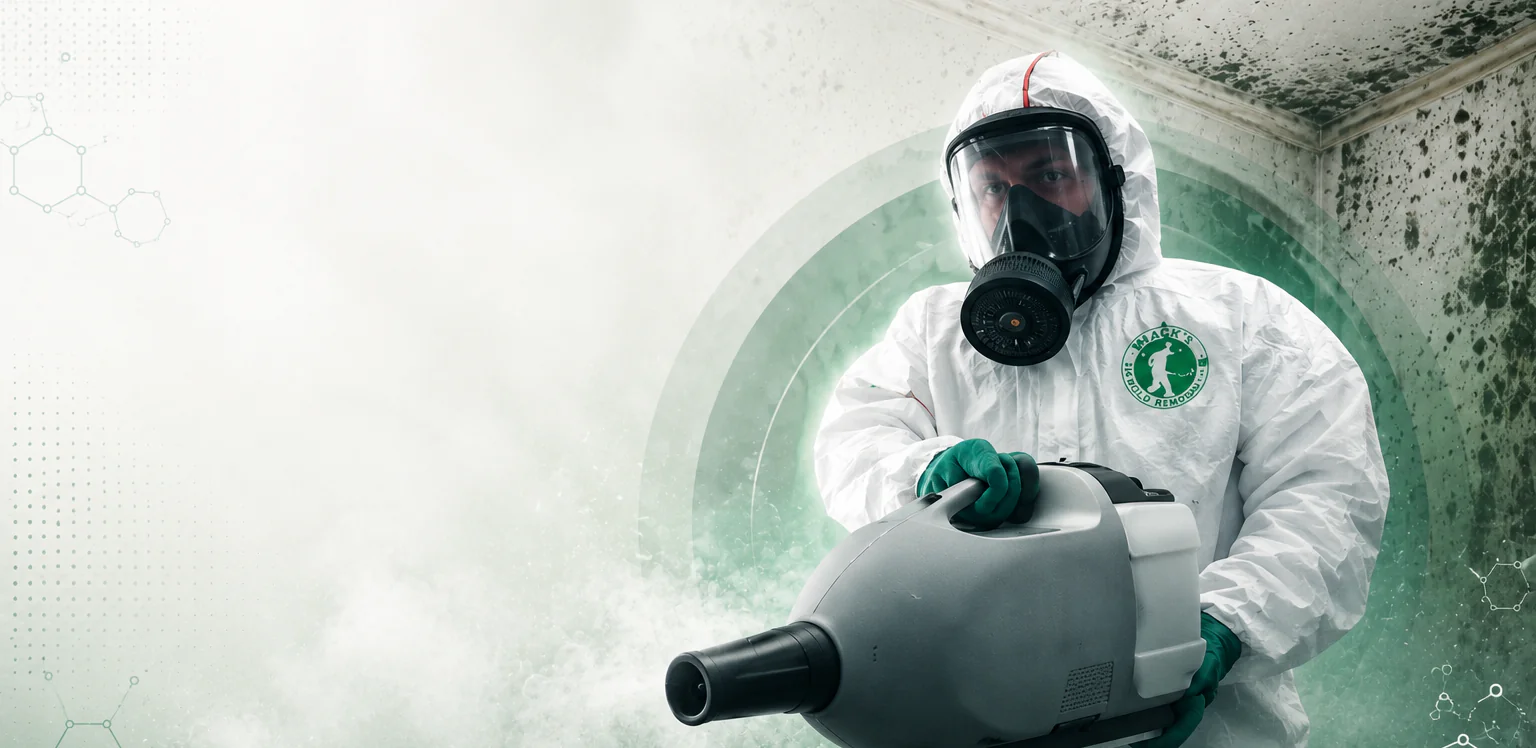
In a creek-valley environment like Deep Run, that inspection often includes a closer look at return air pathways near basements or crawlspaces, since those are the areas most likely to be pulling in humid air from the surrounding terrain. From there, the actual cleaning uses professional negative-pressure equipment not the kind of gear a carpet cleaner brings as a side service.
Both supply and return ducts are cleaned, which matters because cleaning only one side leaves the problem half-addressed. If mold is found, containment protocols are in place before anything gets disturbed, so spores don’t get pushed into the living space during the cleaning process. After the work is done, we test the affected areas to verify the results. You get documentation not just a handshake and an invoice. For a home in the Estates of Deep Run with 4,000-plus square feet of ductwork, that post-cleaning verification isn’t optional. It’s the only way to know the job actually worked.
Ready to get started?
Air duct cleaning is the core service, but it’s rarely the whole picture. We also handle dryer vent cleaning and air duct sanitizing two services that often get overlooked until something goes wrong.
Dryer vent cleaning matters more than most homeowners realize: the NFPA reports roughly 15,970 dryer-related house fires per year, and failure to clean the vent is the leading cause. In larger homes like many in the Estates of Deep Run, where square footage often pushes past 4,000 feet dryer vent runs tend to be longer, which means lint accumulates faster and is harder to clear without professional equipment.
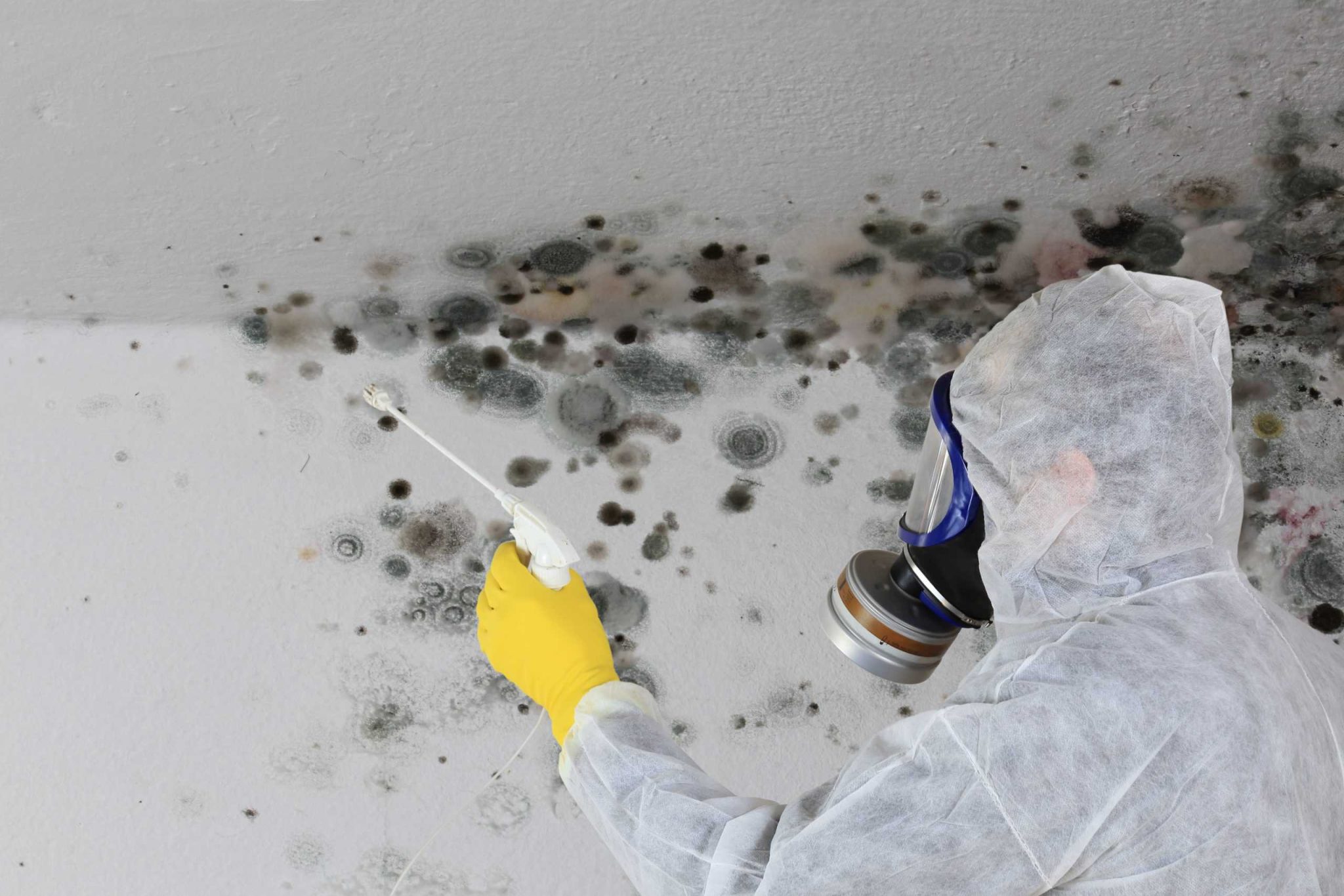
Air duct sanitizing is a separate step from mechanical cleaning. Cleaning removes the physical debris and buildup from inside the ducts. Sanitizing applies an antimicrobial treatment to address any remaining biological contamination after the cleaning is done. When mold has been present in the system, skipping the sanitizing step means you’ve removed what you can see but left conditions that allow regrowth. For homes along the Deep Run valley where ambient humidity stays elevated through spring and summer, that’s a real risk not a theoretical one.
We also work directly with insurance companies when a claim is involved, which is relevant for any homeowner whose duct contamination traces back to a water damage event. That kind of hands-on assistance with the claims process isn’t something most duct cleaners offer, and it saves significant time and frustration when you’re already dealing with a difficult situation.

The most common sign is a musty smell that shows up specifically when your HVAC system turns on not a general odor in the house, but one that appears right when air starts moving. Other indicators include allergy or respiratory symptoms that seem to get worse indoors, visible discoloration around registers or vent covers, or a history of water intrusion in the basement or crawlspace.
In Deep Run, that last factor is especially relevant. Homes in the Bedminster Township creek valley sit in a landscape with consistently elevated ground moisture from the surrounding tributary network. If your home has ever had water in the basement even minor seasonal seepage and your HVAC system pulls return air from that space, there’s a real possibility the ductwork has been exposed to mold-friendly conditions for longer than you’d expect. A certified inspection is the only way to know for certain, and we offer free inspections so you’re not paying just to find out whether you have a problem.
The honest answer is: it depends on why you’re doing it. Routine cleaning just to move dust around has mixed evidence behind it. But when there’s confirmed or suspected mold in the system, when you’ve had water damage, when your home is older with ductwork that’s never been professionally cleaned, or when someone in the household has worsening respiratory symptoms those are situations where cleaning is genuinely warranted, and the EPA says the same.
The scam reputation comes from a real problem in the industry: companies advertising $99 whole-home cleanings that turn into aggressive upsells once they’re inside your house. The way to avoid that is straightforward work with a company that offers a free inspection first, gives you upfront pricing in writing, and doesn’t change the number once work begins. That’s how we operate at Mack’s Mold Removal & Inspections, and it’s the standard you should hold any provider to before you let them near your ductwork.
For a typical home, a thorough professional cleaning takes somewhere between four and six hours. That’s the industry standard when both supply and return ducts are cleaned properly not just the registers you can see, but the full run of ductwork through the system. Any job that wraps up in under an hour almost certainly didn’t cover the full system.
For larger homes and many properties in the Estates of Deep Run run well over 4,000 square feet the job takes longer simply because there’s more ductwork to cover. More supply vents, longer duct runs, more return pathways. When mold inspection and post-cleaning verification are included, as they are with our process, plan for a full day’s work. That’s not inefficiency that’s what a complete job actually requires at that scale.
Cleaning and sanitizing are two separate steps that address two different problems. Mechanical cleaning removes the physical buildup inside the ductwork dust, debris, mold growth that has accumulated on duct surfaces. It’s done with professional negative-pressure equipment that extracts material from the system rather than just pushing it around.
Sanitizing comes after cleaning. It applies an antimicrobial treatment to the interior surfaces of the ductwork to address any biological contamination that remains after the debris is removed. In Deep Run, where valley humidity keeps moisture levels elevated well into the summer months and homes frequently have basements that border damp creek-valley soil, mold can re-establish itself in a cleaned duct system if the underlying conditions aren’t addressed. Sanitizing significantly reduces that risk. If a company offers cleaning but doesn’t mention sanitizing when mold is involved, that’s worth asking about directly before you agree to the work.
Yes and that’s what makes HVAC mold a different category of problem from mold in a single room or behind a wall. When mold is present inside the ductwork, every time your heating or cooling system runs, it’s actively moving air through the contaminated section and distributing spores to every room with a supply register. A contained problem in one part of the house becomes a whole-home problem through the air system.
This is why the sequence matters. If you’ve had mold remediated somewhere in your home a basement, a crawlspace, a bathroom but the ductwork hasn’t been inspected, there’s a real possibility the HVAC system picked up spores during that period and has been spreading them since. We address both sides of that equation: the source and the system. Handling one without the other leaves the door open for the problem to come back.
Franchise operations in this area including SERVPRO of Upper Bucks, which explicitly lists Bedminster Township in its service area dispatch technicians. That’s not a knock on their technicians, but it’s a structural difference. When you call us at Mack’s Mold Removal & Inspections, you’re working with a company where the owner is personally involved in the work, certified mold inspectors are handling the assessment, and the results are verified with lab testing after the job is done. Multiple customers across Bucks County have specifically named the owner in their reviews because he shows up and stays accountable.
For a homeowner in Deep Run with a property in the $800,000 range, that accountability gap matters. A franchise can complete a cleaning and move on. We provide post-remediation documentation that proves the system is clean which is the kind of record that protects your investment, supports an insurance claim if one is involved, and gives you something concrete to show if you ever sell the property. That’s a different level of service than what most franchise operators deliver, and it comes from a company that’s been working in Bucks County for over 15 years.
Other Services we provide in Deep Run