
Mold Inspection in Casey Highlands, PA

Find Hidden Mold Before It Finds You

Advanced mold detection that catches problems early—protecting your home’s value and your family’s health with certified testing you can trust.
Protective worker in safety suit inspecting or treating mold spots on an indoor ceiling, addressing moisture damage and potential mold growth inside a building.

Hear from Our Customers

Professional Mold Detection Casey Highlands

Know Exactly What You're Dealing With

You can’t fix what you can’t see. That’s the problem with mold in Casey Highlands—it hides in crawl spaces, behind walls, under flooring, and inside HVAC systems where moisture builds up quietly for months.

A professional mold inspection gives you the full picture. We use thermal imaging cameras to spot temperature differences that signal moisture intrusion. We test air quality for airborne spores you’re breathing but can’t see. We identify the exact type of mold through EPA-certified lab analysis, so you know if you’re dealing with common mildew or toxic black mold.

Here’s what that means for you: no more guessing. No more wondering if that musty smell is serious. No more worrying about what’s growing where you can’t reach. You get a detailed report that tells you what’s there, where it came from, and what needs to happen next. That clarity alone is worth it—especially if you’re buying a home, dealing with health symptoms, or preparing to sell.

Trusted Mold Inspector Casey Highlands

We've Been Doing This Long Enough

We’ve been serving Casey Highlands and Bucks County for years, and we’ve seen what happens when mold gets ignored. We’ve also seen how much stress it causes when homeowners don’t know who to trust or what’s actually necessary.

That’s why we focus on transparency. We’re certified mold inspectors—not general home inspectors who glance at surfaces. We use the same advanced tools and techniques that larger restoration companies use, but we’re local, responsive, and we don’t upsell services you don’t need.

Pennsylvania doesn’t regulate mold testing the way some states do, which means anyone can claim they’re an expert. We’ve invested in real training, real equipment, and real certifications because we know you’re making decisions based on what we tell you. That responsibility matters to us.

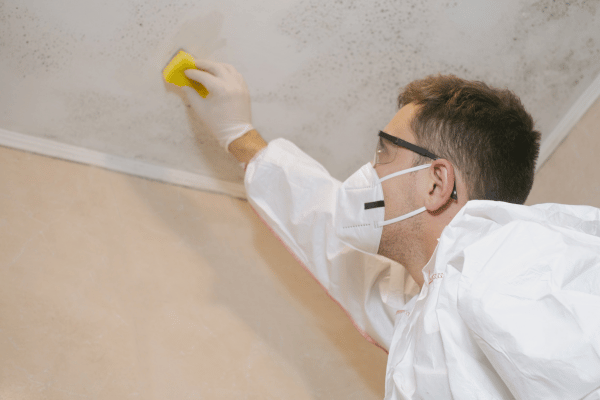
Protective worker collecting a mold sample from a stained indoor ceiling using a swab, inspecting moisture damage and potential mold growth inside a building.

Home Mold Inspection Process Casey Highlands

Here's What Happens During Your Inspection

First, we talk. You tell us what you’ve noticed—symptoms, smells, visible spots, water damage history. That conversation shapes where we look and what we test.

Then we inspect. We check obvious areas like bathrooms and basements, but we also use moisture meters on walls, ceilings, and floors to find hidden water intrusion. Our thermal imaging camera reveals cold spots that indicate leaks or condensation you can’t see. If we find suspicious growth or conditions that support mold, we collect samples—air samples for spores and surface samples from affected materials.

Those samples go to an EPA-certified lab. You get results within a few days that identify the mold species, concentration levels, and whether it poses health risks. We walk you through the report in plain language and explain what it means for your specific situation. If remediation is needed, we give you a clear plan. If it’s minor and you can handle it yourself, we’ll tell you that too.

Home interior with mold remediation in progress as a worker sprays treatment on a wall using a ladder, while a resident relaxes on a covered sofa in a renovated living room.

Ready to get started?

Explore More Services

About Mack's Mold Removal

Mold Testing Services Casey Highlands PA

What's Included in a Mold Inspection

Every mold inspection we do in Casey Highlands includes a visual assessment of your entire property, moisture mapping with professional-grade meters, and thermal imaging to detect hidden water sources. We test indoor air quality to measure airborne mold spore levels and compare them to outdoor baseline readings.

If we find visible mold or high moisture areas, we collect surface samples for lab identification. All samples are analyzed by an EPA-certified laboratory, and you receive a comprehensive report that breaks down exactly what was found, where, and at what concentration.

Here’s why that matters locally: Bucks County has seen a 5% to 10% increase in precipitation over recent years. More rain means more moisture in basements, crawl spaces, and attics. Homes in Casey Highlands—especially older ones with stone foundations or poor drainage—are dealing with conditions that didn’t exist a decade ago. A standard home inspection won’t catch that. We do.

You also get our recommendations. If remediation is necessary, we explain the scope and cost. If it’s something you can manage with a dehumidifier and better ventilation, we’ll tell you. We’re not here to scare you into services you don’t need—we’re here to give you accurate information so you can make the right call.

How much does a mold inspection cost in Casey Highlands?

Most mold inspections in Casey Highlands and Bucks County run between $300 and $1,000, depending on the size of your home and how many samples we need to collect. That might sound like a lot upfront, but compare it to the cost of ignoring mold—remediation can run $2,000 to $6,000 or more if the problem spreads.

If you’re buying a home, an inspection before closing can save you tens of thousands. If you’re selling, it gives you documentation that protects you from future liability. If you’re dealing with health symptoms or a musty smell, it gives you answers instead of anxiety.

We offer a free initial consultation where we assess your situation and give you an honest opinion on whether a full inspection is necessary. Some situations don’t require testing—we’ll tell you that upfront and save you the money.

Yes—especially in Casey Highlands and Bucks County where moisture issues are common. A standard home inspection checks structural systems, but it doesn’t test for mold or measure indoor air quality. Mold is one of the most common deal-breakers in local real estate, and it’s often hidden until after closing.

A pre-purchase mold inspection gives you leverage. If we find a problem, you can negotiate repairs, a price reduction, or walk away before you’re locked in. Professional remediation can recover nearly $20,000 more in resale value compared to homes where sellers just dropped the price and hoped for the best.

Pennsylvania law requires sellers to disclose known material defects, and mold qualifies when it affects habitability or health. But “known” is the key word—if they didn’t test, they can claim they didn’t know. Don’t rely on their honesty or ignorance. Get your own inspection and protect your investment.

The obvious signs are visible mold growth, musty odors that won’t go away, and health symptoms like chronic coughing, headaches, or respiratory irritation that improve when you leave the house. But those are late-stage indicators—mold has usually been growing for a while by then.

Earlier signs include water stains on ceilings or walls, peeling paint, warped flooring, condensation on windows, or a basement that always feels damp. If you’ve had any water damage—leaking roof, burst pipe, flooding—you should get tested even if you don’t see mold. It can start growing within 24 to 48 hours of water exposure.

In Casey Highlands, we also recommend testing if you have an older home with a stone foundation, poor ventilation, or drainage issues. The increased rainfall in Bucks County over the past few years has created conditions where mold thrives. You might not have had a problem five years ago, but that doesn’t mean you’re clear now.

Not reliably. Home inspectors check your roof, foundation, plumbing, electrical, and HVAC systems—they’re looking for structural and mechanical issues. They’re not trained in mold detection, they don’t carry moisture meters or thermal imaging equipment, and they don’t collect samples for lab analysis.

If they see visible mold, they’ll note it in the report and recommend further evaluation. But mold is notoriously hard to detect because it hides in places home inspectors don’t access—inside walls, under flooring, in ductwork, behind insulation. A visual walkthrough isn’t enough.

That’s where a certified mold inspection comes in. We use advanced tools to find hidden moisture and airborne spores. We test air quality and send samples to EPA-certified labs for species identification. If you’re serious about knowing whether mold is present—and what type—you need someone who specializes in it.

Most inspections take two to three hours, depending on the size of your home and how many areas we need to test. We’re thorough, but we’re also efficient—we’re not going to waste your time checking areas that clearly aren’t at risk.

After the inspection, lab results typically come back within three to five business days. We’ll call you as soon as we have them and walk you through the report. If it’s urgent—like you’re closing on a house or dealing with a health crisis—we can request expedited lab processing.

The whole process from scheduling to receiving your report usually takes about a week. If remediation is needed, we can start within a few days of your approval. If the results are clear, you’ll have documentation and peace of mind that your home is safe.

“Black mold” usually refers to Stachybotrys chartarum, a toxic mold species that produces mycotoxins and can cause serious health problems—especially in children, elderly individuals, and anyone with a compromised immune system. It’s greenish-black, slimy when wet, and typically grows on materials with high cellulose content like drywall, wood, and insulation.

But here’s the thing: not all black-colored mold is Stachybotrys, and not all dangerous mold is black. There are thousands of mold species, and many can cause allergic reactions, respiratory issues, and other health problems regardless of color. That’s why visual identification isn’t enough—you need lab testing to know exactly what you’re dealing with.

In Casey Highlands, we’ve found toxic mold in homes where owners thought they just had mildew. We’ve also found harmless mold in homes where people were convinced they had a serious problem. The only way to know for sure is to test it. That’s what we do.

Other Services we provide in Casey Highlands