
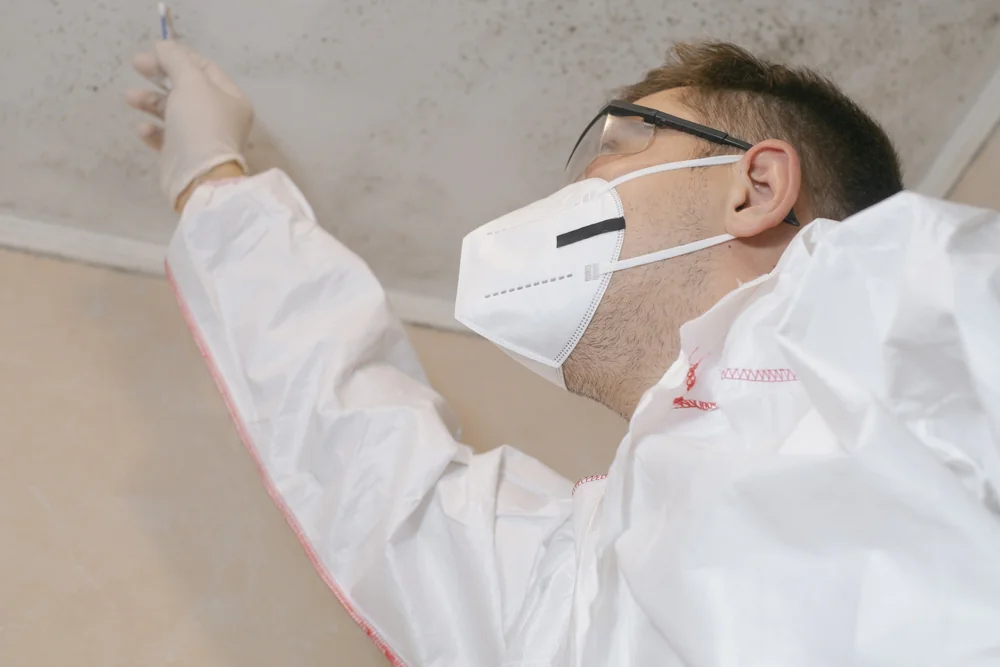
Hear from Our Customers
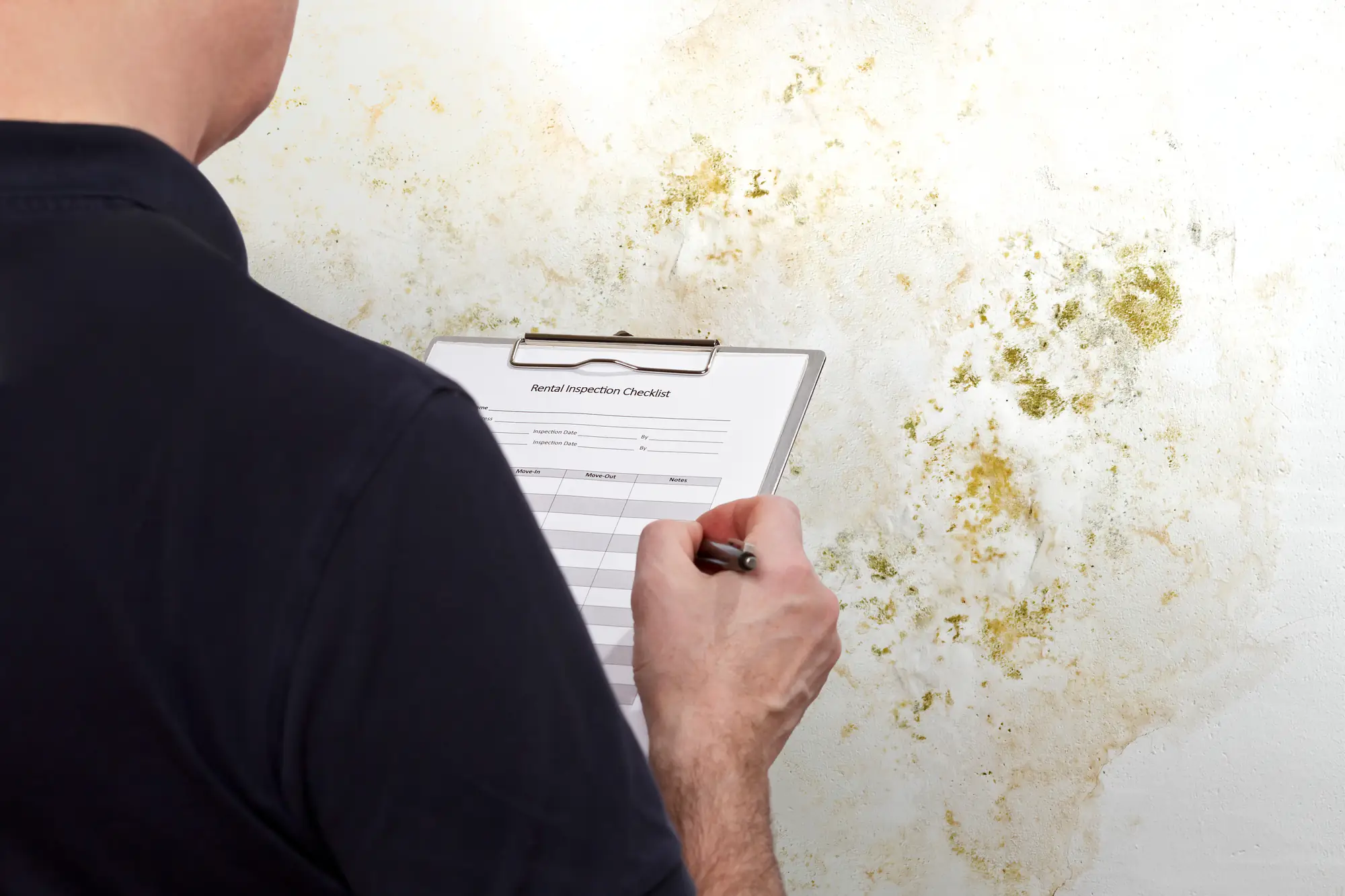
You shouldn’t have to guess whether that musty smell is a problem or if those allergy symptoms are connected to your home. A proper mold inspection gives you answers.
We use thermal imaging and moisture meters to check areas you’d never think to look—inside walls, under floors, around HVAC systems. Then we collect samples and send them to an independent lab. You get a report that tells you what type of mold is present, where it’s growing, and how much of it is in your air.
That report becomes your roadmap. If there’s a problem, you’ll know exactly what needs to happen. If there isn’t, you’ll have peace of mind. Either way, you’re not left wondering.
We’ve been serving Falls, PA and the surrounding Bucks County area for years. We keep inspection separate from remediation because you deserve unbiased results.
When we test your home, we’re not trying to upsell you. We’re giving you accurate information so you can make the right call. Our inspections are thorough, our lab reports are clear, and our recommendations are honest.
Falls sits in a region where humidity and older housing stock create the perfect conditions for mold growth. We’ve seen it in basements after spring flooding, in crawl spaces with poor ventilation, and behind walls where slow leaks went unnoticed. We know what to look for here.
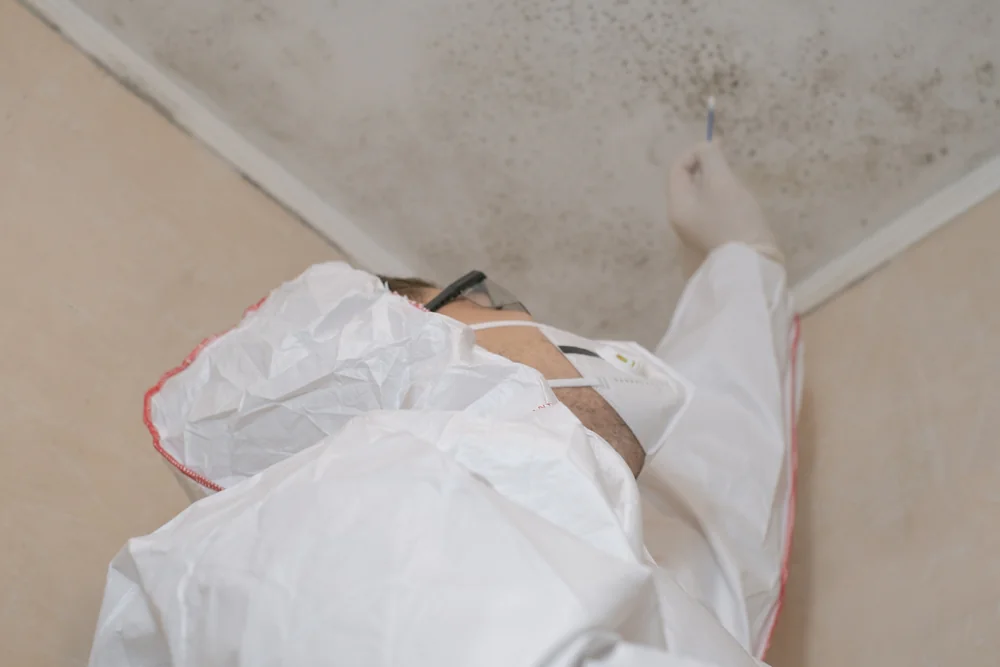
First, we walk through your property and talk about what you’ve noticed—symptoms, smells, visible growth, water damage history. Then we start the visual inspection, checking common problem areas and using moisture meters to find hidden dampness.
If we find signs of mold or conditions that support it, we collect air samples and surface samples. Those go to a certified lab for analysis. We also use thermal imaging to spot temperature differences that indicate moisture intrusion behind walls or ceilings.
Within three to five business days, you get a detailed lab report. It identifies the mold species, measures concentration levels, and explains any health risks. We review the findings with you and lay out your options—whether that’s remediation, further testing, or just monitoring the situation. You’re never pressured. You’re just informed.

Ready to get started?
Every mold inspection covers a full visual assessment of your property, moisture readings in key areas, air quality sampling, and surface sampling where needed. You also get a written report with lab results and photos documenting what we found.
In Falls, PA, we’re dealing with older homes that weren’t built with modern moisture barriers. Basements here tend to have stone foundations that let water seep through. Bathrooms and kitchens often have outdated ventilation. These aren’t design flaws—they’re just realities of the housing stock in this area.
That’s why our inspections focus heavily on hidden moisture sources. We check behind appliances, around windows, in attic spaces, and along foundation walls. We’re looking for the conditions that let mold thrive, not just the mold itself. Because if you only treat the symptoms and ignore the cause, it’s coming back.
Most residential mold inspections in Falls run between $300 and $600. That includes the visual inspection, moisture testing, sample collection, lab analysis, and a written report with findings and recommendations.
The price can vary depending on the size of your home and how many samples we need to collect. A small condo with one area of concern costs less than a 3,000-square-foot house with multiple moisture issues. But you’ll know the cost upfront before we start.
Some companies offer free inspections, but they’re usually tied to remediation services. That creates a conflict of interest. We charge for testing because it keeps our findings unbiased. You’re paying for accuracy, not a sales pitch.
A mold inspection is the full process—visual assessment, moisture readings, identifying problem areas, and determining whether testing is needed. Mold testing is the lab work that tells you what type of mold is present and how much of it is in your air or on surfaces.
You don’t always need testing. If there’s visible mold growth and an obvious moisture source, you already know you have a problem. Testing becomes important when you’re experiencing symptoms but can’t find visible mold, when you want to confirm a specific species like black mold, or when you need documentation for insurance or real estate transactions.
Testing also helps after remediation is complete. It confirms that mold levels have returned to normal and the job was done right. That’s especially useful if you’re selling a home in Falls and need to prove to buyers that a previous mold issue has been fully resolved.
The on-site inspection usually takes one to two hours, depending on the size of your property and how many areas need attention. We’re not rushing through it. We’re checking every space where mold could be hiding.
After we collect samples, the lab analysis takes three to five business days. Once we get the results, we’ll schedule a follow-up call or meeting to review the report and discuss next steps. The whole process from inspection to final report typically wraps up within a week.
If you’re dealing with an urgent situation—like a real estate closing deadline or a tenant with health complaints—we can often expedite the lab work. Just let us know upfront what your timeline looks like.
You can, but the results won’t give you much useful information. Most DIY kits only tell you that mold spores are present, which is true in almost every home. They don’t measure concentration levels, identify specific species, or help you figure out where the mold is actually growing.
Professional testing uses calibrated equipment to collect air samples at specific flow rates. We compare indoor levels to outdoor levels to determine if you have an elevated mold problem. We also take samples from multiple locations to pinpoint the source. That’s not something a petri dish on your counter can do.
If you’re trying to save money, a DIY kit might seem appealing. But if the results come back positive—which they almost always do—you’ll still need a professional inspection to figure out what’s actually happening. You end up paying twice and delaying the real answers.
The most common species we find in Falls are Aspergillus, Penicillium, and Cladosporium. All three thrive in damp, humid environments, which describes a lot of basements and crawl spaces in this area.
Aspergillus often shows up in HVAC systems and on water-damaged materials. Penicillium grows on wallpaper, carpets, and insulation, especially after water intrusion. Cladosporium is usually found on wood surfaces and fabrics. Each one can trigger allergic reactions and respiratory issues, especially in kids and anyone with asthma or compromised immune systems.
Black mold—Stachybotrys chartarum—gets the most attention because of its reputation, but it’s less common than people think. It needs sustained moisture and cellulose-based materials like drywall or wood to grow. When we do find it, it’s usually in areas that have had long-term water damage that went unnoticed or unaddressed.
If the home inspector noted moisture issues, musty odors, or visible mold, yes. If the house has a basement—which most homes in Falls do—it’s worth considering even if nothing obvious showed up. Basements here are prone to dampness, and mold can hide in places a general home inspection doesn’t cover.
A mold inspection gives you leverage during negotiations. If we find elevated mold levels or hidden growth, you can ask the seller to remediate before closing or adjust the purchase price to cover the cost. Pennsylvania law doesn’t require sellers to disclose mold, so you’re on your own to find it.
It’s a small upfront cost compared to discovering a mold problem after you’ve moved in. Remediation can run thousands of dollars depending on the extent of the damage. An inspection before closing protects you from inheriting someone else’s moisture problem.
Other Services we provide in Falls