
Hear from Our Customers
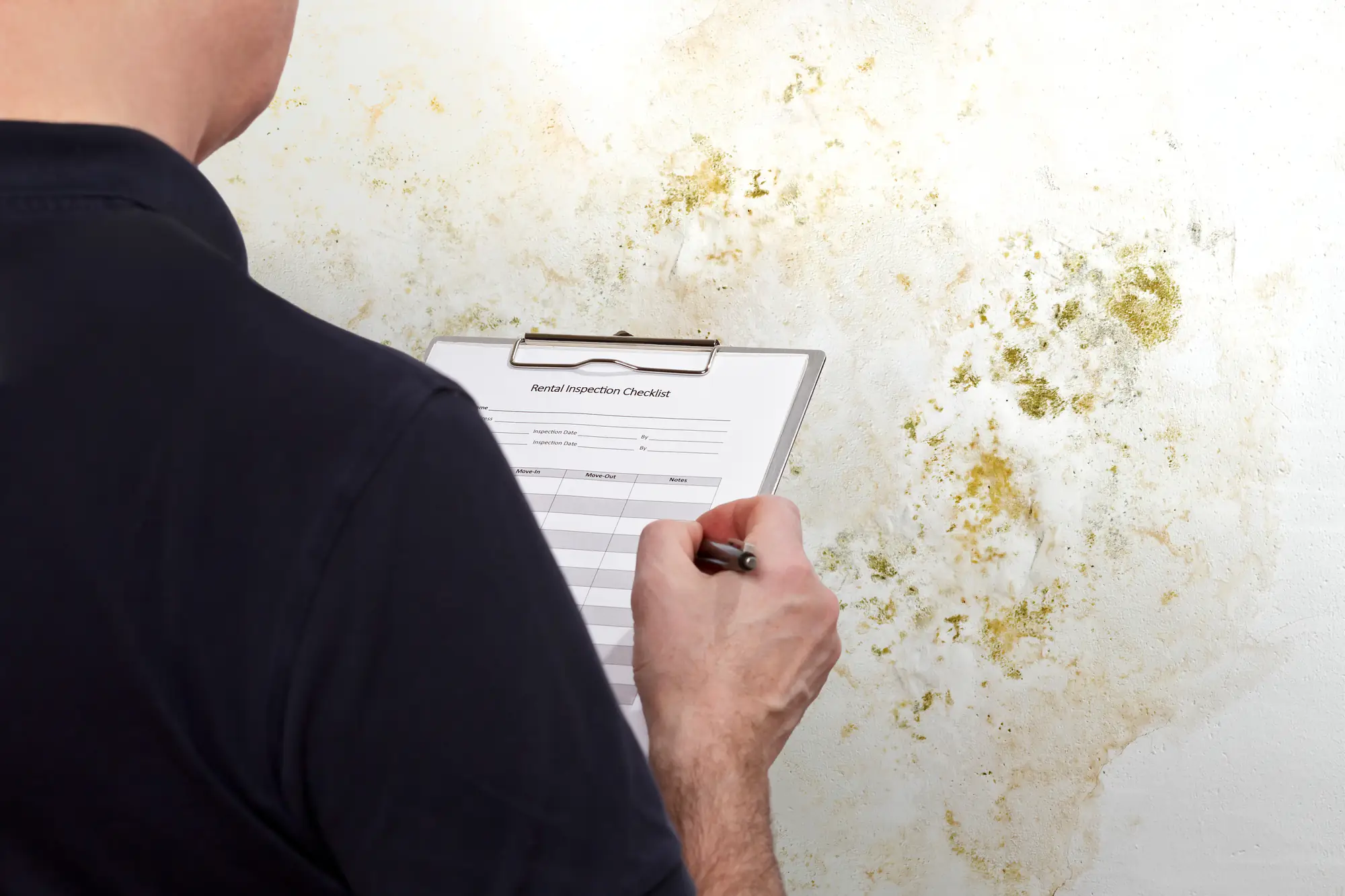
You can’t fix what you can’t see. That’s the problem with mold in Bensalem homes—it hides behind walls, under sinks, in crawl spaces, and inside HVAC systems where humidity from our summers creates perfect conditions.
A professional mold inspection gives you the full picture. Not just where mold is growing right now, but where moisture problems are setting you up for future issues. You’ll know which type of mold you’re dealing with, how concentrated it is, and whether it’s affecting your indoor air quality.
That information matters when you’re deciding whether to buy a home, file an insurance claim, or figure out why someone in your family keeps getting sick. It also matters when you need to stop a small problem before it turns into a $10,000 remediation job. The inspection itself typically runs $300 to $650 depending on your home’s size and complexity, but it can save you thousands by catching problems early.
We’ve built our reputation on thorough inspections and honest assessments throughout Bucks County. We’re certified inspectors who know what to look for in older Bensalem homes where basements leak and in newer construction where builder-grade ventilation creates condensation issues.
We use thermal imaging cameras and moisture meters because your eyes can’t detect temperature differentials or humidity levels behind drywall. Our lab partners are certified facilities that identify specific mold species—not just “yes, there’s mold.” You get detailed reports with photographs, lab results, and clear explanations of what it all means.
We’re available 24/7 because mold doesn’t wait for business hours, and neither should your response when you discover water damage.
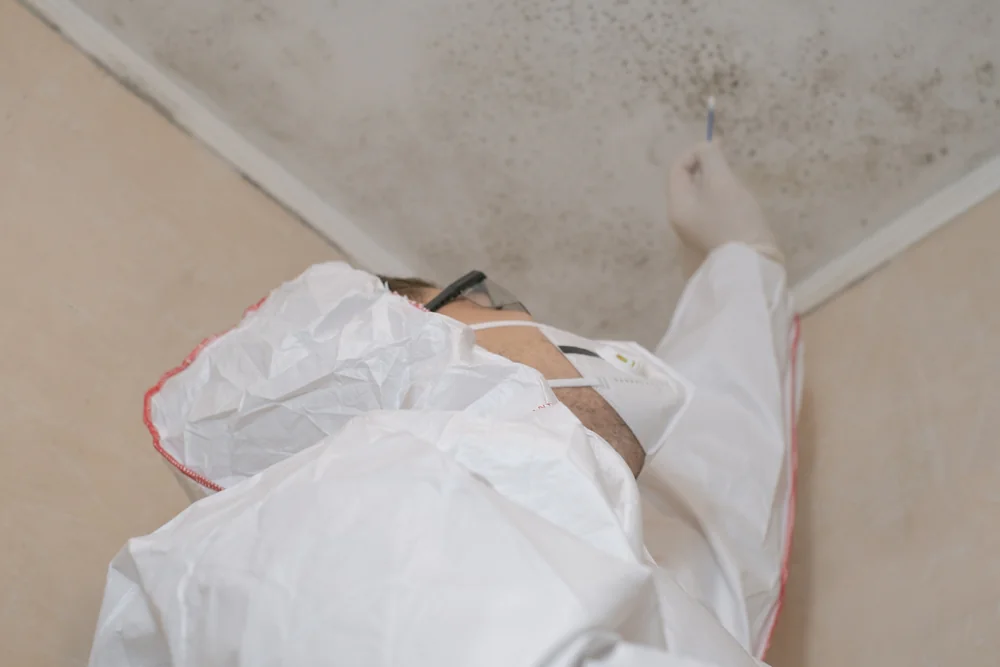
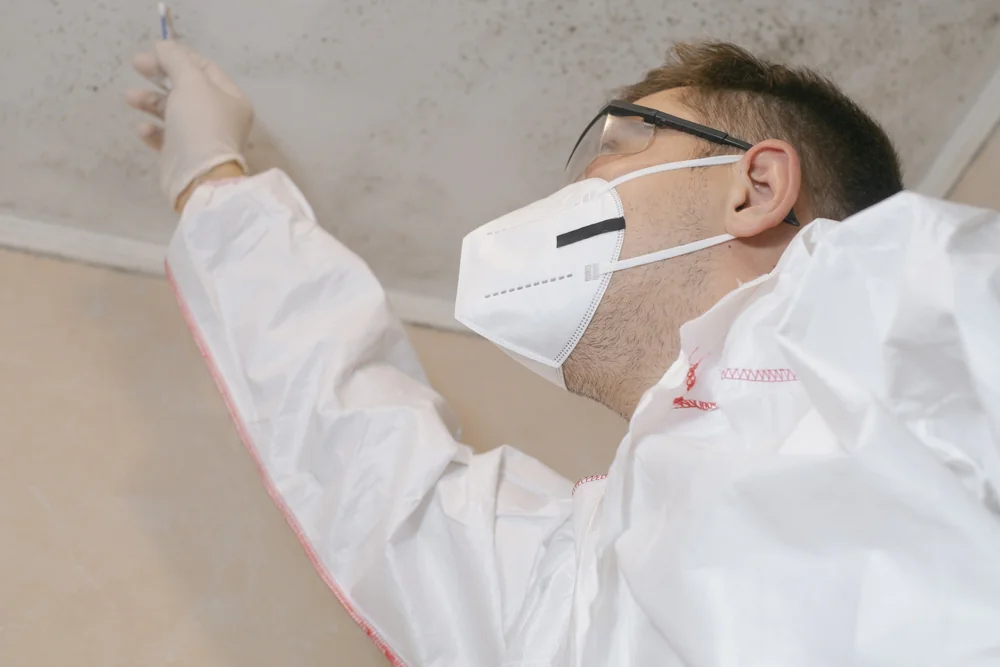
The inspection starts with a visual assessment of your entire property. We check the obvious spots—bathrooms, kitchens, basements—and the places most homeowners never look. Attics, crawl spaces, behind appliances, inside HVAC systems.
We use moisture meters to measure humidity levels in walls, floors, and ceilings. High readings tell us where water is accumulating even when there’s no visible mold yet. Thermal imaging shows us temperature variations that indicate moisture intrusion or air leaks.
If we find visible mold or high moisture readings, we take air samples and surface samples. Those go to a certified lab for analysis. The lab identifies which mold species are present and measures spore concentrations in your indoor air compared to outdoor baseline levels.
You receive a comprehensive report within a few days. It includes all our findings, lab results, photographs of problem areas, and recommendations for next steps. If remediation is needed, we give you a detailed estimate before any work begins. If the problem is minor, we’ll tell you that too.

Ready to get started?
Your inspection covers every accessible area of your home. We examine basements where Bensalem’s clay soil creates hydrostatic pressure against foundation walls. We check attics where ice dams from our winters cause roof leaks. We inspect crawl spaces where poor ventilation traps moisture.
The inspection includes moisture mapping with professional-grade meters, thermal imaging to detect hidden water intrusion, visual documentation of all findings, and air quality testing when needed. Surface sampling identifies specific mold types when we find visible growth.
You also get direct support if you’re filing an insurance claim. We provide the documentation insurance companies require and can communicate directly with adjusters. For buyers, we coordinate timing with your home inspection and provide reports your lender will accept.
Bensalem’s humid summers—we average 66% relative humidity in July and August—make mold growth aggressive once it starts. Our inspection identifies not just current problems but conditions that will cause problems if left unchecked. That’s particularly important in older homes near Neshaminy Creek where seasonal flooding affects basements, and in neighborhoods with aging HVAC systems that can’t properly dehumidify.
Most mold inspections in Bensalem run between $300 and $650 depending on your home’s size and how many areas need testing. A typical single-family home inspection costs around $450.
That price includes the visual assessment, moisture readings throughout your home, and basic air sampling. If we need to take multiple air samples from different areas or collect surface samples for lab analysis, that adds to the cost. Larger homes or properties with multiple problem areas take longer to inspect thoroughly.
We offer free initial assessments where we evaluate your situation and give you an upfront price before scheduling the full inspection. No surprises, no hidden fees for lab work or report generation. You’ll know exactly what you’re paying before we start.
A mold inspection is the complete assessment—visual examination, moisture mapping, thermal imaging, and identifying problem areas throughout your home. Testing is one component of that inspection where we collect air or surface samples for laboratory analysis.
You might not need testing if there’s no visible mold and no moisture problems. But if we find suspicious growth, detect musty odors, or measure high humidity levels, testing tells us which mold species are present and how concentrated the spores are in your air.
Testing is particularly important for black mold (Stachybotrys) because it produces mycotoxins that cause serious health problems. It’s also critical when someone in your home has respiratory issues or allergies but you can’t locate visible mold. Air testing can detect elevated spore counts even when the source is hidden behind walls or in ductwork.
Plan on two to three hours for a thorough inspection of an average-sized home. Larger properties or homes with extensive basements, attics, and crawl spaces take longer.
We’re not rushing through your home with a flashlight. We’re checking inside cabinets, moving appliances to examine walls behind them, inspecting HVAC systems, and taking moisture readings in multiple locations. Thermal imaging of exterior walls and ceilings adds time but catches problems you’d otherwise miss.
If we need to collect air samples or surface samples, that adds another 30 to 45 minutes. The samples go to the lab the same day, and you’ll have results within three to five business days. We’ll walk you through the findings and answer your questions before we leave, but the detailed written report with lab results comes after analysis is complete.
You can check for visible mold and obvious moisture problems, but you can’t see what’s happening inside walls, under flooring, or in areas you can’t access. You also can’t identify which type of mold you’re dealing with or measure spore concentrations in your air without lab testing.
Home test kits from hardware stores are unreliable. They’ll tell you mold spores are present—which is true in virtually every home—but they won’t tell you if concentrations are dangerous or which species you’re dealing with. That’s the information you actually need to make decisions.
Professional equipment makes the difference. Our thermal imaging cameras detect temperature variations that indicate moisture intrusion behind drywall. Our moisture meters measure humidity levels inside building materials. Those tools identify problems before they become visible, which is when you can still prevent major damage. If you’re buying a home, dealing with health issues, or filing an insurance claim, you need documentation from a certified inspector anyway.
If we find mold, we first determine how extensive the problem is and which type of mold is growing. Small areas of surface mold—less than 10 square feet—might be something you can address yourself if it’s not toxic mold and hasn’t penetrated building materials.
Larger infestations, black mold, or mold that’s growing inside walls requires professional remediation. We’ll give you a detailed estimate that covers containment of the affected area, removal of contaminated materials, HEPA air filtration, antimicrobial treatment, and fixing the moisture source that caused the problem.
You’ll also get our recommendation on urgency. Some situations need immediate attention—active leaks, toxic mold in living areas, or high spore counts affecting someone with respiratory problems. Other situations are less urgent but still need addressing before the problem spreads. We’ll be straight with you about what needs to happen now versus what can wait while you arrange financing or work with your insurance company.
If the home inspector found moisture problems, water stains, or visible mold, absolutely get a mold inspection before closing. If the house has a basement—which most Bensalem homes do—and there’s any history of water intrusion, you want to know what you’re buying.
Older homes in Bensalem often have foundation issues from settling or hydrostatic pressure. Homes near Neshaminy Creek or in lower-lying areas flood periodically. Even newer homes can have mold problems if the builder didn’t properly grade the lot or install adequate ventilation in bathrooms and crawl spaces.
A mold inspection gives you negotiating power. If we find significant problems, you can ask the seller to remediate before closing, reduce the purchase price, or walk away if the situation is worse than you’re willing to deal with. It’s a few hundred dollars that can save you from buying a $15,000 remediation problem or ongoing health issues for your family.
Other Services we provide in Bensalem