
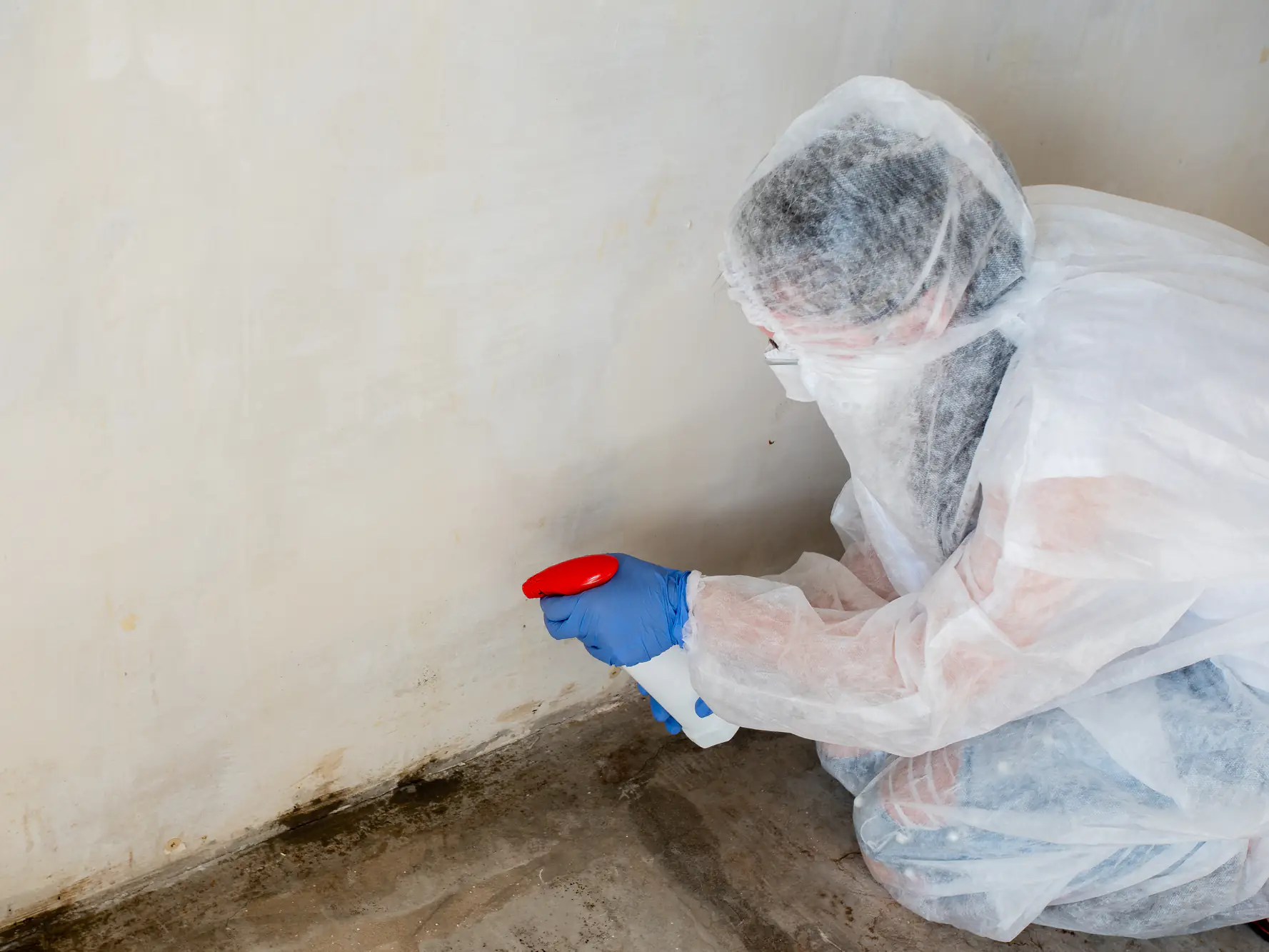
Hear from Our Customers
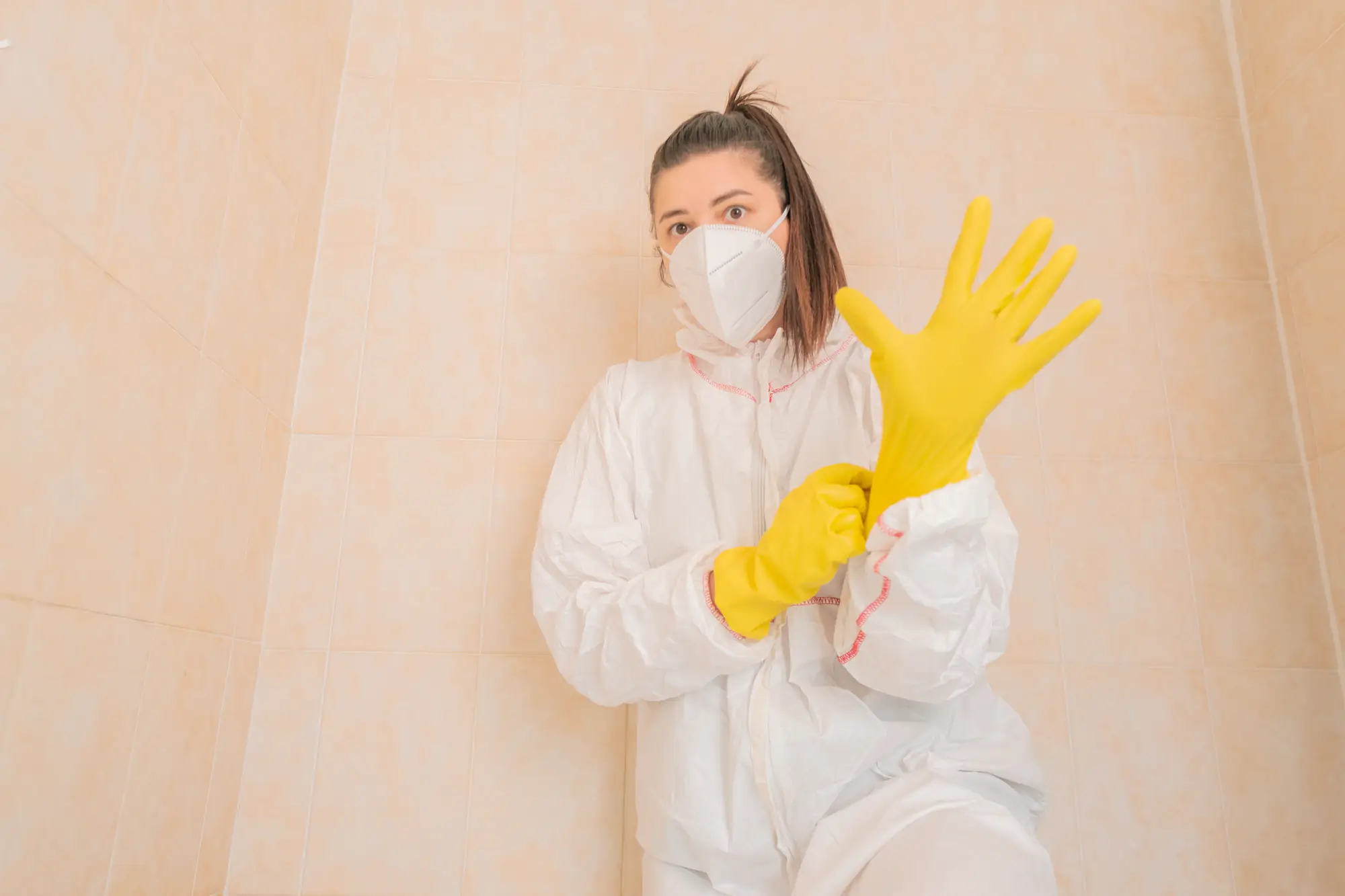
You stop worrying about what’s growing behind your walls. Your kids aren’t coughing at night anymore. That musty smell in the basement finally disappears.
When we handle the job properly, you’re not just covering up the problem. You’re removing contaminated materials, treating affected areas with professional-grade antimicrobials, and running verification tests to confirm the air quality is back to normal.
Most Bensalem homeowners notice the difference within days. The air feels lighter. The allergies calm down. You can actually use your basement again without that nagging feeling that something’s wrong.
That’s what complete mold remediation looks like. Not a quick patch job that brings the problem back in six months, but a thorough process that addresses the source, removes the growth, and gives you documentation proving the work was done right.
Mack’s Mold Removal has been serving Bensalem homeowners since before most people realized mold was a serious problem. Back then, it was just “mildew.” Now we know better.
We’re not a general restoration company that does mold on the side. This is what we do. Our certified inspectors know how Bensalem’s humid summers and older housing stock create perfect conditions for mold growth in basements, crawl spaces, and attics.
We’ve worked on homes near Street Road, properties close to the Delaware River, and everything in between. We know which Bensalem neighborhoods deal with humidity issues and which ones have ventilation problems from decades-old construction. That local knowledge matters when you’re trying to prevent mold from coming back.
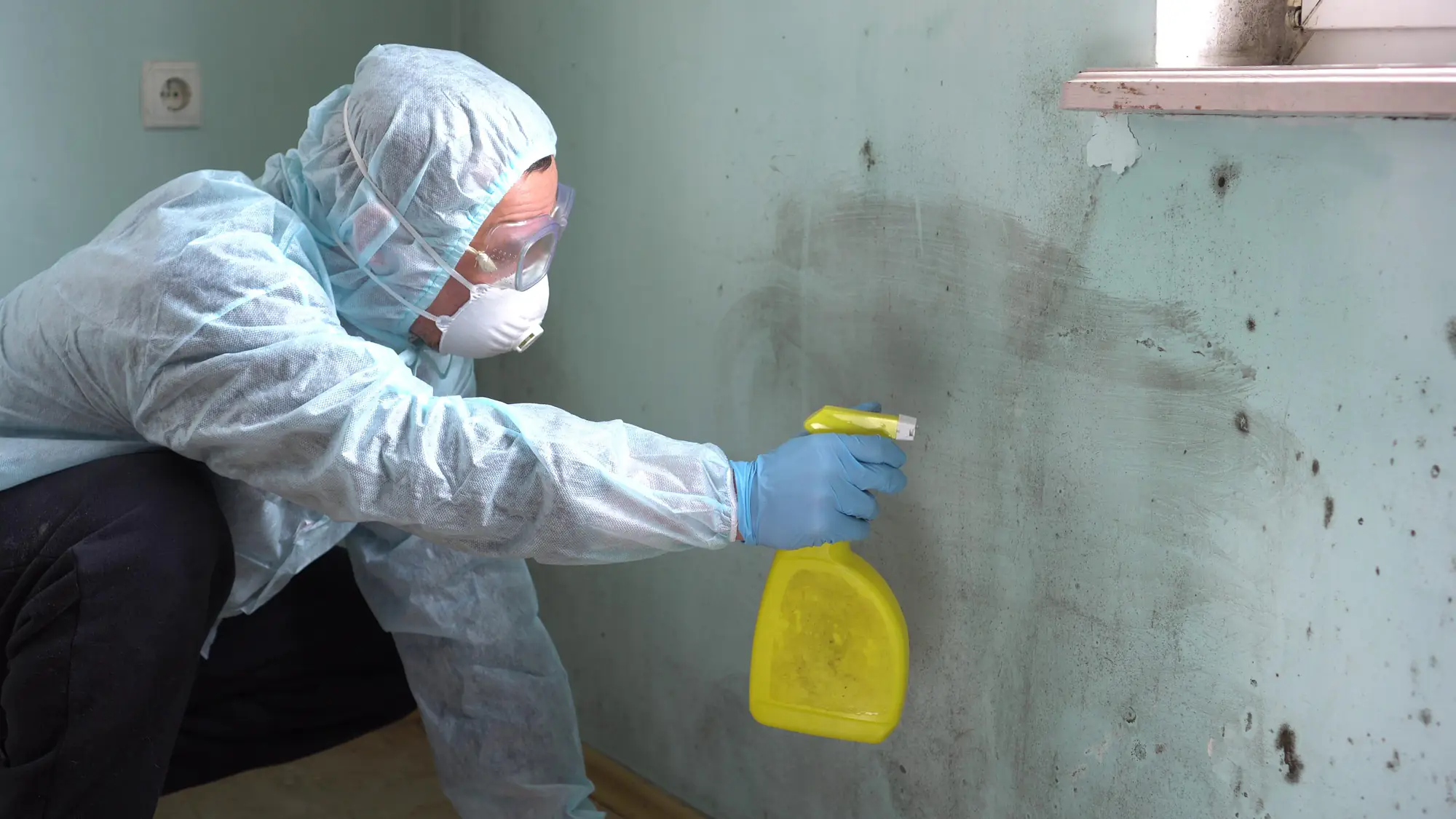
First, we inspect the affected areas and test to identify the type and extent of mold growth. You get a clear assessment of what you’re dealing with before any work starts.
Next, we seal off the contaminated space with plastic sheeting and negative air pressure systems. This containment step is critical because it prevents mold spores from spreading to clean areas of your home during removal.
Then we remove contaminated materials that can’t be saved and treat all affected surfaces with antimicrobial solutions. If the mold damaged drywall, insulation, or flooring, we take it out safely and dispose of it properly.
After removal, we run air scrubbers and HEPA filtration to clean the air. We don’t just assume the job is done. We conduct post-remediation testing to verify that mold levels are back to normal and your air quality is restored.
Finally, if reconstruction is needed, we handle that too. We replace removed materials and get your space back to normal. The goal isn’t just mold removal, it’s getting your home back to the way it should be.
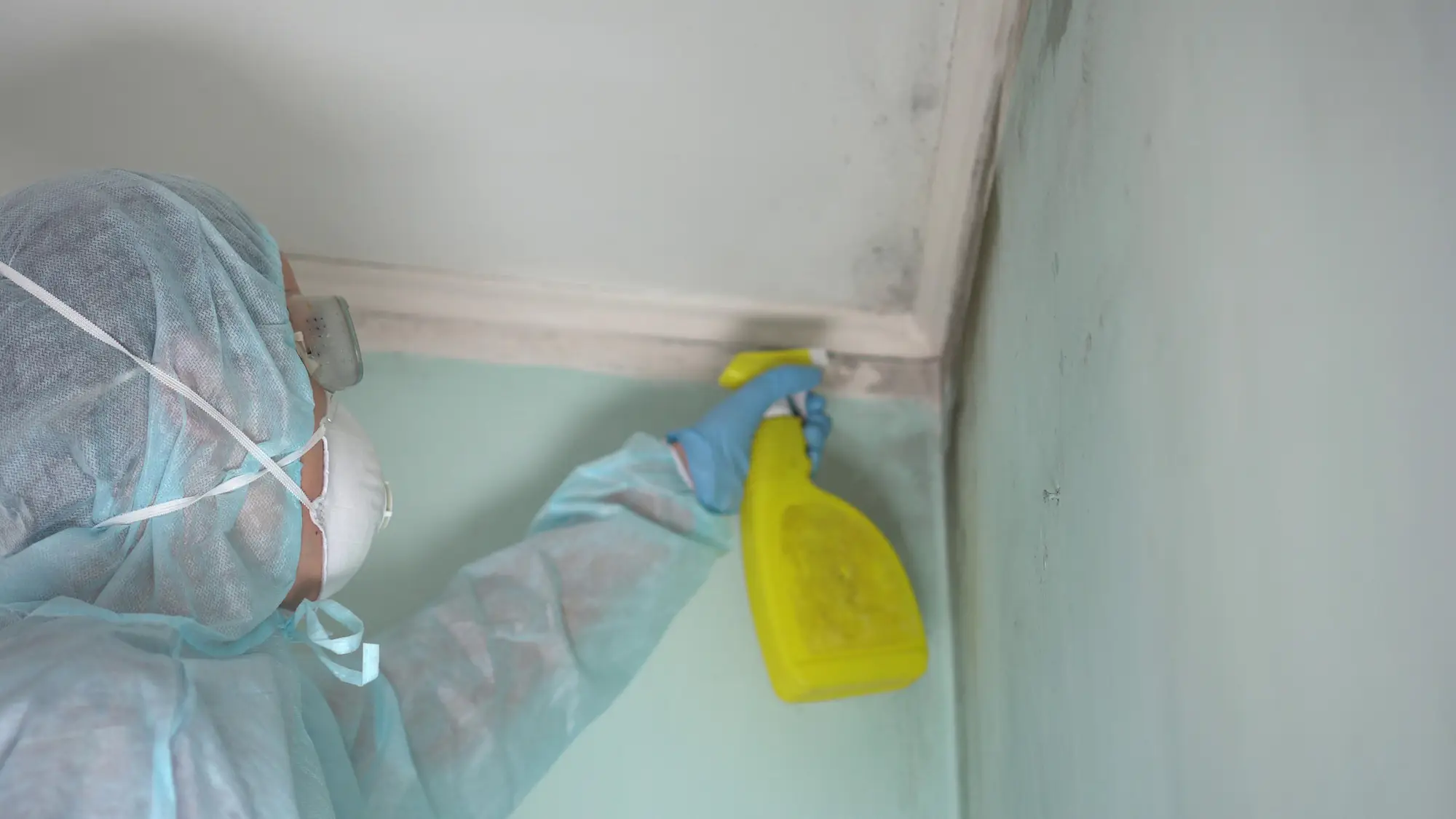
Ready to get started?
You get a free initial inspection to assess the situation. No pressure, no surprise fees, just a clear picture of what needs to happen.
Our certified mold removal specialists conduct comprehensive testing using professional equipment that detects mold you can’t see. We check behind walls, in ductwork, under flooring, and in crawl spaces where mold typically hides in Bensalem homes.
The remediation process includes full containment, safe removal of contaminated materials, antimicrobial treatment, air scrubbing, and post-cleanup verification testing. We also help identify the moisture source causing the problem, whether it’s a leaky pipe, poor ventilation, or humidity issues common in Bucks County.
We coordinate directly with your insurance company and handle the paperwork. Many homeowners insurance policies cover mold removal when it’s caused by covered events like burst pipes or storm damage.
You also get 24/7 emergency response when needed. Mold doesn’t keep business hours, and neither do we. If you’ve got a water damage situation that could lead to mold growth, we can respond immediately to prevent a bigger problem.

Most mold remediation projects in Bensalem run between $1,200 and $3,400, with the average around $2,200. The final cost depends on how much area is affected, what type of mold you’re dealing with, and whether there’s structural damage that needs repair.
A small bathroom mold problem might cost $500 to $1,500. A basement with widespread growth could run $3,000 to $6,000. If mold has spread through your HVAC system or affected multiple floors, costs can go higher.
The size of the job matters, but so does the approach. Cheap mold removal that doesn’t address the moisture source means you’ll be paying again in six months when it comes back. Proper remediation costs more upfront but saves you money long-term because it actually solves the problem.
A typical mold removal job in a Bensalem home takes two to five days, depending on the extent of contamination and how much material needs to be removed. Small, contained areas like a bathroom might be done in one to two days. Larger projects involving basements or multiple rooms can take a week or more.
The timeline includes inspection and testing, containment setup, removal and treatment, air scrubbing, and post-remediation verification. We don’t rush through steps just to finish faster. Each phase needs proper time to ensure the mold is completely gone and won’t return.
If reconstruction is needed after removal, that adds time. Replacing drywall, flooring, or other materials can extend the project by several days. We’ll give you a realistic timeline upfront so you know what to expect.
It depends on what caused the mold. If mold growth resulted from a covered event like a burst pipe, roof leak during a storm, or appliance malfunction, most homeowners insurance policies in Pennsylvania will cover remediation costs.
If the mold developed because of long-term neglect, poor maintenance, or ongoing moisture problems you didn’t address, insurance typically won’t cover it. Insurers distinguish between sudden accidents and gradual damage you should have prevented.
We work directly with insurance companies and help with the claims process. We document everything, provide detailed reports, and communicate with adjusters to streamline approval. Even if insurance doesn’t cover the full cost, we’ll help you understand what’s covered and what isn’t before work begins.
You can handle very small surface mold on non-porous materials like tile or glass. If it’s less than 10 square feet, visible, and hasn’t penetrated materials, DIY cleaning with proper protection might work.
But most mold problems in Bensalem homes go deeper than what you can see. Mold grows behind walls, under flooring, and in HVAC systems. DIY cleaning misses hidden growth and often spreads spores to unaffected areas because you’re not using proper containment.
If you’re dealing with black mold, if the affected area is larger than 10 square feet, if mold has damaged materials like drywall or insulation, or if you have health issues that make mold exposure risky, hire certified mold removal specialists. The cost of doing it right the first time is less than the cost of doing it wrong twice.
Bensalem’s climate creates ideal conditions for mold. Pennsylvania’s humid summers combined with temperature swings and proximity to the Delaware River mean homes deal with moisture issues year-round. Mold needs moisture, warmth, and organic material to grow, and Bensalem homes provide all three.
Basements are the most common problem areas because they’re naturally damp and often poorly ventilated. Older homes near Street Road were built with less effective moisture barriers than modern construction. Attics with inadequate ventilation trap humid air. Bathrooms and kitchens without proper exhaust fans accumulate moisture.
The specific causes vary. Leaky pipes, roof damage, foundation cracks, poor grading around your home, malfunctioning gutters, and even everyday activities like cooking and showering all contribute moisture. If that moisture doesn’t have a way to escape, mold moves in. Fixing the moisture source is just as important as removing the mold itself.
Visible growth is the obvious sign. Black, green, or white patches on walls, ceilings, or in corners usually mean you’ve got mold. But you can have a serious problem without seeing anything.
Smell is a major indicator. That musty, earthy odor in your basement or a specific room often means mold is growing somewhere you can’t see. If the smell gets stronger when you run your HVAC system, mold might be in your ductwork.
Health symptoms are another clue. If you or your family experience persistent coughing, sneezing, headaches, or respiratory issues that improve when you leave the house, mold exposure could be the cause. People with asthma or mold allergies react more severely.
Water damage history matters too. If you’ve had leaks, flooding, or persistent moisture problems in the past year, there’s a good chance mold has started growing even if you can’t see it yet. Professional mold inspection and testing can detect hidden growth before it becomes a bigger problem.
Other Services we provide in Bensalem