
Hear from Our Customers

Once your ducts are clean and clear, the difference is noticeable fewer musty smells when the system kicks on, fewer mornings where someone in the house wakes up congested for no obvious reason, and a lot less wondering what’s actually moving through your air. That matters in any home. It matters more in Bensalem.
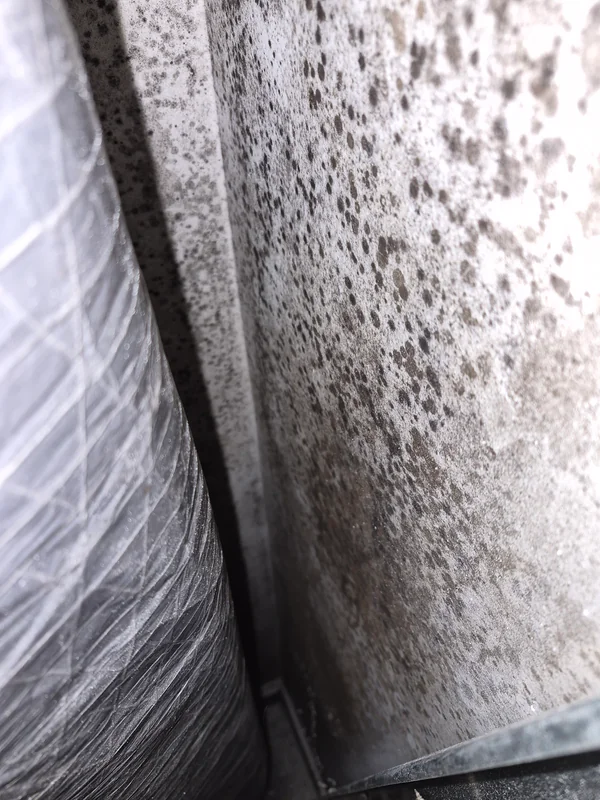
This township sits along the Delaware River and Neshaminy Creek, and it floods. Lafayette Gardens, Hansell Drive near Street Road, the older blocks in Cornwells Heights these aren’t abstract flood-risk zones, they’re neighborhoods where water has come through basements and crawl spaces, left moisture behind, and created exactly the conditions where mold takes hold in HVAC systems. When your system runs after that kind of event, it doesn’t know the difference between clean air and contaminated air. It just moves whatever’s there.
Bensalem also averages 66% relative humidity in July and August. That’s the kind of sustained moisture level that feeds mold growth fast, especially in the aging ductwork common in homes built in the 1960s and 70s which describes a significant portion of this township’s housing stock. Getting your ducts professionally cleaned and verified isn’t routine maintenance here. It’s a direct response to where you live.
We’re not a regional franchise that dispatches a crew from somewhere across the county. Mack’s Mold Removal & Inspections is based in Bensalem at 1646 Bridgewater Road and has been serving Bucks County homeowners for over 15 years. That kind of tenure in one market means something. It means we’ve seen what Bensalem homes actually deal with: the post-flood mold cycles in Cornwells Heights, the humidity that rolls off the Delaware every summer, the older ductwork in split-levels and ranchers that were built decades before anyone thought to clean them.
What separates us from a standard HVAC duct cleaning company is our mold remediation background. Certified inspectors handle every job, and the process doesn’t end when the cleaning does affected areas are tested after the work to confirm the mold is actually gone, not just disturbed. Our customers have noted this specifically in reviews, and it’s the kind of step that makes a real difference when you’re dealing with a recurring moisture problem rather than a one-time dust buildup.

It starts with a free inspection. Before anything is quoted or scheduled, a certified inspector takes a look at your system the ductwork, the registers, the areas most likely to harbor mold given your home’s age and history. In Bensalem, that inspection often focuses on whether the home has experienced any water intrusion, because that’s the single biggest driver of mold inside HVAC systems here. Homes near the Street Road corridor, along Bristol Pike, or in the older Cornwells Heights blocks are flagged for this specifically.
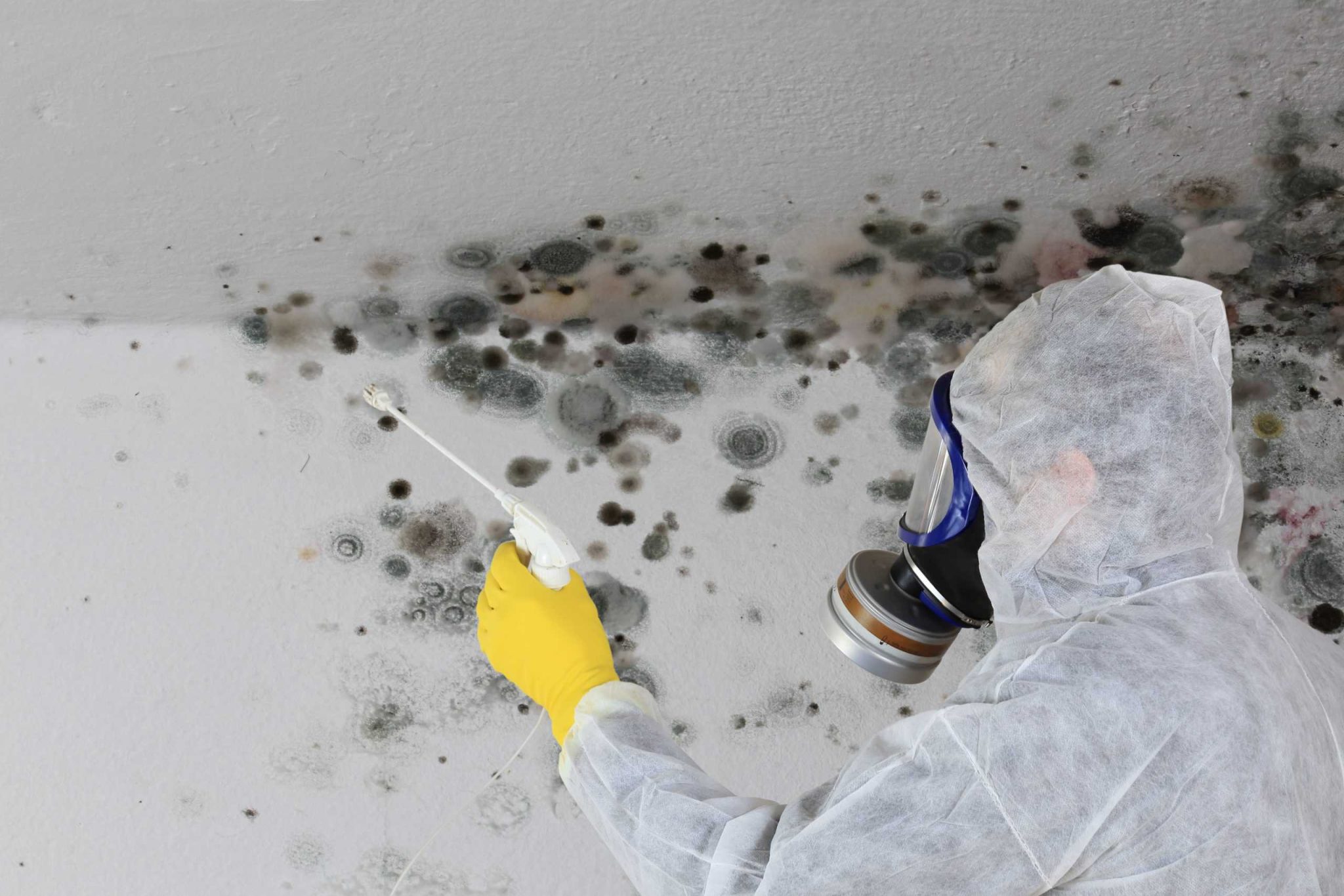
If mold is found, the process follows remediation protocols not just a vacuum pass. That means containment to prevent spores from spreading during the cleaning, proper removal of biological contamination, and treatment of the duct surfaces. If the concern is dryer vent buildup rather than mold, the process shifts accordingly: a full inspection of the vent run, clearing of lint accumulation, and verification that the exhaust path is unobstructed. In the attached housing and townhome communities built across Bensalem in the 1970s and 1980s, dryer vents are frequently routed through tight configurations where the transition hose gets crushed or kinked that’s a fire risk, and we address it directly.
After the work is done, post-cleaning testing confirms the results. You get documentation, not just a handshake. Pricing is upfront before the job starts, and financing is available if the scope is larger than expected.
Ready to get started?
Air duct cleaning covers the full system both supply and return ducts, not just the registers you can see. Any company that only cleans one side of the system is leaving half the problem behind. We clean the complete ductwork, identify the source of any contamination, and document what was found.
Air duct sanitizing is a separate step that follows mechanical cleaning. Once the physical debris and mold growth are removed, an antimicrobial treatment is applied to the duct surfaces to address any remaining biological contamination. This step matters in Bensalem specifically because of the combination of river humidity and the I-95 diesel particulate that gets pulled indoors every time your system runs. Mechanical cleaning alone doesn’t neutralize what’s embedded in the duct walls sanitizing does.
Dryer vent cleaning is also available and is particularly relevant in Bensalem’s townhome and attached housing communities. The compact laundry configurations common in neighborhoods like Neshaminy Valley where dryers get pushed against walls and flexible transition hoses get crushed or kinked create lint buildup that’s a documented fire hazard. The NFPA reports over 15,000 dryer-related house fires per year, and failure to clean the vent is the leading cause. We address the full vent run, not just the accessible section. And if your situation involves insurance which it often does after flood-related mold damage in Bensalem we work directly with insurance companies to help navigate the claims process.
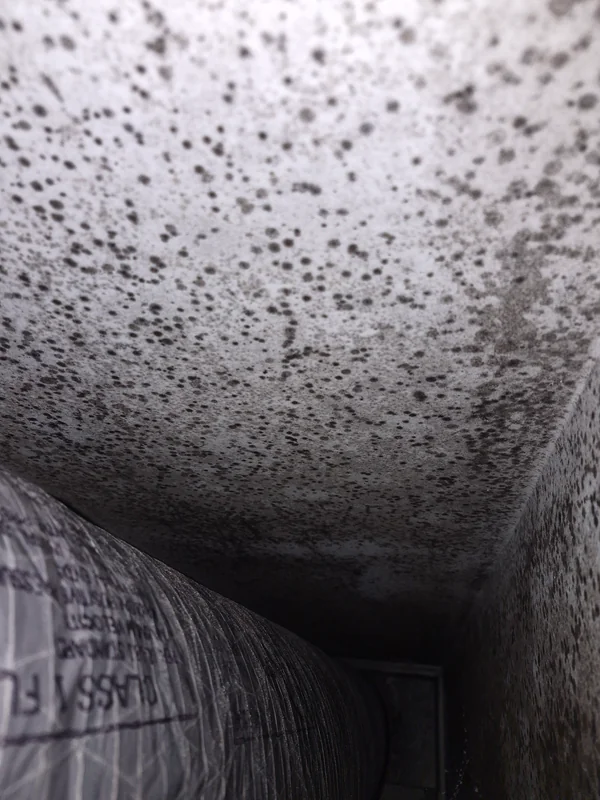
The most common sign is a musty smell that shows up specifically when your HVAC system turns on not a general basement smell, but something that moves through the vents and hits you in the living areas. That’s a strong indicator that mold is growing somewhere inside the duct system and getting distributed every time air moves through it.
Other signs include visible discoloration around registers, worsening allergy or asthma symptoms that seem tied to being indoors, or a history of water intrusion in your home. In Bensalem, that last factor is especially relevant. If your basement has taken on water even once, even years ago there’s a reasonable chance moisture reached the ductwork or the areas immediately surrounding it. The same goes for homes near Neshaminy Creek or in flood-prone corridors like Cornwells Heights.
The only way to know for certain is a proper inspection. We offer free inspections, so there’s no cost to finding out and if there’s nothing there, you’ll know that too.
Yes, and sooner rather than later. When water enters a basement, it raises the moisture level in the surrounding environment including the air that your HVAC system draws in and pushes through the ductwork. If the system was running during or after the flood event, it’s very likely that mold spores from the damp areas were pulled into the duct system and deposited along the interior walls. From there, every heating or cooling cycle distributes those spores to the rest of the house.
This is one of the most common patterns we see in Bensalem. The Delaware River and Neshaminy Creek make flooding a recurring reality for a significant portion of the township, and many homeowners address the visible water damage without realizing the HVAC system has been compromised. Getting the ducts inspected after any flooding event even minor basement seepage is a straightforward way to catch that problem before it spreads further.
It depends on what’s actually in your system, which is why the inspection step matters more than the cleaning itself. The EPA’s position on routine duct cleaning absent a specific problem is that the evidence of general air quality improvement is mixed. But that’s a different question than whether you should clean ducts that have confirmed mold growth, verified pest activity, or significant debris blocking airflow. In those cases, cleaning is clearly warranted.
For Bensalem homeowners, the relevant question is usually not “do I have dust in my ducts” but “did my ducts get contaminated after a flood, or has years of river humidity created mold growth I can’t see.” Those are specific, answerable questions and a free inspection from a certified mold specialist gives you a real answer instead of a guess. If there’s nothing there, you’ll know. If there is something, you’ll know exactly what you’re dealing with before spending anything.
For most homes, a thorough air duct cleaning takes somewhere between four and six hours. That timeframe covers the full system both supply and return ducts along with the inspection, containment setup if mold is present, and post-cleaning verification. Homes with larger square footage, more complex duct layouts, or significant contamination may run longer.
In Bensalem’s older housing stock the split-levels, ranchers, and Cape Cods built in the 1960s and 70s duct systems were often installed without the kind of access points that make cleaning straightforward. That can add time to the job, but it doesn’t change the scope of what needs to be done. Cutting corners on a partial cleaning isn’t worth it, especially when the reason you’re cleaning is mold rather than routine maintenance. The job takes as long as it takes to do it right, and you’ll know the timeline before the crew arrives.
Cleaning and sanitizing are two separate steps that address two different problems. Cleaning is the mechanical process using professional equipment to physically remove dust, debris, mold growth, and other buildup from the interior surfaces of your ductwork. It’s the foundation of the job, and it needs to happen first.
Sanitizing comes after. Once the physical contamination is removed, an antimicrobial treatment is applied to the duct surfaces to eliminate any remaining biological material mold spores, bacteria, and other contaminants that mechanical cleaning alone doesn’t fully address. In Bensalem’s environment, where 66% summer humidity and proximity to the Delaware River create sustained moisture conditions inside HVAC systems, sanitizing is often the step that makes the difference between a problem that stays solved and one that comes back. If your system has had any mold growth, doing the cleaning without the sanitizing step leaves the door open for regrowth.
Yes, dryer vent cleaning is part of our service menu, and it’s something Bensalem homeowners particularly those in townhomes and attached housing should take seriously. The townhome communities built across Bensalem in the 1970s and 1980s, including neighborhoods like Neshaminy Valley, typically have compact laundry configurations where the dryer gets positioned close to the wall. That pushes the flexible transition hose into a bend or crush, which restricts airflow and causes lint to accumulate faster than it would in a straight-run vent.
A clogged or restricted dryer vent is a fire hazard not a maintenance inconvenience. The NFPA documents over 15,000 dryer-related house fires per year in the U.S., and the leading cause is failure to clean the vent. We clean the full vent run, check the transition hose configuration, and confirm the exhaust path is clear before the job is done. If you’re in one of Bensalem’s attached housing communities and haven’t had the vent cleaned in the past year or two, it’s worth having it looked at.
Other Services we provide in Bensalem