
Mold Inspection in Buckingham, PA

Find Hidden Mold Before It Costs You Thousands

Advanced detection technology catches problems early, protecting your family’s health and your property investment in Buckingham.
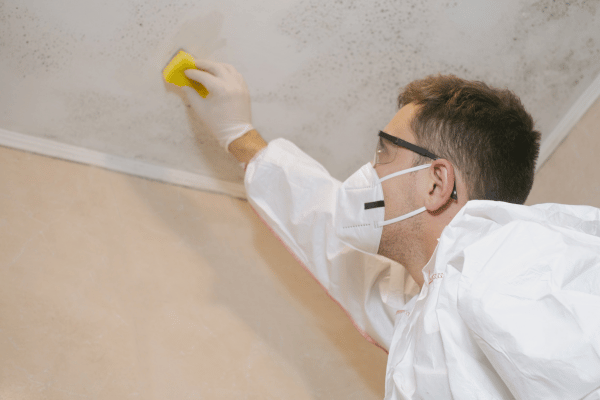
Protective worker in safety suit inspecting or treating mold spots on an indoor ceiling, addressing moisture damage and potential mold growth inside a building.

Hear from Our Customers

Professional Mold Detection Services

What Early Detection Actually Saves You

You’re not just paying for someone to look around with a flashlight. A real mold inspection finds what you can’t see—the growth behind walls, under floors, and in crawl spaces that’s already affecting your air quality.

Here’s what that means for you: catching mold early typically costs $350 for an inspection versus $3,000 to $10,000 for remediation later. In severe cases, you’re looking at $30,000 or more. The math isn’t complicated.

But it’s not just about money. Mold exposure causes respiratory issues, persistent headaches, skin irritation, and fatigue that mysteriously improves when you leave the house. If you’ve noticed any of these symptoms, or if there’s a musty smell you can’t quite place, you’re already past the point where guessing makes sense.

Buckingham’s humid summers create ideal conditions for mold growth. With median home values around $550,000 in this area, undetected mold can reduce your property value by 20-37%. That’s a potential $110,000 to $200,000 loss on your investment.

Certified Mold Inspectors Buckingham

Local Inspectors Who Know Bucks County Homes

We serve Buckingham and the surrounding Bucks County area with certified inspectors who understand how local climate affects your home. We’ve seen what Pennsylvania’s humidity and temperature swings do to properties—especially older homes near the Delaware River and newer construction that wasn’t properly waterproofed.

Our team uses infrared thermal imaging cameras, digital moisture meters, and air sampling equipment that actually detects problems. Not the kind of surface-level visual check that misses 90% of the issue.

We send samples to certified laboratories for analysis, and you get phone access to mycologists if you have questions about the results. That’s the level of thoroughness you need when nearly half of Pennsylvania homes have mold problems.

Protective worker collecting a mold sample from a stained indoor ceiling using a swab, inspecting moisture damage and potential mold growth inside a building.

Home Mold Inspection Process

Here's Exactly What Happens During Your Inspection

First, we do a complete visual assessment of your property. That includes attics, basements, crawl spaces, bathrooms, and anywhere moisture tends to accumulate. We’re looking for visible growth, water stains, and conditions that support mold development.

Next comes moisture detection. We use specialized meters to measure moisture levels in walls, floors, and ceilings. High readings tell us where mold is likely growing even if you can’t see it yet.

Then we use infrared cameras to identify temperature differences that indicate moisture problems or hidden water damage. This technology shows us what’s happening behind surfaces without tearing into your walls.

We collect air samples and surface samples from suspected problem areas. These go to an independent laboratory for analysis. You’ll get a detailed report identifying specific mold species, concentration levels, and health risks.

The whole process typically takes 2-3 hours depending on your home’s size. You’ll have results within a few days, along with clear recommendations on what needs to happen next—if anything.

Home interior with mold remediation in progress as a worker sprays treatment on a wall using a ladder, while a resident relaxes on a covered sofa in a renovated living room.

Ready to get started?

Explore More Services

About Mack's Mold Removal

Black Mold Inspection Buckingham

What's Included in Your Mold Inspection

You get a thorough examination of your entire property, not just the obvious problem areas. We check HVAC systems, which often spread mold spores throughout your home. We inspect behind appliances, under sinks, around windows, and in any space where moisture and organic materials meet.

The inspection includes moisture mapping of your property. This shows you exactly where water is accumulating and why. In Buckingham, we often find issues related to basement seepage, roof leaks from storm damage, and condensation problems in poorly ventilated attics.

Laboratory analysis identifies whether you’re dealing with common molds or more dangerous species like Stachybotrys (black mold). The concentration levels tell us how serious the problem is. Some mold is normal in any home—it’s the type and amount that matters.

You’ll receive a written report with photos, lab results, and specific recommendations. If remediation is needed, we give you a detailed scope of work and upfront pricing. No hidden fees. No surprises.

We also offer 24/7 emergency service because mold doesn’t wait for business hours. If you’ve just discovered significant growth or had a water event, time matters. Materials need to dry within 24-48 hours to prevent mold establishment.

How much does a mold inspection cost in Buckingham, PA?

A basic mold inspection starts at $350 and includes a complete visual assessment, moisture detection, and laboratory analysis of collected samples. That’s significantly less than most homeowners expect, especially considering what you’re getting.

The price varies based on your home’s size and the extent of testing needed. A 2,000 square foot home with a suspected problem in one area costs less than a 4,000 square foot property requiring multiple air samples and extensive moisture mapping.

Here’s the important part: we offer free initial inspections to assess your situation. That means you can get a professional opinion without any financial commitment. We’ll tell you honestly whether you need full testing or if your concerns don’t warrant it.

Compare that $350 to the $3,000-$10,000 average cost of mold remediation, and the inspection is cheap insurance. Catching problems early always costs less than dealing with extensive contamination later.

The most obvious sign is visible growth—black, green, or white patches on walls, ceilings, or other surfaces. But visible mold is often just the tip of the problem.

A persistent musty or earthy smell is a major red flag, especially if you can’t identify the source. Mold produces volatile organic compounds that create that distinctive odor. If you smell it, there’s growth somewhere.

Health symptoms that improve when you leave the house are another clear indicator. Respiratory issues, persistent sinus problems, headaches, skin irritation, or unexplained fatigue can all stem from mold exposure. If multiple family members are experiencing these symptoms, take it seriously.

Water damage history means you should get an inspection even if you don’t see or smell anything. Previous leaks, flooding, or even high humidity can create hidden mold problems. Buckingham’s humid summers make this especially relevant—your home might have conditions supporting mold growth without any obvious signs.

DIY test kits have significant limitations that often lead homeowners to wrong conclusions. Most kits only test the air in one location at one point in time. Mold spore counts fluctuate throughout the day and vary dramatically between rooms.

These kits also can’t tell you where the mold is growing or how extensive the problem is. You might get a positive result but have no idea whether it’s coming from a small patch in your bathroom or major contamination in your walls.

Professional inspection uses multiple testing methods—visual assessment, moisture detection, thermal imaging, and strategic sampling from suspected problem areas. We’re not just checking if mold exists (it exists in every home to some degree), we’re determining the type, concentration, and source.

The other issue with DIY kits is interpretation. Getting lab results back without professional context doesn’t tell you what action to take. Is the mold level dangerous? Does it require immediate remediation? A certified inspector can answer those questions and provide a clear path forward.

Most residential mold inspections take 2-3 hours depending on your home’s size and the complexity of the situation. A straightforward inspection of a 2,000 square foot home with one suspected problem area goes faster than a 4,000 square foot property requiring extensive testing.

The inspection itself is just the first part. After we collect samples, they go to a certified laboratory for analysis. You’ll typically have results within 3-5 business days. That includes a detailed report identifying mold species, concentration levels, and specific recommendations.

If you need faster results due to a real estate transaction or urgent health concerns, expedited laboratory processing is available. We can often get preliminary results within 24-48 hours for an additional fee.

The timeline matters because mold grows quickly in the right conditions. If you’ve had recent water damage, waiting weeks for answers isn’t realistic. That’s why we offer free initial inspections—we can assess your situation immediately and determine how quickly you need full testing and results.

If we find mold, you’ll get a detailed report explaining exactly what we discovered, where it’s located, what species are present, and how serious the contamination is. Not all mold findings require extensive remediation—sometimes the solution is straightforward.

Small areas of surface mold (less than 10 square feet) can often be cleaned by homeowners following proper protocols. We’ll tell you exactly how to do it safely if that’s the case. You’re not paying for services you don’t need.

Larger contamination or mold inside walls, HVAC systems, or other hidden areas requires professional remediation. We’ll provide a detailed scope of work and upfront pricing before any work begins. You’ll know exactly what needs to happen and what it costs.

The report also identifies the moisture source causing the mold growth. Removing mold without fixing the underlying water problem means it’ll just come back. We address both issues—eliminating existing growth and preventing future problems. That’s the only approach that actually works long-term.

Yes, we work with insurance companies regularly and can help you navigate the claims process. Mold coverage varies significantly between policies, and understanding what’s covered requires looking at your specific policy language.

Most homeowners insurance covers mold if it resulted from a covered peril—like a burst pipe or storm damage. It typically doesn’t cover mold from long-term maintenance issues like a slow leak you ignored. The distinction matters for your claim.

We provide detailed documentation that insurance companies need: photos, moisture readings, lab results, and a clear scope of work with pricing. This documentation supports your claim and speeds up the approval process.

Here’s what helps: contact your insurance company as soon as you discover a problem, before getting an inspection. They’ll tell you their specific requirements and whether they need to send their own adjuster. We can coordinate with their team to make sure everyone has the information they need. Getting this process right from the start prevents claim denials and delays.

Other Services we provide in Buckingham