
Mold Inspection in Torresdale Manor, PA

Find Hidden Mold Before It Costs You Thousands

Professional mold detection services that locate hidden growth, identify the moisture source, and give you a clear path forward—no guesswork, no surprises.
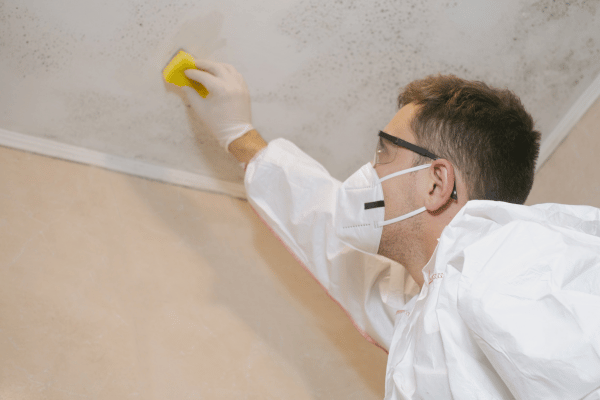
Protective worker in safety suit inspecting or treating mold spots on an indoor ceiling, addressing moisture damage and potential mold growth inside a building.

Hear from Our Customers

Home Mold Inspection Services Near You

What You Get When Mold Isn't Hiding Anymore

You stop wondering if that musty smell in your basement is actually a problem. You stop worrying about what’s growing behind your walls or under your floors. You get answers—real ones—backed by thermal imaging, moisture meters, and air sampling that shows you exactly where mold is, how bad it is, and what’s feeding it.

Most homeowners in Torresdale Manor don’t realize they have a mold problem until it’s already spread. By then, you’re looking at remediation costs that could’ve been avoided. A professional mold inspection catches growth early, before it damages your drywall, ruins your insulation, or tanks your home’s value.

You also get documentation. If you’re filing an insurance claim or preparing to sell your home, you need proof. Our inspections give you detailed reports that show what’s happening, where it’s happening, and what needs to happen next. That’s not just peace of mind—that’s protection.

Mold Detection Company Torresdale Manor Trusts

We've Been Doing This for Over 20 Years

We’ve spent two decades inspecting homes across Bucks County. We know the area. We know how Philadelphia’s humidity, aging housing stock, and poor ventilation create perfect conditions for mold. We know that almost every basement here needs a dehumidifier, and we know what happens when moisture gets ignored.

We’re IICRC-certified, which means we follow the highest standards in the industry. But more than that, we’re local. We’ve worked in hundreds of homes just like yours. We’ve seen what happens when mold gets missed during a home inspection, and we’ve helped families fix problems that other companies didn’t even know to look for.

You’re not hiring a national chain that doesn’t understand Torresdale Manor. You’re hiring people who live here, work here, and have built a reputation on getting it right.

Protective worker collecting a mold sample from a stained indoor ceiling using a swab, inspecting moisture damage and potential mold growth inside a building.

Our Mold Inspection Process Explained

Here's Exactly What Happens During Your Inspection

We start with a visual assessment. That means checking the obvious spots—basements, bathrooms, crawl spaces, attics—but also the places most people don’t think to look. Around windows. Behind appliances. Near HVAC systems. Anywhere moisture can hide.

Then we use thermal imaging and moisture meters to find what you can’t see. Mold grows in wall cavities, under flooring, and inside ductwork. If there’s moisture, we’ll find it. If there’s mold, we’ll map it.

Next comes air sampling and surface testing. We collect samples from different areas of your home and send them to a lab. This tells us what type of mold you’re dealing with, how concentrated it is, and whether it’s affecting your indoor air quality. You get a full report that breaks down the findings in plain language.

Finally, we walk you through the results. We explain what we found, what’s causing it, and what your options are. If remediation is needed, we’ll tell you what that looks like. If it’s something you can handle on your own, we’ll tell you that too. No upselling. Just honest answers.

Home interior with mold remediation in progress as a worker sprays treatment on a wall using a ladder, while a resident relaxes on a covered sofa in a renovated living room.

Ready to get started?

Explore More Services

About Mack's Mold Removal

Black Mold Inspection and Detection Services

What's Included in Every Mold Inspection We Do

Every inspection includes a full visual assessment of your property, moisture mapping with professional-grade equipment, and air quality testing to measure spore levels. We check basements, crawl spaces, attics, bathrooms, kitchens, and any area where water or humidity could be an issue.

In Torresdale Manor, we see a lot of older homes with stone foundations, poor drainage, and ventilation systems that weren’t designed for today’s humidity levels. Those homes need more than a quick walkthrough. We use infrared cameras to detect temperature differences that indicate moisture intrusion. We test behind walls and under floors. We inspect HVAC systems for mold growth that’s circulating through your air.

You’ll receive a detailed report that includes photos, lab results, moisture readings, and our recommendations. If we find mold, we’ll identify the source—whether it’s a roof leak, a plumbing issue, condensation, or something else. Fixing the source is the only way to keep mold from coming back, and that’s where most companies get it wrong.

We also offer free consultations. If you’re not sure whether you need an inspection, call us. We’ll ask the right questions and help you figure out the next step without charging you for the conversation.

How much does a mold inspection cost in Torresdale Manor?

Most mold inspections in the area run between $300 and $1,000, depending on the size of your home and how extensive the testing needs to be. A basic inspection for a smaller home with one or two areas of concern will cost less than a full-home assessment with multiple air samples and lab testing.

We offer free consultations to help you understand what level of inspection makes sense for your situation. If you’re buying a home and just need peace of mind, that’s different from dealing with visible mold growth or a recurring moisture problem. We’ll walk you through the options and give you a clear price before we start any work.

Keep in mind that catching mold early can save you thousands in remediation costs. The average cost to remove mold ranges from $1,150 to $3,400, but severe cases can hit $20,000 or more. An inspection is a small investment compared to what you’ll pay if the problem spreads.

Musty odors are the biggest giveaway. If your basement, bathroom, or any room in your home smells damp or earthy, there’s a good chance mold is growing somewhere. You might not see it, but you’re smelling the microbial volatile organic compounds (MVOCs) that mold releases as it grows.

Visible mold is another obvious sign—black spots on walls, green or white patches on grout, discoloration on ceilings or around windows. But visible mold is just the surface. If you can see it, there’s usually more hiding behind the drywall or under the flooring.

Water damage, even old water damage, is a red flag. If you’ve had a leak, a flood, or even persistent condensation, mold can start growing within 24 to 48 hours. You should also get an inspection if you’re experiencing unexplained respiratory issues, allergies, or asthma symptoms that get worse when you’re home. Mold exposure affects everyone differently, but it’s not something you want to ignore.

You can buy DIY mold test kits at hardware stores, but they won’t give you the full picture. Most of those kits just tell you that mold is present—which isn’t helpful, because mold spores exist in almost every home. What you need to know is what type of mold it is, how much of it there is, and where it’s coming from.

Professional mold inspections use calibrated equipment that measures moisture levels, airflow, temperature, and spore concentration. We use thermal imaging to detect hidden moisture and air sampling to measure what you’re actually breathing. Lab analysis identifies the specific mold species, which matters because some types are more harmful than others.

More importantly, we find the source. A DIY test might confirm that you have mold in your bathroom, but it won’t tell you that the real problem is a slow leak inside your wall or a ventilation issue that’s creating condensation. Without fixing the source, the mold will keep coming back no matter how many times you clean it.

Most inspections take between one and three hours, depending on the size of your home and how many areas need testing. A small condo with one problem area might only take an hour. A larger home with a basement, attic, and multiple moisture concerns could take closer to three.

We don’t rush it. We’re checking every high-risk area, using moisture meters and thermal imaging to map out problem zones, and collecting air and surface samples for lab testing. If we find something, we take the time to trace it back to the source—whether that’s a roof leak, a plumbing issue, or a ventilation problem.

You’ll get the lab results within a few days, and we’ll schedule a follow-up call to walk you through the findings. From there, you’ll know exactly what you’re dealing with and what your options are. The whole process from inspection to results usually wraps up within a week.

Mold inspection is the diagnostic phase. We’re figuring out if you have mold, where it is, what type it is, and what’s causing it. We test, measure, document, and report. We don’t remove anything during an inspection—we’re just gathering information so you can make an informed decision.

Mold remediation is the removal and cleanup phase. That’s when we actually remove the mold, fix the moisture problem, and restore the affected areas. Remediation can involve anything from cleaning surfaces and removing contaminated materials to repairing leaks and improving ventilation.

You need an inspection first because you can’t fix a mold problem without understanding what’s causing it. If you just clean up the visible mold without addressing the moisture source, it’ll grow back. That’s why so many homeowners end up dealing with recurring mold—they treated the symptom, not the cause. An inspection gives you the full picture so the remediation actually works.

It depends on what caused the mold. Most homeowners insurance policies cover mold removal if the mold resulted from a “covered peril”—like a burst pipe, a sudden roof leak, or storm damage. If the mold is the result of long-term neglect, poor maintenance, or gradual moisture buildup, insurance usually won’t cover it.

That’s why documentation matters. If you file a claim, your insurance company will want proof of what happened, when it happened, and what the damage looks like. Our inspection reports include detailed findings, photos, moisture readings, and lab results—everything you need to support your claim.

Even if insurance doesn’t cover the full cost of remediation, an inspection can still save you money by catching the problem early. The longer mold grows, the more expensive it is to remove. And if you’re buying or selling a home, a professional mold inspection protects you from surprises that could kill the deal or cost you thousands after closing.

Other Services we provide in Torresdale Manor