
Hear from Our Customers
Mold doesn’t just sit there. It spreads through your air, gets into your lungs, and makes everyone in your house feel worse over time. Kids cough more. Allergies flare up. Asthma gets harder to manage.
When we remove mold, we’re not just scrubbing surfaces. We’re using moisture meters and thermal imaging to find where it’s actually growing—even the spots you can’t see. Then we eliminate the source so it doesn’t just reappear in three months.
You’ll notice the difference in how your home smells, how your family feels, and how much easier it is to breathe. That’s what happens when the mold is actually gone, not just covered up.
Mack’s Mold Removal works exclusively on mold problems in Torresdale Manor and throughout Bucks County. We’re not a general restoration company that does mold on the side. This is what we do.
We understand how Bucks County’s humid summers and older home construction create perfect conditions for mold growth. Basements with poor ventilation, crawl spaces with moisture issues, bathrooms without proper exhaust—we’ve seen it all in this area.
You’re working with certified mold experts who use professional-grade equipment and follow EPA guidelines. We also help with insurance claims because we know most homeowners don’t realize their policy might not cover mold damage until it’s too late.
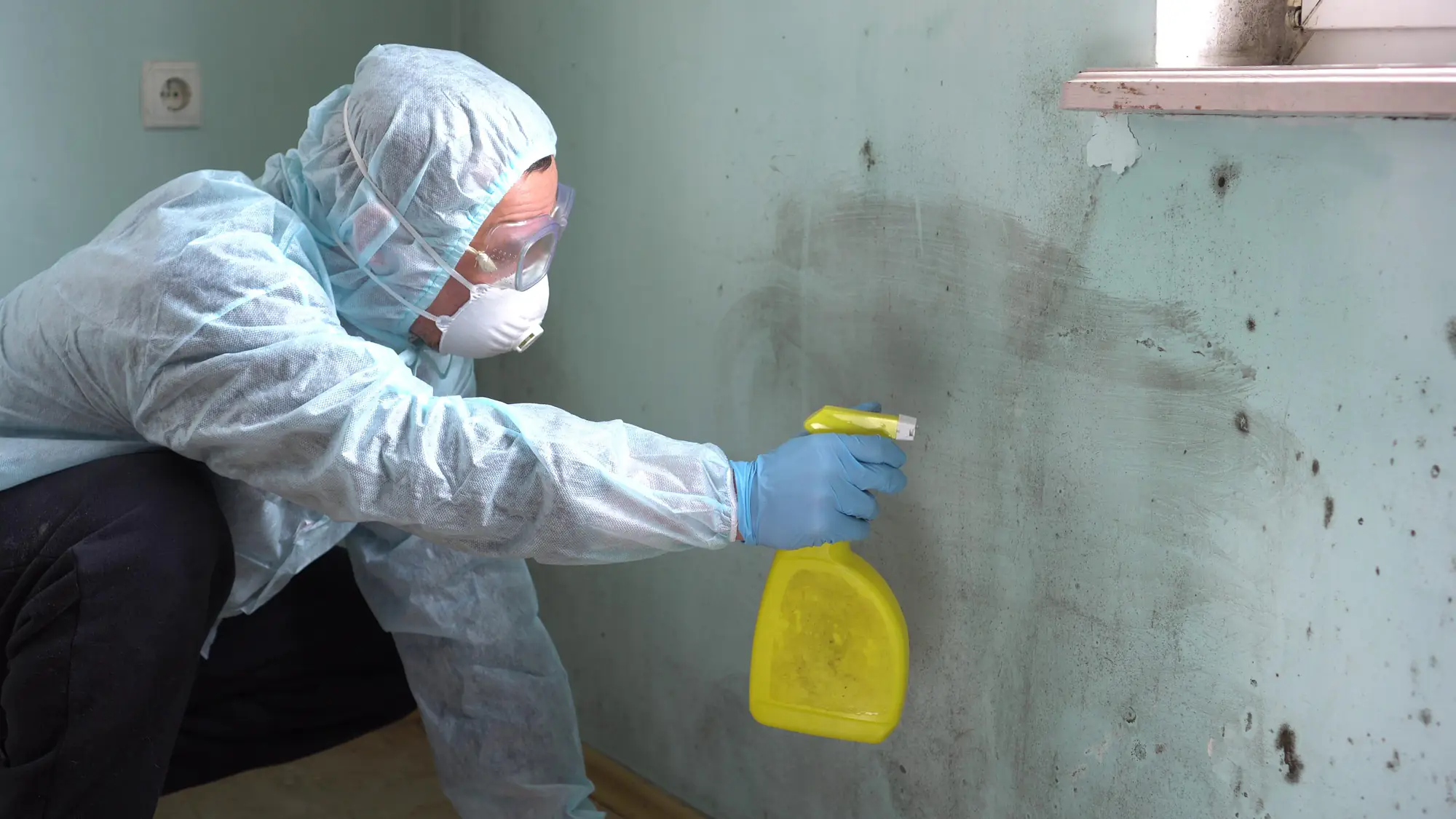
First, we come out for a free inspection. We’re looking for visible mold, but more importantly, we’re using moisture meters and infrared cameras to find what’s hidden. Most mold problems start behind walls, under flooring, or in areas you’d never think to check.
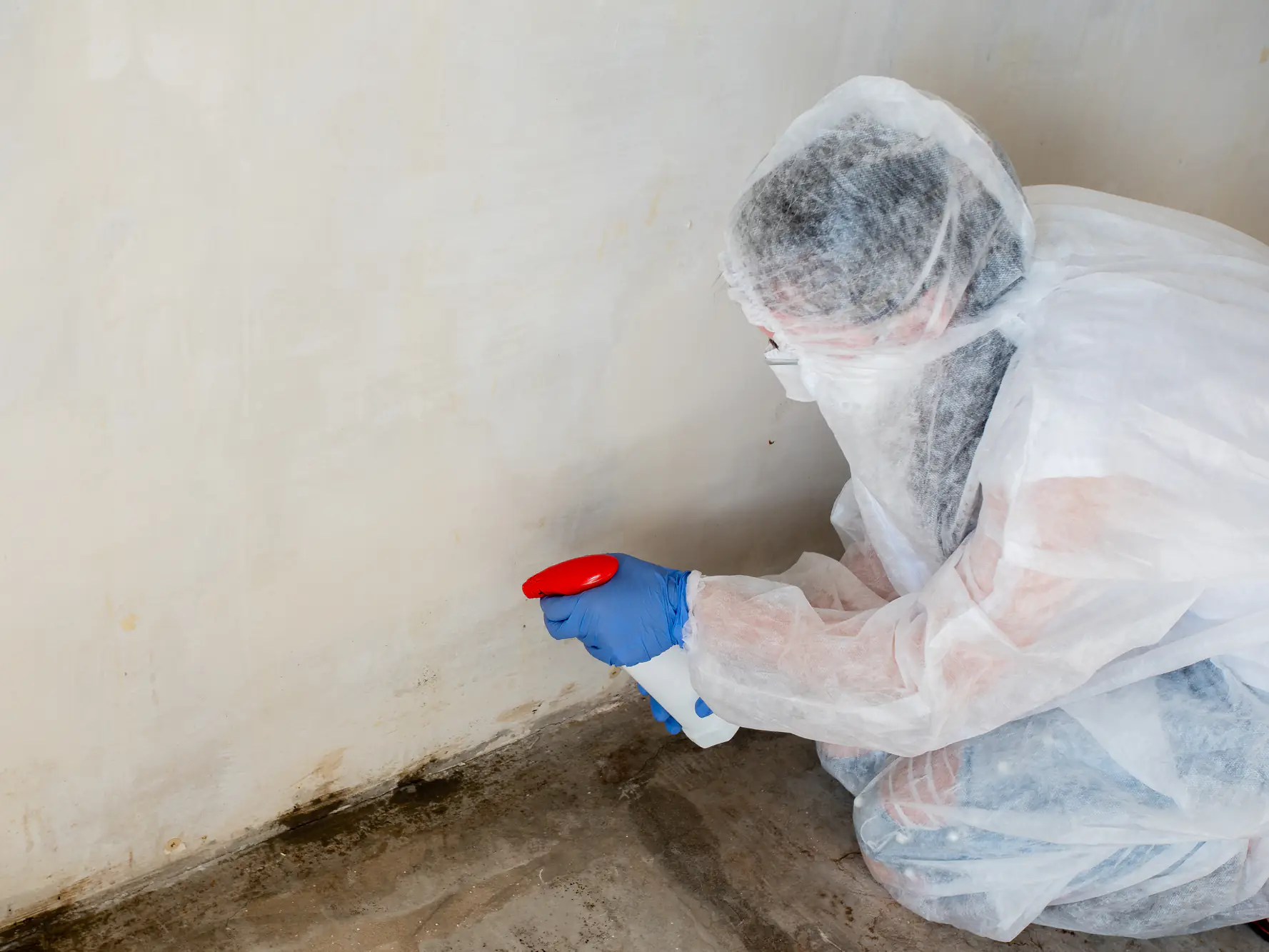
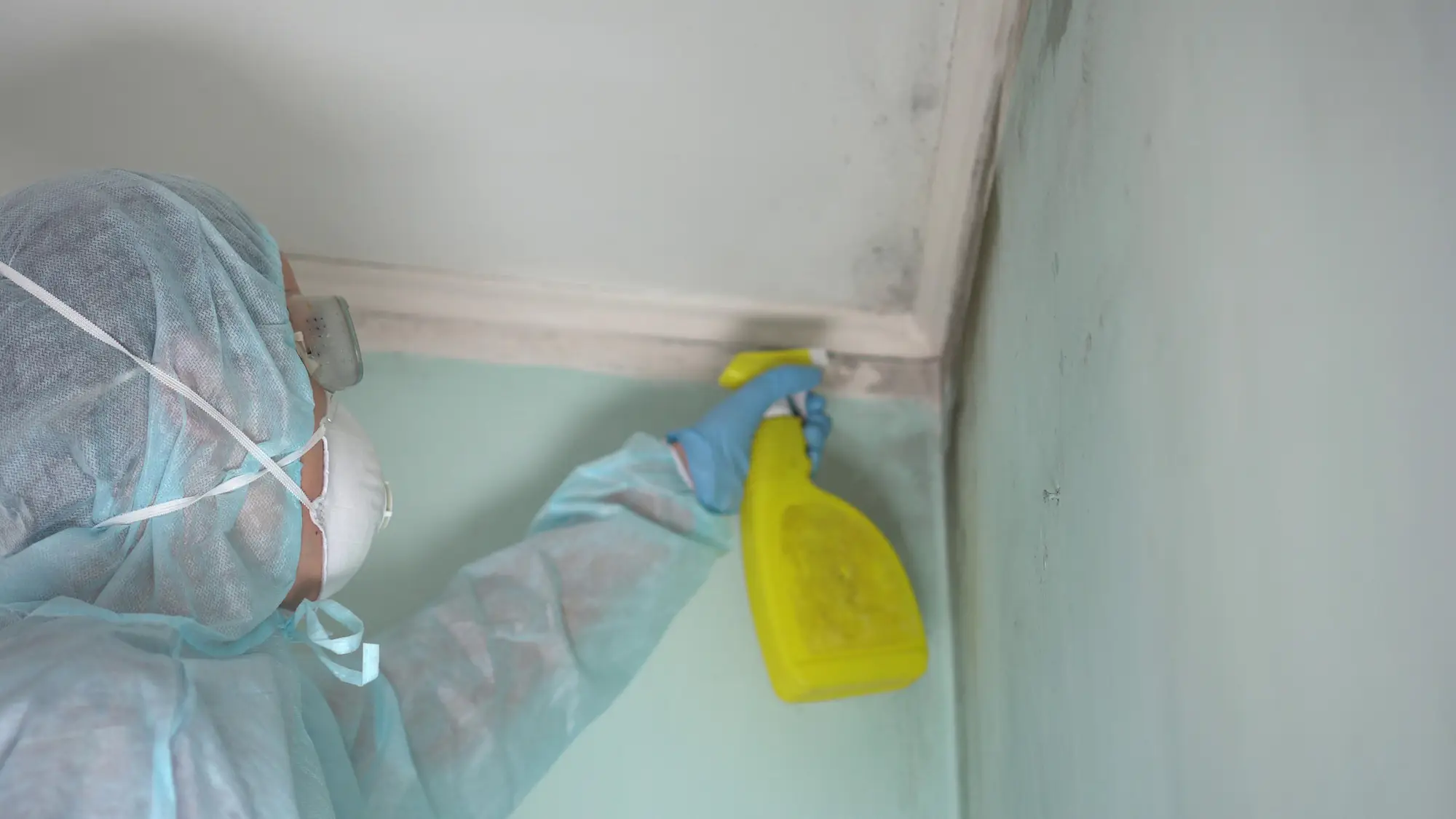
Once we know what we’re dealing with, we contain the area to prevent spores from spreading to other parts of your home. Then we remove the mold using HEPA filtration and proper removal techniques—not just bleach and hope.
But here’s the part that matters most: we find and fix the moisture source. Could be a leaky pipe, poor ventilation, or water seeping through your foundation. If we don’t fix that, the mold comes back. We document everything for your records and insurance, then verify the air quality before we’re done.
Ready to get started?
Every job includes a thorough inspection with advanced detection technology. We test your indoor air quality and identify exactly what type of mold you’re dealing with. Black mold requires different handling than common mildew.
In Torresdale Manor, we see a lot of basement mold issues due to the age of homes in this area. Many were built before modern moisture barriers and ventilation standards. We address those underlying problems, not just the mold itself.
You also get complete documentation for insurance purposes. We photograph everything, provide detailed reports, and work directly with your insurance company when coverage applies. The average mold remediation costs between $1,500 and $9,000 depending on severity, but insurance may cover a portion if the cause is sudden and accidental.
We improve your air quality, reduce health risks for your family, and protect your property value. Homes with documented mold problems are harder to sell and worth less money.

You’ll usually smell it before you see it—that musty, earthy odor that doesn’t go away. But smell alone isn’t enough to know how serious it is.
Look for visible signs like dark spots on walls, ceilings, or around windows. Check areas that stay damp: basements, bathrooms, under sinks, around HVAC systems. If anyone in your house has unexplained respiratory issues, chronic coughing, or worsening allergies, that’s another red flag.
Here’s what most people don’t realize: mold grows behind walls, under carpets, and in places you can’t easily inspect. By the time you see it on a surface, there’s usually more hiding. That’s why we use thermal imaging and moisture detection during inspections. We find the full scope of the problem, not just what’s visible. If you’re noticing any of these signs, get a free inspection. Waiting only makes it worse and more expensive to fix.
You can handle very small areas—like a little mildew on a shower curtain. But if you’re looking at mold covering more than a few square feet, or if it’s in your HVAC system, walls, or flooring, DIY is risky.
Here’s why: disturbing mold releases spores into your air. Without proper containment and filtration, you’re spreading the problem to other rooms. You’re also breathing in high concentrations of spores, which is dangerous, especially if it’s black mold.
Most DIY attempts fail because people treat the symptom, not the cause. You can scrub mold off a wall, but if there’s a moisture problem behind that wall, it grows back in weeks. We use HEPA filtration, containment barriers, and professional-grade antimicrobials. More importantly, we find and fix the moisture source—the leaky pipe, the ventilation issue, whatever is feeding the mold. That’s the difference between a temporary fix and actually solving the problem.
It depends on what caused the mold. Most standard policies don’t automatically cover mold damage, which surprises a lot of homeowners.
If the mold resulted from a sudden, accidental event—like a burst pipe or storm damage—you’ve got a better chance of coverage. But if it’s from long-term neglect, poor maintenance, or slow leaks you didn’t address, insurance typically won’t pay.
That’s why documentation matters. We provide detailed reports, photos, and evidence of the source. We’ve worked with insurance companies throughout Bucks County and know what they need to process claims. Some policies have mold coverage limits, often around $10,000, so even with coverage you might have out-of-pocket costs. We’ll walk you through the claims process and give you the documentation you need. The worst thing you can do is start removal before documenting everything—that can void your claim entirely.
Most residential jobs take between three to five days, but it varies based on how extensive the problem is and where the mold is growing.
A contained bathroom mold issue might only take a day or two. A basement with widespread growth behind drywall and insulation could take a week or more. We need time for proper containment, removal, treating affected areas, fixing the moisture source, and verifying air quality before we call it done.
The EPA says mold can start growing within 24 to 48 hours after water damage, so speed matters. But rushing the job just means it comes back. We balance urgency with thoroughness. You’ll know the timeline after our initial inspection—we don’t drag things out, but we also don’t cut corners. The goal is to do it once and do it right, not have you calling us back in six months because the problem returned.
Mold affects everyone differently, but respiratory issues are the most common. Chronic coughing, sneezing, throat irritation, and eye irritation happen even with short-term exposure.
For people with asthma, mold makes everything worse. Studies show that infants exposed to mold in their first year have nearly three times the risk of developing asthma. About 21% of asthma cases in the U.S. are linked to dampness and mold in homes.
Black mold—Stachybotrys chartarum—is particularly nasty. Prolonged exposure can cause severe respiratory distress, chronic fatigue, and in extreme cases, neurological issues. Kids, elderly family members, and anyone with compromised immune systems are most vulnerable. Even if you’re healthy, breathing mold spores daily isn’t something your body can just handle indefinitely. The longer you’re exposed, the worse the symptoms get. That’s why we prioritize fast response times and thorough removal—your family’s health isn’t something to gamble with.
Prevention is about controlling moisture. Mold needs water to grow, so if you eliminate the moisture source, you eliminate the mold’s ability to return.
We identify what’s causing the dampness—leaking pipes, poor ventilation, foundation cracks, humidity issues—and fix it. Sometimes that means improving bathroom exhaust systems, sealing basement walls, or repairing plumbing. We don’t just remove mold and leave you with the same conditions that caused it.
We also treat affected areas with antimicrobial solutions that inhibit future growth. In Bucks County’s humid climate, we often recommend dehumidifiers for basements and crawl spaces, especially in older homes without modern moisture barriers. Regular maintenance helps too: check for leaks, keep gutters clear, ensure proper ventilation in bathrooms and kitchens. We’ll give you specific recommendations based on what we find in your home. The key is addressing root causes, not just symptoms.
Other Services we provide in Torresdale Manor