
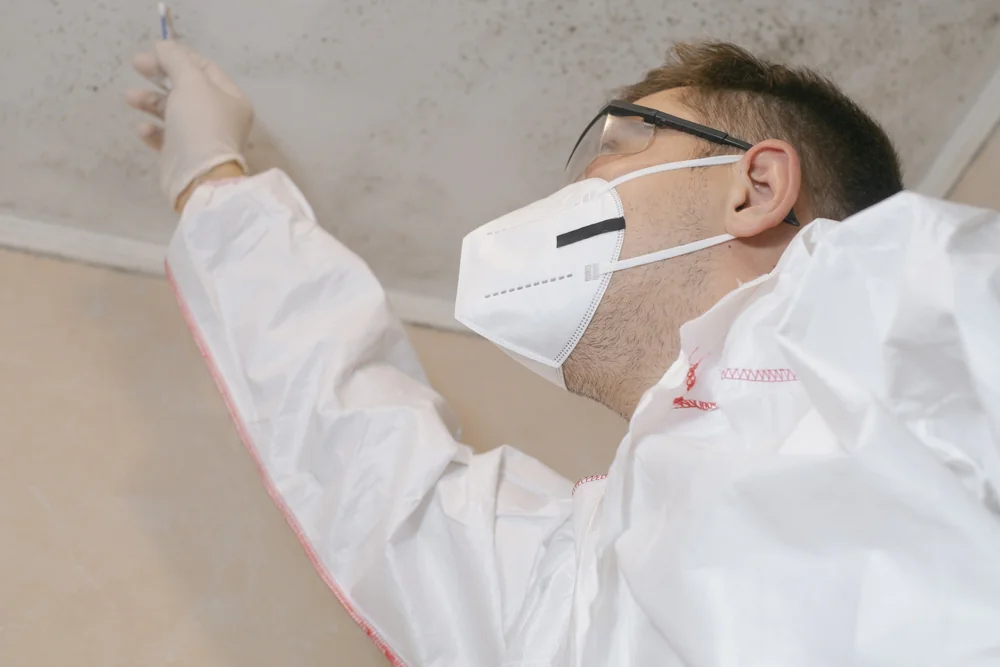
Hear from Our Customers
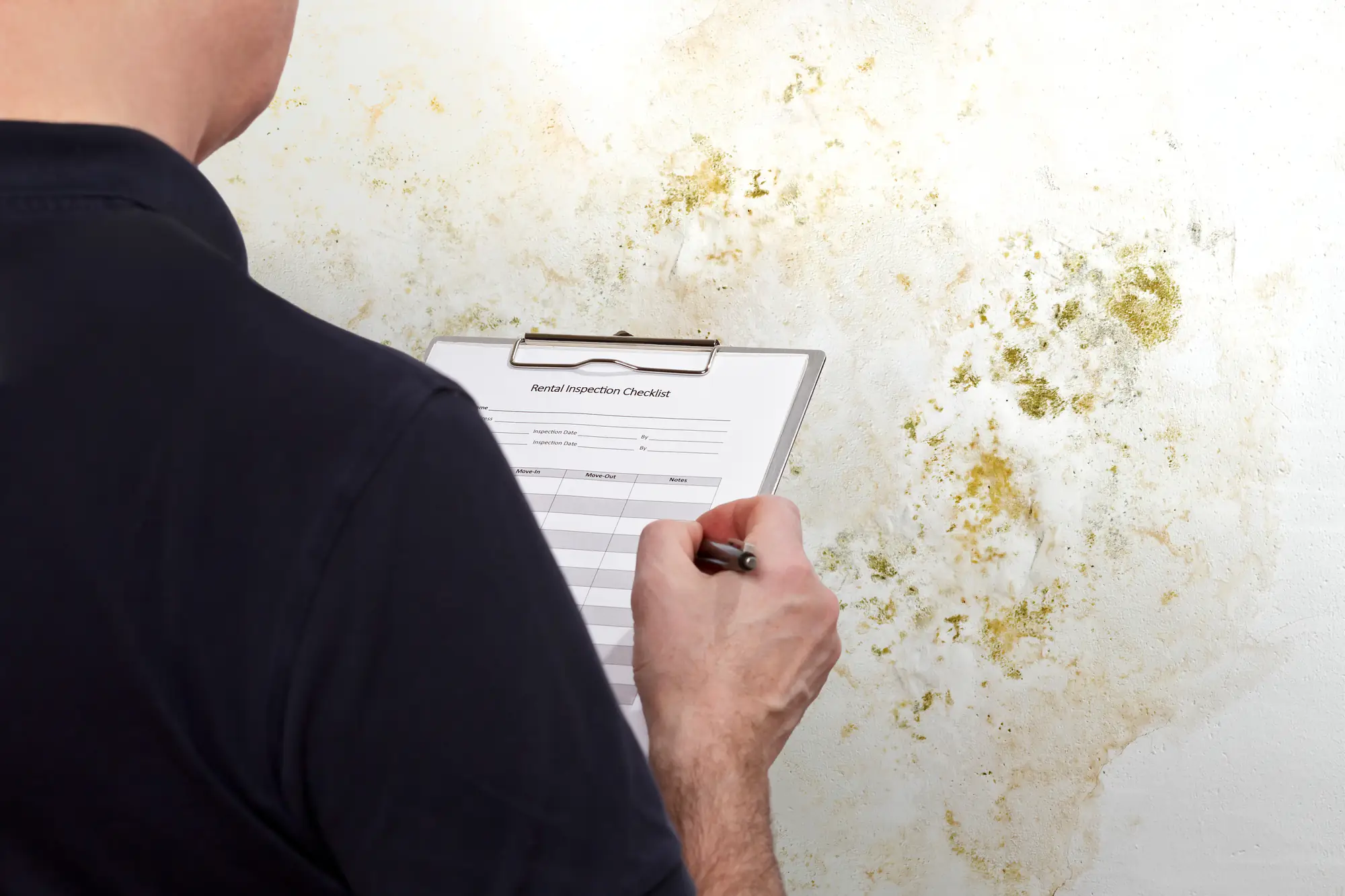
You’re not looking for someone to tell you everything’s fine when it’s not. You need to know if there’s mold, where it is, what kind it is, and what it’s going to take to fix it.
A real mold inspection gives you that clarity. We use thermal imaging to spot moisture behind walls. We test your air quality to measure what you’re actually breathing. We document everything so you have proof for insurance if you need it.
Most people call us because something feels off. A musty smell that won’t go away. A water leak that happened months ago. Allergies that get worse at home. In Croydon Heights, where nearly half the homes face flood risk over the next 30 years, those gut feelings are usually right.
You’ll get lab results that show exactly which mold species are present and at what concentration. Not a guess. Not a visual estimate. Actual data you can use to make decisions about your home and your family’s health.
We focus on one thing: accurate mold detection. We’re not an emergency restoration company trying to upsell you on services you might not need.
Our inspectors are certified and trained to find mold in places most people never think to look. HVAC systems, crawl spaces, behind baseboards, under flooring. We’ve worked with enough homes in Bucks County to know exactly where moisture hides in older construction and newer builds alike.
The inspection takes one to two hours. We walk through with you, explain what we’re seeing, take samples, and send them to an independent lab. You get a full report within three to five business days. No pressure. No inflated recommendations. Just the facts about what’s happening in your home.
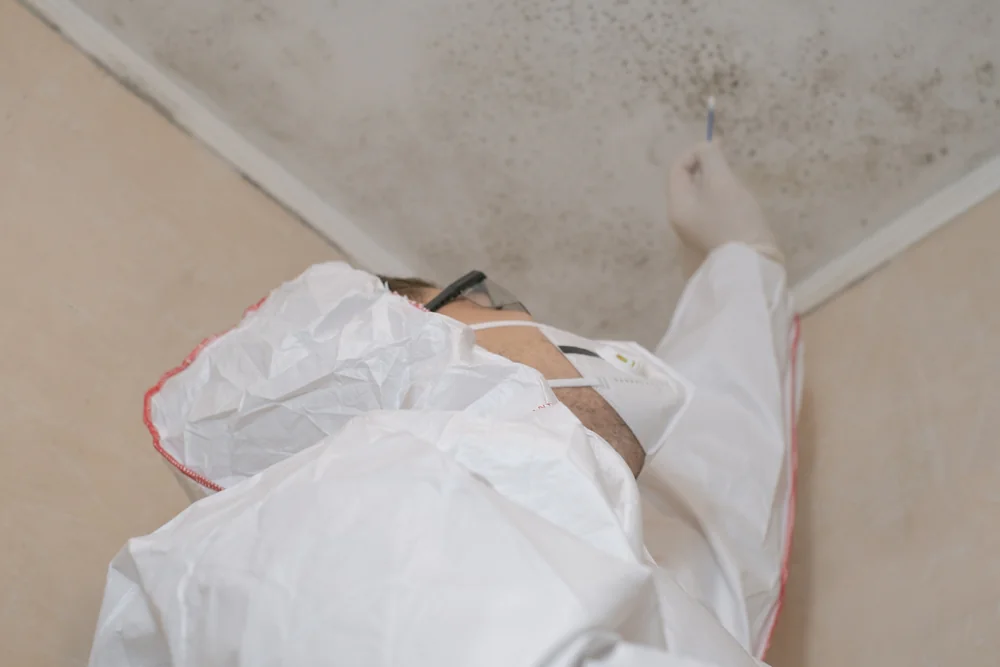
We start with a visual assessment of your entire property. That means checking every accessible area where mold typically grows: bathrooms, basements, attics, kitchens, around windows, near plumbing.
Then we bring out the equipment. Thermal imaging cameras detect temperature differences that indicate moisture behind walls or ceilings. Digital moisture meters measure exactly how wet building materials are. These tools find problems you can’t see with your eyes.
Next comes air quality testing. We take samples from multiple rooms and compare them to outdoor air. This tells us if you have elevated mold spore counts indoors and which types of mold are present. If we see visible growth or suspect contamination, we’ll also take surface samples for lab analysis.
Everything gets sent to a nationally recognized lab that specializes in mold identification. They measure spore concentration and identify species. You receive a comprehensive report that breaks down the findings in plain language, shows you where the problems are, and explains what the results mean for your home.

Ready to get started?
A complete home mold inspection covers visual examination, moisture mapping, air sampling, and surface testing when needed. We check your HVAC system because that’s where mold spreads fastest through a house.
In Croydon Heights, the climate matters. Pennsylvania’s precipitation has increased 5-10% in recent years. That means more moisture, more humidity, and more conditions where mold thrives. We account for that when we inspect your property.
You’ll receive documentation that insurance companies actually accept. If your mold problem stems from a covered event like a pipe burst or roof leak, having professional test results makes the claims process much smoother. We’ve worked with enough insurers to know what they require.
The inspection also includes a follow-up consultation. Once you have your lab results, we’ll walk you through them and answer your questions. If remediation is necessary, we’ll explain what that looks like. If it’s minor and you can handle it yourself, we’ll tell you that too. The goal is to give you accurate information, not to manufacture work.
Most standard mold inspections run between $400 and $600, depending on your home’s size and how many samples we need to take. Larger homes or properties with multiple problem areas may cost up to $800.
That price includes the full inspection, lab analysis, and a detailed report. There are no hidden fees for equipment use or report generation. You’ll know the cost upfront before we start.
Some companies offer free inspections, but they’re usually tied to remediation services. We charge for inspections because we’re not trying to sell you on a removal job. You’re paying for unbiased information about your property.
A mold inspection is the complete process: visual assessment, moisture detection, and identifying problem areas. Mold testing is the lab work that analyzes samples to determine species and concentration levels.
You need both for a complete picture. The inspection finds where mold is growing or likely to grow. The testing tells you what type of mold it is and whether the concentration is high enough to be a health concern.
Store-bought test kits only give you testing without the inspection. They can’t find hidden mold behind walls or under flooring. They also can’t tell you if the mold levels in your home are actually higher than normal outdoor levels, which is what really matters for health and remediation decisions.
Lab results typically come back within three to five business days. The lab needs time to culture samples and identify mold species under microscopy.
Air quality samples usually process faster than surface samples. If we’re testing for specific toxic molds like Stachybotrys (black mold), the lab may take the full five days to ensure accurate identification.
You’ll receive a comprehensive written report that includes spore counts, species identification, and comparison to outdoor baseline levels. We’ll schedule a follow-up call to review the findings and answer any questions about what the results mean for your home.
Home test kits can tell you if mold spores are present, but they can’t tell you where the mold is growing or how serious the problem is. Every home has some mold spores in the air. What matters is the concentration and location.
DIY kits also miss hidden mold. If you have growth inside walls, under carpets, or in your HVAC system, a test kit placed in the middle of a room won’t detect it. You’ll get a false sense of security while the problem gets worse.
Professional mold detection uses thermal imaging and moisture meters to find hidden problems before they become visible. We also take multiple samples from different areas to map out where contamination is concentrated. That’s information you can’t get from a single test kit.
If the home has any history of water damage, flooding, or moisture problems, absolutely. Standard home inspections don’t include mold testing or detailed moisture assessment.
Given that 45% of properties in Croydon Heights face severe flood risk over the next 30 years, a mold inspection is cheap insurance. Finding mold before you close gives you negotiating power. You can ask the seller to remediate, reduce the price, or walk away if the problem is severe.
Mold problems can drop property values by 20-37%. They can also kill deals entirely—about 50% of potential buyers walk away when they discover mold. Getting an inspection before you buy protects your investment and gives you a clear picture of what you’re actually purchasing.
The most common indoor molds in this area are Cladosporium, Penicillium, Aspergillus, and Alternaria. These grow in damp conditions and spread through HVAC systems.
Stachybotrys, commonly called black mold, is less common but more concerning. It grows on materials with high cellulose content like drywall and wood when they stay wet for extended periods. It produces mycotoxins that can cause respiratory problems and other health issues.
The specific types in your home depend on moisture sources and building materials. That’s why lab testing matters. Different molds require different remediation approaches. Some you can clean yourself with proper precautions. Others need professional containment and removal to prevent spreading spores throughout your house during cleanup.
Other Services we provide in Croydon Heights