
Hear from Our Customers
The musty smell disappears. Your kids stop coughing at night. You can finally stop worrying about what’s growing in places you can’t see.
That’s what happens when mold gets removed the right way. Not just scrubbed off the surface where it’ll grow back in three months. Actually eliminated, moisture source and all.
Most mold problems in Croydon Heights start in basements or crawl spaces where Pennsylvania’s humid summers meet poor ventilation. The older homes in this area weren’t built with modern moisture barriers, so water finds its way in through foundation cracks, around windows, or from condensation on cold pipes. Once mold takes hold, it spreads fast—colonizing new areas within 24 to 48 hours if conditions stay damp.
You need someone who knows how to find every affected area, contain it properly so spores don’t spread during removal, and fix the moisture problem that caused it. Otherwise you’re just cleaning up the same mess over and over.
We’ve worked in Bucks County homes since 2009. We’re IICRC certified, fully insured, and we’ve seen every type of mold problem these older Pennsylvania homes can throw at us.
We know the basements in this area. We know how spring flooding affects foundations here. We know which building materials in homes from the 1940s and 50s are most vulnerable to moisture damage.
That local experience matters when you’re trying to figure out where water is getting in and how to stop it for good. We’re not a national franchise reading from a script. We’re the team that shows up, finds the real problem, and fixes it so you don’t have to call us back next year.
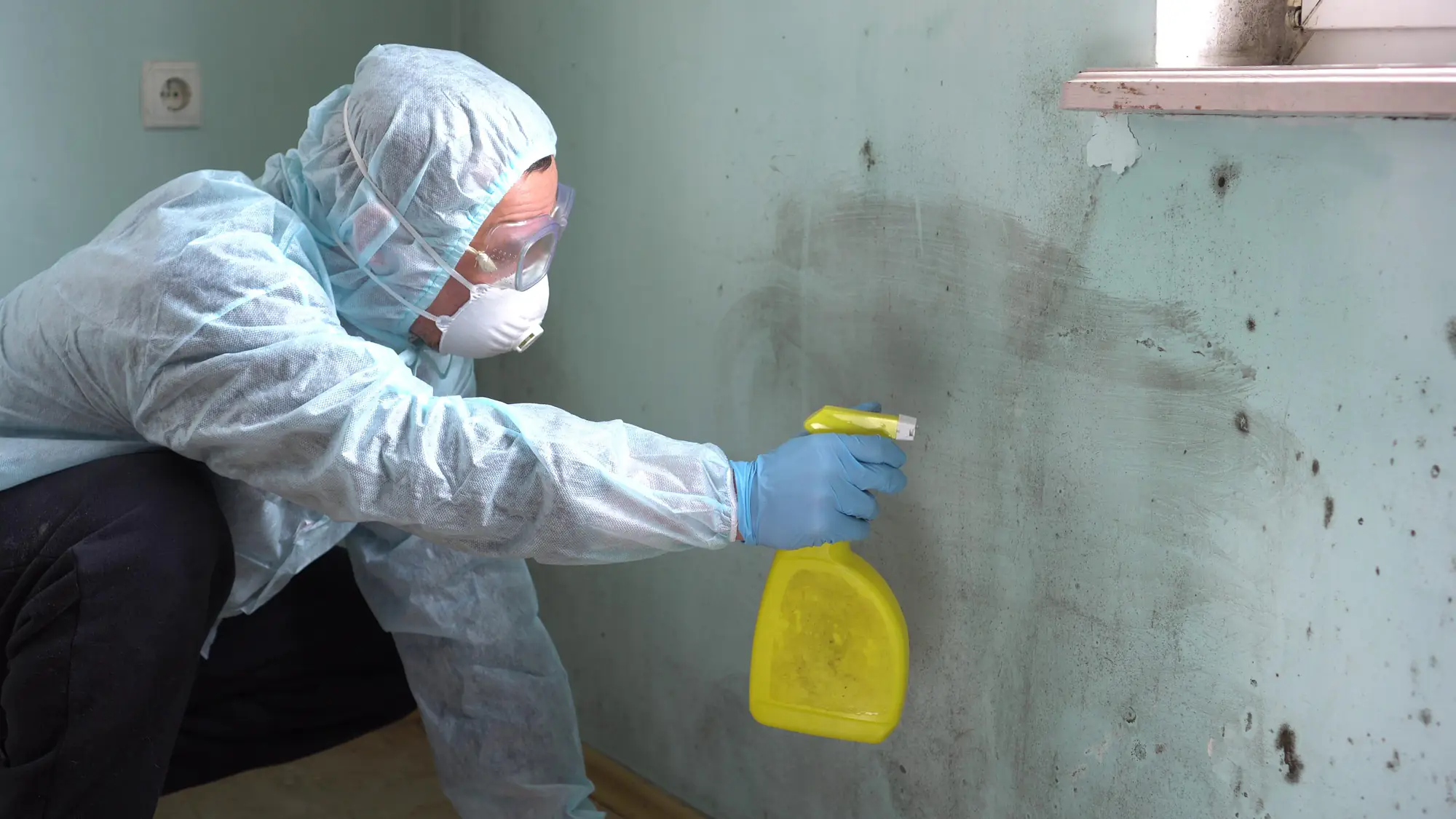
First, we inspect everything. Not just the obvious spots where you can see growth, but behind walls, above ceilings, in HVAC systems, and anywhere else moisture might be hiding. We use thermal imaging and moisture meters to find problems you can’t see with your eyes.
Then we contain the affected area with physical barriers and negative air pressure so mold spores don’t spread to clean parts of your home during removal. This step is critical and it’s where a lot of inexperienced companies cut corners.
We remove contaminated materials that can’t be saved, treat salvageable surfaces with antimicrobial solutions, and run HEPA filtration to clean the air. But here’s the part that actually matters: we identify and fix the moisture source. Leaking pipe, foundation crack, condensation problem, poor ventilation—whatever is causing the dampness gets addressed, or the mold just comes back.
After everything is dry and treated, we do clearance testing to verify the air quality is safe. Then we document everything for your insurance company if you’re filing a claim.
Ready to get started?
You’re paying for the inspection that finds hidden growth in your HVAC ducts or behind that wall that “just feels damp.” You’re paying for containment that actually works, so your bedroom doesn’t get contaminated while we’re cleaning your bathroom.
You’re paying for IICRC-certified technicians who know the difference between surface mold and a serious contamination event. You’re paying for the equipment that costs tens of thousands of dollars—industrial dehumidifiers, HEPA air scrubbers, thermal cameras, moisture mapping tools.
In Croydon Heights specifically, you’re also paying for someone who understands how these older homes behave. The plaster walls that trap moisture. The unfinished basements with dirt floors. The brick foundations that wick water up from the ground. Pennsylvania’s climate creates mold conditions that are different from what you’d see in Arizona or Colorado, and the remediation approach has to account for that.
We also handle the insurance paperwork, provide documentation for real estate transactions if you’re buying or selling, and back our work with a warranty. If moisture comes back from the same source we fixed, we come back too.

Most homeowners in Croydon Heights pay between $1,200 and $3,400 for professional mold remediation. A small bathroom or closet problem might cost $500 to $1,500. A full basement or crawl space remediation with structural repairs can run $5,000 or more.
The price depends on how much area is affected, what materials need to be removed, and how difficult it is to access the contaminated space. Mold behind finished drywall costs more to remediate than mold on an exposed concrete wall because we have to remove and replace the drywall.
Here’s what affects your final cost: square footage of contamination, type of materials affected (carpet and drywall cost less to replace than hardwood floors), whether the HVAC system is contaminated, how extensive the moisture damage is, and what structural repairs are needed to prevent recurrence. We provide free inspections and upfront pricing so you know exactly what you’re looking at before any work starts.
It depends on what caused the mold. If it grew because of a sudden, covered event like a burst pipe, roof leak during a storm, or appliance malfunction, most Pennsylvania homeowner policies will cover remediation costs.
If it grew because of long-term neglect, poor maintenance, or gradual moisture problems you didn’t address, insurance typically won’t cover it. Flood damage is also excluded from standard policies unless you have separate flood insurance.
The key is documentation and timing. If you discover water damage, you need to report it to your insurance company quickly and start the drying process within 24 to 48 hours. We help with the entire insurance claims process—we document everything with photos and moisture readings, we communicate directly with adjusters, and we provide detailed estimates that match what insurance companies expect to see. We’ve worked with every major insurance carrier and we know how to present a claim so it gets approved.
Musty odors are the biggest giveaway. If a room smells like mildew or wet cardboard, especially in your basement or bathroom, you’ve got mold growing somewhere even if you can’t see it.
Other signs include water stains on ceilings or walls, peeling paint or wallpaper, warped floors, condensation on windows, and persistent allergy symptoms that get worse when you’re home. If anyone in your house has unexplained respiratory problems, headaches, or skin irritation that improves when they leave the house, hidden mold could be the cause.
We find hidden mold using thermal imaging cameras that detect temperature differences behind walls where moisture is present, moisture meters that measure dampness inside building materials, and air quality testing that identifies elevated spore counts. The most common hiding spots in Croydon Heights homes are behind bathroom tiles, inside wall cavities near plumbing, in attics with roof leaks, in crawl spaces with dirt floors, and in HVAC systems where condensation accumulates. A professional inspection catches these problems before they become major remediation projects.
Mold removal is what you do with bleach and a sponge. Mold remediation is what professionals do to actually solve the problem.
Removal means cleaning visible mold off surfaces. It might look better temporarily, but if you didn’t fix the moisture source, the mold comes back within weeks or months. Remediation means identifying the full extent of contamination, containing it so spores don’t spread, removing materials that can’t be saved, treating salvageable surfaces with antimicrobial solutions, fixing the underlying moisture problem, and verifying with testing that the environment is safe again.
Here’s why this matters: mold spores are everywhere, all the time. They’re in the air outside and inside your home right now. The goal isn’t to eliminate every single spore—that’s impossible. The goal is to remove active growth, reduce spore counts to normal levels, and eliminate the moisture conditions that allow mold to colonize. Professional remediation addresses all three. DIY removal with store-bought products only addresses the first one, and usually not completely.
A small, contained problem like a moldy bathroom wall takes one to two days. A medium-sized job like a basement with multiple affected areas takes three to five days. Extensive contamination that requires structural repairs can take one to two weeks.
The timeline depends on how much area is contaminated, what materials need to be removed and replaced, how long it takes to dry everything out, and whether we’re waiting on insurance approval before proceeding. Drying is usually the longest part—we can’t treat surfaces or do final cleaning until moisture levels are back to normal, and that can take 48 to 72 hours depending on conditions.
We work as quickly as possible because we know you want your home back to normal, but we don’t cut corners on containment or drying time. Rushing the process just means the mold comes back and you have to pay for remediation twice. We’d rather do it right the first time, even if it takes a few extra days.
For small, isolated jobs, yes. If we’re remediating a single bathroom or closet and we can seal it off completely from the rest of your home, you can usually stay.
For larger jobs involving basements, multiple rooms, or HVAC system contamination, it’s better to stay somewhere else during active remediation. We use containment barriers and negative air pressure to prevent spores from spreading, but there’s still dust, noise, and disruption throughout the day.
If anyone in your household has respiratory issues, immune system problems, or mold allergies, we recommend staying elsewhere regardless of job size. Children under five and adults over 65 are also more vulnerable to mold exposure, so extra caution makes sense. We’ll give you an honest assessment during the inspection about whether staying is safe or if you should plan to be out for a few days. Your health isn’t worth the risk of trying to live around active remediation work.
Other Services we provide in Croydon Heights