
Mold Inspection in Langhorne, PA

Find Hidden Mold Before It Costs You Thousands

Professional mold detection services that locate problems behind walls, under floors, and in spaces you can’t see—protecting your family and your investment.
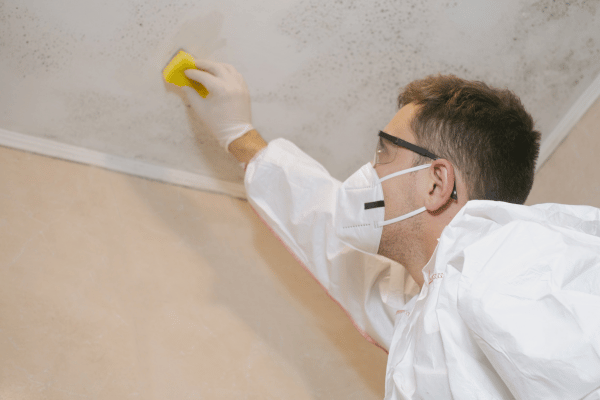
Protective worker in safety suit inspecting or treating mold spots on an indoor ceiling, addressing moisture damage and potential mold growth inside a building.

Hear from Our Customers

Home Mold Inspection Services Langhorne

Know Exactly What You're Dealing With

You can’t fix what you can’t see. That’s the problem with mold—it hides in crawl spaces, grows behind drywall, spreads through HVAC systems, and by the time you notice the musty smell or see visible growth, it’s already established.

A professional mold inspection gives you the full picture. We use thermal imaging to detect moisture patterns, air sampling to measure spore counts, and surface testing to identify mold types. You get laboratory results that tell you exactly what’s growing, where it’s growing, and how severe the problem is.

This matters when you’re buying a home in Langhorne and need leverage to negotiate repairs. It matters when your family’s dealing with unexplained allergies or respiratory issues. It matters when you’re trying to prevent a $3,000 remediation job from becoming a $10,000 disaster because the problem went undetected for another year.

You walk away with documentation, answers, and a clear path forward—whether that’s remediation, monitoring, or peace of mind that your home is clean.

Certified Mold Detection Company Langhorne

We've Been Finding Mold in Bucks County Since 1995

Mack’s Mold Removal has spent nearly three decades inspecting homes across Bucks County. We know what Langhorne’s humid summers do to basements. We know how older homes in the area trap moisture. We know the difference between surface mold you can wipe away and systemic problems that require professional remediation.

Our technicians are MICRO-certified, which means they’ve completed the industry’s most recognized training program for mold inspection and remediation. We’re fully licensed and insured with environmental pollution liability coverage—not just general liability, but the specific protection required for mold work.

Every inspection follows EPA guidelines. Every sample goes to an independent certified lab. You’re not getting a visual once-over from someone with a flashlight—you’re getting a methodical assessment using calibrated equipment and third-party analysis.

Protective worker collecting a mold sample from a stained indoor ceiling using a swab, inspecting moisture damage and potential mold growth inside a building.

Our Mold Inspection Process Langhorne

Here's What Happens During Your Inspection

We start with a visual assessment of your entire property—attic to basement, including areas most inspectors skip like crawl spaces and behind appliances. We’re looking for visible mold, water stains, condensation patterns, and conditions that support mold growth.

Next comes moisture mapping. We use infrared cameras and moisture meters to find elevated humidity levels inside walls, ceilings, and floors. Mold needs moisture to grow, so finding wet areas tells us where problems exist or are likely to develop.

Then we collect samples. Air samples measure airborne spore concentrations in different rooms and compare them to outdoor baseline levels. Surface samples identify specific mold species on walls, floors, or HVAC components. These samples go to a certified microbiology lab—not our lab, an independent one—for analysis.

You receive a detailed report within a few days. It includes lab results, moisture readings, photos of problem areas, and specific recommendations. If remediation is needed, the report outlines exactly what needs to happen. If your home is clear, you have documentation proving it.

Home interior with mold remediation in progress as a worker sprays treatment on a wall using a ladder, while a resident relaxes on a covered sofa in a renovated living room.

Ready to get started?

Explore More Services

About Mack's Mold Removal

Black Mold Inspection Langhorne PA

What's Included in a Professional Mold Inspection

You get a comprehensive property assessment that covers every area where mold typically grows—basements, bathrooms, kitchens, attics, crawl spaces, and HVAC systems. We inspect behind and under things, not just what’s visible from standing in the middle of a room.

Thermal imaging identifies temperature differentials that indicate moisture intrusion or poor ventilation. Moisture meters give exact readings of water content in building materials. These tools find problems before they’re visible to the naked eye.

Air quality testing measures mold spore concentrations throughout your home. In Langhorne, where humidity regularly tops 70% during summer months, elevated indoor spore counts are common in homes with poor ventilation or water damage history. Testing tells you if your indoor air quality is worse than outdoor air—a clear sign of an indoor mold source.

Surface sampling identifies the specific mold species present. This matters because different molds require different remediation approaches, and some species indicate more serious moisture problems than others. Lab analysis gives you scientific data, not guesswork.

You also get a written report suitable for real estate transactions, insurance claims, or legal documentation. It’s detailed enough to support remediation planning but written in plain language you can actually understand.

How much does a mold inspection cost in Langhorne, PA?

Most residential mold inspections in Langhorne run between $300 and $500, depending on your home’s size and how many samples we collect. A typical 1,500-square-foot home with standard air and surface sampling usually falls around $350 to $400.

Larger homes or properties with multiple problem areas cost more because they require additional samples and more time to inspect thoroughly. If you need extensive testing—like sampling multiple rooms, testing HVAC systems, or collecting samples from several suspect areas—expect costs toward the higher end.

That investment can save you thousands. Finding mold during a home inspection gives you negotiating power to have the seller handle remediation or reduce the purchase price. Catching a small problem early prevents it from becoming a major remediation job that costs $3,000 to $5,000 or more. And if your inspection comes back clean, you have documentation and peace of mind.

A standard home inspection doesn’t include mold testing. Home inspectors look for visible mold and moisture issues, but they don’t collect air samples, use thermal imaging for moisture mapping, or send samples to labs for analysis. If they see mold or conditions that support mold growth, they’ll note it in their report and recommend you hire a mold specialist.

A mold inspection goes deeper. We’re specifically looking for mold—visible and hidden. We use specialized equipment to detect moisture inside walls and under floors where you can’t see. We collect air samples to measure spore concentrations and surface samples to identify mold species. Everything gets analyzed by a certified lab.

If you’re buying a home in Langhorne, especially an older property or one with previous water damage, a mold inspection is separate from your home inspection. Your home inspector might catch obvious problems, but they’re not equipped to tell you if you have elevated mold spore counts or identify what type of mold is growing in your basement. That requires specialized testing and analysis.

Plan on two to three hours for a thorough inspection of an average-sized home. Larger properties or homes with multiple suspect areas take longer—sometimes four hours or more.

We’re not rushing through your house with a checklist. We’re inspecting crawl spaces, attics, behind appliances, inside HVAC systems, and anywhere else mold commonly hides. We’re taking moisture readings, collecting samples, documenting conditions with photos, and mapping out problem areas.

After the on-site inspection, samples go to the lab for analysis. You’ll typically receive your full report with lab results within three to five business days. The report includes all findings, lab data, photos, and specific recommendations for remediation if needed.

If you’re working with a tight timeline—like a real estate transaction with a closing date approaching—let us know upfront. We can often expedite lab processing for an additional fee to get you results faster.

You might. Mold often grows in places you can’t see—inside walls, under flooring, in ductwork, behind cabinets, or in crawl spaces you never enter.

If you’re experiencing unexplained health symptoms like persistent allergies, respiratory issues, headaches, or skin irritation that improve when you leave the house, hidden mold could be the cause. If you smell a musty odor but can’t locate the source, that’s another sign of concealed mold growth.

Homes with past water damage—even if it was cleaned up—should be tested. Water from leaks, floods, or plumbing failures can seep into wall cavities and subfloors where it creates perfect conditions for mold growth. You might have dried the visible surfaces, but moisture trapped inside building materials can support mold for months or years.

In Langhorne, older homes are particularly susceptible because they often have settling foundations that create small cracks for water intrusion, outdated plumbing that develops slow leaks, and less effective moisture barriers than modern construction. A professional inspection finds problems before they become obvious—and expensive.

You get a detailed report that tells you exactly what type of mold is present, where it’s located, how extensive the problem is, and what needs to happen next. The report includes lab results identifying specific mold species and spore concentrations, moisture readings showing where water problems exist, and photos documenting affected areas.

If remediation is necessary, the report serves as your scope of work. It tells remediation contractors exactly what needs to be addressed, which helps you get accurate quotes and prevents unnecessary work. You’re not guessing about the size of the problem or what it’ll take to fix it.

For minor issues—like small areas of surface mold caused by condensation—the report might recommend simple fixes like improving ventilation, using a dehumidifier, or cleaning affected surfaces with appropriate products. For larger problems involving hidden mold or contaminated building materials, professional remediation is necessary.

If you’re in a real estate transaction, the inspection report gives you documentation to negotiate with the seller. You can request they handle remediation before closing, reduce the purchase price to cover remediation costs, or walk away if the problem is too severe. Without professional testing, you’re negotiating blind.

Home test kits are available, but they have serious limitations. Most DIY kits use petri dishes that collect mold spores from the air—which will always show mold because mold spores exist everywhere, indoors and outdoors. The question isn’t whether mold is present, it’s whether you have elevated concentrations that indicate an indoor source and whether the species present pose health risks.

DIY kits can’t tell you if your indoor spore counts are higher than outdoor baseline levels. They can’t identify specific mold species without lab analysis, and many cheap kits don’t include proper lab testing. They can’t detect hidden mold behind walls or under floors. And they can’t measure moisture levels in building materials to identify the source of mold growth.

A professional inspection uses calibrated equipment, follows standardized protocols, and includes independent laboratory analysis by certified microbiologists. The results hold up for real estate transactions, insurance claims, and legal purposes. A home test kit doesn’t give you that level of accuracy or documentation.

If you’re trying to save money and just want a general sense of whether mold might be present, a DIY kit might be worth $30. But if you’re buying a home, dealing with health concerns, or need reliable answers about what’s actually growing in your house, professional testing is the only way to get accurate, actionable information.

Other Services we provide in Langhorne