
Hear from Our Customers
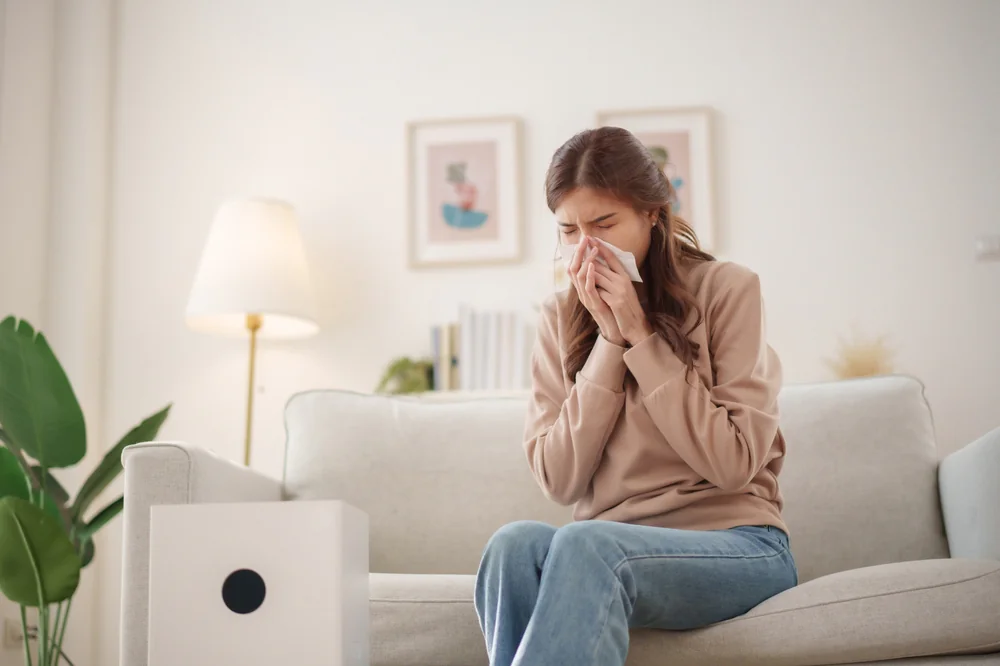
You can’t see what’s in your air, but you feel it. The headaches that won’t quit. The allergies that seem worse at home than outside. The cough your kid can’t shake.
Most people assume it’s seasonal or stress. But when 40% of Pennsylvania homes test above safe radon levels and indoor air contains two to five times more pollutants than outdoor air, the problem is often right in front of you.
A home air quality test gives you actual data. Not guesses. You’ll know if mold spores are circulating through your HVAC system. Whether radon is seeping through your foundation. If volatile organic compounds are off-gassing from materials in your home. Once you know what’s there, you can fix it before it damages your health or your property.
The difference between wondering and knowing is a professional air quality assessment. That’s what we do in Langhorne and throughout Bucks County.
We’ve been helping Bucks County homeowners understand what’s happening inside their walls and ductwork for years. We’re IICRC-certified, which means our team is trained to identify problems most people miss.
Langhorne sits in an area where radon is a documented concern. The EPA has flagged Pennsylvania as having some of the highest radon concentrations in the country, and Bucks County is no exception. Add in the humidity we get during summer months and older homes with ventilation issues, and you’ve got conditions where mold and indoor pollutants thrive.
We’re not a national franchise that shows up once and disappears. We live and work in this area. When you call, you’re talking to people who’ve tested homes just like yours and know what to look for in Langhorne’s housing stock.
We start with a free inspection. You walk us through your concerns—where you’re noticing smells, where moisture shows up, what symptoms your family is experiencing. We listen because those details tell us where to look.
Then we use infrared cameras and moisture meters to find hidden problems. We’re checking for water intrusion, condensation, and temperature differences that signal mold growth or ventilation failures. We collect air samples from multiple rooms and analyze surfaces where contamination is likely.
Those samples go to a lab for analysis. You get a report that breaks down exactly what’s in your air—mold species, spore counts, radon levels, and other pollutants. We review the results with you in plain language and explain what they mean for your home and health.
If there’s a problem, we tell you what needs to happen next. If your air is clean, you have documentation and peace of mind. Either way, you’re not guessing anymore.
Ready to get started?
A residential air quality testing service covers more than just mold. We’re looking at the full picture of what’s circulating through your home.
Radon is a priority in Langhorne. Pennsylvania has some of the worst radon problems in the U.S., and roughly 40% of homes here exceed EPA action levels. Radon is odorless and invisible, but it’s the second leading cause of lung cancer. Testing is the only way to know if you have a problem.
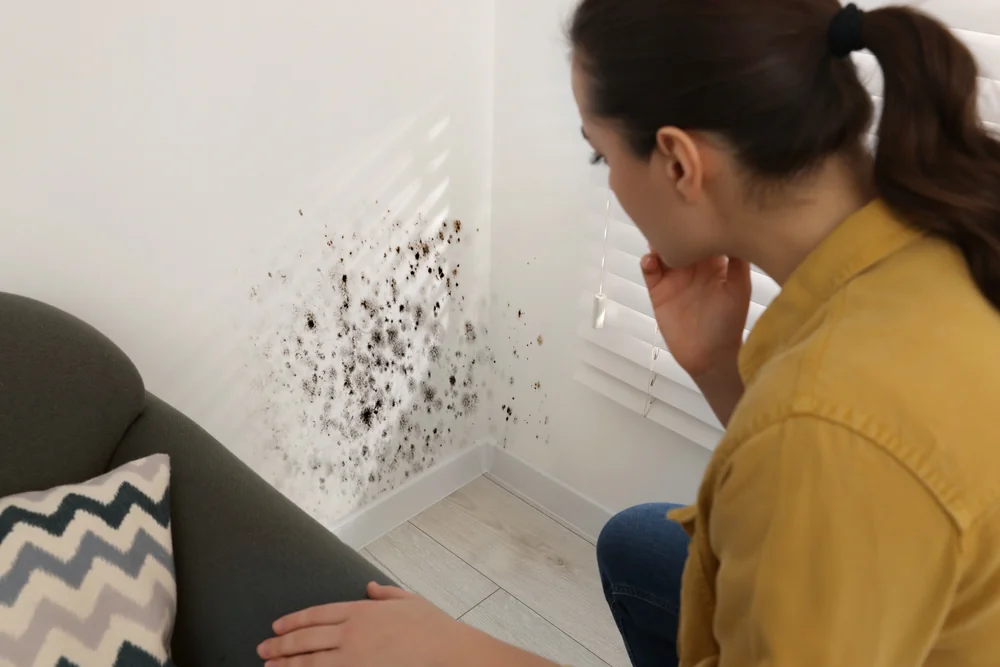
Mold spores are another major concern. When moisture gets into walls, crawlspaces, or attics, mold starts growing within 24 to 48 hours. A mold air test identifies which species are present and at what concentration. Some molds are more toxic than others, and the data helps determine how urgent remediation needs to be.
We also test for volatile organic compounds, allergens, and particulate matter. These pollutants come from building materials, cleaning products, pest droppings, and poor ventilation. In Bucks County’s older homes, we often find a combination of issues that compound each other.
The goal isn’t to scare you. It’s to give you the information you need to make decisions about your home and your family’s health.
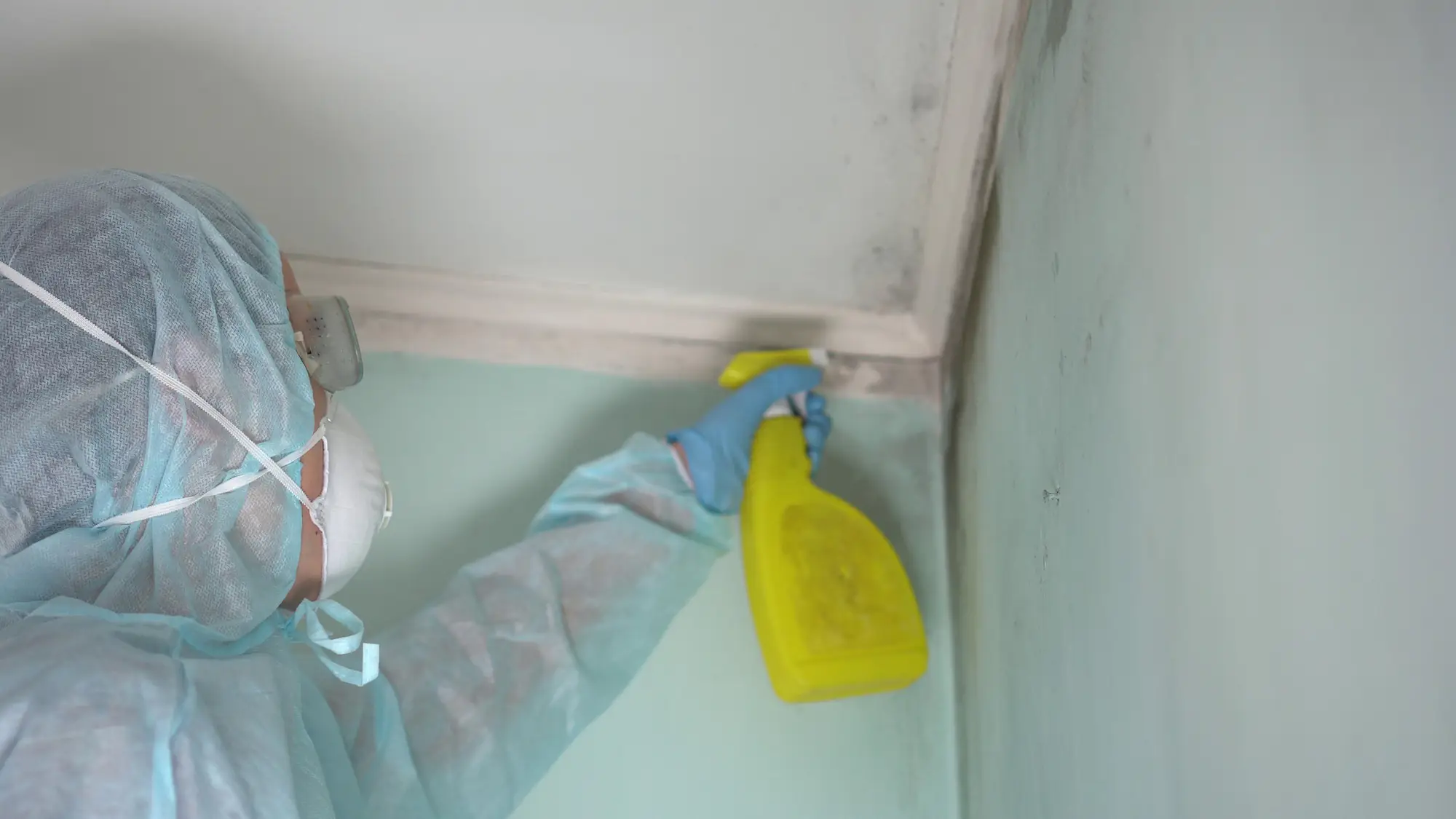
You need testing if anyone in your home is experiencing unexplained respiratory symptoms, persistent allergies, headaches, fatigue, or skin irritation that improves when they leave the house. These are classic signs of poor indoor air quality.
You should also test if you’ve had recent water damage, notice musty odors, see visible mold, or live in an older home with limited ventilation. In Langhorne and Bucks County, radon testing is recommended for every home regardless of age or condition because of how common elevated levels are in this area.
New homebuyers often request air quality testing as part of their due diligence. If you’re about to close on a property, testing gives you leverage to negotiate repairs or walk away if the problems are severe. Even if you’ve lived in your home for years, testing makes sense if conditions have changed or if you’re dealing with health issues that doctors can’t explain.
DIY kits test for one thing at a time—usually just mold or just radon. They don’t give you a complete picture, and the accuracy depends on how well you follow instructions. Most homeowners don’t know where to place the test or how long to run it, which skews results.
Professional air quality testing uses calibrated equipment and lab analysis. We collect samples from multiple locations, test for a range of contaminants simultaneously, and interpret the data in context. If your air shows elevated mold spores, we can tell you which species, whether it’s actively growing, and where it’s likely coming from.
We also use thermal imaging and moisture meters to find hidden problems that a DIY kit won’t detect. A surface test might come back clean while mold is growing inside your walls. Professional testing catches those issues before they spread. You’re paying for accuracy, completeness, and expert interpretation—not just a kit that gives you a yes or no answer.
The on-site inspection and sample collection usually take one to two hours depending on the size of your home and the scope of testing. We’re thorough because missing a problem area means incomplete data.
Lab analysis takes three to five business days in most cases. Radon testing requires a longer collection period—typically 48 to 96 hours—because radon levels fluctuate and we need an accurate average. We leave the testing equipment in your home and return to retrieve it.
Once we have the lab results, we schedule a follow-up to review everything with you. We don’t just email a report and disappear. We walk you through what the numbers mean, answer your questions, and discuss next steps if remediation is needed. If results show an urgent problem like toxic mold or dangerous radon levels, we’ll contact you immediately rather than waiting for the scheduled follow-up.
Yes, but it tells you more than just whether mold is present. A mold air test identifies which species are in your home, the concentration of spores in the air, and whether levels are elevated compared to outdoor air. That context matters because some mold is always present—it’s when levels spike indoors that you have a problem.
We also conduct surface testing in areas where we see visible growth or suspect hidden contamination. This tells us if mold is actively colonizing materials like drywall, insulation, or wood framing. Combined with moisture readings, we can pinpoint the source—whether it’s a roof leak, plumbing issue, condensation problem, or foundation moisture.
The testing doesn’t just confirm mold. It gives you a roadmap for remediation. You’ll know what needs to be removed, what can be cleaned, and what’s causing the moisture that allowed mold to grow in the first place. Without that information, you’re guessing at solutions and mold often comes back.
Cost depends on what you’re testing for and how large your home is. A basic mold air test for a single-family home typically runs a few hundred dollars. Comprehensive testing that includes radon, VOCs, allergens, and multiple sample locations costs more because it involves more lab work and analysis time.
We offer free inspections to assess your situation before you commit to testing. That visit helps us recommend what’s actually necessary rather than overselling services you don’t need. If you only need radon testing, we’re not going to push a full environmental panel.
Many homeowners find that testing saves money in the long run. Catching mold early prevents expensive structural damage. Identifying radon before it causes health problems is obviously worth the cost. And if testing shows your air is clean, you’ve eliminated worry and avoided unnecessary remediation expenses. We provide upfront pricing after the inspection so you know exactly what you’re paying before any testing begins.
We explain what the results mean, how urgent the situation is, and what your options are for fixing it. If we find dangerous radon levels, we’ll discuss radon mitigation systems and connect you with certified installers. If mold is the issue, we provide a detailed remediation plan and handle the work ourselves if you choose to move forward.
Serious problems don’t always mean tearing apart your entire home. Sometimes the fix is straightforward—sealing a crawlspace, improving ventilation, or removing contaminated materials from a small area. We give you a realistic scope of work and a clear estimate before anything starts.
We also work with insurance companies if your policy covers the damage. Water damage and resulting mold growth are often covered depending on the cause. We document everything thoroughly to support your claim. If remediation is needed, we’re available 24/7 for emergency situations and can start work quickly to prevent further contamination. The goal is to get your home safe again without dragging the process out or inflating costs.
Other Services we provide in Langhorne