
Hear from Our Customers
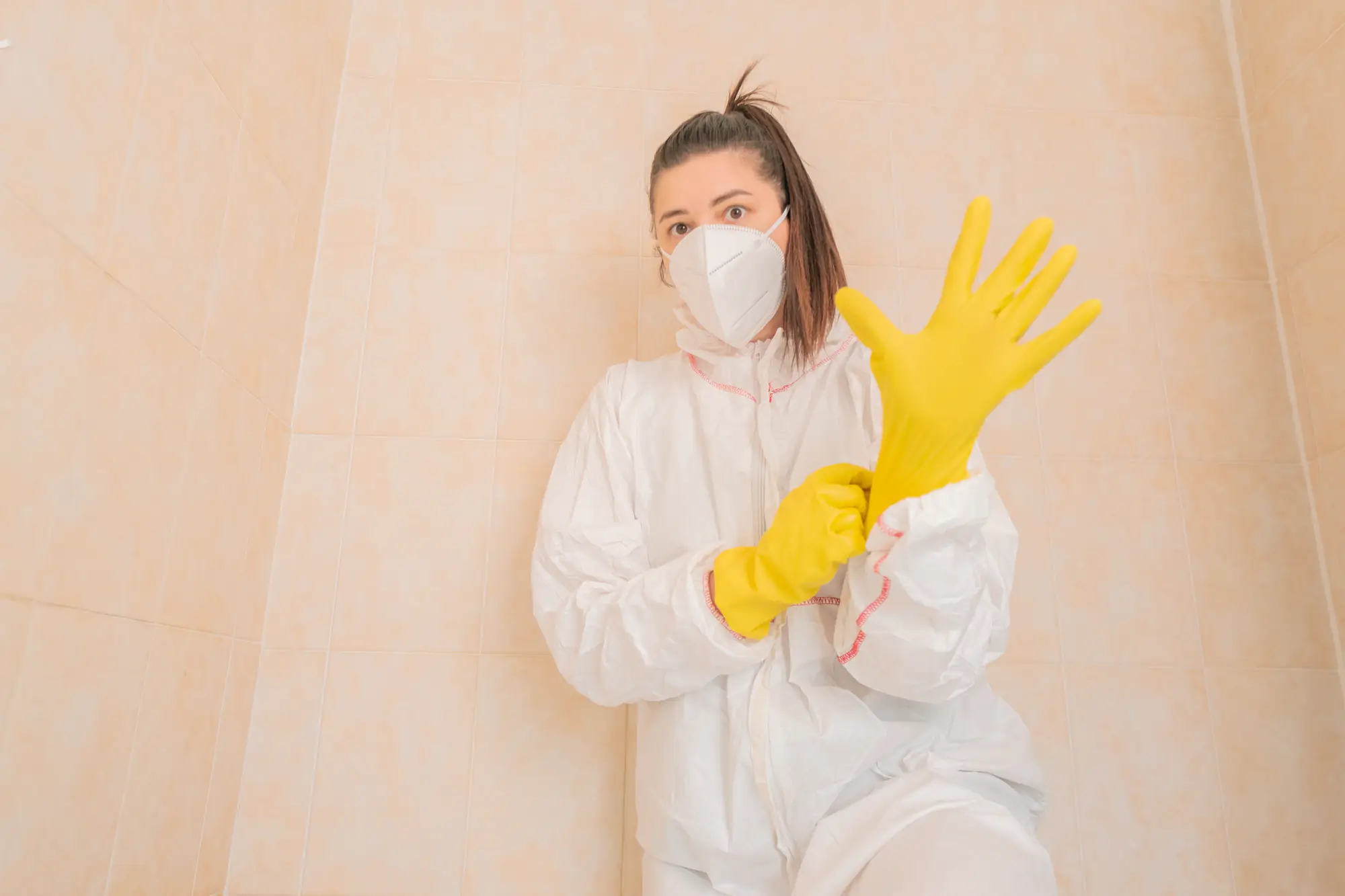
Mold doesn’t wait, and neither should you. Once it starts, it spreads—behind walls, under sinks, into air ducts you can’t see. You might notice the musty smell first, or maybe someone in your house starts coughing more than usual.
Here’s what happens when you call us. We find it all—not just the visible spots. We contain it so it doesn’t spread during removal. Then we pull it out completely, treat the area, and verify the air is clean. You’re not guessing if it’s gone. You know.
Your family stops breathing it in. Your home stops losing value. And you stop wondering if that dark spot in the corner is about to become a $10,000 problem.
We work exclusively in Bucks County, and we’ve seen what happens in older Langhorne homes when humidity meets plaster walls and brick basements. A lot of properties here were built before 1940—beautiful homes, but they weren’t designed with modern ventilation.
We’re IICRC-certified, which means we follow the actual standards for mold remediation, not just surface cleaning. We use thermal imaging to find moisture you can’t see and lab testing to identify exactly what type of mold you’re dealing with. No assumptions.
When you work with us, you’re working with mold removal specialists who understand Pennsylvania disclosure laws, insurance claims, and what it actually takes to protect a $446,000 investment in this market.
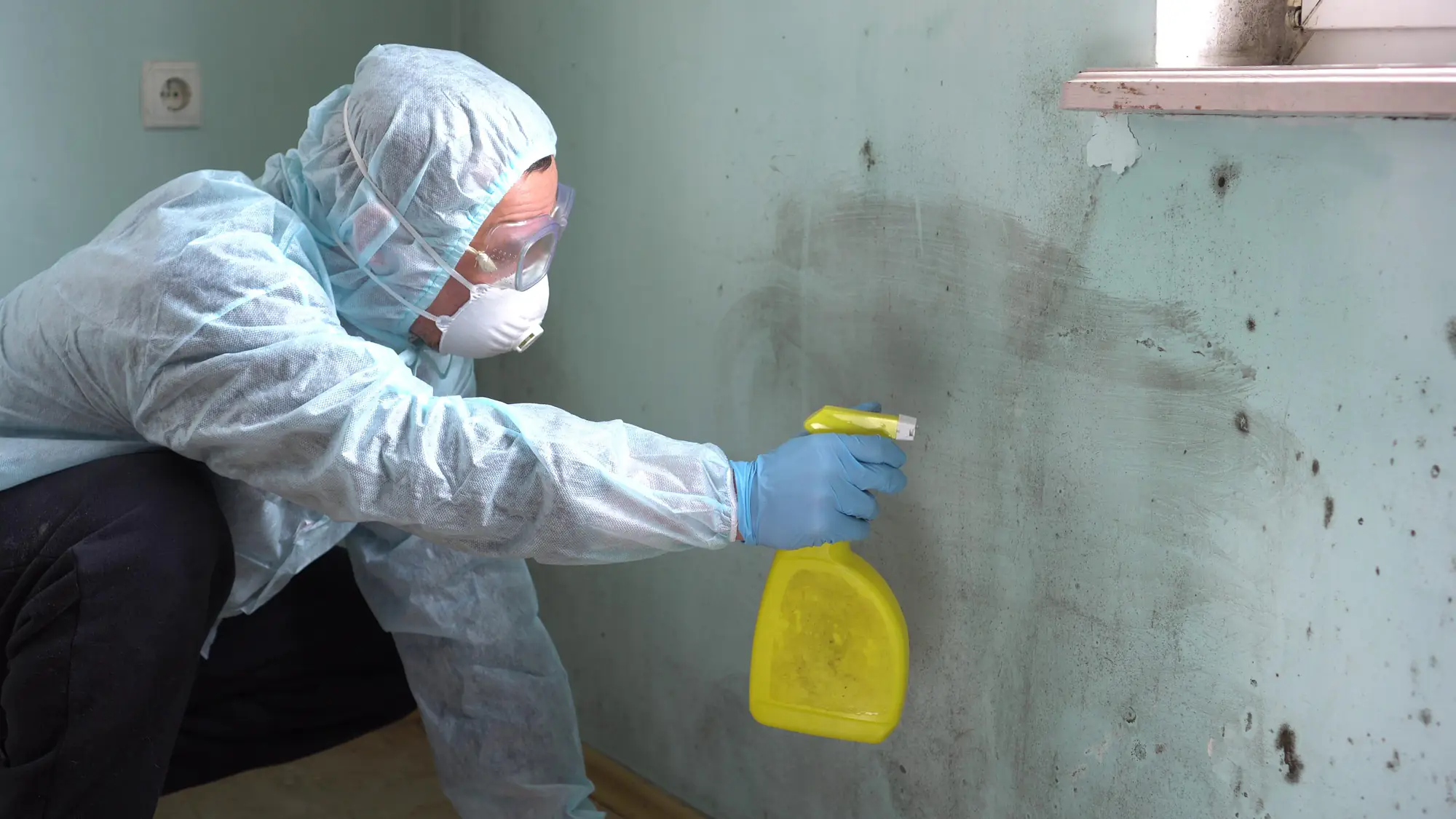
First, we inspect your entire property—not just where you see mold. We use moisture meters and infrared cameras to find hidden growth behind drywall, under flooring, and in crawl spaces. You get a full report with photos, moisture readings, and lab results that tell you what species you’re dealing with.
Next, we contain the area using physical barriers and negative air pressure so spores don’t spread to clean rooms during removal. Then we remove all contaminated materials—drywall, insulation, whatever’s affected—and treat surfaces with antimicrobial solutions. We don’t just clean what you can see.
After removal, we verify air quality with post-remediation testing. You receive documentation showing the mold is gone and the space is safe. If there’s a moisture issue causing the growth, we’ll tell you exactly what needs to be fixed so it doesn’t come back.
Ready to get started?
You get a certified inspection with thermal imaging and moisture mapping. Lab analysis identifies the specific mold type—Aspergillus, Stachybotrys (black mold), or others common in Langhorne’s humid climate. We document everything for insurance claims if needed.
The remediation includes full containment, HEPA air filtration during removal, safe disposal of contaminated materials, and antimicrobial treatment of affected areas. We handle both small jobs—a bathroom with mold under the sink—and larger problems like basement flooding that’s been sitting too long.
In Bucks County, we see a lot of mold in older homes with poor attic ventilation and basements that trap moisture against brick or stone foundations. We address the source, not just the symptoms. That means you’re not calling us back in six months because it returned. We also work directly with your insurance company to help with claims and coverage questions, and we’re available 24/7 for emergencies—because water damage doesn’t wait for business hours.

Most mold remediation projects in the Langhorne area run between $1,300 and $3,600, depending on the size and location of the contamination. Small areas like a bathroom or closet typically cost $1,000 to $2,500. Larger jobs—like a finished basement with mold behind drywall—can run higher.
The price depends on square footage, the type of materials affected, and how accessible the mold is. If we need to remove drywall, insulation, or flooring, that adds to the cost. Testing and lab analysis usually run $300 to $1,100 separately, though we include that in our full-service estimate.
Here’s what matters: catching it early saves you thousands. A small patch of mold costs a fraction of what you’ll pay once it spreads throughout a room or into your HVAC system. We give you an upfront estimate after the inspection so there are no surprises.
Most residential mold removal projects take between three and seven days from start to finish. That includes inspection, containment, removal, treatment, and post-testing. Smaller jobs—like a single bathroom—might be done in two to three days.
Larger projects take longer, especially if we’re removing drywall, treating crawl spaces, or dealing with mold that’s spread into multiple rooms. We don’t rush it. Cutting corners means mold comes back, and that defeats the whole point.
You’ll know the timeline after we inspect. We’ll walk you through what needs to happen and how long each phase takes. Pennsylvania law expects remediation to happen within a reasonable timeframe once mold is identified, and we move fast—but we also move right.
If it’s a very small area—less than 10 square feet, like a bit of mold on bathroom caulking—you can handle it yourself with the right cleaner and ventilation. Anything larger than that, or anything involving black mold (Stachybotrys), you need professionals.
Here’s why: mold spreads through airborne spores. When you disturb it without proper containment, you’re sending spores throughout your house. Black mold is particularly dangerous because it produces mycotoxins that cause respiratory problems, headaches, and worse with prolonged exposure. DIY attempts often miss hidden mold behind walls or under flooring.
We use HEPA filtration, containment barriers, and antimicrobial treatments that actually kill mold at the root. We also test afterward to confirm it’s gone. If you try it yourself and miss even a small section, it grows back—and now you’ve spent money twice.
Moisture is the main cause, and older Langhorne homes have a few common issues. Many properties here were built before 1940 with brick basements, plaster walls, and minimal ventilation. When humidity gets trapped—especially in summer—it creates perfect conditions for mold.
Water leaks are another big one. A slow leak under a sink, a roof that’s letting water in, or a basement that floods during heavy rain can all lead to mold within 24 to 48 hours. Poor attic ventilation causes condensation that drips into insulation. Old pipes sometimes sweat or leak behind walls where you can’t see them.
Langhorne’s climate doesn’t help. Warm, humid summers mean mold like Aspergillus and black mold thrive here. If your home doesn’t have good airflow or a dehumidifier in the basement, you’re at higher risk. Fixing the moisture source is just as important as removing the mold.
Yes—unresolved mold can reduce your home’s value by 20% to 37%, and Pennsylvania law requires you to disclose known mold problems to buyers. If an inspection finds mold during the sale process, buyers will either walk away or demand a price reduction to cover remediation costs.
Even if you try to hide it, home inspectors use moisture meters and thermal imaging that reveal mold behind walls. Once it’s discovered, you’re negotiating from a weak position. Buyers assume the worst, and they’re not wrong—mold signals bigger moisture issues that could mean foundation problems, roof leaks, or plumbing failures.
The smarter move is to handle it before listing. Professional mold removal with documentation showing the problem was properly remediated actually protects your home’s value. Buyers see that you took care of the issue correctly, and you’re not stuck renegotiating your sale price or losing offers.
Yes, we work directly with insurance companies and help you navigate the claims process. Mold coverage depends on what caused it—if it’s from a sudden event like a burst pipe, most policies cover it. If it’s from long-term neglect or humidity, they usually don’t.
We provide detailed documentation that insurance adjusters need: photos, moisture readings, lab results identifying mold species, and a full scope of work. This helps your claim get processed faster and reduces the chance of denial due to incomplete information.
We’ve handled plenty of claims in Bucks County, so we know what insurers look for. We’ll walk you through what’s likely covered, what isn’t, and how to present your claim. Even if insurance doesn’t cover everything, we give you an honest breakdown of costs so you can make an informed decision about moving forward.
Other Services we provide in Langhorne