
Mold Inspection in Brittany Farms-The Highlands, PA

Find the Mold Before It Finds You

Your home might have mold growing right now—behind walls, under floors, or in your HVAC system—and you’d never know until it’s expensive.
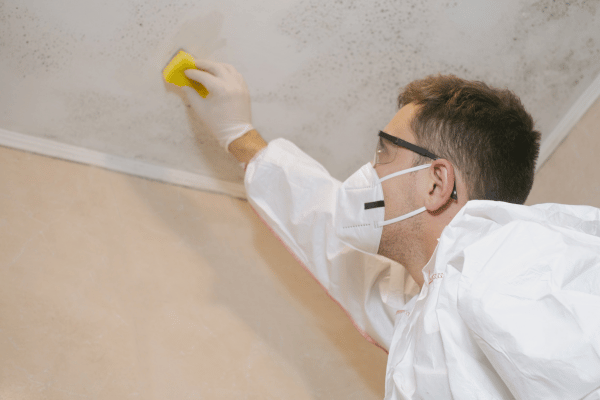
Protective worker in safety suit inspecting or treating mold spots on an indoor ceiling, addressing moisture damage and potential mold growth inside a building.

Hear from Our Customers

Mold Detection Services in Brittany Farms-The Highlands

Catch It Early, Save Thousands Later

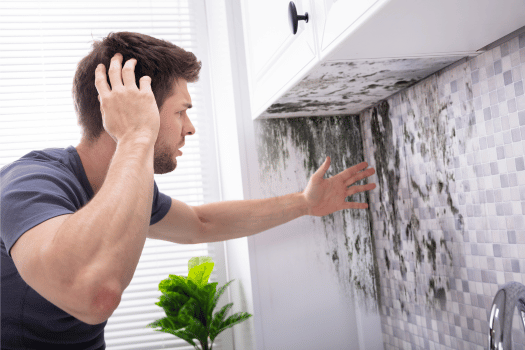
You’re not imagining that musty smell. And that dark spot near the window isn’t just dirt.

Mold doesn’t announce itself until it’s already spread. By the time you see it, you’re looking at remediation costs that could’ve been avoided with a simple inspection. In Brittany Farms-The Highlands, where 4% of properties face flooding risk and humidity regularly tops 70% in summer, mold isn’t a maybe—it’s a when.

A professional mold inspection catches growth before it becomes a health issue or a real estate nightmare. You get clear answers about what’s happening in your home, where the problem areas are, and what needs to happen next. No guessing. No waiting until symptoms get worse or your home value drops 20-37% because a buyer’s inspector found what you missed.

This is about protecting your investment and your family’s health before either one takes a hit.

Trusted Mold Inspection Company in Bucks County

We've Been Doing This for Over 20 Years

We’ve been testing air quality and inspecting homes across Bucks County since before mold inspection was trendy. We’ve seen what Pennsylvania’s wet, humid climate does to homes here—especially the rowhouses and attached homes that make up a third of Brittany Farms-The Highlands.

We’re not a franchise. We’re local, and we know how mold behaves in this area. Spring rains, summer humidity, poor ventilation in older construction—we’ve handled it all.

You’re not getting a sales pitch. You’re getting someone who knows what to look for, where to look, and how to explain what’s actually happening in your home.

Protective worker collecting a mold sample from a stained indoor ceiling using a swab, inspecting moisture damage and potential mold growth inside a building.

Our Home Mold Inspection Process

Here's Exactly What Happens During an Inspection

First, we walk through your home and look at the obvious spots—and the ones most people miss. Bathrooms, basements, attics, crawl spaces, around windows, behind appliances. Anywhere moisture likes to hide.

We’re also checking your HVAC system, looking at ventilation, and asking about any water issues you’ve had. Leaks, flooding, condensation problems—it all matters.

Then we test the air. Air sampling tells us if you’ve got mold spores floating around even when there’s nothing visible. We also do surface testing in areas that look suspicious or smell off.

You get a full report that breaks down what we found, where we found it, and what it means. If there’s mold, we’ll tell you how serious it is and what your options are. If there’s not, you’ll have documentation proving your home is clear—helpful if you’re buying, selling, or just want peace of mind.

Home interior with mold remediation in progress as a worker sprays treatment on a wall using a ladder, while a resident relaxes on a covered sofa in a renovated living room.

Ready to get started?

Explore More Services

About Mack's Mold Removal

Black Mold Inspection and Detection Services

What You're Actually Paying For

A mold inspection isn’t just someone poking around with a flashlight. You’re getting trained eyes, calibrated equipment, and lab-backed results.

We use moisture meters to find hidden water damage. Thermal imaging to spot temperature differences that signal leaks. Air sampling equipment that captures spore counts. Surface swabs that get tested in a lab to identify exactly what type of mold you’re dealing with—because not all mold is the same, and treatment depends on what’s growing.

In Brittany Farms-The Highlands, where homes are selling for $575K-$641K and the market’s competitive, a mold issue can kill a deal fast. Buyers here expect disclosure. If you’re selling, an inspection before listing means no surprises during negotiations. If you’re buying, it means you know what you’re getting into before you sign.

This is also about health. If anyone in your house has asthma, allergies, or respiratory issues, mold exposure makes it worse. Kids and seniors are especially vulnerable. An inspection tells you if your indoor air quality is safe or if you need to act.

How much does a mold inspection cost in Brittany Farms-The Highlands?

Most mold inspections in Bucks County run between $300 and $600, depending on the size of your home and how much testing is needed. A small condo with one or two areas of concern costs less than a 3,000-square-foot house with a basement, attic, and crawl space.

If you’re just doing a visual inspection, that’s on the lower end. If you need air sampling, surface testing, and lab analysis, expect to pay more. But here’s the thing—spending $500 now can save you $7,500 in remediation costs later, not to mention the $20,000+ in lost home value if mold goes untreated.

Some companies offer free inspections, but they’re usually tied to remediation services. You’re better off paying for an independent inspection so you get unbiased results and can make your own decisions about next steps.

A mold inspection is the full walkthrough—visual assessment, moisture readings, identifying problem areas, checking ventilation, and looking for conditions that support mold growth. It’s the big picture view of what’s happening in your home.

Mold testing is more specific. It’s the air samples and surface swabs that go to a lab to confirm whether mold is present and what type it is. Testing gives you data. Inspection gives you context.

You usually want both. The inspection tells you where to look and what’s causing the problem. The testing confirms whether mold is actually there and how bad it is. Some situations don’t need testing—if there’s visible mold, you already know you have a problem. But if you smell something or have symptoms and can’t find the source, testing pinpoints it.

Plan on 1-3 hours depending on your home’s size and how many areas need attention. A small home with no obvious issues might take an hour. A larger property with a basement, attic, multiple bathrooms, and a history of water damage could take three.

We’re not rushing through it. We’re checking everywhere mold likes to grow—under sinks, around windows, in HVAC ducts, behind appliances, in crawl spaces. If we’re doing air sampling or surface testing, that adds time because we need to collect samples properly and document everything.

You’ll get the lab results back in 3-5 business days. The visual inspection findings we can usually discuss the same day, so you’re not left wondering what we found.

You can check for visible mold and obvious moisture problems, sure. But you’re going to miss the hidden stuff—and that’s usually where the real damage is.

Mold grows in wall cavities, under flooring, in ductwork, and behind drywall. You won’t see it until it’s bad enough to break through. A professional inspection uses thermal imaging and moisture meters to find problems before they’re visible. We also know what to look for—the early warning signs most homeowners walk past every day.

DIY test kits exist, but they’re not reliable. They’ll tell you mold is present (which is true in almost every home), but they won’t tell you how much, what type, or whether it’s actually a problem. You need context, and that requires experience and equipment.

If you’re buying or selling a home in Brittany Farms-The Highlands, a professional inspection is non-negotiable. Pennsylvania law requires disclosure of known mold issues, and a DIY test won’t hold up if there’s a dispute later.

First, don’t panic. Finding mold during an inspection is way better than finding it during a real estate closing or after someone gets sick.

We’ll tell you where it is, how extensive it looks, and what type it might be (confirmed by lab results). Then we’ll explain what’s causing it—usually a moisture issue like a leak, poor ventilation, or humidity problem—and what needs to happen next.

Small areas of mold (less than 10 square feet) you can sometimes handle yourself if it’s non-toxic and surface-level. Anything bigger, or if it’s black mold, you need professional remediation. We’ll walk you through your options and give you a clear plan.

The key is addressing the source. If you just clean up the mold but don’t fix the leak or ventilation problem, it’ll come back. A good remediation plan tackles both the mold and whatever’s feeding it.

If you’re spending $575K-$641K on a home in Brittany Farms-The Highlands, yes. Absolutely.

A standard home inspection doesn’t always catch mold, especially if it’s hidden. Mold inspections look specifically for moisture issues, air quality problems, and hidden growth that a general inspector might miss. In an area where flooding affects 4% of properties and humidity runs high, the risk is real.

Mold can reduce a home’s value by 20-37%. If the seller didn’t disclose it and you find it after closing, you’re stuck with the repair bill—and possibly a lawsuit to recover costs. Better to know upfront so you can negotiate repairs, a price reduction, or walk away if it’s too extensive.

Even if you’re not buying, an inspection is smart if you’ve had water damage, notice a musty smell, or anyone in your house is dealing with unexplained respiratory symptoms. Mold doesn’t wait, and neither should you.

Other Services we provide in Brittany Farms-The Highlands