
Mold Inspection in Elmwood Terrace, PA

Find the Mold Before It Finds You

Hidden mold doesn’t stay hidden forever—it shows up as health problems, musty smells, and damage you can’t ignore. We’ll find it, explain what’s happening, and tell you exactly what to do next.
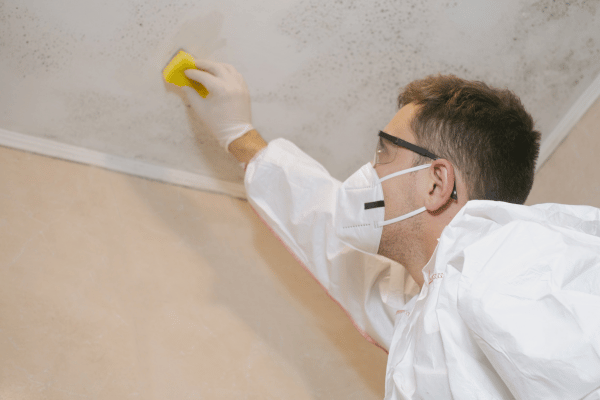
Protective worker in safety suit inspecting or treating mold spots on an indoor ceiling, addressing moisture damage and potential mold growth inside a building.

Hear from Our Customers

Home Mold Inspection Services

Know What's Growing in Your Home

Most mold problems start where you can’t see them. Behind walls. Under floors. In crawl spaces and attics. By the time you notice the smell or the stain, it’s been growing for weeks or months.

A real mold inspection doesn’t just look at the obvious spots. It checks moisture levels, airflow issues, and the places mold loves to hide. Infrared cameras pick up temperature differences that point to water intrusion. Moisture meters confirm what’s wet and what’s not.

You get a full report that explains where the mold is, what type it likely is, and what caused it. No guessing. No generic advice. Just clear information about your home and what needs to happen next. That’s what lets you make a decision based on facts, not fear.

Mold Detection Company in Elmwood Terrace

We've Been Doing This in Bucks County

We work with homeowners across Elmwood Terrace and Bucks County who need straight answers about mold. We’re IICRC certified, which means we follow a strict code of ethics and use proven methods for mold detection and removal.

Homes in Elmwood Terrace were built around 1940 on average. Older homes have older plumbing, older roofs, and foundations that settle over time. That creates cracks, leaks, and moisture problems—which creates mold. We’ve seen it hundreds of times, and we know where to look.

When you call us at 215-431-4744, you’re talking to people who understand how homes in this area are built and what typically goes wrong. We’re not here to upsell you. We’re here to tell you what’s actually happening.

Protective worker collecting a mold sample from a stained indoor ceiling using a swab, inspecting moisture damage and potential mold growth inside a building.

Our Mold Detection Process

Here's What Happens During the Inspection

First, we walk through your home and talk about what you’ve noticed. Smells, stains, health symptoms, water damage—it all matters. That conversation tells us where to focus.

Then we do a visual inspection of every area where mold typically grows. Basements, bathrooms, kitchens, attics, crawl spaces. We check around windows, under sinks, near HVAC systems, and along exterior walls. We use thermal imaging to spot hidden moisture and moisture meters to measure exactly how wet materials are.

If we find mold, we document it. Photos, measurements, moisture readings. If the situation calls for it, we can take samples and send them to a lab for analysis. You’ll get a written report that breaks down what we found, where we found it, and what’s causing it.

After that, we explain your options. If it’s something you can handle yourself, we’ll tell you. If it needs professional remediation, we’ll walk through what that looks like and what it costs. No pressure. Just information.

Home interior with mold remediation in progress as a worker sprays treatment on a wall using a ladder, while a resident relaxes on a covered sofa in a renovated living room.

Ready to get started?

Explore More Services

About Mack's Mold Removal

Black Mold Inspection and Testing

What's Included in a Full Inspection

Every mold inspection we do covers the same ground. We inspect all living areas, storage spaces, and mechanical rooms. We check your roof, gutters, foundation, and grading for water intrusion points. We examine your HVAC system and ductwork for mold growth or distribution issues.

You get a moisture map of your home that shows where problems exist. You get photos of any mold we find. You get a breakdown of what’s causing the moisture—whether it’s a plumbing leak, condensation, poor ventilation, or something else.

In Elmwood Terrace, we see a lot of basement moisture from older foundations and poor drainage. We see attic mold from roof leaks and inadequate ventilation. We see bathroom mold from exhaust fans that don’t actually vent outside. Pennsylvania’s seen a 5-10% increase in precipitation recently, and that’s made all of these problems worse.

The inspection also includes a prevention plan. Once we remove the mold, you need to know how to keep it from coming back. That means fixing the moisture source, improving airflow, and maintaining the areas that are most vulnerable. We’ll give you specific steps, not generic advice.

How much does a mold inspection cost in Elmwood Terrace?

Most mold inspections in this area run between $250 and $600, depending on the size of your home and how detailed the inspection needs to be. A basic visual inspection with moisture testing costs less than a full inspection with lab analysis and air sampling.

We offer free consultations to help you figure out what level of inspection makes sense for your situation. If you’ve had a recent flood or you’re buying a home, a more thorough inspection is worth it. If you just want to confirm a small area is clear, a simpler inspection might be enough.

The cost of the inspection is small compared to what you’d spend fixing damage that gets worse over time. Mold spreads. It damages drywall, wood, insulation, and anything porous it touches. Catching it early saves money.

A typical home mold inspection takes between one and three hours. Smaller homes or condos take less time. Larger homes with basements, attics, and crawl spaces take longer.

The time depends on how accessible everything is and how much moisture or mold we find. If we’re just checking a bathroom or basement, it’s quick. If we’re inspecting the whole house and taking samples, it takes longer.

You don’t need to be there the whole time, but it helps to be available at the start to walk us through what you’ve noticed and at the end to hear what we found. We’ll schedule the inspection at a time that works for you, and we’ll give you a clear window so you’re not waiting around all day.

You can buy mold test kits at hardware stores, but they don’t tell you much. They’ll confirm that mold spores are present, but mold spores are everywhere. What matters is whether you have active mold growth, where it’s growing, and what’s causing it.

A professional mold inspection uses tools you don’t have access to. Thermal imaging cameras show temperature differences that indicate moisture behind walls. Moisture meters give exact readings of how wet materials are. Visual inspection by someone who knows what to look for catches problems you’d miss.

NIOSH research shows that thorough visual inspections are more reliable than air sampling for finding mold problems. A good inspector knows where mold hides in homes like yours and what conditions allow it to grow. That’s what you’re paying for—not just a test result, but an accurate assessment and a plan.

The most obvious sign is a musty smell that doesn’t go away. That smell means mold is actively growing somewhere, even if you can’t see it yet.

Visible mold is another clear sign, but don’t assume that’s the only spot. If you see mold in one area, there’s a good chance it’s growing in other places too. Water stains on ceilings or walls, peeling paint, warping floors—those all point to moisture problems that lead to mold.

Health symptoms are a big one. If you or your family are dealing with headaches, respiratory issues, allergies, or asthma that get worse at home and better when you leave, mold could be the cause. Homes in Elmwood Terrace are older, and older homes have more places for mold to hide. If you’ve had any water damage—flooding, leaks, plumbing issues—you should get an inspection even if you don’t see mold. It can start growing within 24 to 48 hours after water exposure.

If we find mold, we’ll show you exactly where it is and explain what’s causing it. Most mold problems come from moisture, so fixing the mold without fixing the moisture source just means it’ll come back. About 40% of mold cases return because the underlying problem wasn’t addressed.

We’ll give you a written report with photos, moisture readings, and a breakdown of what needs to happen. If it’s a small area and the cause is simple—like a leaky faucet—you might be able to handle it yourself. If it’s widespread or it’s in your HVAC system, you’ll need professional remediation.

We’ll walk you through what remediation looks like, how long it takes, and what it costs. We don’t push you into anything. Some situations are urgent because of health risks or structural damage. Others can wait a bit while you plan. We’ll tell you which category you’re in and let you decide how to move forward.

We do both. We handle the full process—inspection, testing, remediation, and prevention. That means you’re working with one company from start to finish, not coordinating between multiple contractors.

After the inspection, if remediation is needed, we’ll contain the affected area to prevent mold spores from spreading. We remove contaminated materials, clean and treat surfaces, and use air filtration to clear spores from the air. Then we address the moisture source so it doesn’t come back.

We serve homes and businesses throughout Bucks, Montgomery, Delaware, and Chester counties. If you’re in Elmwood Terrace and you need a mold inspection or you already know you have a problem, call us at 215-431-4744. We’ll come out, assess the situation, and give you a clear plan. No runaround. Just honest answers about what’s happening in your home.

Other Services we provide in Elmwood Terrace