
Hear from Our Customers
Your home stops smelling like a damp basement. The air feels cleaner when you breathe. Your kids stop coughing at night.
That’s what proper mold remediation does. It doesn’t just scrub away what you can see—it eliminates what’s growing behind your walls, under your floors, and inside your HVAC system.
Here’s what most people don’t realize: mold can drop your property value by 20-37%. Half of potential buyers will walk away from a sale the moment they hear the word “mold,” even if it’s already been treated. If you’re planning to sell, refinance, or just sleep better at night, getting this handled by mold removal specialists isn’t optional.
We use moisture meters and infrared cameras to find mold you didn’t know existed. Then we remove it, dry out the source, and make sure it doesn’t come back. No guessing. No shortcuts.
We work with families in Elmwood Terrace and across Bucks County. We understand what happens when you’re living in a home built in the 1940s with outdated ventilation and a basement that never quite dries out.
Philadelphia’s humid summers and aging housing stock create the perfect environment for mold growth. Nearly half the homes in this area show some form of mold. We’ve seen it in crawl spaces, attics, behind drywall, and inside air ducts.
We’re not here to upsell you or scare you. We offer free inspections because we’d rather show you what’s actually happening than guess over the phone. If there’s mold, we’ll tell you. If there’s not, we’ll tell you that too.
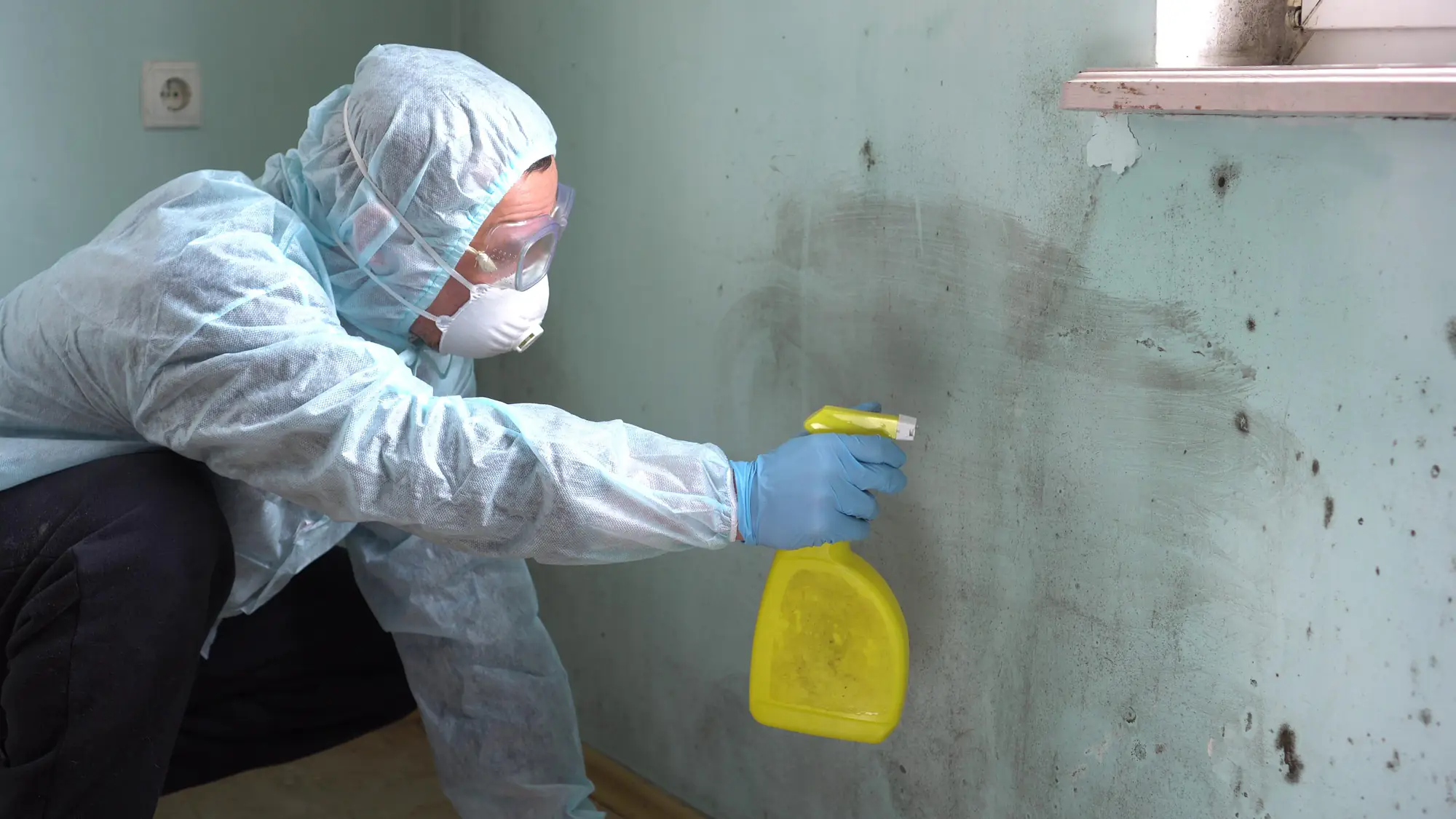
First, we inspect your property with professional-grade equipment. Moisture meters tell us where water is hiding. Infrared cameras show us temperature differences that indicate mold growth behind surfaces you can’t see.
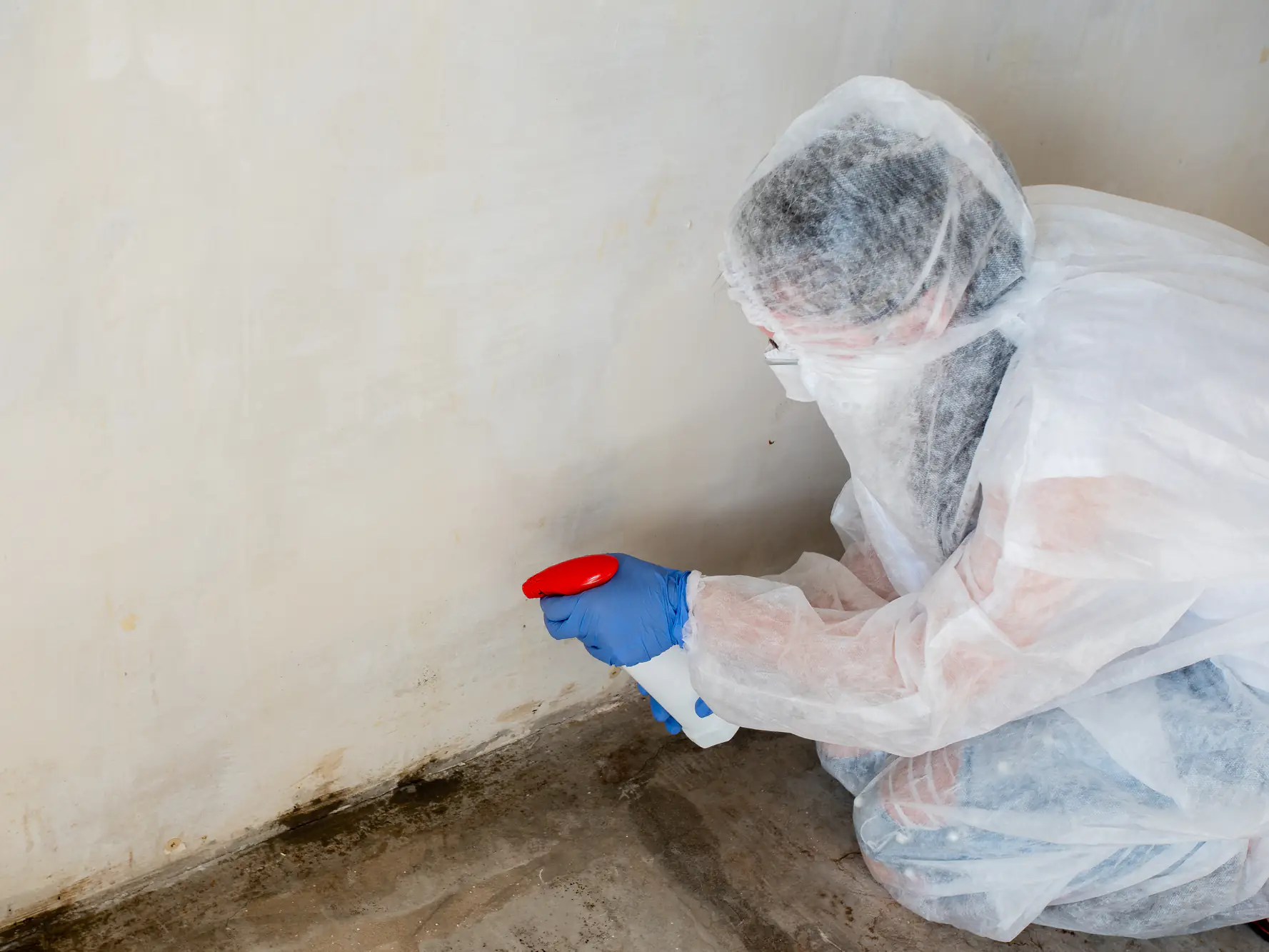
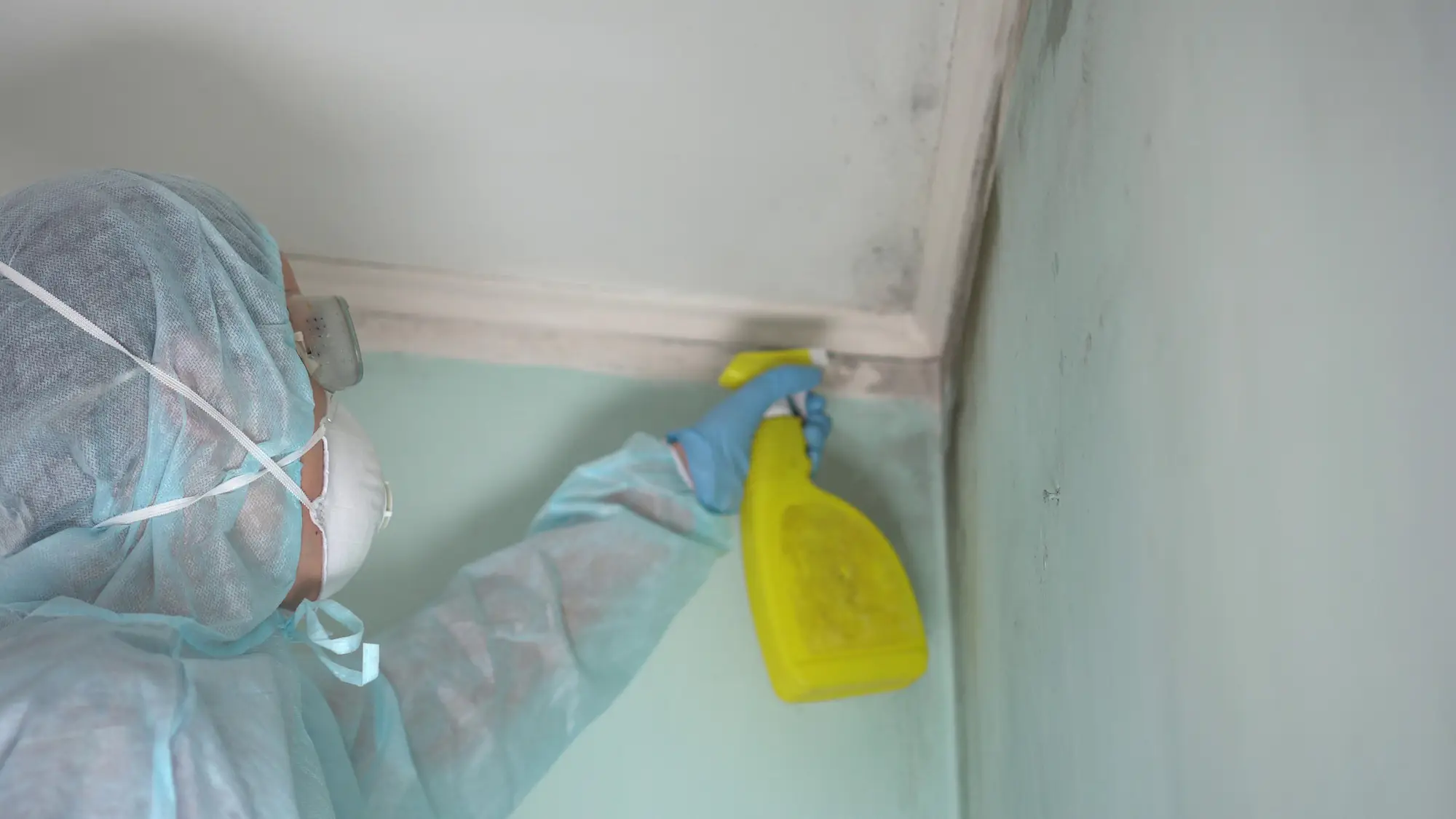
Once we know where the mold is, we contain the area to prevent spores from spreading during removal. Then we remove contaminated materials safely and treat affected surfaces with environmentally friendly products that actually work.
But here’s the part that matters most: we find and fix the moisture source. Mold doesn’t grow without water. If we don’t address the leak, the condensation, or the ventilation problem, the mold will come back. Period.
After remediation, we dry everything thoroughly and test the air quality to confirm the mold is gone. Then we document everything so you have records for future property transactions, insurance claims, or your own peace of mind.
Ready to get started?
Every mold remediation project starts with a free inspection. We’re not charging you to tell you what’s wrong with your house.
You get a full assessment using moisture detection tools and thermal imaging. We identify the type of mold, the extent of growth, and the source of moisture feeding it. Then we give you a clear breakdown of what needs to happen and what it’ll cost.
In Elmwood Terrace, we see a lot of basement mold and attic mold because of how these older homes were built. Poor ventilation traps humidity. Aging roofs leak. Foundations crack. We’ve handled it all.
Our remediation includes containment, removal, treatment, source repair, drying, air quality testing, and documentation. We use HEPA filtration during the process to keep spores from spreading to clean areas of your home. And because we know Philadelphia’s climate creates ongoing challenges, we’ll walk you through prevention strategies that actually make sense for your property.
The average mold remediation in this area costs around $2,400. Waiting makes it worse and more expensive. Mold can start growing within 24-48 hours of water exposure.

If you’re smelling something musty, seeing discoloration on walls or ceilings, or dealing with unexplained allergies or respiratory issues, there’s a good chance mold is present. But moisture alone doesn’t always mean mold—yet.
Mold needs three things: moisture, oxygen, and organic material to feed on. In Elmwood Terrace homes, that organic material is usually wood framing, drywall, or insulation. If moisture has been present for more than 48 hours, mold has likely started growing.
The tricky part is that mold often hides. It grows behind walls, under flooring, and inside HVAC systems where you can’t see it. That’s why we use infrared cameras and moisture meters during inspections. These tools show us what’s happening inside your walls without tearing anything apart. If you’re not sure, a free inspection will give you a definitive answer.
No. Painting over mold just traps it temporarily. It’ll grow right through the paint once moisture returns—and moisture always returns if the source isn’t fixed.
Bleach is even worse. It might kill surface mold on non-porous materials like tile, but it doesn’t penetrate porous surfaces like drywall or wood. The mold’s roots stay alive and keep growing. Plus, bleach releases harsh fumes that can irritate your lungs, especially in enclosed spaces like basements.
We use antimicrobial treatments designed specifically for mold remediation. We remove contaminated materials that can’t be saved, treat surfaces that can, and most importantly, we eliminate the moisture source. Without fixing the underlying problem—whether it’s a leak, condensation, or ventilation issue—mold will return no matter what you spray on it.
The average cost for mold remediation in the Philadelphia area is around $2,400, but it can range from $1,300 to $3,600 depending on the size and severity of the problem. Attic mold or basement mold in a small area costs less than widespread contamination affecting multiple rooms.
Insurance coverage depends on what caused the mold. If it’s from a sudden, accidental event like a burst pipe, most policies will cover remediation. If it’s from long-term neglect or a maintenance issue like a slow leak you ignored, they probably won’t.
Here’s what we recommend: call your insurance company before starting any work. Ask specifically about mold coverage and what documentation they need. We can provide detailed reports and photos to support your claim. Even if insurance doesn’t cover it, addressing mold now saves you money. Letting it spread increases remediation costs and tanks your property value by 10-30%. The longer you wait, the more expensive it gets.
“Black mold” usually refers to Stachybotrys chartarum, which produces mycotoxins that can cause serious health problems. It’s greenish-black, slimy, and thrives in areas with constant moisture like leaky roofs, flooding, or condensation.
But here’s the thing: all mold is bad for your health and your home. Aspergillus, Penicillium, Cladosporium—these are common in Elmwood Terrace homes, and they all cause respiratory issues, trigger asthma, and damage building materials. People with allergies, asthma, or compromised immune systems are especially vulnerable.
The color of mold doesn’t tell you everything. Lab testing identifies the exact species, but for remediation purposes, it doesn’t matter much. We treat all mold seriously because all mold indicates a moisture problem that needs fixing. Proper remediation focuses on complete removal and moisture control, regardless of species. If you see mold or smell it, don’t wait to figure out what type it is—get it inspected and removed.
Most residential mold remediation projects take 1-5 days depending on the extent of contamination and how much material needs to be removed. A small bathroom or closet might be done in a day. A full basement or multiple rooms takes longer.
Whether you can stay in your home depends on the severity and location of the mold. For minor, contained areas like a bathroom or small section of basement, you can usually stay as long as we’ve sealed off the work area. We use plastic sheeting and negative air pressure to prevent spores from spreading to other parts of your house.
For larger projects involving significant black mold or contamination near living spaces, it’s safer to stay elsewhere temporarily. We prioritize containment, but disturbing mold releases spores into the air. If anyone in your household has asthma, allergies, or respiratory issues, we strongly recommend leaving during active remediation. We’ll give you an honest assessment during the inspection so you can plan accordingly.
Control moisture. That’s it. Mold can’t grow without water, so if you eliminate moisture sources, you eliminate mold.
Start with the basics: fix leaks immediately, improve ventilation in bathrooms and kitchens, use dehumidifiers in basements and crawl spaces, and make sure your gutters and downspouts direct water away from your foundation. In Elmwood Terrace’s humid summers, keeping indoor humidity below 60% is critical.
Check your attic ventilation. Older homes in this area often have inadequate airflow, which traps heat and moisture. Inspect your roof annually for leaks. Look for condensation on windows, pipes, or walls—that’s a red flag. If your basement floods or gets damp regularly, consider waterproofing or installing a sump pump.
After we complete remediation, we’ll walk you through specific prevention strategies for your property. Every home is different. Some need better ventilation. Others need foundation repairs or HVAC improvements. We don’t just remove mold—we help you understand how to keep it from returning.
Other Services we provide in Elmwood Terrace