
Hear from Our Customers
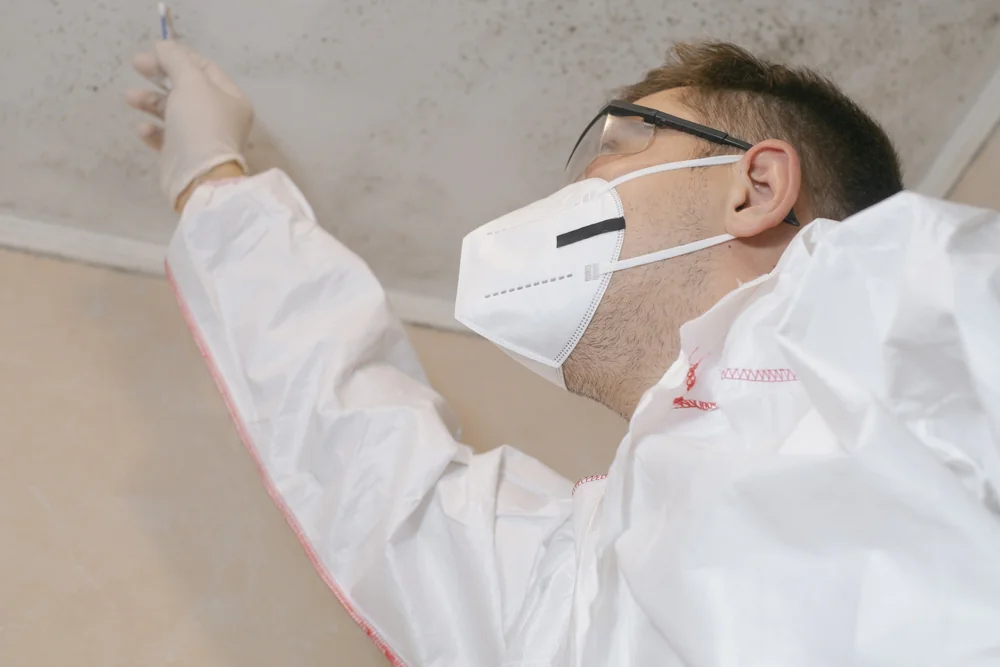
You’re not just getting someone to look around with a flashlight. A proper home mold inspection means checking behind walls, under floors, in crawl spaces, and around every pipe where moisture hides.
Bucks County’s humid summers and damp winters create perfect conditions for mold growth. Most homeowners don’t realize they have a problem until it’s already spreading. By the time you smell it or see it, spores have likely been circulating through your HVAC system for weeks.
Our inspections use moisture meters and thermal imaging to detect problems before they become visible. We test air quality to identify spores you’re breathing but can’t see. You get documentation of what’s happening in your home right now—and what needs attention before it gets worse.
This isn’t about scaring you into unnecessary work. It’s about knowing exactly what you’re dealing with so you can make informed decisions about your home and your family’s health.
We’ve been inspecting homes throughout Zionhill, PA and surrounding Bucks County communities for years. We’re IICRC-certified, which means we follow strict protocols for mold detection and testing—not just eyeballing problem areas and guessing.
We’ve seen what happens when homeowners wait too long or trust the wrong company. We’ve walked into basements where previous “inspectors” missed obvious moisture problems. We’ve tested homes where DIY attempts made contamination worse.
Our team understands how homes in this area are built, where they typically fail, and what seasonal patterns mean for your property. We’re not here to upsell you or create problems that don’t exist. We’re here to tell you the truth about what’s growing in your home and what you should do about it.
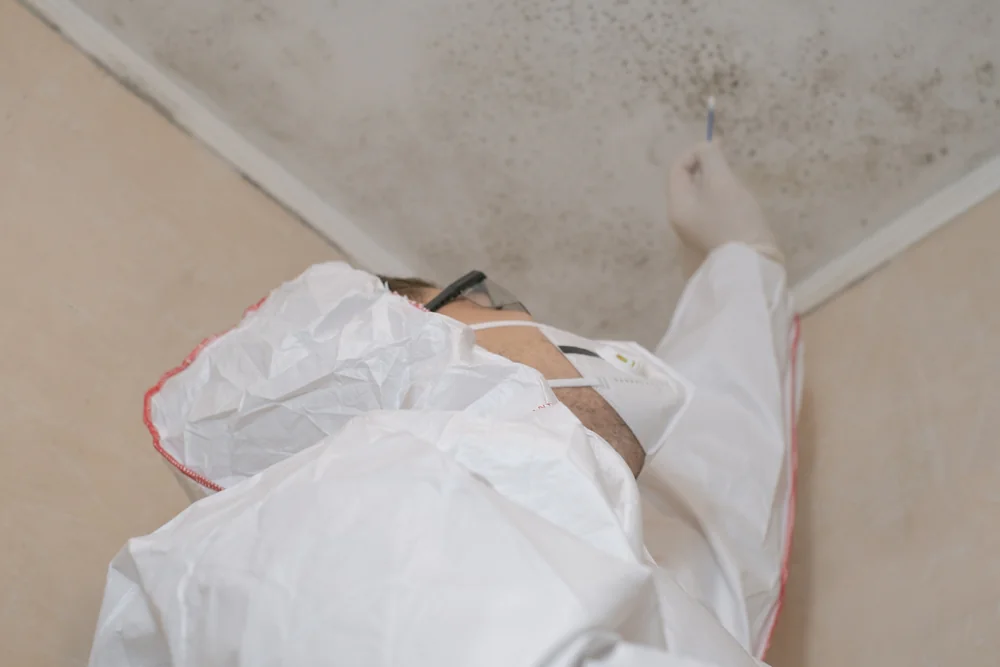
We start with a free assessment of your property. You tell us what you’ve noticed—musty smells, water stains, health symptoms that get worse at home. We listen and ask questions about your home’s history with moisture.
Then we inspect every area where mold typically grows. Basements, bathrooms, attics, crawl spaces, around windows, near plumbing. We use moisture meters to measure humidity levels in walls and building materials. Thermal imaging shows us temperature differences that indicate hidden water problems.
If we find visible mold or conditions that support growth, we collect samples. Air testing tells us what spores are circulating through your home. Surface samples identify specific mold types in problem areas. Lab results usually come back within a few days.
You get a detailed report explaining what we found, where the moisture is coming from, and what needs to happen next. If remediation is necessary, we give you a clear estimate. If it’s something you can handle yourself, we’ll tell you that too. No pressure, no games—just honest information about your home.

Ready to get started?
Every mold inspection we perform in Zionhill, PA includes a thorough visual examination of your entire property. We check obvious problem areas and the hidden spots most inspectors skip—behind appliances, inside wall cavities near plumbing, under sinks, around HVAC systems.
Moisture mapping is critical. We document exactly where humidity levels are elevated and why. Pennsylvania’s climate means most homes battle moisture issues at some point. Your basement might stay damp because of poor drainage. Your attic might have condensation problems because of inadequate ventilation. We identify the source, not just the symptoms.
Air quality testing shows what you’re breathing. Even if you don’t see mold growth, spores could be circulating through your home. This is especially important if anyone in your family has respiratory issues, allergies, or asthma that seems worse indoors.
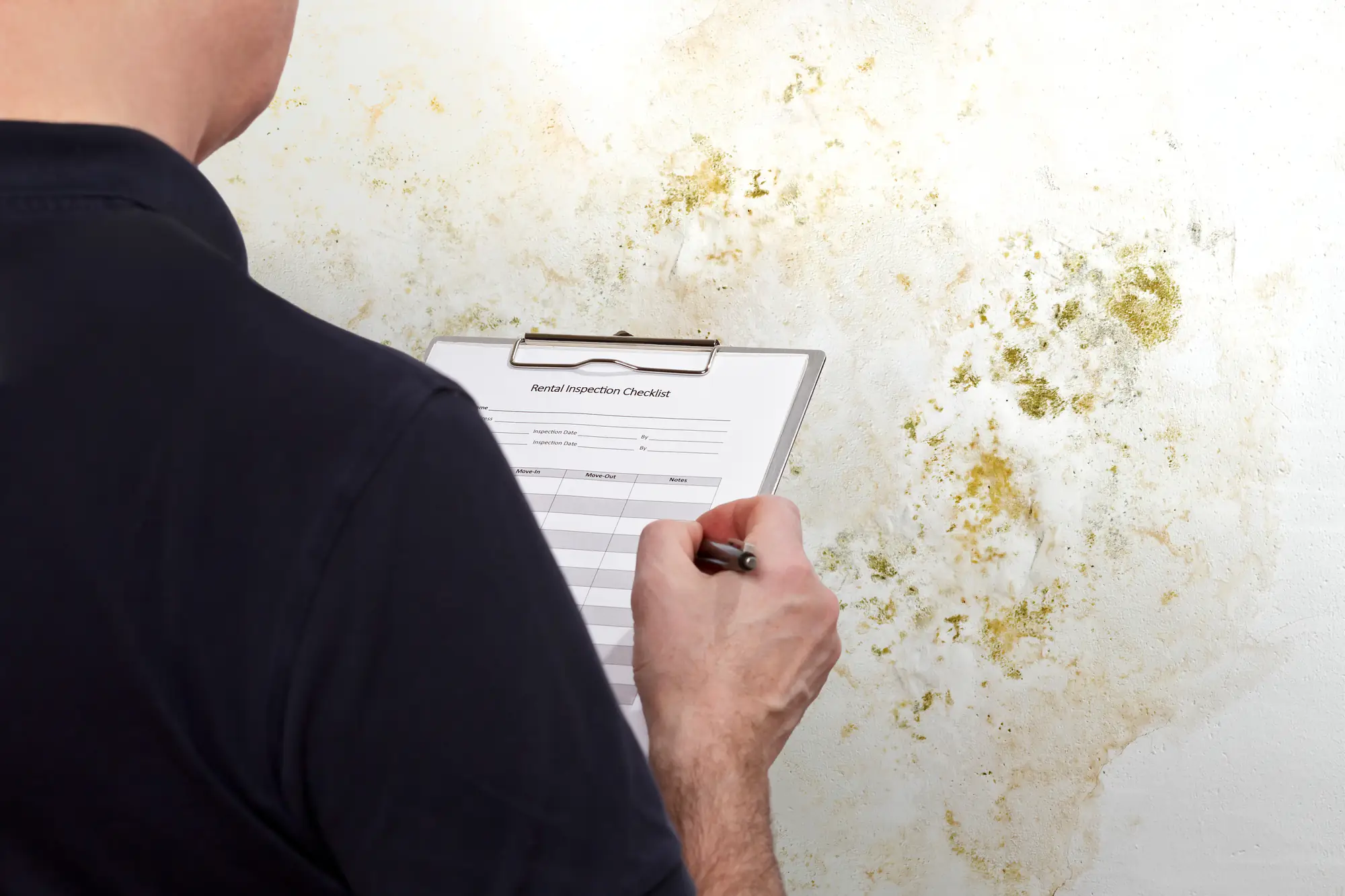
You receive written documentation of everything we find. Photos, moisture readings, lab results, and specific recommendations. If you’re buying or selling a home, this documentation protects you during real estate transactions. If you’re filing an insurance claim, it provides the evidence you need.
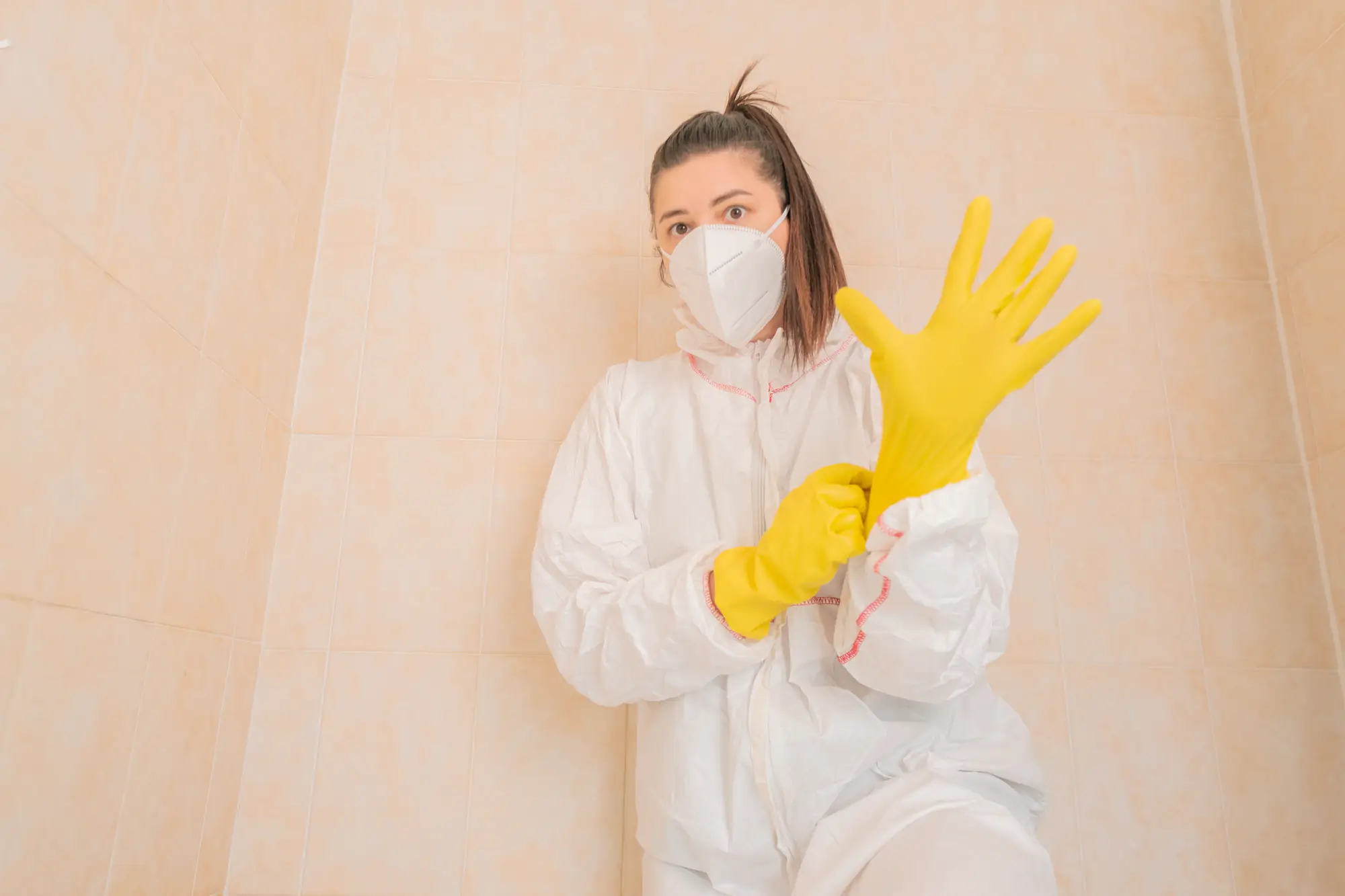
We offer free initial mold inspections for Zionhill homeowners. That includes a visual assessment, moisture readings, and a consultation about what we find.
If lab testing is needed—air samples or surface samples sent to a certified laboratory—there’s typically a cost for processing those samples. Most homeowners in Bucks County pay between $300 and $600 for comprehensive testing, depending on how many samples are needed and what areas require analysis.
Here’s the thing: not every situation requires lab testing. Sometimes the problem is obvious and the solution is straightforward. We don’t push unnecessary testing just to increase the bill. If you need it, we’ll explain why. If you don’t, we’ll tell you that too.
Most inspections take between one and three hours, depending on your home’s size and how many problem areas we’re investigating. A small condo with one bathroom and no basement goes faster than a 3,000 square foot house with a crawl space and finished attic.
We’re not rushing through your property to check boxes. We’re looking for problems you can’t see yet—moisture inside walls, condensation in hidden areas, ventilation issues that create perfect conditions for mold growth.
If we collect samples for lab testing, you’ll have results within three to five business days. We’ll walk you through the findings and explain what they mean for your home. Some situations require immediate action. Others just need monitoring. You’ll know exactly where you stand before we leave.
Yes, absolutely. A mold inspection is non-invasive and doesn’t create any safety concerns for you or your family. We’re not disturbing mold growth or releasing spores into the air—that only happens during remediation if proper containment isn’t used.
You’re welcome to follow us around and ask questions. Most homeowners appreciate seeing exactly what we’re checking and why. We’ll show you how we use moisture meters, explain what thermal imaging reveals, and point out conditions that could lead to problems down the road.
The only time we might recommend temporarily leaving is if you have severe respiratory issues or mold allergies and we’re inspecting an area with heavy visible growth. Even then, it’s just a precaution. The inspection itself doesn’t make your indoor air quality worse.
Mold inspection is the visual assessment—walking through your home, checking for visible growth, measuring moisture levels, identifying conditions that support mold. It’s about finding problems and understanding what’s causing them.
Mold testing means collecting samples and sending them to a lab for analysis. Air samples measure spore concentrations in your indoor environment. Surface samples identify specific mold species growing in problem areas. Testing gives you scientific data about what’s in your home.
You don’t always need testing. If there’s obvious mold growth and a clear moisture source, testing doesn’t change what needs to happen—you still need remediation. But testing is valuable when you smell mold but can’t find it, when you’re experiencing health symptoms with no obvious cause, or when you need documentation for insurance or real estate purposes. We’ll recommend testing only when it actually helps you make better decisions about your property.
If you’re smelling musty odors that won’t go away, that’s reason enough. Mold has a distinct smell—earthy, damp, sometimes like rotting wood. If you notice it in certain rooms or when your HVAC runs, you’ve got growth somewhere.
Visible signs matter too. Water stains on ceilings or walls, discoloration around windows, peeling paint in bathrooms, warped flooring near appliances. These all indicate moisture problems, and where there’s persistent moisture in Bucks County’s humid climate, there’s usually mold.
Health symptoms are a big red flag. If allergies, asthma, or respiratory issues get worse when you’re home and improve when you leave, your indoor air quality deserves investigation. If you’ve had any water damage—burst pipes, roof leaks, flooding, even minor stuff that was “dried out”—you should have an inspection. Mold starts growing within 24 to 48 hours of water exposure, and it doesn’t always show up where you’d expect.
It depends on what caused the mold growth. Most homeowners insurance policies in Pennsylvania cover mold remediation if it resulted from a “covered peril”—like a burst pipe, storm damage, or appliance malfunction. They typically won’t cover mold that developed because of long-term maintenance issues or neglect.
The key is documentation. Insurance companies want proof of what happened, when it happened, and what’s required to fix it. That’s where professional mold inspection becomes critical. Our detailed reports provide the evidence adjusters need to process claims.
We work directly with insurance companies regularly. We know what documentation they require, how to communicate with adjusters, and how to streamline the claims process. If your mold problem qualifies for coverage, we’ll help you navigate the paperwork and minimize your out-of-pocket costs. If it doesn’t qualify, we’ll be straight with you about that too—and work with you on payment options that make remediation manageable.
Other Services we provide in Zionhill