
Hear from Our Customers
You stop worrying every time someone in your house coughs. The musty smell in the basement finally disappears. You’re not wondering what’s growing behind your walls or whether that dark spot in the corner is spreading.
Here’s what changes: your air quality improves, your family stops dealing with unexplained allergies, and you can actually use that basement or bathroom without holding your breath. You’re not masking the problem with bleach or repainting over stains that keep coming back.
The difference between surface cleaning and real mold removal is this—one hides the problem temporarily, the other eliminates it completely. When we identify the moisture source causing growth in the first place, you’re not dealing with the same issue six months later. That’s the outcome that matters.
Mack’s Mold Removal serves Zionhill and the surrounding Bucks County area because we understand what humid Pennsylvania summers and damp basements do to homes here. This isn’t a franchise following a national script—we’re local mold removal specialists who’ve seen what happens when spring flooding meets poor ventilation.
We use EPA-approved methods and the kind of equipment that actually finds hidden mold growth, not just what’s visible on your bathroom ceiling. Our team includes certified inspectors who know the difference between surface mildew and a serious contamination problem that needs containment.
You’ll get a free inspection, transparent pricing before any work starts, and someone who can explain what’s happening in your home without the scare tactics. We’ve been doing this long enough to know that most people just want straight answers and a permanent fix.
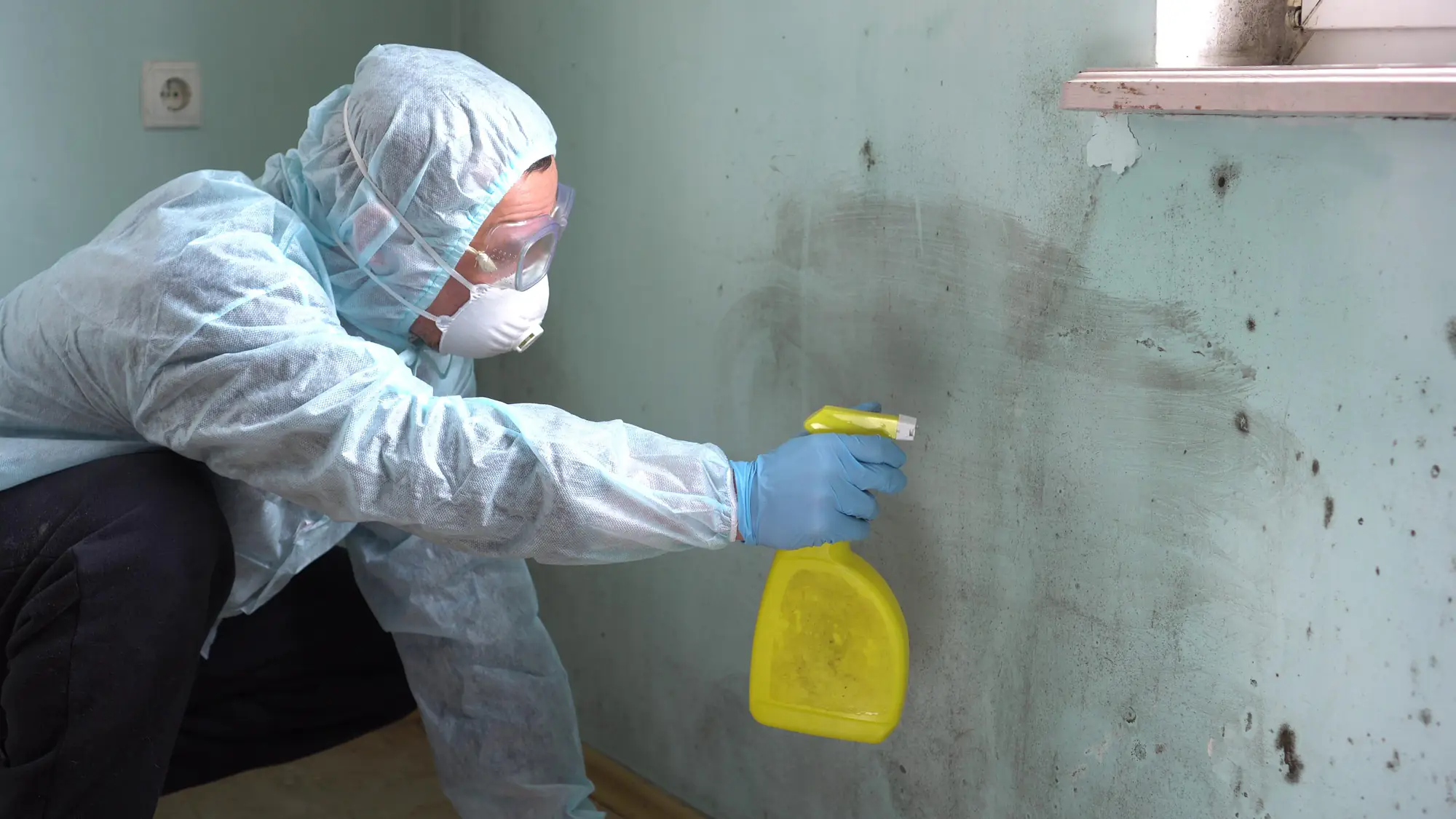
First, we inspect your entire property—not just the obvious spots. We’re checking wall cavities, crawl spaces, HVAC systems, anywhere moisture could be hiding. We use infrared cameras and moisture meters to find problems you can’t see yet.
Once we know what we’re dealing with, we’ll tell you exactly what type of mold is growing, where the moisture is coming from, and what it’ll take to fix it. No surprises, no upselling. If it’s a small issue, we’ll tell you that too.
The actual removal process involves containment to prevent spores from spreading to clean areas, HEPA filtration to clean the air, and complete removal of contaminated materials when necessary. We don’t just kill mold on the surface—we remove it entirely and treat the area to prevent regrowth.
Then we fix the source. Leaky pipe? We address it. Ventilation problem? We solve it. Because removing mold without fixing why it grew there in the first place is just setting you up for round two. After everything’s dry and treated, we can handle the restoration work to put your home back together.
Ready to get started?
You’re getting a certified inspector who knows how to find mold in places most people don’t think to look. That includes thermal imaging to detect moisture behind walls and air quality testing to measure spore levels in your home.
The removal itself means proper containment with physical barriers and negative air pressure, so spores don’t spread to other rooms while we work. We’re using commercial-grade HEPA air scrubbers, not box fans and bleach. All contaminated materials get bagged and disposed of according to Pennsylvania regulations.
In Zionhill specifically, we see a lot of basement moisture issues from the water table and older foundation construction common in Bucks County homes. Spring flooding and summer humidity create perfect conditions for mold growth, especially in homes with crawl spaces or finished basements that weren’t properly waterproofed. We address those underlying moisture problems as part of the service—whether that means improving drainage, fixing ventilation, or sealing foundation cracks.
You also get documentation for insurance claims if needed, and we work directly with your insurance company to handle the paperwork. If restoration work is required after remediation, we handle that too, so you’re not coordinating between multiple contractors.

If the mold covers more than 10 square feet, you need professional help—that’s the EPA’s guideline, not a sales pitch. At that size, you’re dealing with contamination that requires containment and proper disposal to avoid spreading spores throughout your home.
You also need a mold removal specialist if it’s growing in your HVAC system, behind walls, or if it keeps coming back after you’ve cleaned it. Those situations mean there’s a moisture source you haven’t identified, and surface cleaning won’t solve it. Black mold, specifically Stachybotrys, requires professional removal because of the health risks involved.
Here’s the practical test: if someone in your home has respiratory issues that improve when they leave the house, or if you smell mold but can’t find the source, that’s hidden growth that needs professional detection equipment to locate. DIY cleaning works for small surface mold on non-porous materials like tile. Everything else, you’re risking your health and potentially making the problem worse by disturbing spores without proper containment.
Mold removal means getting rid of the visible mold growth. Remediation means removing the mold and fixing the conditions that allowed it to grow in the first place. One is temporary, the other is permanent.
You can remove mold from a bathroom ceiling, but if you don’t fix the exhaust fan that’s not working or the leak in the roof above it, you’ll be removing mold again in three months. Remediation addresses the moisture source—whether that’s a plumbing leak, condensation problem, or ventilation issue.
Real mold and mildew experts do both. We remove the contamination using EPA-approved methods, then we identify why moisture is accumulating in that area and fix it. In Bucks County, that often means addressing foundation moisture, improving basement ventilation, or fixing grading issues that direct water toward your home. The goal is that you don’t see us again for the same problem.
Most homeowners in Bucks County pay between $1,500 and $3,500 for professional mold remediation, but that range depends entirely on the size of the affected area and what’s causing the moisture problem. A small bathroom mold issue costs less than a finished basement with hidden mold growth throughout the drywall.
The inspection is free, and we give you exact pricing before any work starts. You’ll know what the removal costs, what the source repair costs, and what restoration work costs if materials need to be replaced. No surprises when the job’s done.
Insurance sometimes covers mold removal if it’s related to a covered event like a burst pipe or storm damage. We handle the documentation and work with your insurance company directly, so you’re not stuck figuring out claims paperwork. What insurance typically won’t cover is mold from long-term neglect or maintenance issues like a slow leak you didn’t fix. We’ll tell you upfront whether your situation is likely to be covered.
The inspection takes a few hours. The actual remediation work depends on the size of the problem—a single room might take two to three days, while a whole basement could take a week or more. That includes containment setup, removal, treatment, drying time, and initial restoration.
You can usually stay in your home during the work if the affected area can be properly contained and isn’t near your HVAC system. We seal off the work area with plastic barriers and use negative air pressure to prevent spores from spreading to other rooms. If the contamination is extensive or involves your heating and cooling system, we’ll recommend staying elsewhere temporarily.
After the physical removal is complete, affected areas need to dry completely before we can close walls or replace materials. Rushing this step is how mold comes back. We use moisture meters to confirm everything’s dry, not guesswork. Then restoration work begins—that’s replacing drywall, repainting, reinstalling flooring, whatever was removed during remediation. Total timeline from inspection to fully restored typically runs two to three weeks for an average-sized project.
Not if we fix the moisture source. Mold needs water to grow—remove the water source, and it can’t come back. That’s why we don’t just remove visible mold and call it done.
The most common reason mold returns is because the underlying problem wasn’t addressed. Maybe there’s a slow leak in the plumbing, or condensation forming in a poorly ventilated crawl space, or water seeping through foundation cracks during heavy rain. We find that source during the inspection and fix it as part of the remediation process.
In Zionhill and throughout Bucks County, we see recurring mold problems in homes where the grading slopes toward the foundation, where gutters dump water right next to the house, or where basements have no dehumidification in summer. Those are fixable problems. Once the moisture issue is resolved and the contaminated materials are properly removed and treated, mold doesn’t just reappear. We’re not interested in seeing you again for the same problem—we want it fixed right the first time.
Black mold—specifically Stachybotrys chartarum—produces mycotoxins that can cause serious respiratory issues, especially in children, elderly people, and anyone with existing respiratory conditions or weakened immune systems. It’s not instant death like some scare tactics suggest, but it’s also not something to ignore.
The symptoms are real: persistent coughing, throat irritation, chronic sinus issues, headaches, fatigue. Long-term exposure can lead to more serious respiratory problems. The CDC and EPA both recommend professional removal for black mold because disturbing it without proper containment releases spores into the air, making the problem worse.
Here’s what matters: you can’t identify black mold by looking at it. Lots of molds appear black or dark green. The only way to know what type you’re dealing with is through lab testing, which we do as part of the inspection. If it is Stachybotrys, we treat it with the seriousness it requires—full containment, respiratory protection for our crew, careful removal and disposal. If it’s a less toxic variety, we’ll tell you that too. Either way, mold growing in your home means there’s a moisture problem that needs fixing.
Other Services we provide in Zionhill