

Hear from Our Customers
You shouldn’t have to wonder what’s growing behind your walls or whether the air your family breathes is safe. Mold doesn’t just sit there. It spreads, releases spores, and creates health problems you can’t see coming until someone’s already coughing or dealing with constant headaches.
Bucks County’s humid summers and damp winters create perfect conditions for mold growth. Indoor humidity here regularly hits 75-80% during summer months. That means basements, crawl spaces, and attics become breeding grounds faster than most homeowners realize.
When we remove mold from your Zionhill home, you’re not just getting rid of visible stains. You’re eliminating the source of respiratory issues, protecting your property value, and stopping a problem that only gets worse with time. Homes with documented mold issues lose 20-37% of their value, and nearly half of potential buyers walk away once they learn mold is present.
We find where it’s hiding, remove it completely, and fix what caused it in the first place.
Mack’s Mold Removal serves homeowners throughout Zionhill and Bucks County with one focus: getting mold out and keeping it out. We’re not a national franchise following a script. We’re local, we understand how Pennsylvania’s climate affects your home, and we’ve seen what happens when mold gets ignored.
Our team uses EPA-approved methods, thermal imaging to find hidden moisture, and HEPA filtration to contain spores during removal. We’re certified mold remediation specialists, and local insurance companies trust our documentation when claims get filed.
When your neighbors need black mold removal or a basement cleaned up after water damage, they call us. We’ve built our reputation here by doing the work right and being straight with people about what needs to happen.

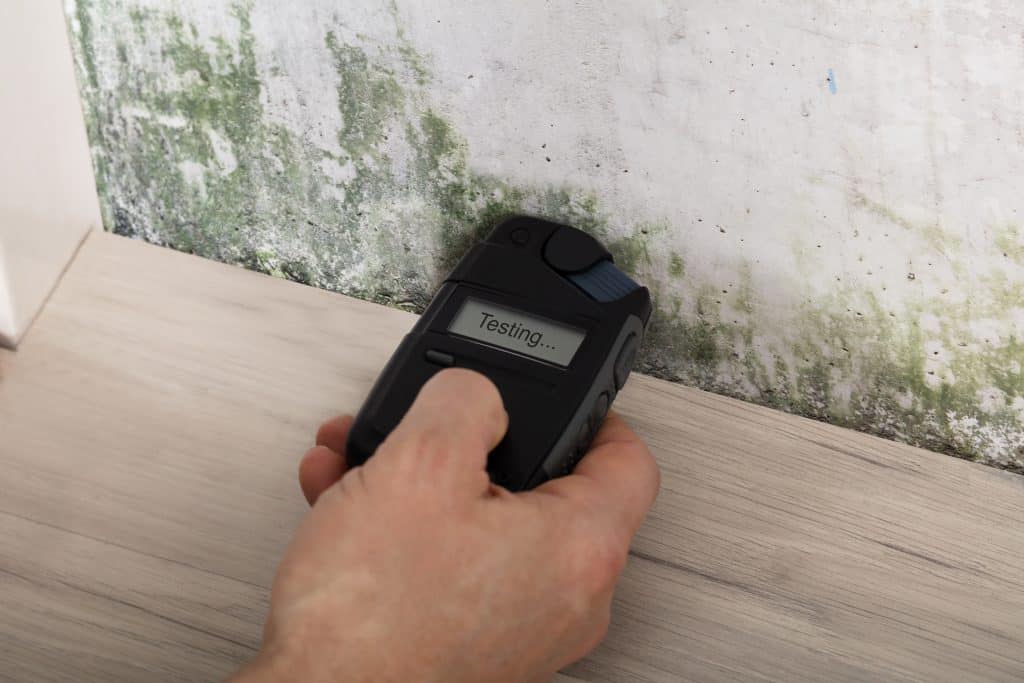
First, we inspect your property for free. We use moisture meters and thermal imaging cameras to find mold you can’t see. Mold hides behind drywall, under flooring, in attics, and throughout basements where Bucks County’s foundation leaks and humidity create ongoing problems.
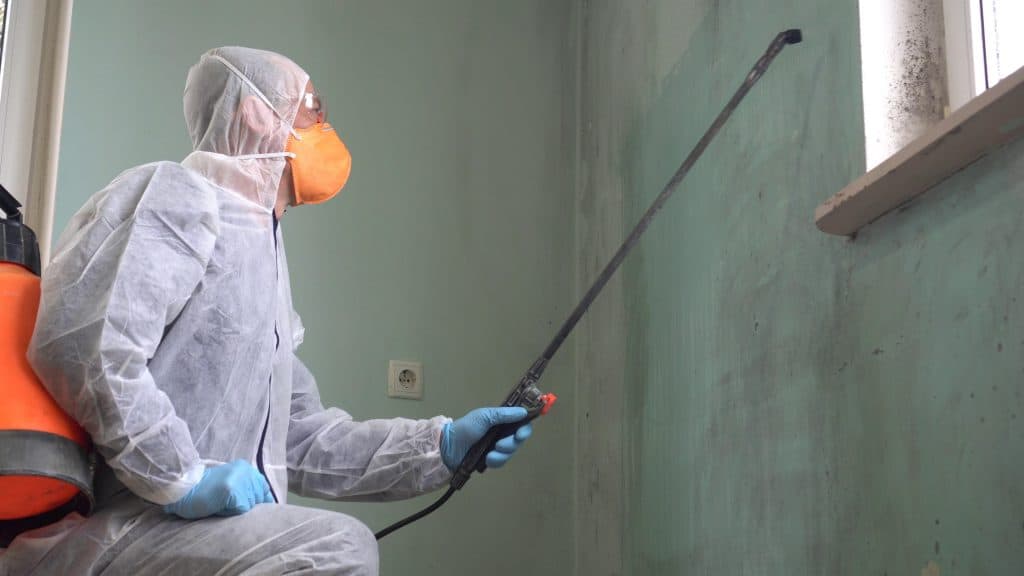
Once we know what we’re dealing with, we contain the area to prevent spores from spreading to clean parts of your home. We set up HEPA filtration systems and physical barriers. Then we remove all contaminated materials and treat affected surfaces with EPA-approved solutions.
But here’s what matters most: we find and fix the moisture source. If we don’t address the leak, the humidity problem, or the ventilation issue that caused mold growth in the first place, it’ll just come back. We document everything with photos and lab results, especially if you’re filing an insurance claim.
You get a home that’s actually clean, not just surface-level scrubbed. And you get peace of mind that the problem’s handled correctly.
Ready to get started?
Every mold removal job in Zionhill starts with detection. We’re looking for visible growth, but also moisture levels that indicate hidden problems. Basements here are especially vulnerable because of naturally cooler temperatures, high humidity, and the foundation issues common in older Bucks County homes.
We remove all contaminated materials, treat affected areas, and clean the air with professional-grade HEPA systems. You’re not breathing in spores while we work, and you’re not dealing with contamination spreading through your HVAC system.
We also handle the cause. Maybe it’s a roof leak, poor ventilation, or groundwater seeping through your foundation. Pennsylvania’s climate means even minor water damage can turn into significant mold growth within 24-48 hours if it’s not dried properly. We make sure the conditions that allowed mold to grow get fixed.
You get complete documentation, before-and-after photos, and a clear explanation of what we found and what we did. If you’re selling your home, that documentation can help you recover up to $20,000 more in resale value compared to homes with unresolved mold issues.
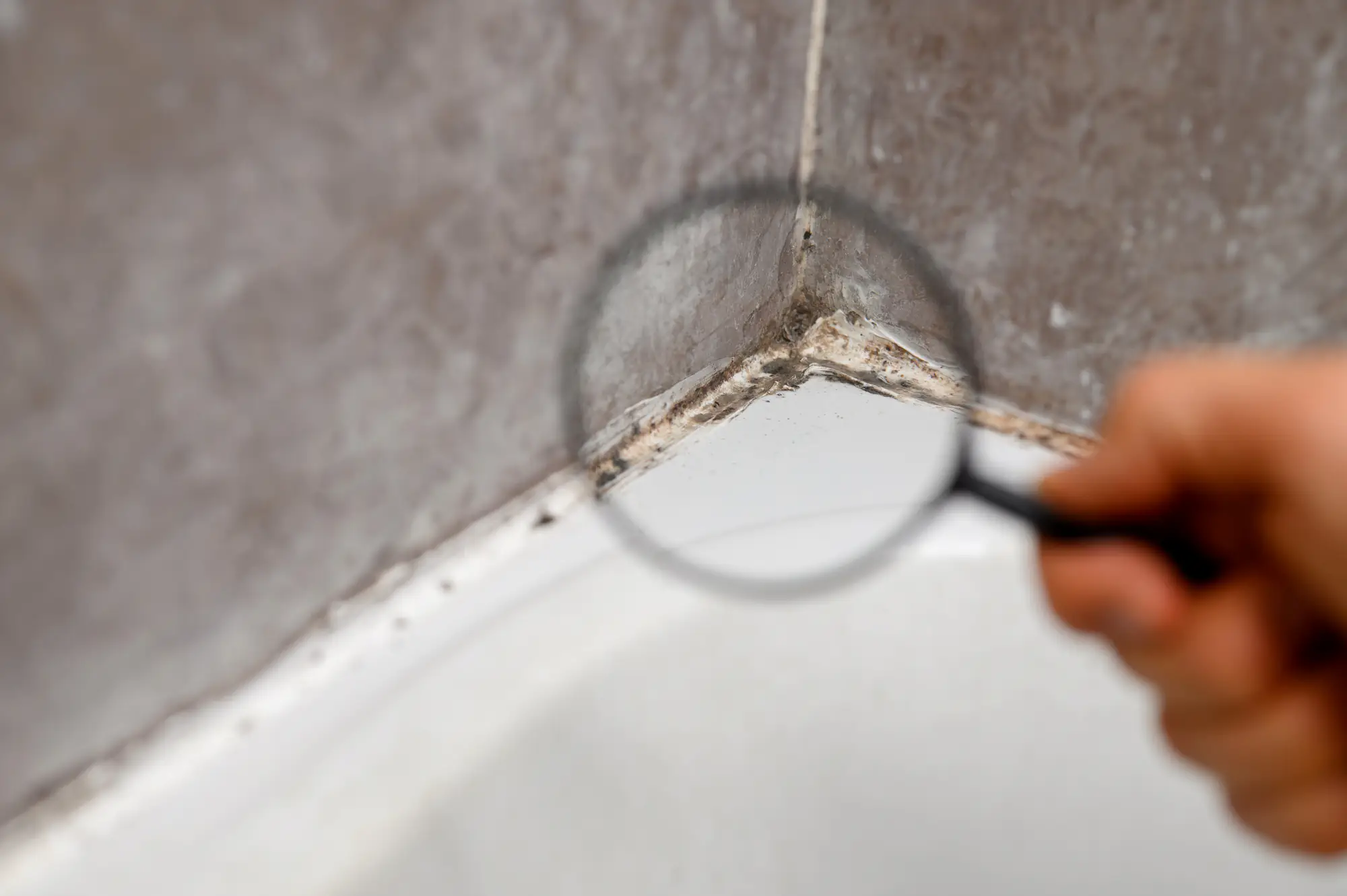
You might see it, smell it, or just notice health symptoms that won’t go away. Visible mold looks like black, green, or white patches on walls, ceilings, or around windows. It often shows up in bathrooms, basements, and attics first.
The smell is musty and earthy. If you notice it in certain rooms or when you open closets, that’s a red flag. But plenty of mold grows where you can’t see it—behind drywall, under flooring, or in crawl spaces.
Health symptoms are another indicator. Stuffy nose, sore throat, coughing, wheezing, burning eyes, or skin rashes that improve when you leave the house often point to mold exposure. Nearly 47% of homes have visible mold or detectable mold odor, so if you suspect it, you’re probably right. We offer free inspections to give you a clear answer.
You can try, but most DIY mold removal fails because homeowners don’t have the right equipment or training to contain spores. Even the smallest mistake lets spores escape and spread throughout your home, making the problem worse.
Professional mold removal uses HEPA filtration, containment barriers, and EPA-approved treatments that actually kill mold at the source. We also find the moisture problem causing the growth. If you don’t fix that, mold comes back no matter how much bleach you spray on it.
Bucks County’s humidity makes this especially tricky. You might clean visible mold off a basement wall, but if moisture is still seeping through your foundation or your ventilation isn’t working, you’re just buying time. Plus, disturbing mold without proper containment can release thousands of spores into the air, creating health risks for anyone in the house.
It depends on how much mold we find and where it’s growing. A small bathroom or closet might take a day. A full basement with hidden mold behind walls could take three to five days.
The inspection happens first and usually takes a couple of hours. We use thermal imaging and moisture meters to map out the full extent of the problem. Then we contain the area, remove contaminated materials, treat surfaces, and run air filtration systems to clean out spores.
Drying and dehumidification add time, especially in Bucks County where humidity stays high most of the year. We don’t rush this part because incomplete drying just invites mold back. You’ll know the timeline after the inspection, and we’ll keep you updated if we find additional issues once we start removing materials.
Sometimes, but it depends on what caused the mold. If mold resulted from a sudden, covered event like a burst pipe or storm damage, most policies cover removal. If it’s from long-term neglect, poor maintenance, or gradual leaks, they usually won’t.
Pennsylvania doesn’t require insurers to cover mold, so policies vary. Some include mold coverage up to a certain dollar amount. Others exclude it entirely unless you buy additional coverage.
We document everything with photos, moisture readings, and lab results because insurance companies want proof of the cause and extent of damage. We’ve worked with local insurers throughout Bucks County, and we know what they need to process claims. Get your policy details, call your insurer before we start, and we’ll provide the documentation to support your claim if it’s covered.
Mold removal means getting rid of visible mold growth. Mold remediation means bringing mold levels back to normal, natural levels—because mold spores exist everywhere, and you can’t eliminate them completely.
Remediation is the more accurate term for what we do. We remove contaminated materials, treat affected areas, clean the air, and fix the moisture problem that allowed mold to grow. The goal isn’t a sterile environment. It’s a safe environment where mold isn’t actively growing and releasing spores.
This distinction matters because some companies will clean visible mold and call it done. That’s removal, but it’s not remediation. If the humidity issue in your Zionhill basement isn’t fixed, or the roof leak isn’t repaired, mold comes back. We handle both the growth and the cause, which is why our work lasts.
Control moisture. That’s it. Mold needs water to grow, so if you keep humidity below 60% and fix leaks immediately, you eliminate the conditions mold requires.
In Bucks County, that means running dehumidifiers in basements during humid months, improving ventilation in bathrooms and attics, and addressing foundation issues that let groundwater seep in. Check your gutters and downspouts to make sure water drains away from your home’s foundation.
Fix leaks fast. Mold can start growing within 24-48 hours of water exposure, so even small problems turn into big ones if you wait. If you’ve had water damage, get it dried professionally. We also recommend periodic inspections, especially if your home is older or you’ve had mold issues before. Catching moisture problems early prevents mold from ever taking hold again.
Other Services we provide in Zionhill