
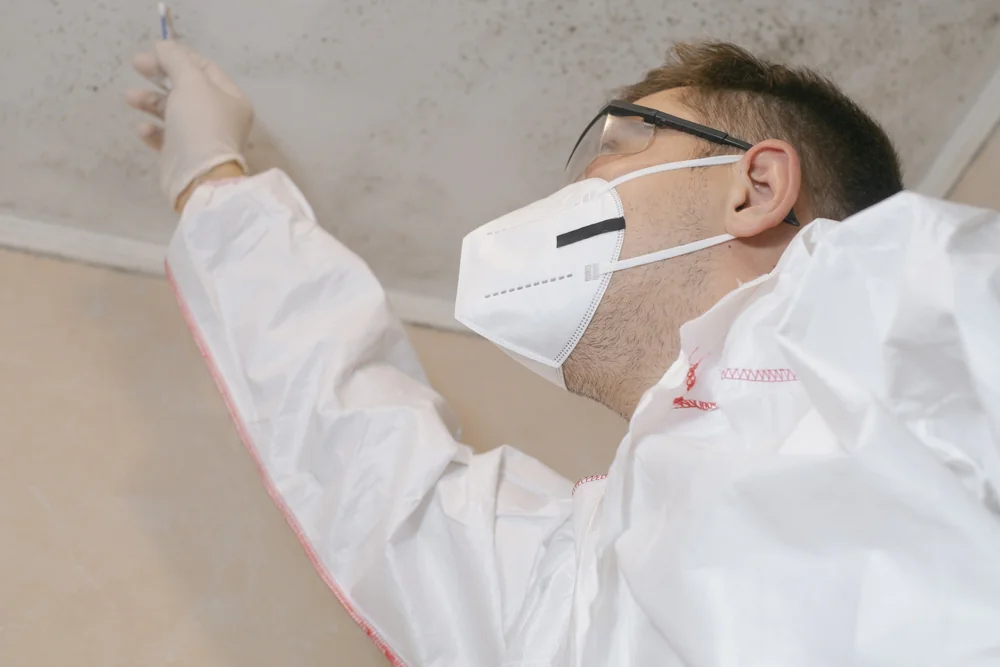
Hear from Our Customers
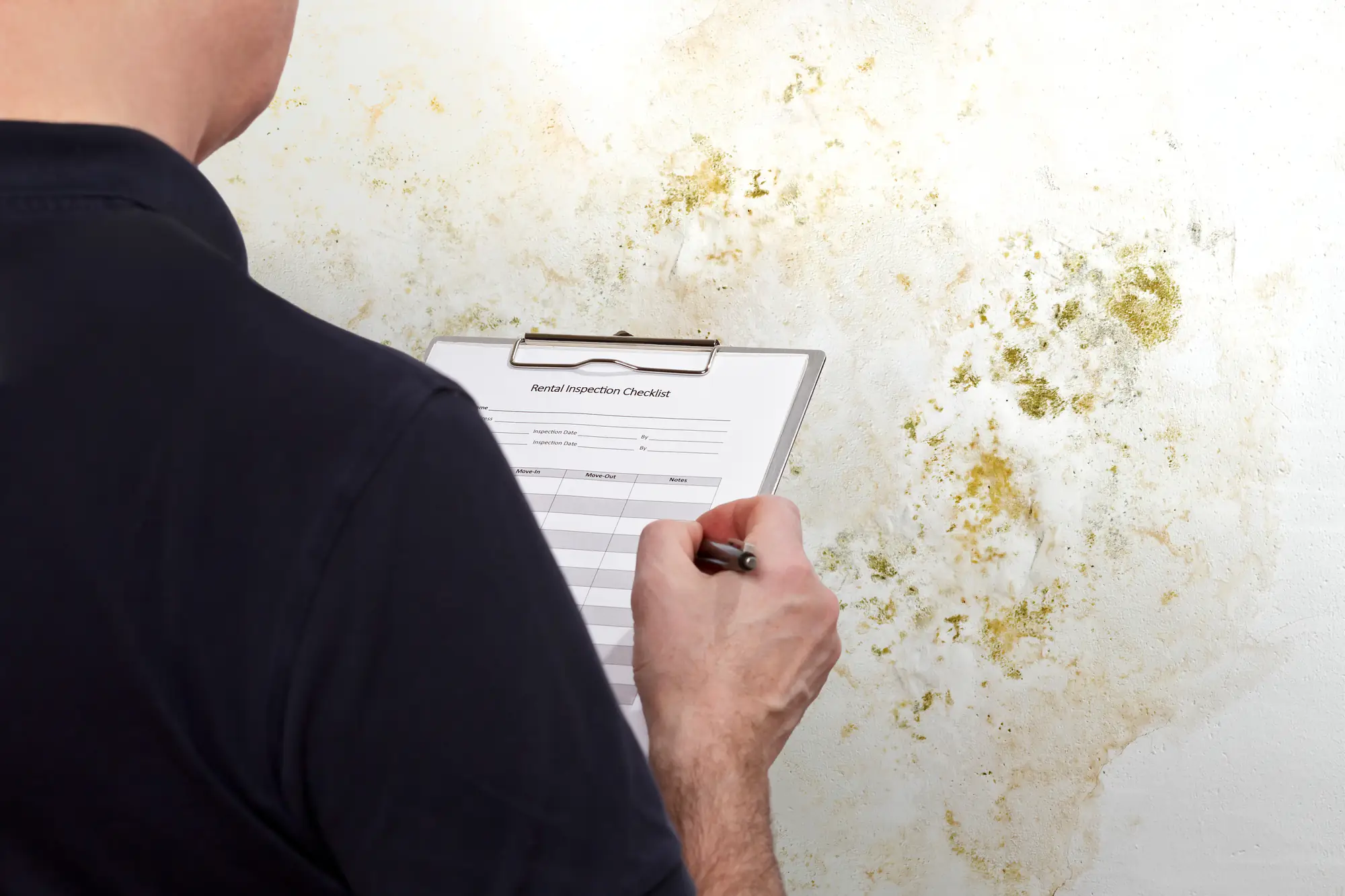
You don’t need more worry. You need answers.
A proper mold inspection tells you if there’s a problem, where it is, and what species you’re dealing with. That matters because black mold requires different handling than surface mildew. Insurance companies want documentation. Buyers want proof. You want to know if your family is breathing contaminated air.
We use moisture meters and thermal imaging cameras to find elevated humidity levels behind walls and under floors—places a DIY kit will never reach. Then we take air samples and send them to a certified lab. You get a report that identifies specific mold types, measures concentration levels, and compares your indoor air quality to outdoor baselines.
No guessing. No panic. Just clear information that helps you make the right call—whether that’s remediation, monitoring, or walking away from a bad real estate deal.
We’ve been helping Warminster Heights homeowners deal with mold problems since day one. We know this area. We know the humidity issues that come with Pennsylvania summers and the basement moisture problems that show up every spring.
Our team uses calibrated equipment and follows strict testing protocols. We’re not here to upsell you on services you don’t need. We inspect, we test, we report findings, and we explain what it means in plain language.
If you’ve got mold, we’ll tell you. If you don’t, we’ll tell you that too. Warminster Heights homeowners call us because we show up on time, we answer questions without the runaround, and we don’t treat you like you’re supposed to already know this stuff.
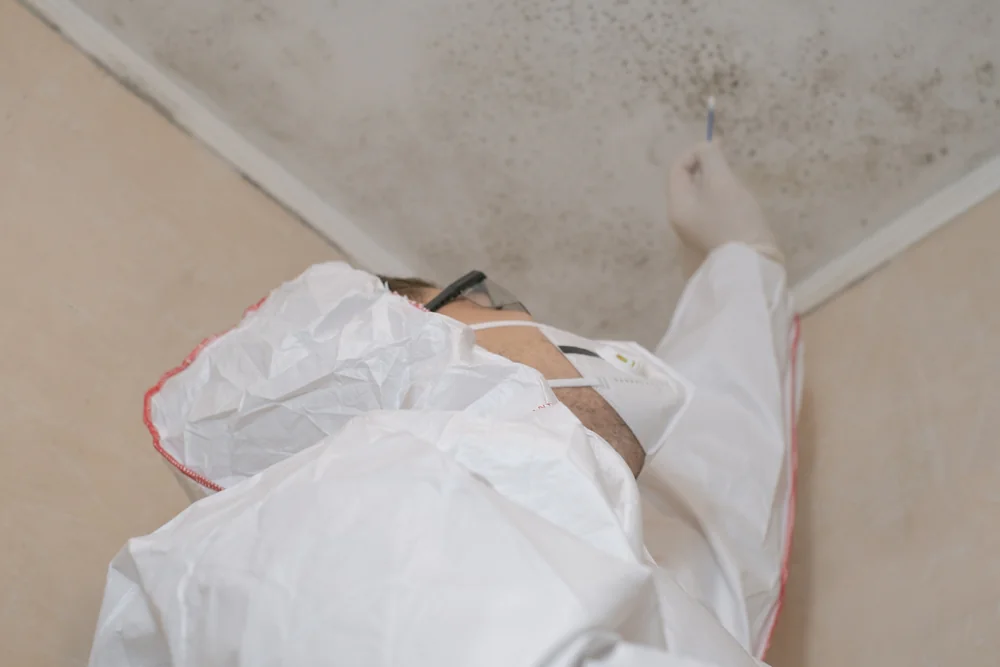
First, we walk through your home and look for visible signs—water stains, discoloration, peeling paint, musty odors. We check the usual suspects: basements, crawl spaces, attics, bathrooms, and anywhere you’ve had leaks or flooding.
Then we bring out the tools. Moisture meters tell us if building materials are holding water. Thermal imaging cameras show us temperature differences that indicate hidden moisture behind walls or ceilings. If we find elevated readings, we know where to focus.
Next comes air sampling. We collect samples from different areas of your home and send them to an independent certified lab. They identify the mold species, measure spore concentration, and compare your indoor levels to what’s normal outside. This tells us if you have an active problem or just typical environmental mold.
You get a detailed report within a few days. We walk you through the findings, explain what each mold type means for your health and property, and recommend next steps. If remediation is needed, we map out a plan. If it’s minor, we tell you how to handle it yourself.

Ready to get started?
Every mold inspection we do in Warminster Heights includes a complete visual assessment of your property. We’re looking at every room, every corner, and every space where moisture tends to collect.
You get moisture level readings throughout the home. Bucks County’s humid climate creates perfect conditions for mold growth, especially in basements and crawl spaces where ventilation is poor. Our meters detect moisture in walls, floors, and ceilings before mold becomes visible.
We use thermal imaging to spot hidden water damage. This technology shows us cold spots that indicate moisture intrusion—often from roof leaks, plumbing issues, or foundation cracks that haven’t shown obvious signs yet.
Air quality sampling is standard. We collect samples from multiple locations and send them to a certified lab for analysis. The lab report identifies specific mold species like Aspergillus, Penicillium, and Cladosporium—all common in Pennsylvania homes—and measures their concentration levels.
You also get a written report with photos, findings, and recommendations. If you’re buying a home, this documentation protects you. If you’re filing an insurance claim, it provides the proof you need. If you’re just concerned about your family’s health, it gives you clarity.
Most professional mold inspections in Warminster Heights run between $300 and $600 depending on your home’s size and how many air samples we need to collect. Larger homes or properties with multiple problem areas cost more because they require additional testing.
Some companies offer free inspections, but they’re usually tied to remediation services. That creates a conflict of interest—they make money when they find problems. We charge for inspections because it keeps our findings objective. You’re paying for honest answers, not a sales pitch.
If you’re buying a home, this cost is minor compared to what you’d spend fixing hidden mold damage later. The average mold remediation project in the U.S. costs around $2,300. Finding problems before you close can save you thousands or give you negotiating power with the seller.
DIY kits can tell you if mold spores are present, but they can’t tell you where the mold is growing or how serious the problem is. Every home has some mold spores in the air—that’s normal. What matters is the concentration level and whether you have active growth.
Those kits also can’t find hidden mold. Mold grows behind walls, under flooring, in HVAC systems, and inside wall cavities where you can’t see it. Our thermal imaging cameras and moisture meters detect problems in those hidden areas before they spread and cause structural damage.
The lab analysis we use identifies specific mold species. That matters because some molds are more dangerous than others. Black mold requires professional remediation and safety protocols. Surface mildew might just need better ventilation. A DIY kit won’t give you that level of detail, and you’ll end up guessing about what to do next.
Most home mold inspections in Warminster Heights take between two and four hours depending on your property size and how many areas need detailed testing. Smaller homes or condos go faster. Larger homes with basements, attics, and crawl spaces take longer.
We’re not rushing through it. We’re checking every room, taking moisture readings, using thermal imaging to scan walls and ceilings, and collecting air samples from multiple locations. If we find visible mold or water damage, we document it with photos and notes.
After the inspection, samples go to the lab for analysis. You’ll get results within three to five business days. Then we schedule a follow-up call or meeting to walk you through the findings and answer questions. The whole process from inspection to final report usually wraps up within a week.
Musty odors are the biggest red flag. If your basement, bathroom, or any room smells like mildew, you’ve likely got mold growing somewhere. That smell comes from microbial volatile organic compounds that mold releases as it grows.
Visible water damage is another sign—stains on ceilings or walls, peeling paint, warped flooring, or discoloration around windows. Even if you don’t see mold yet, moisture creates the conditions for it to grow. Warminster Heights homes deal with humidity and occasional flooding, so water damage often leads to mold problems.
Health symptoms can also point to mold exposure. If you’re dealing with persistent coughing, sneezing, itchy eyes, or respiratory issues that get worse at home and better when you leave, mold could be the cause. People with asthma or allergies tend to react more severely. A mold inspection gives you answers instead of wondering if your home is making you sick.
Not if you handle it right. Finding mold during an inspection gives you the chance to fix it before listing your home. Buyers who discover mold during their own inspection will either walk away or demand major price reductions—sometimes 20% to 37% off your asking price.
If you already know about the mold and have documentation showing it was properly remediated, that’s actually a selling point. You can show buyers the inspection report, the remediation work that was done, and proof that the problem is resolved. That builds trust.
Hiding mold is the worst option. Pennsylvania disclosure laws require you to reveal known defects. If a buyer finds mold you didn’t disclose, you’re looking at potential legal issues and a failed sale. Getting an inspection now protects you legally and financially, and it gives you control over how and when the problem gets fixed.
Yes. Insurance companies require documentation showing that mold was caused by a covered event—usually sudden water damage from burst pipes, roof leaks, or appliance failures. Our inspection report provides that documentation with detailed findings, photos, and lab results.
We can work directly with your insurance adjuster to explain our findings and answer their questions. Insurance claims get denied when homeowners can’t prove the mold resulted from a specific covered incident rather than long-term neglect or maintenance issues.
The key is timing. If you’ve just had a flood, pipe burst, or major leak, get the inspection done quickly. The longer you wait, the harder it is to connect the mold growth to the covered event. Our report establishes that timeline and gives your claim the technical backing it needs to get approved.
Other Services we provide in Warminster Heights