
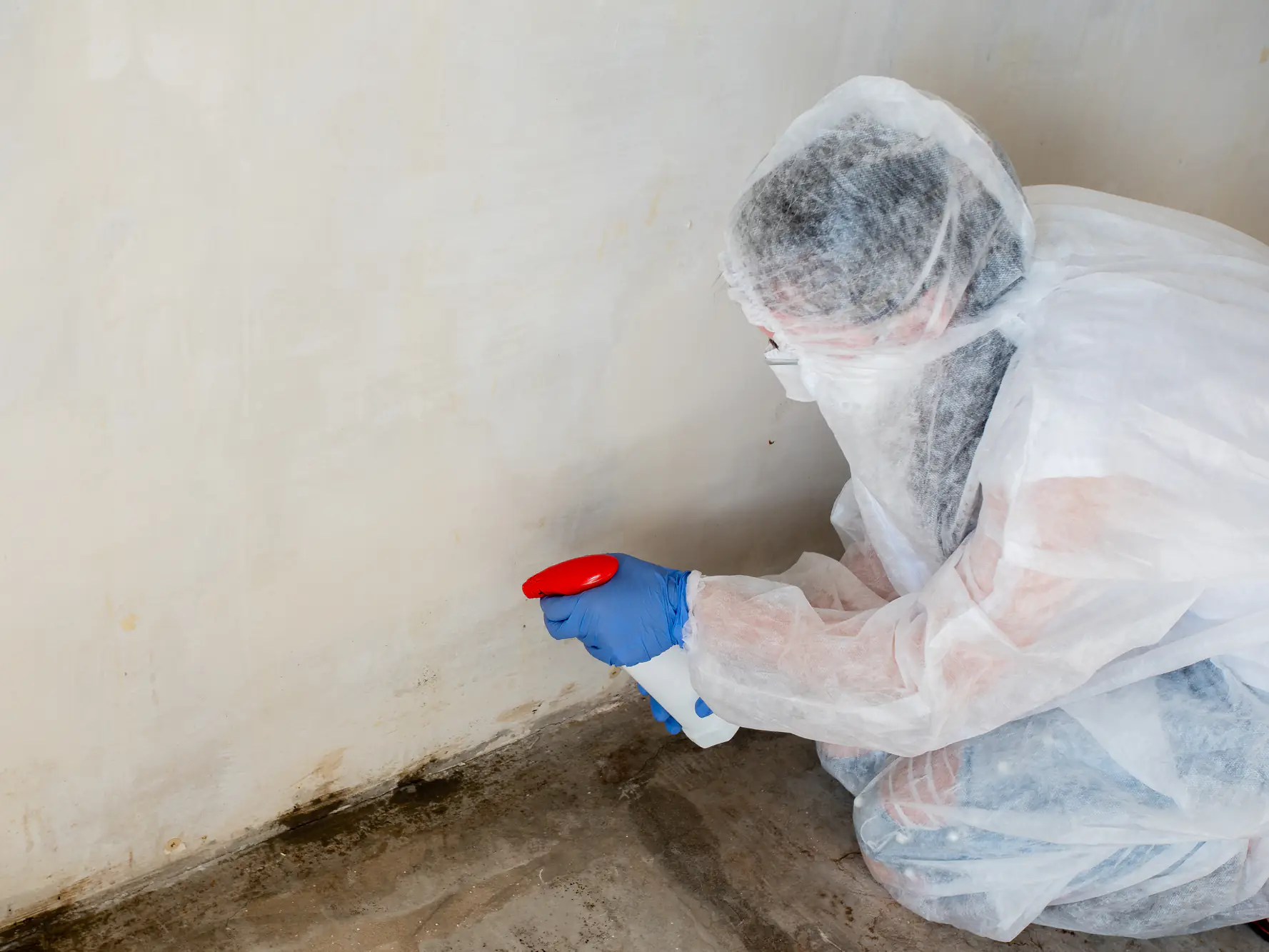
Hear from Our Customers
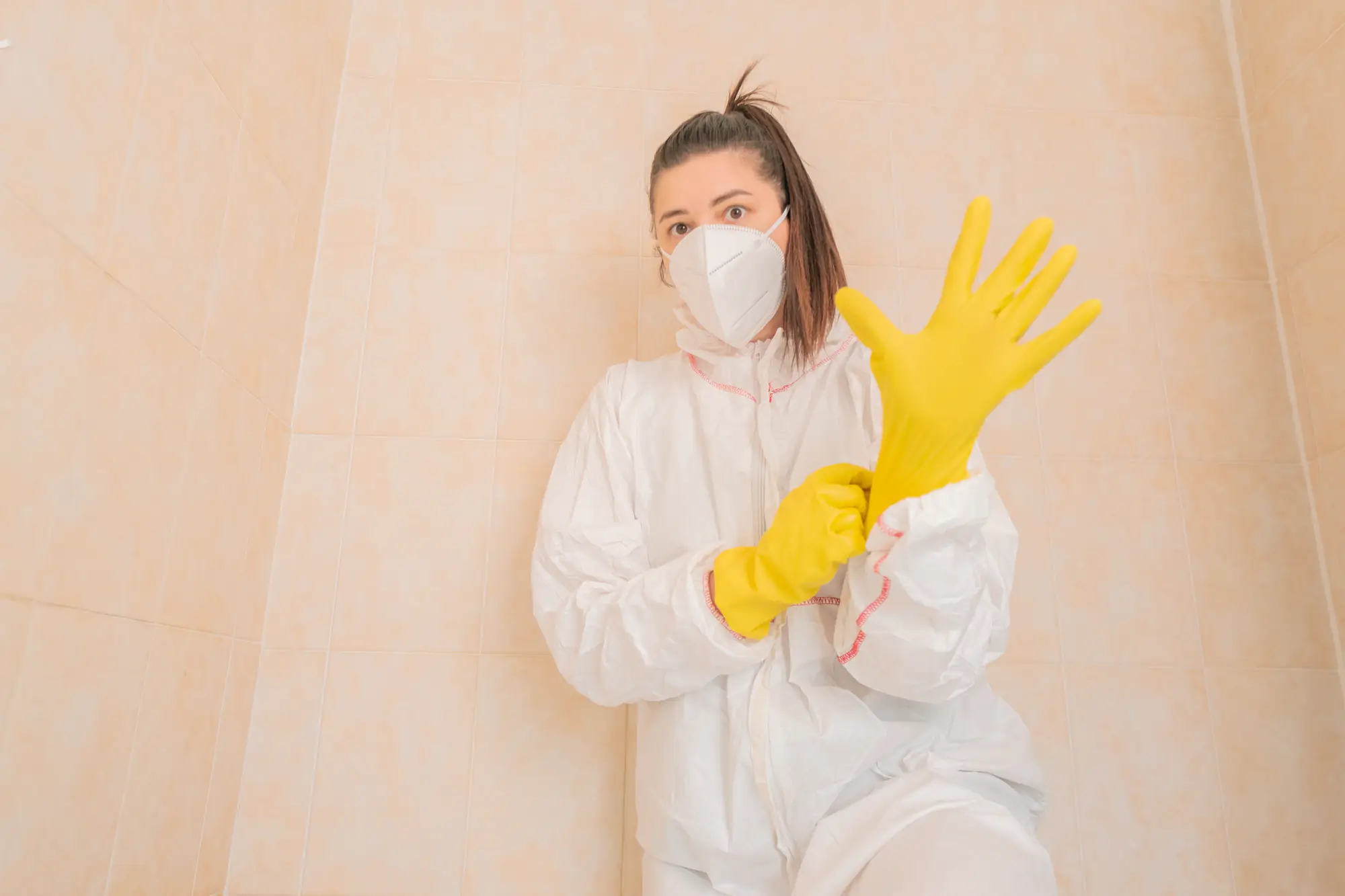
You’re not just dealing with visible spots on the wall. Mold grows behind drywall, under floors, inside HVAC systems—places you can’t see until the damage is done. That’s where respiratory issues start, where property values drop, and where quick fixes fail.
When mold removal is done right, the air quality improves within days. Allergies ease up. That musty smell disappears. Your home stops feeling like a health risk.
But here’s what matters more: the moisture source gets identified and addressed. Because if water’s still getting in—whether it’s a slow leak, poor ventilation, or humidity from Warminster Heights’ climate—mold will return no matter how many times you bleach the surface. Real remediation means you’re not calling someone back in six months to do it again.
We work exclusively in Bucks County, where older homes, fluctuating humidity, and proximity to the Delaware River create perfect conditions for mold growth. We’re IICRC-certified, which means our team follows EPA standards and Pennsylvania regulations—not just best guesses.
We’ve seen what happens when basements flood after spring storms, when attics trap moisture all summer, and when old pipes leak behind finished walls for months before anyone notices. Those aren’t just mold problems—they’re structural and health issues that need proper detection equipment and containment protocols.
Every job starts with a free inspection. We use thermal imaging and moisture meters to find what’s actually growing, not just what’s visible. Then we walk you through what needs to happen and why, so there’s no confusion about the scope or the cost.
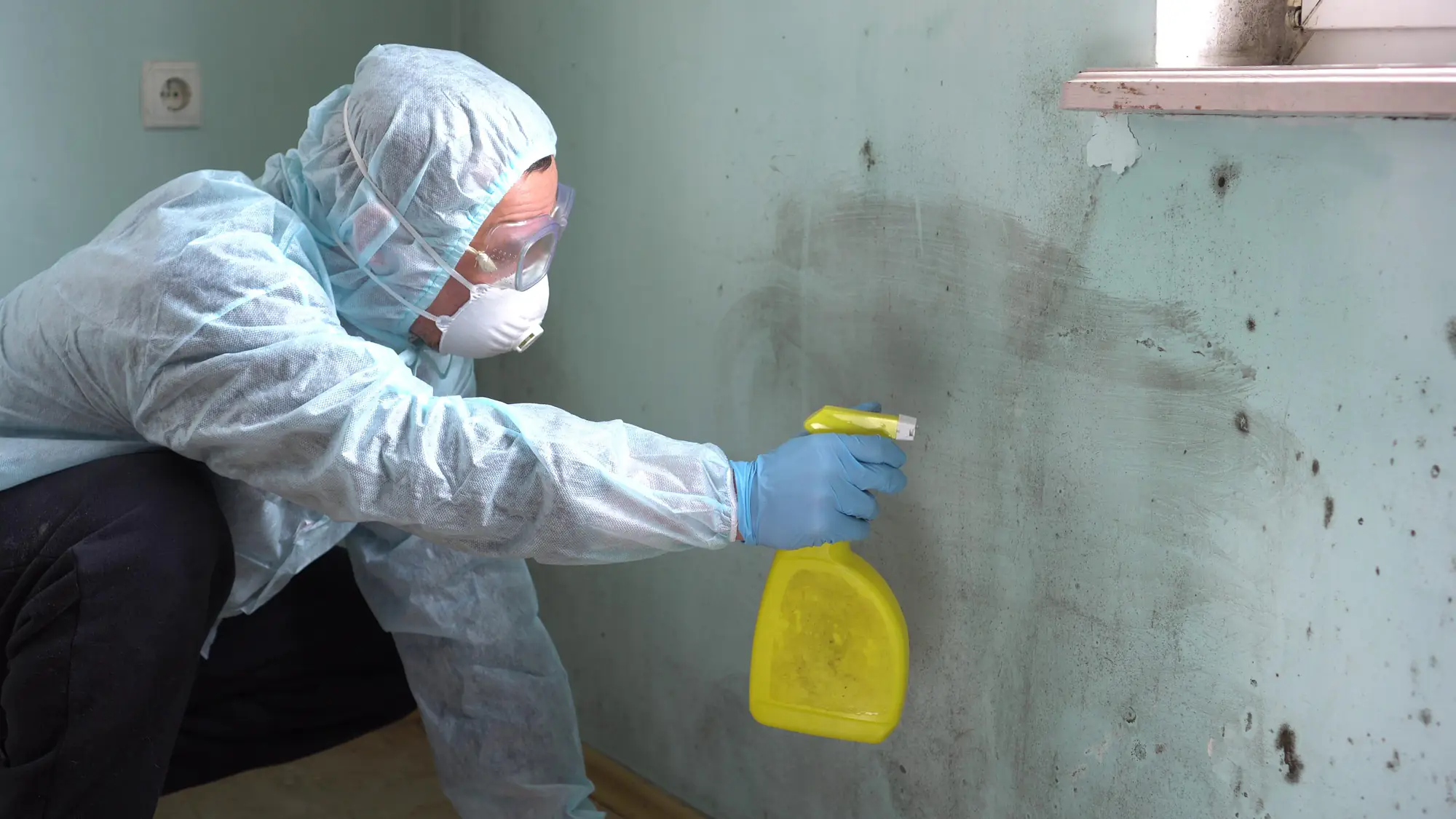
First, we inspect the property with moisture detection tools and air quality testing. This tells us where mold is growing, what type it is, and what’s feeding it. Most mold problems in Warminster Heights trace back to water intrusion—leaking pipes, poor drainage, condensation, or humidity levels above 60%.
Once we map the affected areas, we set up containment barriers and negative air pressure systems. This keeps mold spores from spreading to clean areas during removal. Then we remove contaminated materials—drywall, insulation, flooring—anything that can’t be fully cleaned and dried.
After removal, we treat surfaces with antimicrobial solutions and run air scrubbers to filter out airborne spores. The final step is post-remediation testing to confirm the air quality is back to safe levels. If the moisture source isn’t fixed during this process, the mold will return. That’s why we identify the root cause and either handle the repair ourselves or coordinate with the right contractor. You’re not left guessing what to do next.
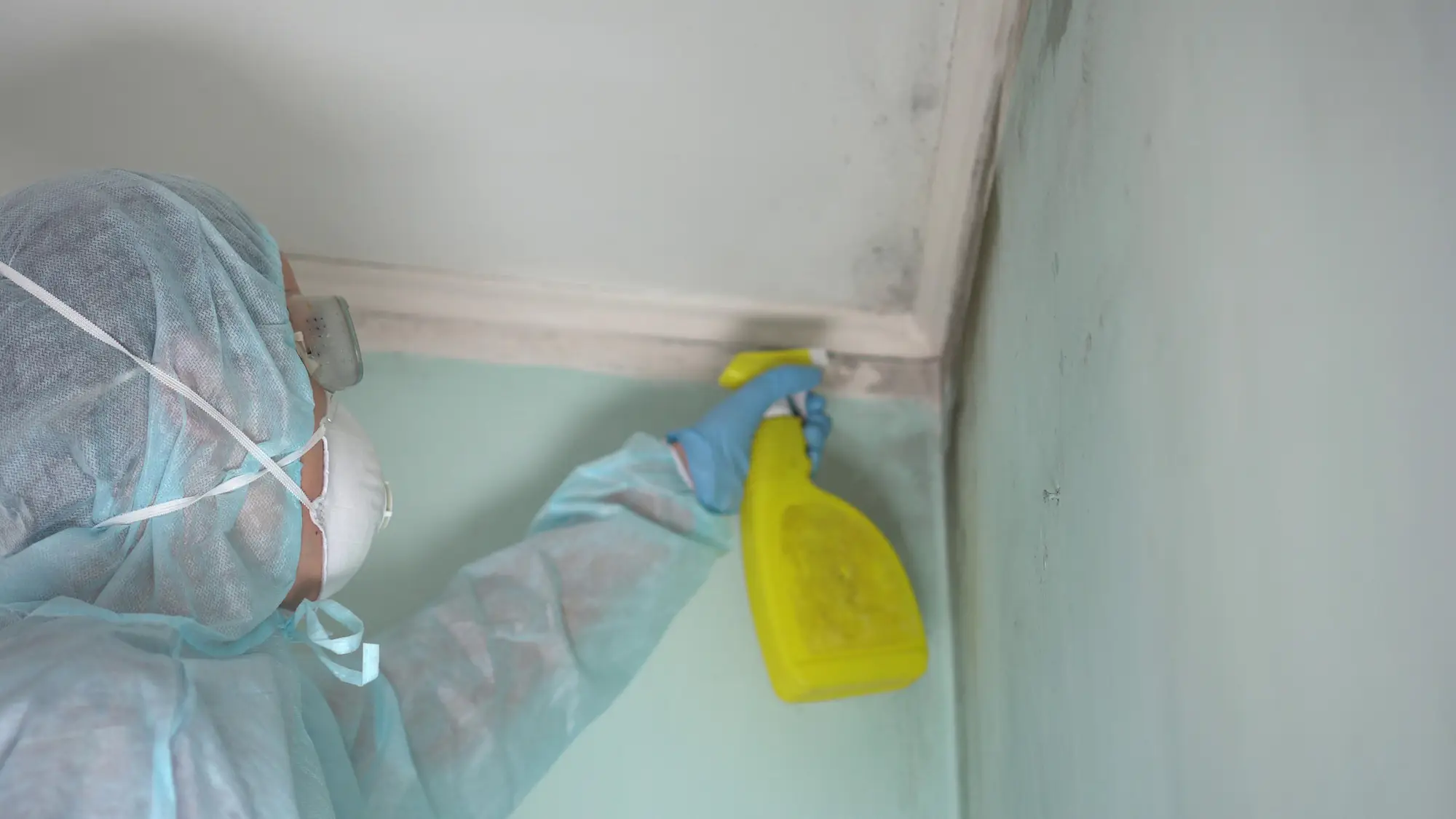
Ready to get started?
Every mold remediation job includes a detailed inspection with thermal imaging and moisture mapping. You’ll know exactly where the problem is and what’s causing it before any work begins. We provide documentation for insurance claims, because many homeowner policies cover mold removal when it’s tied to a covered event like a burst pipe or storm damage.
Containment and air filtration are standard. We don’t skip steps to save time—mold spreads too easily. All affected materials get removed and disposed of properly, and surfaces are treated to prevent regrowth. Post-cleanup air quality testing confirms the job is done right.
Warminster Heights homes—especially older ones—often have multiple moisture sources. Basements with foundation cracks, attics with poor ventilation, bathrooms without exhaust fans. We address those issues as part of the process, not as an upsell later. If your crawl space is damp or your HVAC system is circulating mold spores, that gets flagged and handled.
The goal isn’t just to remove visible mold. It’s to restore your indoor air quality and eliminate the conditions that let mold thrive in the first place. That’s the difference between a mold removal specialist and someone with a spray bottle.

Most mold remediation projects in Bucks County range from $1,200 to $3,400, depending on the size of the affected area and how extensive the damage is. A small bathroom with surface mold might cost $500 to $1,500. A finished basement with hidden mold behind walls and inside HVAC ducts can run $3,000 to $6,000 or more.
The price depends on how much material needs to be removed, whether containment barriers are required, and if structural repairs are necessary after remediation. Insurance sometimes covers mold removal if it’s caused by a covered event—like a burst pipe or storm damage—so it’s worth checking your policy before assuming you’re paying out of pocket.
We provide a detailed estimate after the initial inspection, so there’s no guessing. You’ll know what the job involves and what it costs before any work starts.
Musty odors are the most common sign, especially in basements, bathrooms, or areas that stay damp. If you smell mold but don’t see it, it’s likely growing inside walls, under flooring, or in your HVAC system. Other signs include water stains on ceilings or walls, peeling paint, warped floors, and increased allergy symptoms that get worse indoors.
Mold grows within 24 to 48 hours after water exposure, so any past leaks—even ones you thought were dried out—could have left mold behind. Warminster Heights’ humidity, especially in summer, creates conditions where mold thrives in hidden spaces like crawl spaces and attics.
Professional mold inspections use moisture meters and thermal imaging to detect hidden growth. These tools find problem areas that aren’t visible during a walkthrough. If you’ve had water damage, ongoing humidity issues, or unexplained health symptoms, an inspection will tell you what’s actually happening.
Small surface mold—like a little growth on bathroom tile—can usually be cleaned with the right products if you catch it early. But if mold covers more than 10 square feet, if it’s black mold, or if it’s growing inside walls or HVAC systems, DIY removal often makes things worse. Disturbing mold without proper containment spreads spores to other areas of your home.
The bigger issue is that surface cleaning doesn’t address the moisture source. If water is still getting in, mold will return. Professional mold remediation includes moisture detection, containment, complete removal, and post-cleanup air quality testing. We also identify what caused the mold in the first place—whether it’s a leaking pipe, poor ventilation, or foundation issues—and make sure it’s fixed.
Trying to save money on mold removal usually costs more in the long run when the problem comes back or spreads. If you’re dealing with anything beyond a small, isolated spot, it’s worth getting a professional assessment.
Black mold—Stachybotrys chartarum—is the most well-known toxic mold. It produces mycotoxins that cause respiratory issues, chronic fatigue, headaches, and skin irritation, especially in children, elderly individuals, and anyone with compromised immune systems. But other molds can also cause health problems, even if they’re not black mold.
Aspergillus, Penicillium, and Cladosporium are common in Bucks County homes and can trigger allergies, asthma attacks, and respiratory infections. The health risk depends on the type of mold, how much is present, and how long someone’s been exposed. Any visible mold growth or musty odor should be taken seriously, because it means spores are circulating in your indoor air.
If you see mold or suspect hidden growth, the safest approach is professional testing and removal. We identify the mold type, assess the extent of contamination, and remove it using containment protocols that prevent further exposure. Waiting to see if symptoms get worse isn’t worth the risk.
Most residential mold remediation jobs take two to five days, depending on the size of the affected area and the extent of the damage. A single-room project—like a bathroom or small basement section—might be completed in one to two days. Larger jobs involving multiple rooms, HVAC systems, or structural repairs can take a week or more.
The timeline includes inspection, containment setup, removal of contaminated materials, surface treatment, air scrubbing, and post-remediation testing. Drying out the space properly is critical, because any remaining moisture will allow mold to regrow. Rushing through remediation to save time almost always leads to recurring problems.
We’ll give you a clear timeline after the initial inspection, so you know what to expect. If you’re dealing with an insurance claim or need temporary accommodations during the work, we’ll coordinate that upfront. The goal is to get your home safe and livable again without cutting corners.
Mold will return if the moisture source isn’t fixed. That’s the most important part of remediation—identifying why mold grew in the first place and eliminating that condition. If a pipe is still leaking, if your basement still floods during heavy rain, or if humidity levels stay above 60%, mold will regrow no matter how thoroughly it’s removed.
Professional mold remediation includes moisture detection and source elimination. We don’t just clean up what’s visible—we find out what’s feeding the mold and address it. That might mean repairing plumbing, improving ventilation, sealing foundation cracks, or installing dehumidifiers. Without those fixes, you’re treating symptoms instead of solving the problem.
After remediation, maintaining proper humidity levels and addressing water intrusion quickly will prevent future growth. We provide recommendations for long-term prevention based on your home’s specific issues. If the root cause is handled correctly, mold shouldn’t come back.
Other Services we provide in Warminster Heights