
Hear from Our Customers
You spend 90% of your time indoors. If something’s wrong with the air in your home, you’re breathing it every day—while you sleep, while you eat, while your kids play on the floor.
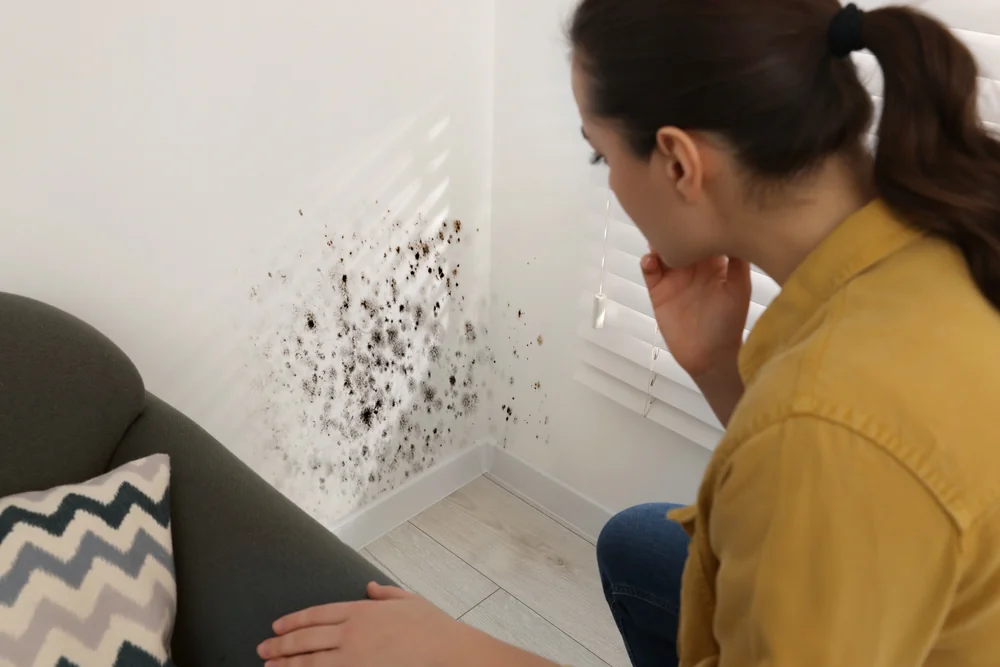
A home air quality test tells you exactly what’s floating around. Mold spores from that basement leak you thought dried up. Allergens trapped in ductwork. VOCs off-gassing from materials you didn’t even know were there.
Most people wait until someone gets sick or the smell becomes unbearable. By then, the problem’s already spread. Professional air quality testing catches it early—when it’s still fixable without ripping out drywall or replacing HVAC systems.
You get a clear report. You know what the issue is, where it’s coming from, and what needs to happen next. No more wondering if that cough is seasonal or structural.
We’ve been helping families in Warminster Heights and across Bucks County figure out what’s making their homes unhealthy. We’re not new to this. We know how Pennsylvania humidity works, how older homes in this area were built, and where problems hide.
Warminster Heights has plenty of homes built in the ’40s and ’50s—cinder block construction, minimal ventilation, basements that were never meant to stay dry. Add in our summer humidity that sits between 60% and 90%, and you’ve got conditions where mold doesn’t just grow—it thrives.
We use EPA-approved methods and the same equipment insurance companies rely on for documentation. When we test your air, you’re getting accurate data, not a sales pitch.
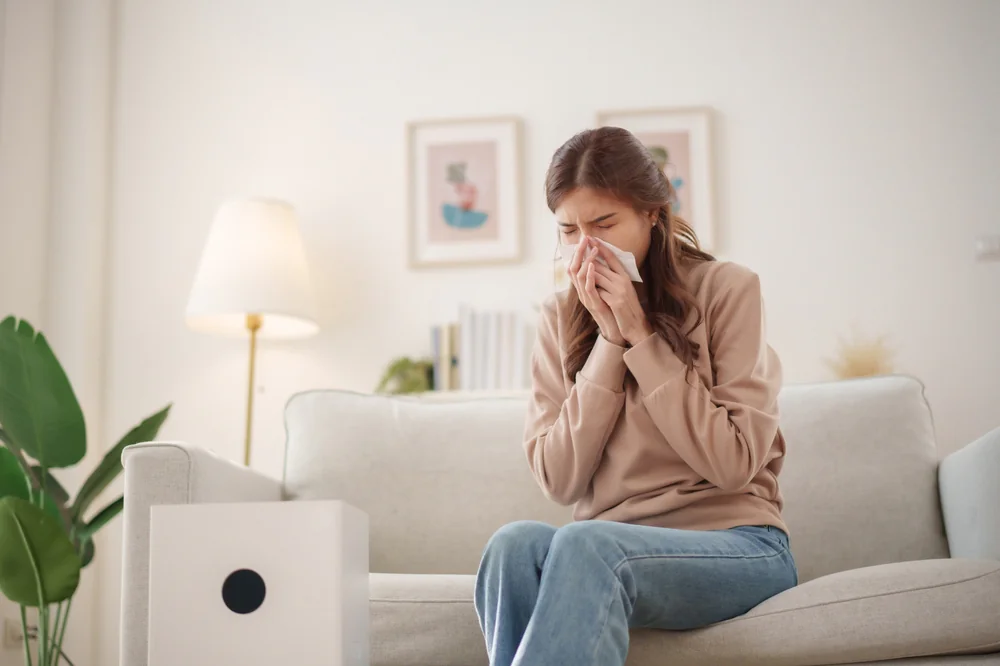
First, we walk through your home and ask questions. When did you notice the smell? Any recent water damage? Health symptoms that get better when you leave the house? This helps us know where to look.
Then we start testing. We use air sampling equipment to capture what’s floating in your air—mold spores, particulates, allergens. We also use moisture meters and thermal imaging to find hidden dampness behind walls, under floors, in attics. Mold doesn’t always show itself, but moisture always gives it away.
If we find visible growth, we take samples to identify the type. Not all mold is the same, and knowing what you’re dealing with determines how it gets handled.
Once testing is done, samples go to a lab. You get a full report that breaks down what we found, where the contamination is, and what the levels mean for your health. We explain it in plain terms—no jargon, no upselling.
If remediation is needed, we map out the plan. If it’s something simple you can handle yourself, we’ll tell you that too.

Ready to get started?
A mold air test isn’t just about confirming there’s a problem. It’s about understanding the scope so you’re not blindsided later.
We test for airborne mold spores, which are often the biggest health risk. Even if you don’t see mold, spores can circulate through your HVAC system and settle in every room. Air sampling catches that.
We also check for moisture intrusion using thermal imaging and moisture meters. In Bucks County, foundation moisture is common in older homes. Poor attic ventilation is another culprit—especially in summer when temps stay between 77°F and 87°F for weeks. That heat combined with humidity creates perfect conditions for hidden growth.
You’ll get a lab-certified report that identifies mold types, spore counts, and contamination levels. This isn’t a pass/fail—it’s detailed data you can use to make informed decisions. If you’re buying or selling a home, this documentation matters. Pennsylvania law requires disclosure of known mold issues, and a professional test protects both sides.
We also work directly with insurance companies if your situation qualifies for a claim. We know what they need to see, and we provide it.
Cost depends on the size of your home and how many areas need testing. A basic mold air test for a single room runs lower than a whole-home indoor air quality test that checks for VOCs, allergens, and particulates in addition to mold.
Most residential air quality testing in Bucks County falls between $300 and $800. If you need multiple air samples, surface samples, or thermal imaging to find hidden moisture, that affects pricing.
We offer free inspections, so you’re not paying just to have someone look around. If testing makes sense, we’ll explain what’s involved and what it costs before we do anything. No surprises.
You can, but those kits miss a lot. They’re designed to give you a yes/no answer, not a full picture. They don’t tell you what type of mold you have, how much is in the air, or where it’s coming from.
DIY kits also don’t account for moisture hidden behind walls or in crawl spaces. You might test a room that comes back clean while mold is growing six inches behind the drywall. By the time it’s visible, it’s already a bigger problem.
Professional testing uses calibrated equipment and lab analysis. We’re not just checking if mold exists—we’re identifying species, measuring spore counts, and finding the source. That’s what you need to actually fix the issue, not just confirm it.
The on-site portion usually takes one to two hours depending on your home’s size and how many areas we’re testing. We’re not rushing through it—we’re being thorough.
Air samples need time to capture enough data, and we’re also inspecting visually, checking moisture levels, and using thermal imaging to find hidden problems. If we’re testing multiple rooms or taking surface samples in addition to air samples, it takes longer.
After we’re done, samples go to a certified lab. Results typically come back within three to five business days. Once we have the report, we’ll walk you through it and answer any questions. If remediation is needed, we can start as soon as you’re ready.
Musty smells that don’t go away are the most obvious sign. If your basement, bathroom, or any room smells off even after cleaning, something’s growing.
Health symptoms are another red flag. Allergies that get worse at home, constant sinus issues, headaches, fatigue that improves when you leave the house—those aren’t random. Indoor air pollution is often two to five times worse than outdoor air, and if mold or allergens are circulating, your body’s reacting.
Visible water damage is a clear indicator. Even if the leak’s been fixed, mold can start growing within 24 to 48 hours. In Bucks County’s humid climate, that timeline’s even shorter during summer. If you’ve had any water intrusion—roof leak, burst pipe, foundation seepage—testing makes sense even if you don’t see mold yet.
Yes. That’s the point. A professional mold air test shows you contamination levels, mold types, and where the problem is. From there, it’s clear whether remediation is necessary or if you’re dealing with something minor.
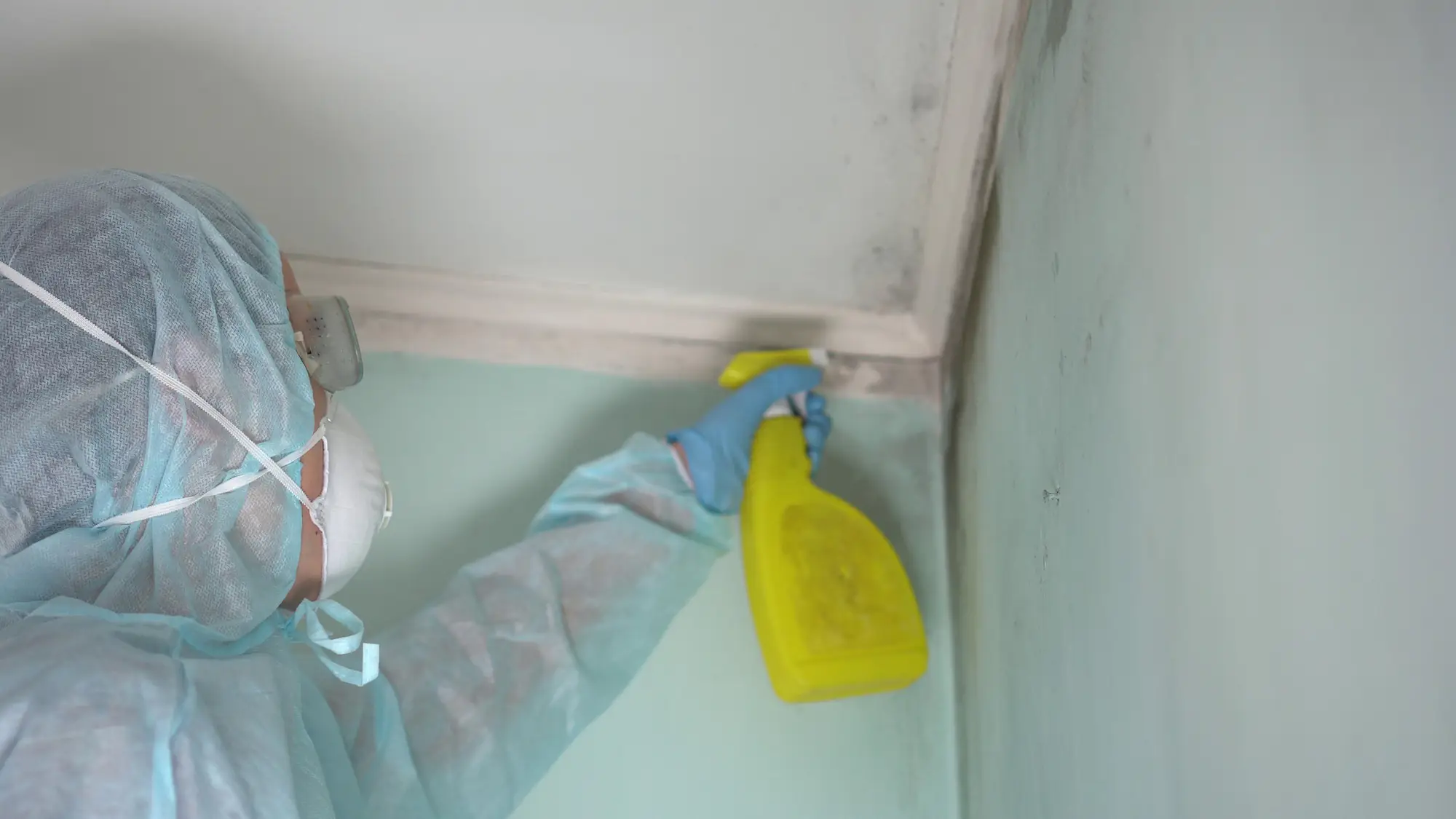
If spore counts are elevated or we find toxic mold species like Stachybotrys, remediation isn’t optional—it’s needed to protect your health and your home. If levels are low and there’s no active growth, we’ll tell you that too.
The report gives you documentation you can use for insurance claims, real estate transactions, or just your own decision-making. Pennsylvania disclosure laws require sellers to report known mold issues, so if you’re buying a home in Warminster Heights, testing protects you from inheriting someone else’s problem. If you’re selling, it protects you from lawsuits down the road.
Yes. We’re available 24/7 if you’re dealing with sudden water damage, sewage backup, or any situation where mold growth is likely. The faster you test and respond, the less damage occurs.
Mold can spread through a home in 72 hours or less, especially in Pennsylvania’s humid conditions. If you’ve had a pipe burst, roof leak, or flooding, waiting even a few days gives mold time to colonize. At that point, remediation becomes more extensive and more expensive.
Emergency testing prioritizes speed. We get on-site quickly, assess the situation, take samples if needed, and give you a clear action plan. If remediation needs to start immediately, we handle it. If testing can wait until the area dries, we’ll tell you that too. You’re not getting upsold—you’re getting honest advice based on what’s actually happening in your home.
Other Services we provide in Warminster Heights