
Hear from Our Customers
You’re not looking for someone to guess. You need to know if there’s mold, where it is, what type it is, and whether it’s making your family sick.
That’s what a real mold inspection does. We use thermal imaging to spot moisture you can’t see. We test your air quality to identify spores circulating through your HVAC system. We check behind walls, under floors, and in crawl spaces where mold grows unnoticed for months.
Pennsylvania’s humid summers create perfect conditions for mold. July and August push indoor humidity past 60%, and if your home has poor ventilation or past water damage, mold doesn’t need a major leak to take hold. It just needs time.
When we’re done, you’ll have a detailed report that tells you what’s happening in your home. No upselling. No scare tactics. Just facts you can use to make the right call—whether that’s remediation, monitoring, or simple humidity control.
We’ve been serving Gallows Hill and Bucks County for over a decade. We’re IICRC-certified, and we only do inspections—not remediation. That means we have no reason to exaggerate what we find.
Our job is to give you accurate information. We’re not trying to sell you a removal package. We’re here to tell you what’s actually in your home so you can decide what happens next.
Gallows Hill sits in an area with clay-heavy soil and older homes that weren’t built with modern moisture barriers. Basements stay damp. Attics trap heat. Crawl spaces collect condensation. We’ve seen it all, and we know what to look for in homes like yours.
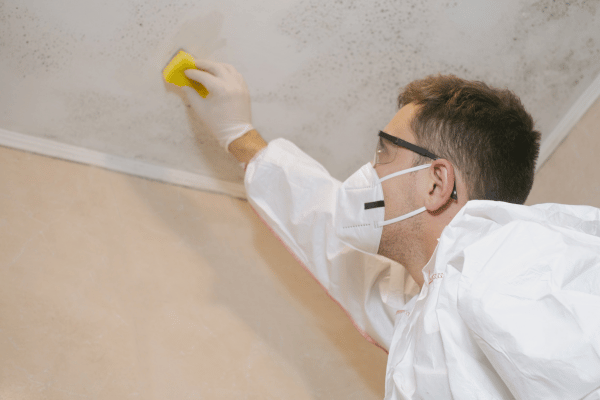
We start with a visual assessment of your home. That includes checking areas where mold commonly grows—bathrooms, basements, attics, around windows, under sinks, and near HVAC systems.
Then we use thermal imaging cameras to detect moisture behind walls and under floors. Mold needs moisture to grow, and this technology shows us where water is hiding even when surfaces look dry.
We also take air samples to measure spore levels in your indoor air. This tells us if mold is actively spreading through your ventilation system. If needed, we’ll take surface samples to identify the specific type of mold present—especially if black mold is suspected.
Once testing is complete, we send samples to a certified lab. You’ll receive a full report within a few days that includes spore counts, moisture readings, photos, and our recommendations. If mold is found, we’ll explain what it means for your health and your home, and what your options are moving forward.
Ready to get started?
Every home mold inspection includes a full walkthrough, thermal imaging, moisture mapping, and air quality testing. We don’t skip steps to save time. We’re looking for the source of the problem, not just the visible symptoms.
In Gallows Hill, we see a lot of mold tied to basement moisture and poor attic ventilation. Homes built before 2000 often lack vapor barriers, and summer humidity gets trapped in wall cavities. That’s where mold grows without anyone noticing until there’s a smell or someone gets sick.
We also check your HVAC system. If mold spores are circulating through your ducts, you’re breathing them in every time the system runs. Most people don’t think to look there, but it’s one of the most common places we find contamination.
You’ll get a written report with lab results, photos, and a breakdown of what we found. If remediation is needed, we’ll refer you to a licensed contractor—we don’t do the removal work ourselves, so there’s no conflict of interest. Our only job is to give you the truth about what’s in your home.
Most inspections take between one and three hours depending on the size of your home and how much access we need to crawl spaces, attics, or basements. We’re not rushing through it.
If your home is under 2,000 square feet and we’re only checking a few areas, we can finish in about an hour. Larger homes or properties with multiple moisture issues take longer because we’re testing air quality, using thermal imaging, and documenting everything we find.
After the inspection, lab results usually come back within three to five business days. We’ll walk you through the report over the phone or in person so you understand exactly what we found and what it means.
A mold inspection is the full process—visual assessment, moisture detection, air sampling, and sometimes surface sampling. Mold testing refers specifically to collecting samples and sending them to a lab for analysis.
You can’t skip the inspection and just do testing. Testing tells you what type of mold is present and how much, but it doesn’t tell you where it’s coming from or why it’s growing. The inspection finds the source—whether that’s a leaky pipe, condensation buildup, or poor ventilation.
In Gallows Hill, most homeowners need both. Pennsylvania’s climate means moisture problems are common, and you need to know where the water is getting in before you can fix the mold issue for good.
You can check for visible mold yourself, but you can’t see what’s behind your walls or measure what’s in your air without the right equipment. That’s where professional mold detection makes a difference.
Thermal cameras show us moisture that’s invisible to the naked eye. Air sampling tells us if spores are circulating through your home even when there’s no visible growth. Surface testing identifies whether you’re dealing with common mold or something more dangerous like black mold.
If you’re buying a home, dealing with health symptoms, or you’ve had water damage in the past, a professional inspection is worth it. You’re not just paying for someone to look around—you’re paying for lab-tested data and a clear plan based on what’s actually happening in your home.
Most mold inspections in Bucks County range from $300 to $600 depending on the size of your home and how many samples we need to take. Air testing and lab analysis are included in that price.
If you need additional surface samples or testing in multiple areas, the cost goes up slightly. But we’ll tell you upfront what’s included before we start. No surprise fees.
Some companies offer free inspections, but they’re usually tied to remediation services—which means they have a reason to find problems. We charge for inspections because we’re independent. We’re not selling you removal services, so you can trust that what we find is accurate.
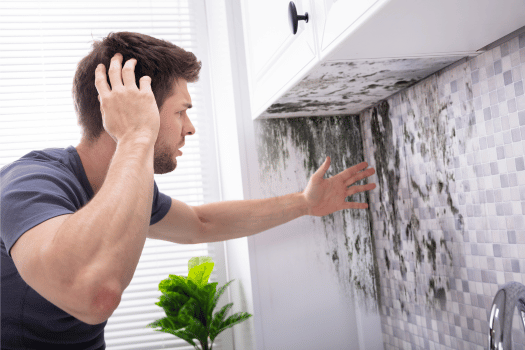
Visible mold is the obvious one, but most people call us because they smell something musty or they’re dealing with health symptoms that won’t go away—coughing, sneezing, headaches, or respiratory issues that get worse at home.
Other signs include water stains on ceilings or walls, peeling paint, warped floors, or condensation on windows. If you’ve had a leak, flood, or burst pipe in the past year, there’s a good chance mold started growing even if you dried everything out.
In Gallows Hill, we also see a lot of mold in homes with damp basements or poor attic ventilation. Pennsylvania summers are humid, and if your home doesn’t have good airflow, moisture gets trapped. That’s all mold needs to grow. If any of this sounds familiar, it’s worth getting an inspection before the problem spreads.
Yes. If we find visible mold, we can take a surface sample and send it to a lab for identification. The lab report will tell you exactly what species of mold is present, including whether it’s Stachybotrys chartarum—the type commonly called black mold.
Not all black-colored mold is toxic black mold, and not all toxic mold is black. That’s why testing matters. Air samples also help us determine if black mold spores are circulating in your home even if we don’t see growth on surfaces.
Black mold grows in areas with constant moisture—behind walls after water damage, under flooring, or in poorly ventilated bathrooms. If you’ve had a serious leak or flooding, it’s worth testing. Black mold produces mycotoxins that can cause serious respiratory problems, especially in kids and anyone with asthma or a weakened immune system.
Other Services we provide in Gallows Hill