

Hear from Our Customers
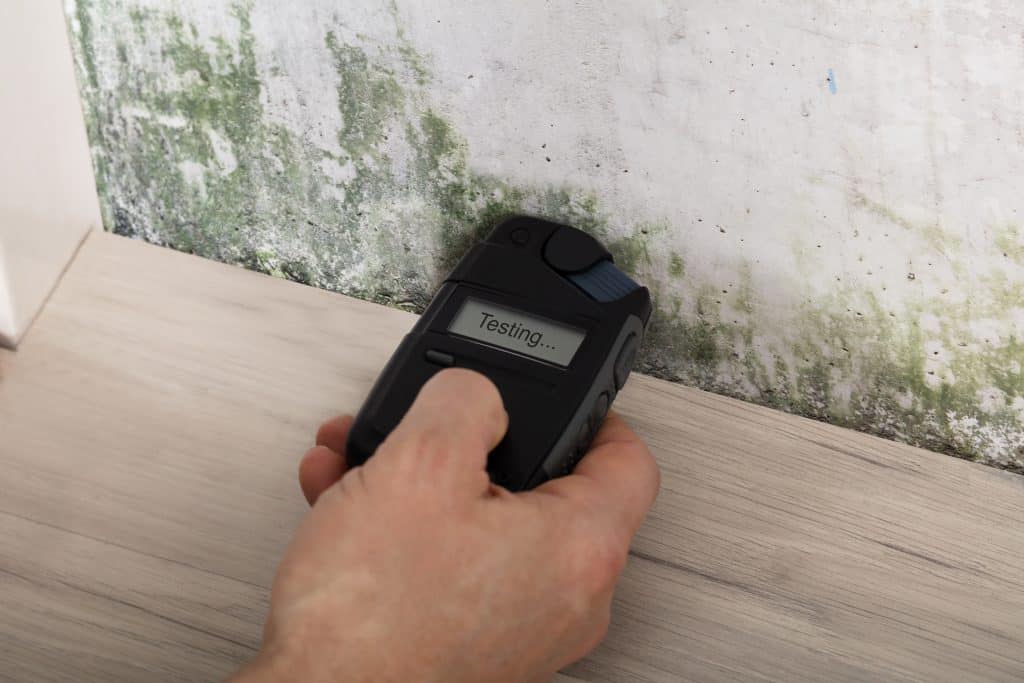
Your family stops dealing with unexplained allergy symptoms and that musty smell disappears. You can breathe easier knowing the air in your home isn’t working against you anymore.
Your property value stays protected. When mold gets handled the right way, you’re not looking at a 20% to 37% drop in resale value or watching half your potential buyers walk away after an inspection.
The problem doesn’t come back next season. Real mold remediation means identifying what caused it—whether that’s a hidden leak, poor ventilation, or drainage issues common in older Gallows Hill, PA homes—and addressing it so you’re not paying for the same fix twice.
We serve Gallows Hill, PA and the surrounding Bucks County area with certified mold remediation specialists who understand what you’re dealing with. Many homes in this area were built before modern moisture management became standard, which means you’re often working with basements that leak, attics that don’t breathe right, and crawl spaces that trap humidity.
We’ve seen it all. Our team uses EPA-approved methods and complies with Pennsylvania regulations because cutting corners on mold work just creates bigger problems down the road.
You get a free inspection, clear pricing before any work starts, and help navigating insurance claims if that’s part of your situation. We’re available 24/7 for emergencies because mold doesn’t wait for business hours.

First, we inspect your property for free. That means checking the obvious spots and the places most homeowners don’t think to look—behind walls, under floors, in attic spaces. We’re identifying the type of mold you’re dealing with and, more importantly, what’s causing it.
Next, we contain the affected area to prevent spores from spreading during removal. This isn’t optional—it’s how you avoid turning a basement problem into a whole-house problem.
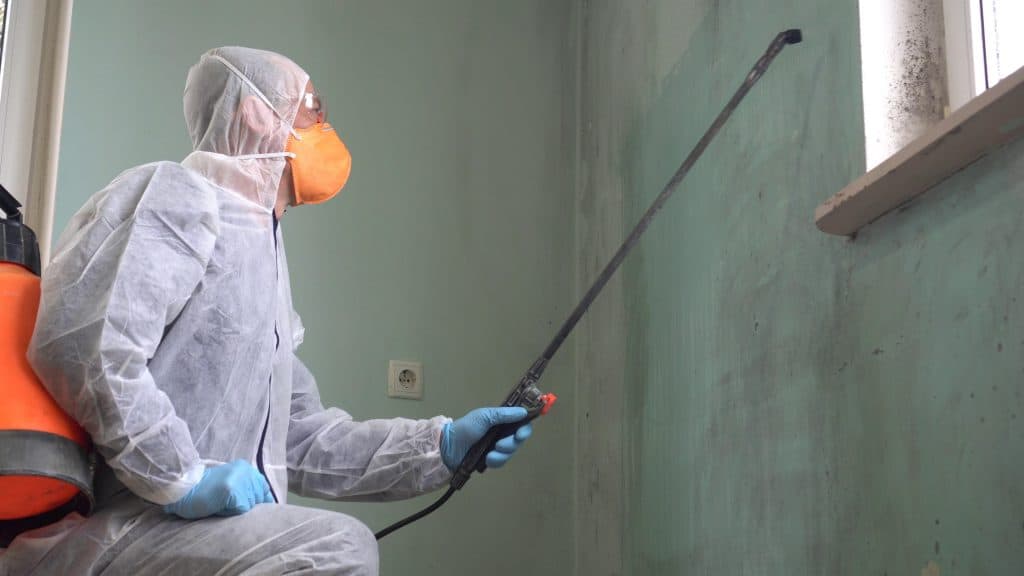
Then comes the actual remediation. We remove contaminated materials, treat surfaces with EPA-approved solutions, and use advanced equipment to dry everything out completely. Mold needs moisture to survive, so if it’s not dry, the job isn’t done.
Finally, we test the air quality to confirm the mold is gone and address the source issue—whether that’s fixing a leak, improving ventilation, or recommending drainage solutions. You get documentation for your records, your insurance company, or future buyers if you ever sell.
Ready to get started?
You get a thorough mold inspection and testing to identify what you’re dealing with. Not all mold is the same, and black mold removal requires a different approach than surface mildew. Testing tells us how to handle it.
Professional mold removal means containment, removal of affected materials, treatment of surfaces, and complete drying. We don’t just clean what you can see—we address what’s hidden because that’s usually where the real problem lives.
Bucks County’s humid climate creates perfect conditions for mold growth, especially from late spring through early fall. If your home has poor drainage, an older foundation, or ventilation issues common in this area, you’re more vulnerable. We account for that in our approach.
You also get help with insurance documentation and claims assistance if your policy covers mold damage. We provide the paperwork and details insurers need, which speeds up the process and reduces your headache.
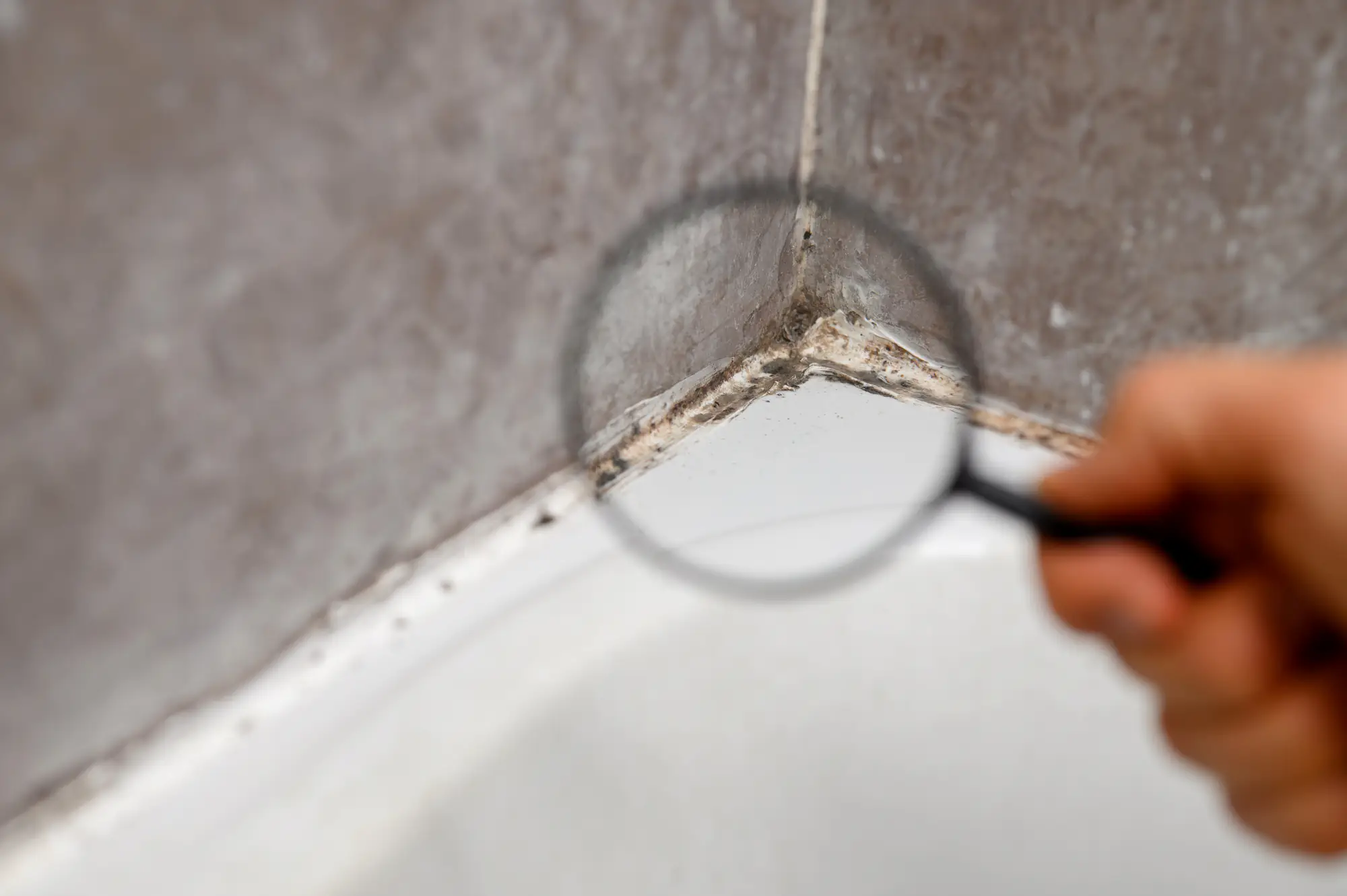
Mold can start forming within 24 to 48 hours after water exposure. That’s not a lot of time, which is why acting fast matters.
If you’ve had a leak, flood, or even high humidity sitting in your basement or crawl space, the clock is already running. Mold spores are everywhere—they just need moisture and a surface to land on.
The longer you wait, the more it spreads. What starts as a small patch behind a wall can turn into a bigger remediation job that costs more and takes longer to fix. If you’re seeing visible mold or smelling that musty odor, it’s already been growing for a while.
It depends on what caused the mold. Most homeowner’s policies in Pennsylvania cover mold removal if it resulted from a covered peril—like a burst pipe or storm damage.
If the mold developed because of long-term neglect, poor maintenance, or ongoing moisture issues you didn’t address, your insurer will likely deny the claim. That’s why documentation matters.
We help you navigate that process. We provide detailed reports, photos, and documentation that show what caused the mold and what’s needed to fix it. Some policies have mold coverage caps, often around $10,000, so knowing your limits upfront helps you plan. Call your insurance company early and ask specifically about mold coverage and exclusions.
If it’s a very small area—less than 10 square feet—and it’s surface mold on a non-porous material, you might be able to handle it yourself with proper protection and cleaning solutions.
But if you’re dealing with black mold, mold behind walls, mold in your HVAC system, or anything larger than a small bathroom patch, you need professional mold removal. Here’s why: disturbing mold without proper containment spreads spores throughout your home. You can turn a single-room problem into a whole-house issue in one afternoon.
We use containment barriers, negative air pressure, HEPA filtration, and EPA-approved treatments that actually kill mold at the source. We also find and fix what caused it, which DIY approaches almost never address. You might scrub away what you see, but if the leak or humidity problem is still there, it’s coming back.
Mold removal sounds like you’re getting rid of every single spore, but that’s not realistic. Mold spores exist everywhere—in the air, on surfaces, floating around outside. You can’t eliminate them completely.
Mold remediation is the accurate term. It means bringing mold levels back to normal, safe levels and removing the conditions that let it grow out of control. That includes removing contaminated materials, treating affected areas, improving ventilation, and fixing moisture problems.
When we talk about remediation, we’re talking about a complete process: inspection, containment, removal, treatment, drying, air quality testing, and source correction. It’s not just cleaning—it’s solving the problem so it doesn’t come back. That’s what you’re paying for, and that’s what actually protects your home and health long-term.
The average mold remediation project costs around $2,300 nationally, but your actual cost depends on the size of the affected area, the type of mold, and how much structural damage exists.
A small bathroom mold issue might run $500 to $1,500. A larger basement or attic job with black mold and water damage can easily reach $3,000 to $6,000 or more. If walls need to be opened up, materials removed, and reconstruction done afterward, costs go up.
You’ll get a clear estimate after the free inspection. We assess the damage, identify the mold type, determine what needs to be removed or treated, and give you upfront pricing before any work begins. No surprises, no hidden fees. If insurance is covering part of it, we’ll work with your adjuster to document everything properly.
Control moisture. That’s the entire game. Mold needs humidity above 60% and a damp surface to grow, so if you eliminate those conditions, it can’t come back.
Fix any leaks immediately—roof leaks, plumbing leaks, foundation cracks that let water in. Improve ventilation in bathrooms, kitchens, and basements. Use dehumidifiers in areas that stay damp, especially during Bucks County’s humid summers. Clean gutters and make sure downspouts direct water away from your foundation.
After we complete mold remediation, we’ll tell you exactly what caused your specific problem and what you need to do to prevent it. Sometimes that’s a simple fix like adding a bathroom fan. Other times it means addressing drainage issues or waterproofing a basement. We give you a realistic prevention plan based on your home, not generic advice.
Other Services we provide in Gallows Hill