
Hear from Our Customers
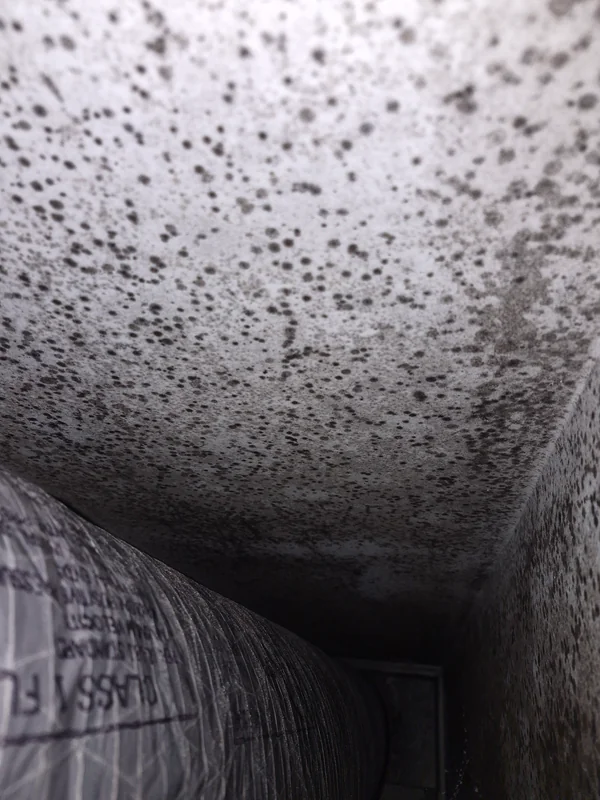
Most homeowners in Gallows Hill never think about what’s inside their ductwork until the heat kicks on in October and something smells off. By that point, whatever’s been growing in there all summer has already been circulating through every room. Getting ahead of that or dealing with it once it’s confirmed is exactly what air duct cleaning is for.
The housing stock along Gallows Hill Road and throughout Springfield Township tells a specific story. These are older homes, many with fieldstone foundations, crawl spaces, and retrofit HVAC systems that were dropped into structures that were never designed for forced air. That means ductwork running through spaces that have been collecting moisture for decades. Every humid Pennsylvania summer, every heavy rain along the Gallows Run corridor, every spring thaw pushes moisture upward through those foundations and into the air your system pulls through the ducts.
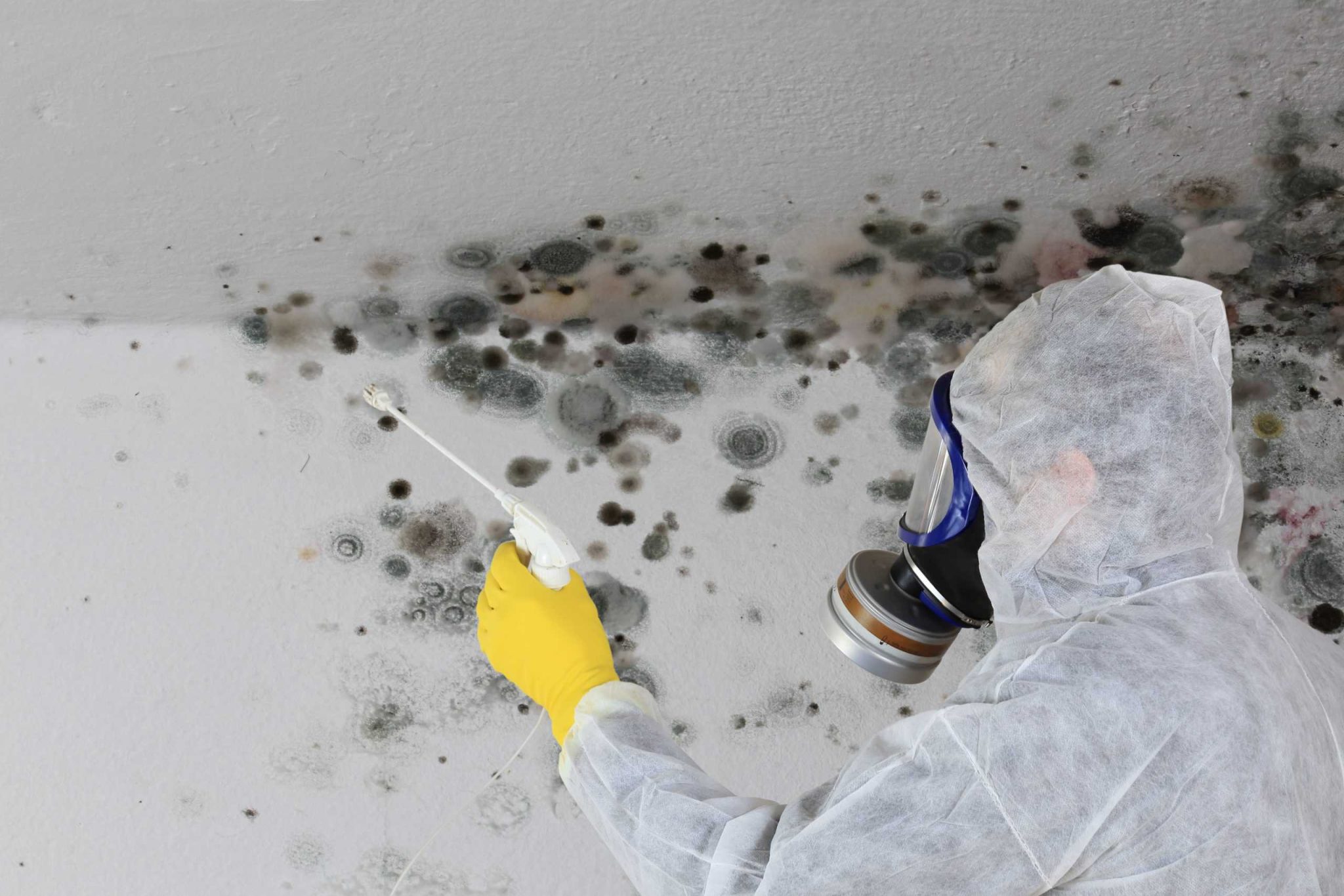
When we clean your air ducts, the goal isn’t just removing dust it’s identifying whether mold has established itself inside the system and eliminating it properly, with containment, so it doesn’t spread further. After the job, you know your HVAC isn’t redistributing the problem every time it cycles. That’s a different outcome than what a general duct cleaning service delivers.
We’ve been serving Bucks County for over 15 years. That’s not a number thrown out to sound established it means we’ve worked through the specific conditions that upper Bucks County properties deal with. Stone foundations. Crawl spaces. Homes on private wells in the Gallows Run watershed where the water table sits close to the surface. These aren’t abstract concerns; they’re the actual conditions that drive mold into HVAC systems in communities like Gallows Hill.
What separates us from a general duct cleaning company is our mold remediation background. Every inspection starts with understanding where moisture is entering your property, not just what’s visible at the register. Samples go to a lab. Results are documented. And after the work is done, the affected areas are tested again to confirm the mold is gone not assumed gone, confirmed.
We’re reachable directly, available 24/7, and have a track record of same-day and next-day responses that customers across Bucks County have specifically called out in their reviews.
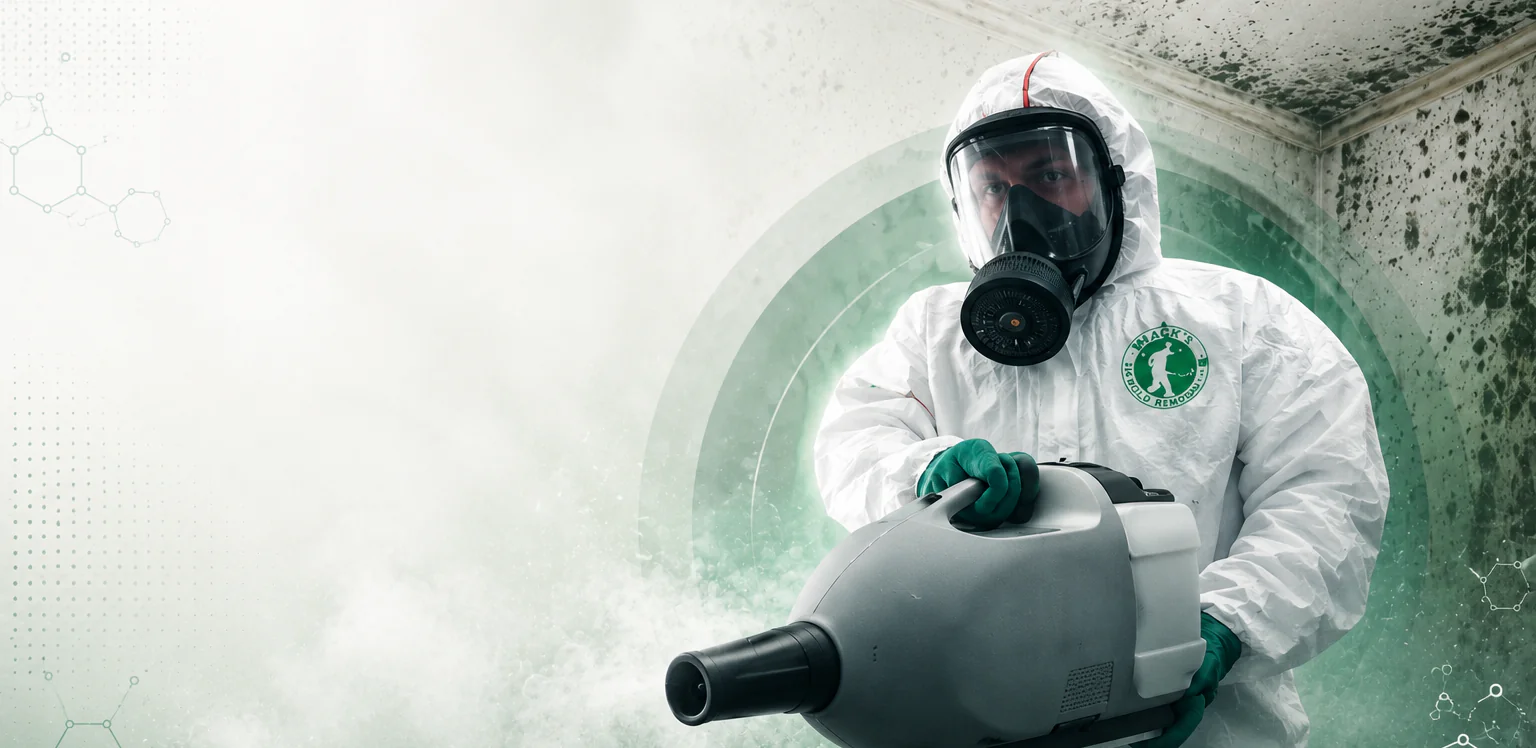
It starts with a free inspection. Before anything is cleaned, we assess your system. In older Springfield Township homes, that means looking at where the ductwork runs through crawl spaces, along stone foundation walls, through sections of the home that were never designed to stay dry. If mold is present, we’ll identify it. If the system is clean, you’ll know that too. There’s no pressure to proceed with a service you don’t need.
If cleaning is warranted, the work is done with professional-grade equipment and proper containment. This matters more than most people realize. Disturbing mold inside a duct system without containment protocols can aerosolize spores and spread them to rooms that weren’t previously affected. A general HVAC cleaning crew isn’t trained to handle that. We approach duct cleaning the same way we approach a full remediation job methodically, with the right equipment, and with the end goal of not making the problem worse in the process.
Once the cleaning and any necessary sanitizing is complete, we test the affected areas again. Lab results confirm the mold is gone. You get documentation. The price you were quoted before the job started is the price you pay no additions, no surprises after we’re already in your home.

Ready to get started?
Air duct cleaning and air duct sanitizing are not the same thing, and knowing the difference matters especially in a home where mold has been involved. Cleaning removes the physical debris, buildup, and biological contamination from the duct interior. Sanitizing applies an antimicrobial treatment after the mechanical cleaning is done, targeting any remaining biological material on duct surfaces.
In a home where mold has been confirmed in the system, both steps are typically needed. We assess what your specific system requires rather than applying the same approach to every job.
Dryer vent cleaning is a separate service, but one that’s worth paying attention to particularly in older Gallows Hill homes where dryer vents may have been routed through long runs or tight crawl space sections during a retrofit. The National Fire Protection Association reports nearly 16,000 dryer-related house fires per year in the U.S., with failure to clean the vent as the leading cause. In a rural community where the nearest fire response may take longer to arrive than in a dense suburb, that’s not a statistic to ignore.
For homes in the Gallows Run watershed area that rely on private wells and sit on properties with crawl spaces or stone-walled basements, we use environmentally friendly cleaning products throughout the process. That’s a meaningful detail in a community that actively stewards its groundwater through organizations like the Gallows Run Watershed Association not a generic green claim, but a practical commitment that matters here specifically.
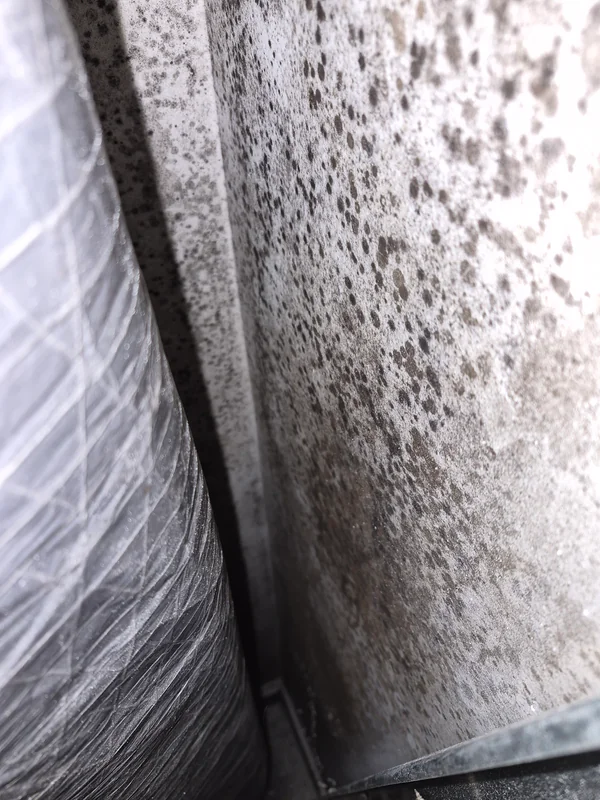
The most common sign is a musty smell that appears when your HVAC system turns on especially the first time you run heat in the fall or AC after a stretch of humid weather. If the smell is coming from the vents rather than a specific room or surface, the ductwork is usually where to look first. Other signs include worsening allergy or respiratory symptoms that seem to improve when you leave the house, or visible discoloration around vent registers.
The challenge is that most mold growth inside a duct system is in sections you can’t see from the register deep in the ductwork, around the air handler, or near the evaporator coils. A flashlight check at the vent opening won’t tell you much. A proper inspection involves looking at the full system, not just the visible access points. We offer free inspections in Gallows Hill, so if you’re not sure what you’re dealing with, the starting point is a no-cost assessment rather than guessing.
Yes, and significantly. Homes with fieldstone foundations and crawl spaces which describes a large portion of the older housing stock in Springfield Township and along Gallows Hill Road have moisture pathways that modern construction doesn’t. Stone foundations and lime mortar joints allow moisture to migrate inward, particularly during wet seasons. Crawl spaces that lack proper vapor barriers become reservoirs for humidity that the HVAC system then pulls into the ductwork.
The Gallows Run watershed adds another layer to this. Because groundwater is the only drinking water source in the community and surface water and groundwater are hydro-geologically connected, the water table in Gallows Hill can sit close to the surface especially after significant rainfall or spring snowmelt. That groundwater pressure pushes moisture upward through the foundation and into the lower sections of the home, including wherever ductwork runs. It’s a combination of factors that makes mold in HVAC systems more common in this part of upper Bucks County than in newer suburban construction, and it’s exactly the kind of condition we’re experienced in assessing.
This is one of the most important questions to ask after a mold remediation job, and it’s one that often doesn’t get addressed until the problem comes back. If mold was found and removed from your basement, crawl space, or walls but the ductwork wasn’t inspected as part of that job there’s a real possibility that the HVAC system was pulling air from the affected area the entire time mold was present. That means mold spores may have traveled through the ducts and deposited in other sections of the system.
When the remediation is done and the HVAC runs again, those deposited spores have a new opportunity to grow particularly in a home with the moisture conditions common to older Springfield Township properties. You can do everything right on the remediation side and still end up back where you started if the duct system wasn’t part of the plan. We approach this as a whole-property issue, not two separate jobs, which is why we’re able to assess the ductwork in context of where the original mold source was and how the system connects to it.
For most homes, a thorough professional air duct cleaning takes somewhere between four and six hours. The range depends on the size of the home, the layout of the duct system, and what the inspection turns up. In older homes in Gallows Hill with more complex ductwork layouts systems that were retrofitted into structures not originally designed for forced air it can run toward the longer end of that window.
On the day of the job, our technician will start by walking through the system and confirming what was identified in the inspection. Containment is set up before any cleaning begins, which is especially important when mold is involved. The supply and return ducts are both addressed a company that only cleans one side of the system isn’t doing a complete job. Once the mechanical cleaning is done, if sanitizing is part of the scope, that’s applied before the system is reassembled.
Before we leave, the treated areas are documented, and if post-cleaning testing was part of the agreement, samples are collected and sent to the lab. You’ll receive those results once they’re back.
They’re two different steps that address two different problems. Cleaning is the mechanical process using professional-grade equipment to remove debris, dust, biological buildup, and contamination from the interior surfaces of the ductwork. Sanitizing is what comes after: applying an antimicrobial treatment to the cleaned surfaces to address any remaining biological material that mechanical cleaning alone may not fully eliminate.
Whether you need both depends on what’s in the system. If the inspection turns up mold, sanitizing is typically recommended as part of the complete job cleaning removes the bulk of the contamination, and sanitizing addresses what’s left at the surface level. If the system has routine dust and debris buildup without biological contamination, cleaning alone may be sufficient. We’ll tell you what your specific system needs after the inspection, not before. There’s no upsell pressure to add sanitizing to a job that doesn’t require it and the quote you receive after the inspection reflects exactly what the job entails.
The general industry guidance is every three to five years for routine maintenance, but that baseline doesn’t account for the specific conditions that affect older homes in communities like Gallows Hill. If your home has a crawl space, a stone or block foundation, or sits on a property where moisture intrusion is a recurring issue which describes many of the historic and older dwellings throughout Springfield Township more frequent inspection makes sense. The same applies if you’ve had any water intrusion event, a plumbing leak, or previous mold remediation work done anywhere in the home.
Seasonal timing matters too. In upper Bucks County, the combination of humid summers and significant annual rainfall creates the moisture conditions that feed mold growth inside HVAC systems. Running your system through a full summer without having inspected the ductwork beforehand means you may be circulating whatever built up over the previous year. A good rule of thumb for properties in Gallows Hill is to schedule an inspection before the heating season starts when the system transitions from cooling to heating is when any musty smell from the ducts becomes most noticeable, and catching it then is better than breathing it through the winter. We offer free inspections, so there’s no cost to finding out where things stand.
Other Services we provide in Gallows Hill