
Hear from Our Customers
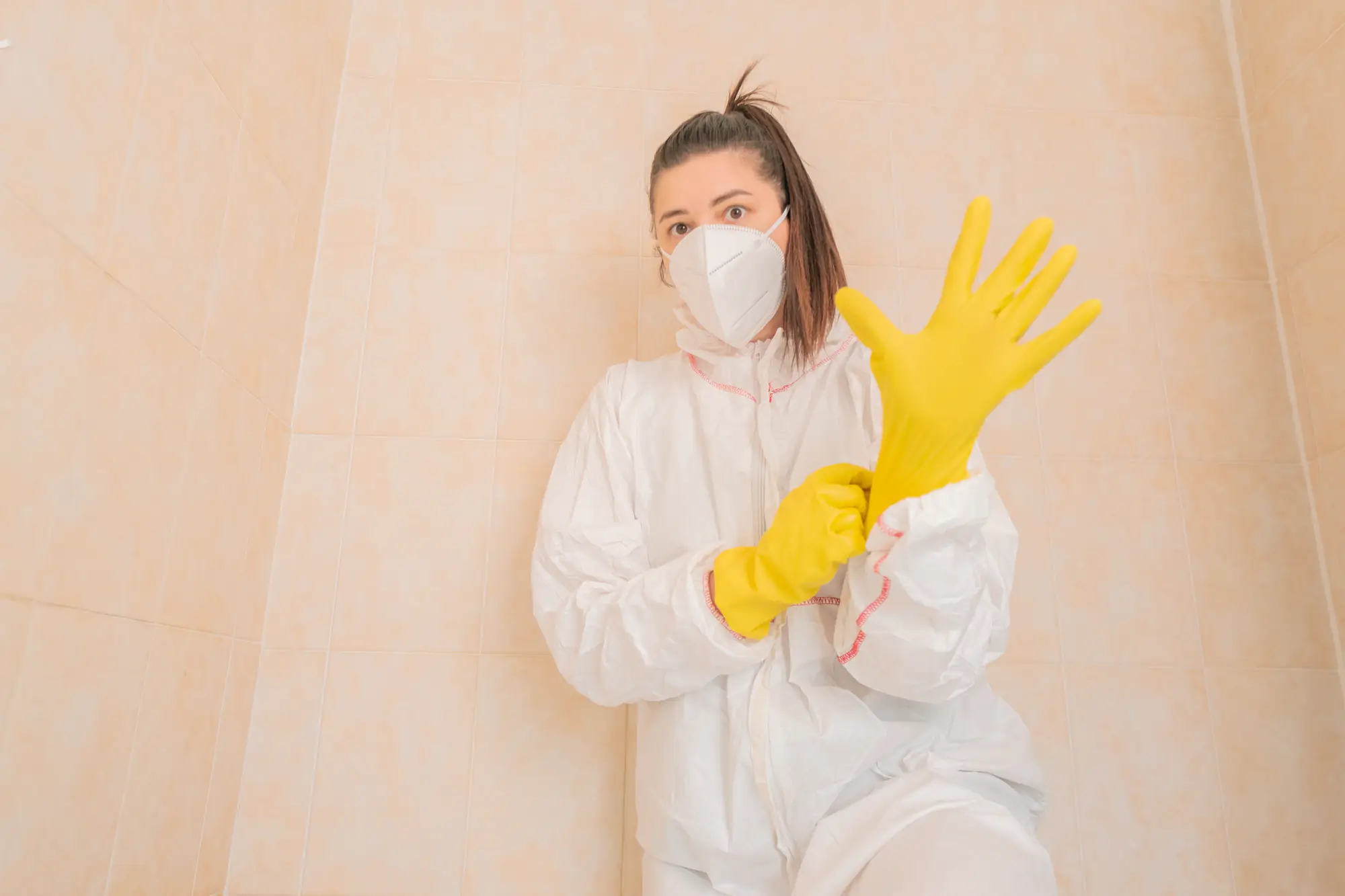
Mold isn’t just ugly. It’s affecting your health right now—triggering allergies, making asthma worse, causing headaches and fatigue you might not even connect to your home.
Your kids, your elderly parents, anyone with respiratory issues—they’re the most vulnerable. And every day you wait, the problem spreads. Behind your walls. Under your floors. Into your HVAC system.
But here’s what changes after proper mold remediation: the air in your home actually feels different. You stop waking up congested. Your home stops smelling musty. And if you ever decide to sell, you won’t have to disclose a mold problem that tanks your property value or scares off buyers.
We don’t just scrub visible mold and call it done. We use EPA-approved methods to remove it safely, identify what’s causing the moisture, and fix that too. Because if you don’t stop the water, you’re just buying time until it grows back.
We’ve been serving Gallows Hill and the surrounding Bucks County area for years. We’ve seen what happens in older homes with stone foundations, in basements that flood every spring, in attics with poor ventilation during Pennsylvania’s humid summers.
We’re not a national franchise reading from a script. We’re local mold removal specialists who understand why your crawl space stays damp and why that bathroom exhaust fan isn’t cutting it.
You’ll work with the same crew from start to finish. We show up when we say we will. We explain what we find in plain language. And we don’t upsell you on services you don’t need just because we can.
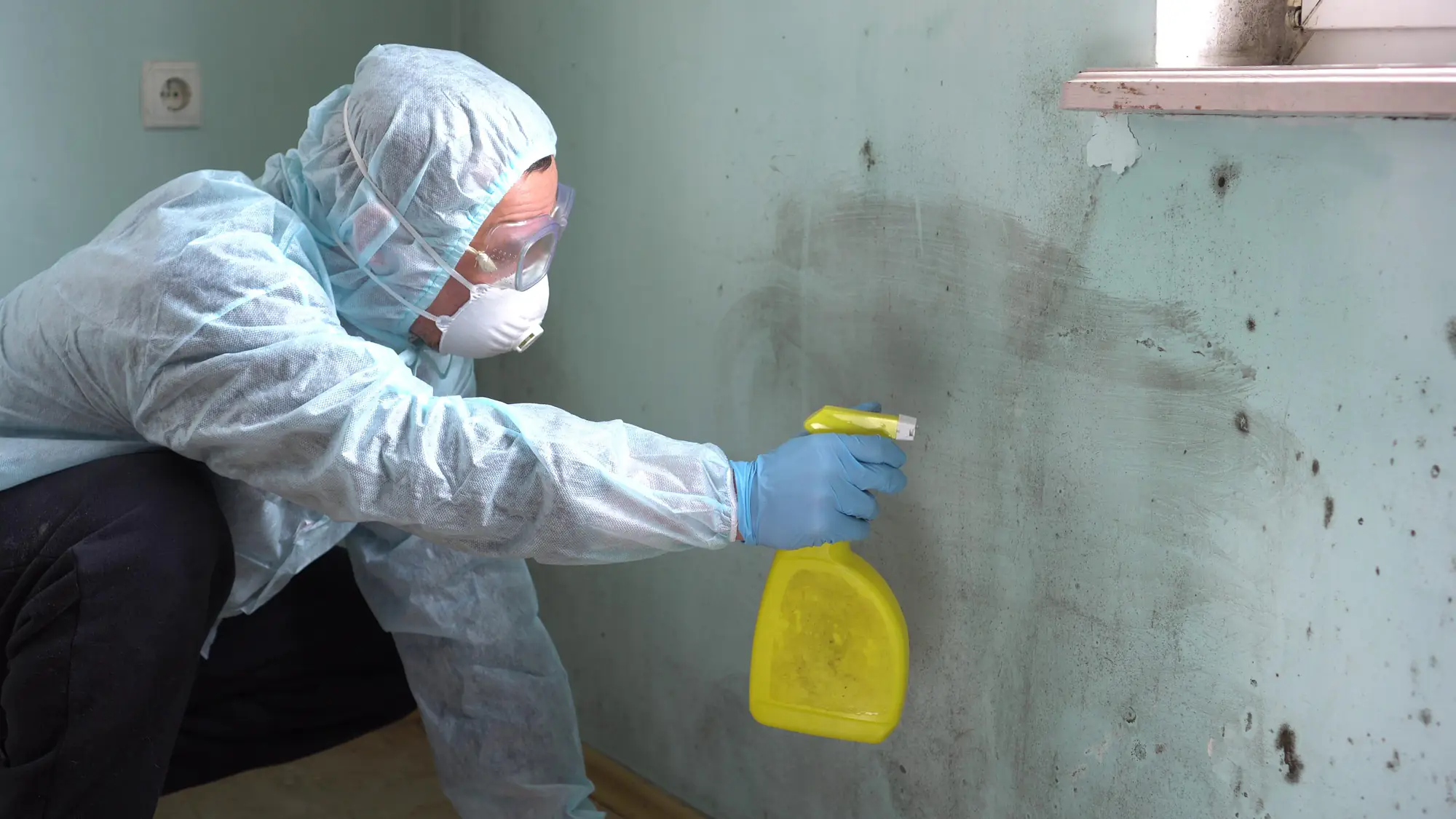
First, we come out for a free inspection. We’re looking for visible mold, but also checking areas you can’t easily see—behind baseboards, inside wall cavities, under sinks, in your HVAC system. We use moisture meters to find hidden water sources.
Once we know what we’re dealing with, we give you a clear estimate. No surprises. If insurance is involved, we’ll work directly with your adjuster to document everything properly.
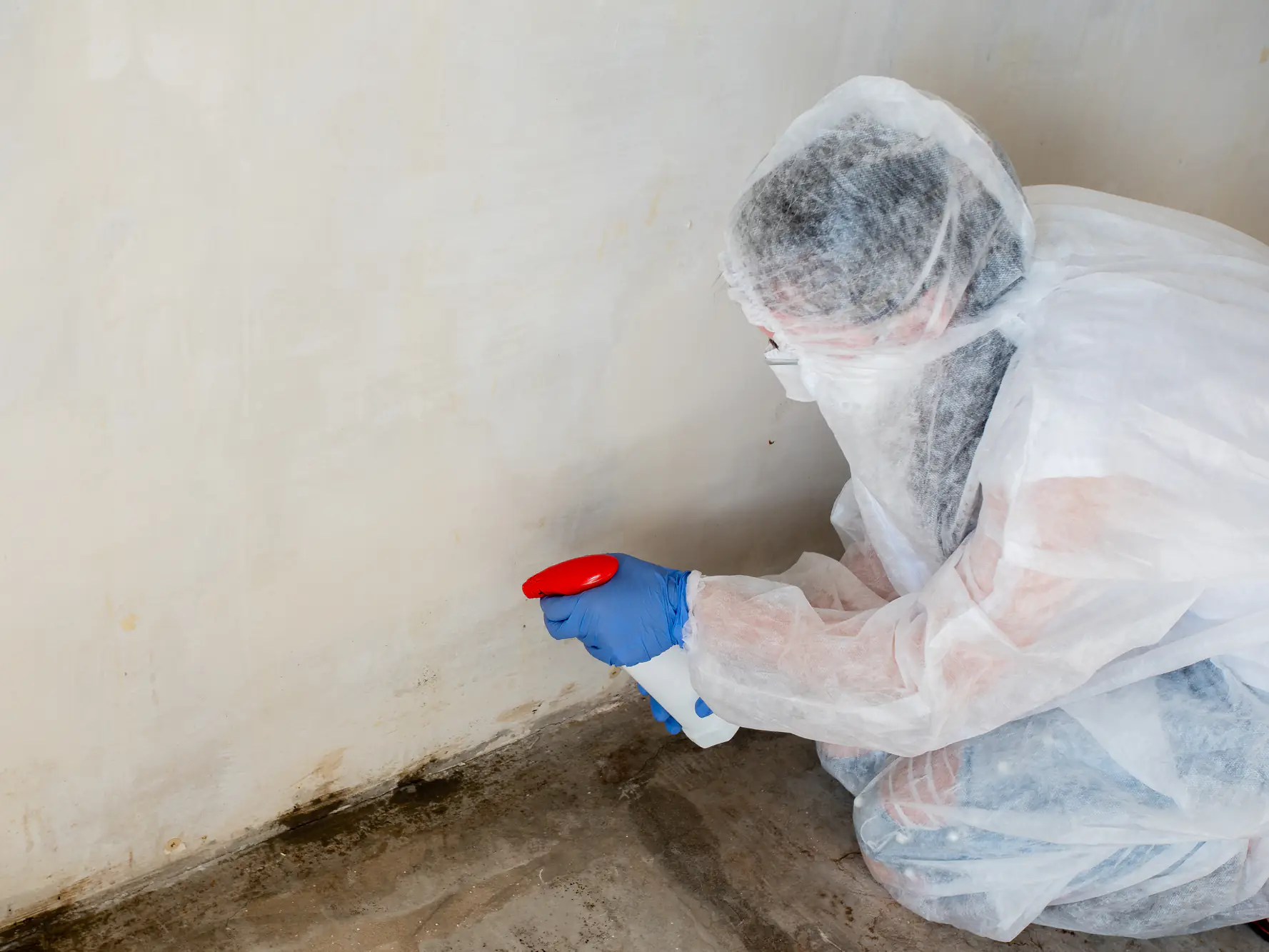
During remediation, we contain the affected area so mold spores don’t spread to clean parts of your home. We remove contaminated materials that can’t be salvaged. We treat surfaces with antimicrobial solutions. And we bring in commercial dehumidifiers and air scrubbers to dry everything out and clean the air.
Then we fix the moisture problem—whether that’s repairing a leak, improving ventilation, or addressing drainage issues. After cleanup, we can handle any necessary repairs or remodeling so you’re not coordinating multiple contractors.
Ready to get started?
You get a thorough inspection at no cost. We test moisture levels and identify all affected areas, including hidden mold growth you didn’t know about.
We handle basement mold removal, attic mold remediation, crawl space treatment, and bathroom mold cleanup. If it’s in your home, we can fix it.
In Bucks County, we see a lot of mold issues tied to Pennsylvania’s climate—freeze-thaw cycles that crack foundations, heavy spring rainfall that overwhelms gutters and drainage systems, humid summers that turn poorly ventilated attics into mold farms. Older homes in Gallows Hill often have stone foundations that wick moisture, and many lack proper vapor barriers.
We also deal with emergency mold situations. Pipe burst? Roof leak? Flooding? Mold can start growing within 24 hours. We’re available around the clock because waiting until Monday morning can mean the difference between a contained problem and one that spreads through your entire first floor.
After we remove the mold, we don’t just walk away. We make sure you understand what caused it and what you can do to prevent it from coming back.

It depends entirely on how much mold you have and where it’s growing. A small bathroom issue might run $500 to $1,500. A finished basement with mold behind drywall could be $3,000 to $6,000. Whole-house remediation after major water damage can reach $10,000 to $30,000.
Here’s what drives the cost: square footage of affected area, materials that need removing (drywall, insulation, flooring), how accessible the mold is, and whether there’s structural damage we need to address. Mold inside your HVAC system costs more to remediate than mold on a bathroom ceiling.
We give you a detailed estimate after the free inspection so you know exactly what you’re paying for. Most homeowners insurance policies cover mold remediation if it resulted from a covered event like a burst pipe—but not if it’s from long-term neglect or maintenance issues. We’ll help you figure out what your policy covers.
A small, contained job might take one day. Most projects take two to four days. Extensive whole-house remediation can take a week or more.
The timeline depends on how much material we’re removing, how long it takes to dry out the space, and whether we’re doing repairs afterward. We can’t rush the drying process—if we seal up walls while moisture is still present, you’ll have mold again in a few months.
You can usually stay in your home during remediation as long as we’re working in a contained area like a basement or single bathroom. If mold is widespread or involves your HVAC system, we might recommend staying elsewhere for a few days while we work. We’ll be upfront about that during the inspection.
If it’s a very small area—less than 10 square feet—and it’s just surface mold on a non-porous material like tile, you can try cleaning it yourself with the right products and safety gear. But most mold problems in Gallows Hill homes are bigger than they appear.
Here’s the issue: visible mold is usually just part of the problem. If you’ve got mold on drywall, there’s likely mold inside the wall cavity too. If your basement smells musty, you’ve got mold somewhere even if you can’t see it. DIY cleaning doesn’t address the moisture source, so the mold comes back.
The bigger risk is disturbing mold without proper containment. When you scrub or tear out moldy materials, you release millions of spores into the air. Without negative air pressure and HEPA filtration, those spores spread throughout your home and start new colonies wherever they land. Professional mold removal specialists use containment barriers and air scrubbers to prevent that.
Mold exposure triggers allergic reactions in most people—sneezing, runny nose, red eyes, skin rashes. If you have asthma, mold makes it worse. Studies show that up to 21% of asthma cases in the U.S. are directly caused by mold exposure at home.
But it goes beyond allergies. Mold produces mycotoxins that can cause more serious health issues: chronic sinus infections, persistent coughing, fatigue, headaches, difficulty concentrating, and respiratory infections. About 93% of chronic sinus infections have been linked to mold.
Some people are more vulnerable than others. Infants exposed to mold in their first year of life are nearly three times more likely to develop asthma. Elderly people, anyone with compromised immune systems, and about 25% of the population with a genetic predisposition to mold illness—they all face higher risks. Black mold (Stachybotrys) is particularly concerning because it produces some of the most toxic mycotoxins.
You might smell it before you see it—a musty, earthy odor that doesn’t go away even after you clean. That smell is mold releasing volatile organic compounds as it grows.
Other signs: water stains or discoloration on walls or ceilings, paint or wallpaper that’s bubbling or peeling, warped or buckling drywall, increased allergy symptoms that get better when you leave the house. If you’ve had any water damage—even a small leak you fixed months ago—there’s a good chance mold is growing where you can’t see it.
During our free inspection, we use moisture meters to detect elevated moisture levels inside walls and other hidden spaces. High moisture readings tell us where to look closer. We can also do air quality testing if you want confirmation before we start opening up walls. The truth is, mold can seem invisible when it’s growing in wall cavities, under flooring, or above ceiling tiles—but it’s still affecting your indoor air quality every day.
Water. That’s it. Mold needs moisture to grow, and Pennsylvania gives it plenty of opportunities.
Bucks County gets about 40 inches of rain per year, and our humid summers create perfect conditions for mold growth. Basements flood during heavy spring rains. Gutters overflow and dump water against foundations. Poor grading around homes sends water toward the house instead of away from it. Older homes in Gallows Hill often have stone foundations that absorb moisture from the soil.
Inside your home, the usual suspects are leaking pipes, roof leaks, condensation from poor ventilation, bathroom exhaust fans that vent into the attic instead of outside, and HVAC systems that aren’t properly dehumidifying. Pennsylvania’s freeze-thaw cycles crack pipes and foundations, creating new entry points for water. If you’ve got mold, you’ve got a moisture problem—and that’s what we fix so it doesn’t come back.
Other Services we provide in Gallows Hill