
Hear from Our Customers
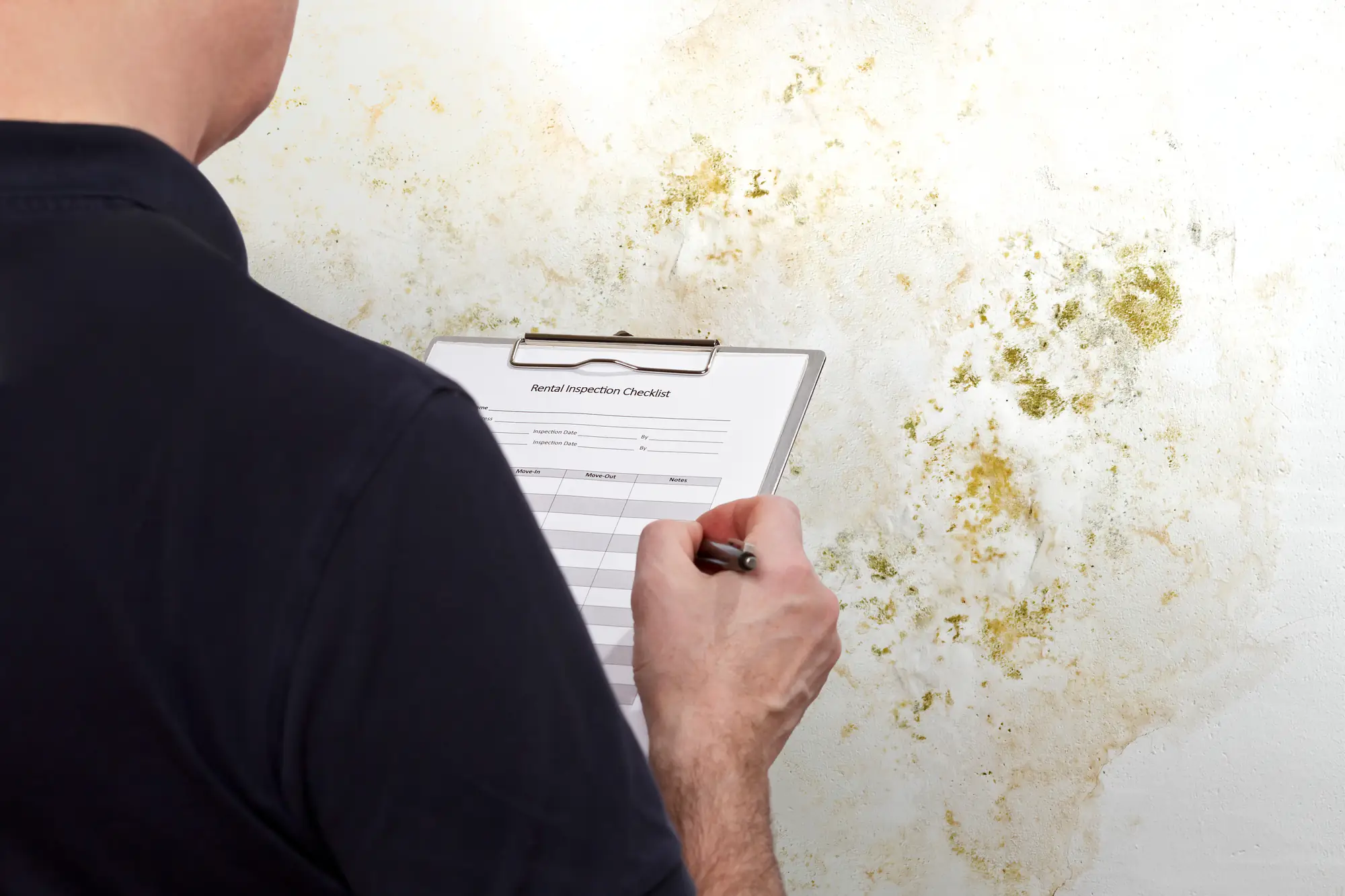
You’re not imagining it. That musty smell in the basement, the allergies that won’t quit, the dark spots creeping along the bathroom ceiling—these aren’t things you should ignore or hope will go away on their own.
Mold hides. It grows behind walls, under carpets, inside HVAC systems where you’d never think to look. By the time you see it, it’s often been there for weeks. And in Mill Creek Falls, where humidity sits heavy through summer and older homes weren’t built with modern moisture barriers, the conditions are perfect for mold to thrive quietly.
A professional mold inspection gives you clarity. You’ll know if there’s a problem, where it’s coming from, and what needs to happen next. No guessing. No wondering if that cough is just seasonal or something worse. Just real answers from someone who knows what to look for and how to find it before it spreads.
We’ve been serving Bucks County for years, and we’ve seen what happens when mold gets ignored. Most homes in Mill Creek Falls were built in the 1950s for returning WWII veterans—solid construction for the time, but not designed for the kind of moisture management we understand today.
We’re not here to oversell you or scare you into services you don’t need. We use EPA-compliant methods, state-of-the-art detection equipment, and straightforward communication. You’ll get a thorough inspection, honest findings, and a clear explanation of what’s actually going on in your home. If there’s mold, we’ll tell you. If there isn’t, we’ll tell you that too.
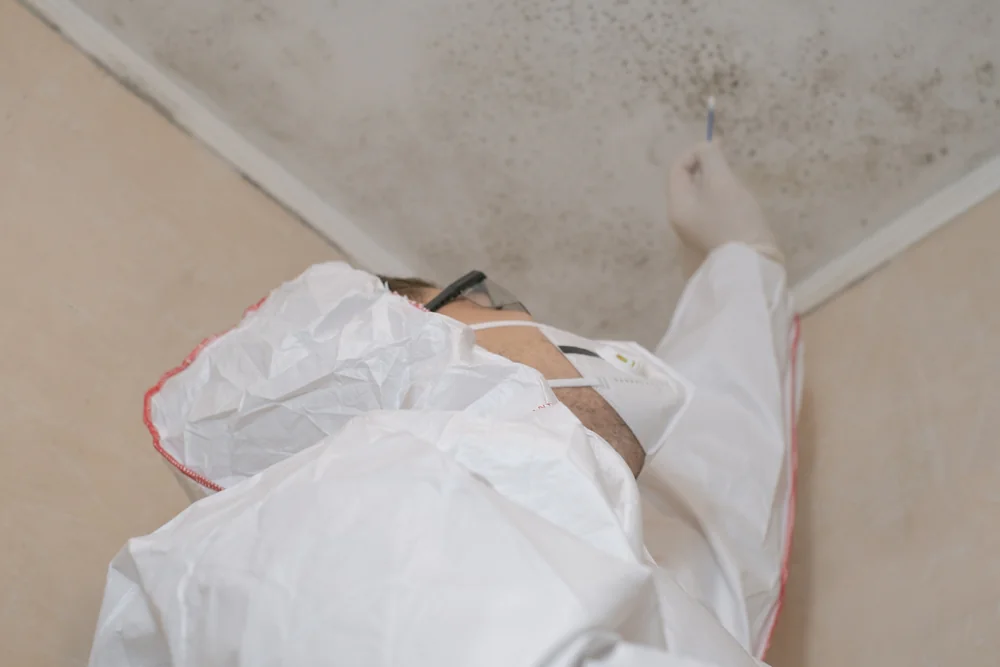
We start with a conversation. You’ll tell us what you’ve noticed—smells, stains, health symptoms, recent water issues. That helps us know where to focus.
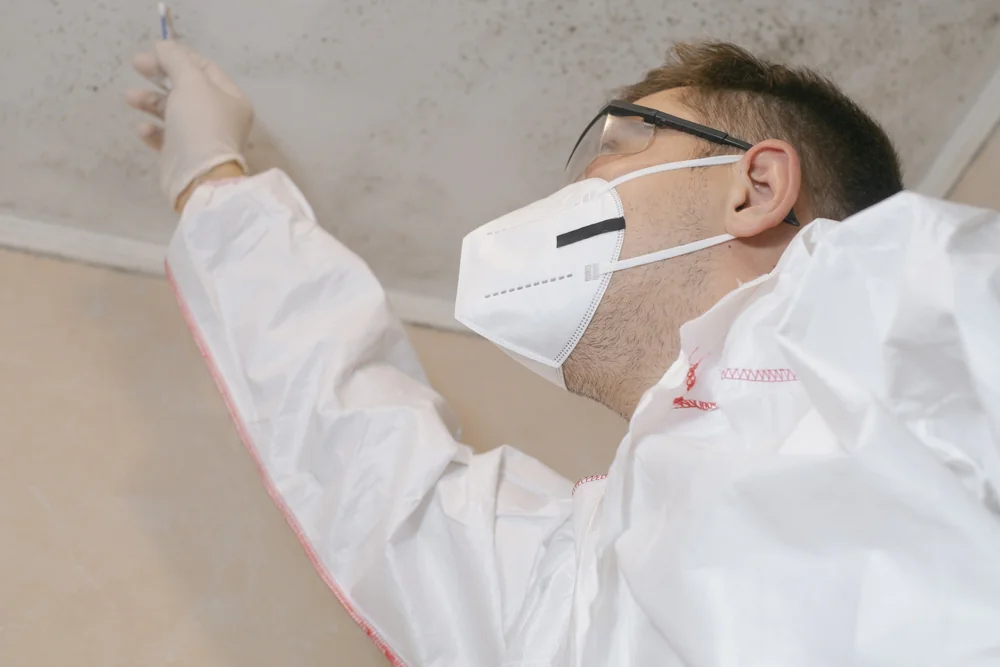
Then we walk through your home systematically. We check the obvious places first: bathrooms, basements, attics, crawl spaces. But we also look where most people don’t—inside wall cavities, around HVAC ducts, under flooring, behind appliances. We use moisture meters and thermal imaging to detect problems you can’t see with your eyes alone.
If we find something, we’ll take samples for lab testing to identify the exact type of mold and how much is present. That matters because different molds require different responses. You’ll get a detailed report explaining what we found, where it’s growing, what’s causing it, and what needs to happen next. No jargon. No runaround. Just clear information so you can make the right call for your home.

Ready to get started?
Your mold inspection covers every vulnerable area of your home. We inspect visible surfaces and hidden spaces where moisture accumulates—behind drywall, inside ductwork, under insulation, around plumbing. We test air quality to detect airborne spore levels even when there’s no visible growth.
In Mill Creek Falls, we pay special attention to basements and attics. The older housing stock here means many homes have inadequate ventilation, aging roofing materials, and drainage systems that weren’t designed for today’s weather patterns. Pennsylvania’s humid summers create the perfect environment for mold to establish itself quickly, especially after any kind of water intrusion.
You’ll receive a written report with photos, moisture readings, lab results if samples were taken, and recommendations for next steps. We’ll explain what’s urgent and what can wait. If remediation is needed, we’ll outline the scope and cost before any work begins. If the problem is minor and you can handle it yourself, we’ll tell you that too. The goal is to give you enough information to make a confident decision about your home and your family’s health.

If you’re asking the question, you probably have a reason. Most people call us after noticing a musty smell that won’t go away, seeing discoloration on walls or ceilings, or dealing with unexplained respiratory issues that get worse at home.
You should definitely get an inspection if you’ve had any water damage—flooding, roof leaks, burst pipes, even persistent condensation. Mold can start growing within 24 to 48 hours after materials get wet. Even if you dried everything you could see, moisture often seeps into places you can’t reach.
Another common reason is buying or selling a home. Many buyers in Mill Creek Falls request mold inspections during the home buying process, especially given the age of the housing stock here. It’s a smart move that can save you from inheriting someone else’s problem or give you negotiating power if issues are found.
Inspection is the visual assessment—we walk through your property looking for signs of mold growth and the moisture conditions that cause it. We check for visible mold, water stains, condensation, poor ventilation, and structural issues that could lead to problems.
Testing goes a step further. If we find something during the inspection, we take samples—either surface samples from the growth itself or air samples to measure spore levels. Those samples go to a lab for analysis to identify the specific type of mold and concentration levels.
Not every inspection requires testing. Sometimes the mold is obvious and the source is clear. But testing becomes important when you’re experiencing health symptoms without visible mold, when you need documentation for insurance claims, or when you want to verify that remediation was successful. We’ll recommend testing only when it actually adds value to your situation.
For most homes in Mill Creek Falls, plan on two to three hours. The size of your home matters, but so does its condition and history. If you’ve had recent water damage or we’re finding multiple problem areas, it takes longer to document everything properly.
We’re not rushing through your home checking boxes. We’re looking in places most homeowners never see—pulling back insulation, inspecting crawl spaces, checking inside HVAC systems. That thoroughness takes time, but it’s the only way to give you accurate information.
If we take samples for lab testing, you’ll get preliminary findings the same day, but full lab results typically come back within three to five business days. We’ll walk you through what we found during the inspection and follow up with the detailed report once we have complete results.
You can buy test kits at hardware stores, but they won’t tell you much. Those kits can confirm that mold spores are present, but mold spores are everywhere—in every home, all the time. That’s not useful information.
What matters is whether you have active mold growth, where it’s located, what’s causing it, and whether the concentration is high enough to be a health concern. Home test kits can’t answer those questions. They can’t find hidden mold behind walls or under flooring. They can’t identify the specific type of mold or tell you if the levels are dangerous.
Professional mold detection uses calibrated equipment—moisture meters, thermal imaging cameras, air sampling devices—and trained eyes that know what to look for. We’ve inspected hundreds of homes in Bucks County. We know the difference between surface mildew you can wipe away and a serious contamination problem that needs professional remediation. That experience isn’t something you get from a $30 kit.
No. We’re not in the business of scaring people into unnecessary work. Our job during an inspection is to find out what’s actually happening in your home and give you honest information about it.
If we find mold, we’ll tell you how extensive it is, what’s causing it, and what level of response makes sense. Sometimes that means professional remediation. Sometimes it means fixing a leak and cleaning a small area yourself. Sometimes it means improving ventilation and monitoring the situation.
We handle both inspection and remediation, so yes, we’d like to earn your business for the full job if it’s needed. But we’ve built our reputation in Mill Creek Falls on straight talk and fair dealing. If you don’t need our services, we’ll tell you. If you do, we’ll explain exactly why and give you a clear scope of work before anything starts. You’ll never feel pressured or confused about what’s happening.
First, don’t panic. Finding mold doesn’t mean your home is ruined or unsafe to live in. It means there’s a problem that needs attention, and now you know about it instead of letting it get worse.
We’ll show you exactly where the mold is growing, explain what type it likely is based on appearance and location, and identify the moisture source feeding it. That last part is critical—you can remove mold all day long, but if you don’t fix what’s causing it, it’ll just come back.
You’ll get a written report with photos, findings, and recommendations. If remediation is needed, we’ll outline what that involves and provide a quote. If it’s minor enough for you to handle, we’ll explain how to do it safely. We’ll also help with insurance documentation if you’re filing a claim. The goal is to give you a clear path forward so you can protect your home and your family’s health without guessing what to do next.
Other Services we provide in Mill Creek Falls