
Mold Inspection in Passer, PA

Find It Before It Costs You Thousands

Professional mold detection that tells you exactly what’s there, where it’s hiding, and what it means for your home and health.
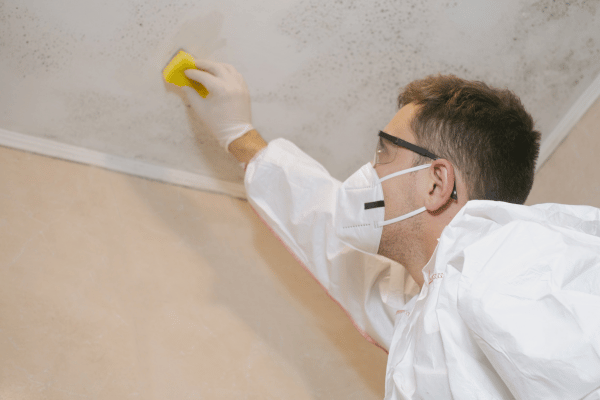
Protective worker in safety suit inspecting or treating mold spots on an indoor ceiling, addressing moisture damage and potential mold growth inside a building.

Hear from Our Customers

Home Mold Inspection Services

Know What You're Dealing With, Not Guessing

Mold doesn’t announce itself. It grows behind walls, under floors, around plumbing you can’t see. By the time you notice the smell or the stain, it’s already been there for weeks.

A proper mold inspection gives you the full picture. Not just what’s visible, but what’s actually happening inside your home. You get lab results that identify the type of mold, concentration levels, and whether it’s a health risk or a moisture problem waiting to spread.

That clarity matters when you’re buying a house, selling one, or just trying to figure out why your kid’s asthma keeps flaring up. You’re not paying for someone to walk around with a flashlight. You’re paying to know whether you have a $500 fix or a $15,000 nightmare, and what to do about it before it gets worse.

Mold Detection Company Serving Passer

We've Seen Every Kind of Mold Problem

We’ve been handling mold inspections across Bucks County for years. We know the basements in Passer. We know how the humidity sits in older homes around here, especially after a wet spring.

Our team uses thermal imaging and moisture meters to check the spots most inspectors miss. Every sample goes to an independent certified lab. You get a report that breaks down what was found in plain English, not jargon meant to upsell you on services you don’t need.

We’re not here to scare you into spending money. We’re here to give you honest answers so you can make the right call for your property and your family.

Protective worker collecting a mold sample from a stained indoor ceiling using a swab, inspecting moisture damage and potential mold growth inside a building.

Our Mold Inspection Process

Here's What Happens During Your Inspection

First, we walk through your property and check the usual suspects: bathrooms, basements, attics, around windows, near HVAC systems. Then we check the places most people don’t think about, like behind appliances and inside crawl spaces.

We use moisture meters to find elevated humidity levels that support mold growth. Thermal imaging shows us temperature differences that indicate hidden water intrusion. If we find visible mold or conditions that suggest hidden growth, we take samples.

Those samples go to a certified lab for analysis. Within 3 to 5 business days, you get a detailed report. It tells you what types of mold are present, their concentration levels, and whether they pose a health risk. More importantly, it tells you what needs to happen next—whether that’s fixing a leak, improving ventilation, or bringing in a remediation team.

Home interior with mold remediation in progress as a worker sprays treatment on a wall using a ladder, while a resident relaxes on a covered sofa in a renovated living room.

Ready to get started?

Explore More Services

About Mack's Mold Removal

Black Mold Inspection in Passer

What's Included in Every Mold Inspection

You get a complete visual assessment of your property, including areas you can’t easily access. We check moisture levels throughout the home using digital meters. If needed, we collect air and surface samples from multiple locations to get an accurate reading of what’s actually growing.

Every inspection includes thermal imaging to detect hidden moisture behind walls and ceilings. That’s critical in Bucks County, where older homes and fluctuating weather create perfect conditions for mold. Passer sees higher-than-average rainfall and humidity, which means basements and crawl spaces stay damp longer than they should.

You also get a written report with lab results, photos, moisture readings, and clear recommendations. No guessing about whether you need to act. No pressure to hire us for remediation. Just the facts about what’s in your home and what it means for your next steps.

How much does a mold inspection cost in Passer, PA?

Most mold inspections in Bucks County run between $300 and $800, depending on the size of your home and how many samples need to be tested. That might feel like a lot upfront, but compare it to the alternative.

If you skip the inspection and mold spreads, you’re looking at remediation costs between $3,000 and $20,000. Untreated mold can also drop your home’s value by 20% to 37%. A $500 inspection that catches a problem early can save you tens of thousands down the line.

We offer free initial inspections to assess whether testing is even necessary. If we don’t see signs of mold or moisture issues, we’ll tell you. No reason to pay for lab work you don’t need.

Musty smells are the most common sign, especially in basements or bathrooms. If you notice discoloration on walls or ceilings, that’s another red flag. Water stains, peeling paint, or warping around windows and doors usually mean moisture is getting in.

Health symptoms matter too. If you or your family are dealing with persistent coughing, sneezing, congestion, or worsening asthma that improves when you leave the house, mold exposure could be the cause. Kids and elderly family members are especially vulnerable.

You should also get an inspection if you’ve had any water damage—burst pipes, roof leaks, flooding. Even if the area looks dry now, mold can start growing within 24 to 48 hours and hide behind surfaces where you can’t see it.

The inspection itself usually takes 1 to 2 hours, depending on the size of your home and how many areas need to be checked. We’re thorough, but we’re not going to waste your time poking around rooms that clearly don’t have issues.

After the inspection, samples go to the lab. You’ll have results within 3 to 5 business days. If you’re in the middle of a real estate transaction and need faster turnaround, we can arrange expedited processing for an additional fee.

Once you get the report, we’ll walk you through the findings. If remediation is needed, we’ll explain what that looks like and connect you with trusted professionals. If it’s just a minor moisture issue, we’ll tell you how to fix it yourself.

Yes. Standard home inspections don’t usually include mold testing, and mold loves to hide in places inspectors don’t check—behind walls, under flooring, inside HVAC ducts. By the time you notice it after closing, you own the problem.

Pennsylvania law requires sellers to disclose known material defects, but that only works if they actually know about the mold. Many don’t. A pre-purchase mold inspection protects you from buying someone else’s hidden issue and gives you leverage to negotiate repairs or a lower price before you sign.

Buyers who discover a $2,000 mold problem upfront are far more likely to stay in the deal than those who feel blindsided later. Spending $500 on an inspection now can save you from a lawsuit or a $10,000 surprise six months after you move in.

You can, but home test kits have serious limitations. They only test the air or surface where you place them, which means you’re guessing about where the mold actually is. If you test the wrong spot, you’ll get a false negative and think you’re fine when you’re not.

Most home kits also don’t tell you what type of mold you have or how much of it is present. That matters because not all mold is dangerous, and concentration levels determine whether you need remediation or just better ventilation. Without that context, the results aren’t very useful.

A professional mold inspection uses thermal imaging and moisture meters to find hidden problem areas you wouldn’t think to test. The samples go to a certified lab that identifies specific mold species and gives you actionable data. It’s the difference between guessing and knowing.

First, don’t panic. Finding mold doesn’t automatically mean your house is unlivable or worthless. It means you have information most homeowners don’t, and now you can fix it before it gets worse.

The report will tell you what type of mold is present and whether it’s a health risk. If remediation is needed, we’ll outline exactly what work should be done. That might mean removing contaminated drywall, treating affected areas, or fixing the moisture source so it doesn’t come back.

We’ll connect you with trusted remediation professionals if you need them, but we’re not going to push you into services you don’t need. Sometimes the fix is simple—better ventilation, a dehumidifier, sealing a small leak. Other times it’s more involved. Either way, you’ll know what you’re dealing with and what it’s going to cost before anyone starts tearing into your walls.

Other Services we provide in Passer