
Mold Inspection in Levittown, PA

Find Hidden Mold Before It Costs You Thousands

Advanced mold detection services that catch problems early in Levittown homes—protecting your family’s health and your property investment with accurate, professional inspection.
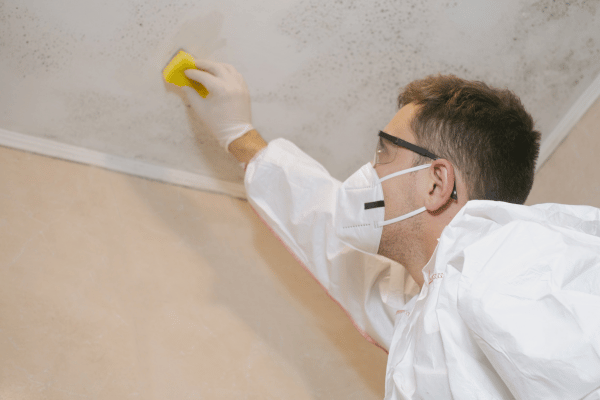
Protective worker in safety suit inspecting or treating mold spots on an indoor ceiling, addressing moisture damage and potential mold growth inside a building.

Hear from Our Customers

Professional Mold Detection Services Levittown

Catch Mold Early, Avoid Expensive Damage Later

Mold doesn’t announce itself until it’s already a problem. By the time you see discoloration on your basement walls or smell that musty odor in your crawl space, spores have likely spread to areas you can’t see.

A professional mold inspection gives you the full picture. Thermal imaging reveals moisture trapped behind walls. Air sampling detects spore concentrations before visible growth appears. Infrared moisture mapping pinpoints exactly where water is feeding mold growth in your Levittown home.

Most homes in Levittown were built in the 1950s. That means decades of settling, aging materials, and moisture finding its way into basements that were never designed to stay dry. The finished basement trend made things worse—sheetrock installed directly over concrete creates the perfect environment for hidden mold to thrive. You need to know what’s happening behind those walls before structural damage sets in or before your family starts experiencing respiratory symptoms that won’t go away.

Early detection means smaller problems. Smaller problems mean lower costs and faster fixes.

Certified Mold Inspection Company Levittown

Local Experts Who Know Levittown Homes

We’ve been handling mold inspection and remediation in Bucks County since 1995. That’s nearly 30 years of dealing with the specific challenges Levittown homeowners face—aging housing stock, below-grade moisture issues, and the high water table that comes with living in the Delaware Valley.

We’re certified, licensed, and insured with environmental coverage. Our inspectors use the same diagnostic equipment you’d find at larger restoration companies—infrared cameras, moisture meters, and lab-grade air sampling—but you’re working with a local team that prioritizes your home, not a corporate call center.

When your home was built in 1956, the basement was meant for storage, not living space. Modern expectations are different. We understand how those original structures behave and where problems typically develop in Levittown’s six main home models.

Protective worker collecting a mold sample from a stained indoor ceiling using a swab, inspecting moisture damage and potential mold growth inside a building.

How Mold Inspection Works Levittown

What Happens During a Professional Mold Inspection

First, we walk through your home and talk about what you’ve noticed—odors, visible growth, water damage, health symptoms. That conversation matters because it tells us where to focus our diagnostic work.

Next comes the inspection itself. We use thermal imaging to scan walls, ceilings, and floors for temperature variations that indicate trapped moisture. Infrared moisture mapping shows us exactly where water is present, even if the surface feels dry. We take air samples from multiple areas of your home and send them to a lab for analysis. Those results tell us what types of mold are present and at what concentration levels.

We also inspect common problem areas specific to Levittown homes—basement perimeters where hydrostatic pressure pushes water through aging foundation walls, attic spaces with inadequate ventilation, and crawl spaces where humidity sits undisturbed. If you’ve got a finished basement with sheetrock installed in the 1970s or 80s, we check behind access points for hidden growth.

You get a full written report with thermal images, lab results, moisture readings, and photos. If mold is present, the report includes exactly where it is, what type it is, and what’s causing it. If remediation is needed, we map out the scope of work so there are no surprises.

Most inspections are completed in under 24 hours from your call.

Home interior with mold remediation in progress as a worker sprays treatment on a wall using a ladder, while a resident relaxes on a covered sofa in a renovated living room.

Ready to get started?

Explore More Services

About Mack's Mold Removal

Home Mold Inspection Services Levittown

What's Included in Your Mold Inspection

Every mold inspection includes a visual assessment of your entire home, thermal imaging to detect hidden moisture, and infrared moisture mapping of walls and floors. We take air samples from affected areas and send them to an accredited lab for analysis. You also get surface samples if visible mold is present.

The inspection covers all the areas where mold typically develops in Levittown homes—basements with concrete block foundations, attics with roof ventilation issues, bathrooms with exhaust problems, and crawl spaces with dirt floors or inadequate vapor barriers. We check around windows, under sinks, near HVAC systems, and along exterior walls where condensation forms.

Levittown’s housing stock presents specific challenges. Homes built in the 1950s weren’t designed with modern moisture control in mind. Basements were coal storage, not living areas. When those spaces were finished decades later, moisture barriers were often skipped. That’s why so many Levittown basements have recurring mold issues—water vapor moves through the concrete, gets trapped behind sheetrock, and creates ideal conditions for growth.

Your inspection report includes lab results showing mold species and spore counts, thermal images highlighting moisture intrusion points, and a written summary explaining what we found and what’s causing it. If remediation is recommended, the report outlines the scope so you can make informed decisions about next steps.

How much does a mold inspection cost in Levittown?

Most professional mold inspections in Levittown range from $300 to $600 depending on the size of your home and how many air samples are needed. A typical 1,200-square-foot Levittowner or Rancher with a basement usually falls in the $400 range.

That cost includes the visual inspection, thermal imaging, moisture mapping, air sampling, lab analysis, and a full written report. Some companies charge extra for lab work or additional samples—we include that in the upfront price.

If you’re buying a home in Levittown, the inspection cost is minimal compared to what you’d spend fixing an undisclosed mold problem after closing. If you already own your home and suspect mold, the inspection cost is a fraction of what remediation becomes if the problem spreads. Early detection saves money.

Home test kits can tell you if mold spores are present, but they can’t tell you where the mold is growing, what’s causing it, or how extensive the problem is. Mold spores exist in every home—what matters is concentration levels and active growth.

A professional inspection uses thermal imaging to find moisture you can’t see and air sampling to measure spore concentrations in different areas of your home. That data tells you if you have a problem that needs remediation or just normal background levels. Test kits don’t give you that context.

In Levittown homes, mold often grows behind finished basement walls or in crawl spaces you can’t easily access. A test kit won’t find hidden growth. Thermal imaging will. If you’re trying to determine whether you need remediation or just want peace of mind, a professional inspection gives you accurate information to make that decision.

Musty odors that don’t go away are the most common sign. If your basement smells like mildew even after cleaning, mold is growing somewhere. Visible discoloration on walls, ceilings, or around windows is another obvious indicator.

Health symptoms matter too. If anyone in your home is experiencing persistent respiratory issues, headaches, watery eyes, or allergy symptoms that improve when they leave the house, mold exposure could be the cause. Asthma that’s suddenly harder to control is a red flag.

Water damage is a precursor to mold. If you’ve had a leak, flooding, or persistent condensation issues, mold inspection should happen within 48 hours. Mold starts growing fast once materials get wet. In Levittown’s humid climate, basements with moisture problems are especially vulnerable. If you’ve noticed water stains, peeling paint, or warping materials, get an inspection before mold becomes a bigger issue.

Most mold inspections take two to three hours depending on the size of your home and how many areas need detailed assessment. A typical Levittown Rancher with a basement and attic usually takes about two and a half hours.

We’ll walk through your entire home, use thermal imaging and moisture meters on walls and floors, take air samples from multiple rooms, and collect surface samples if visible mold is present. If your home has a crawl space or multiple levels, expect the inspection to take closer to three hours.

Lab results come back in three to five business days. Once we have the lab data, we compile the full report with thermal images, moisture readings, and recommendations. You’ll have a complete picture of what’s happening in your home and what needs to be done about it. If you need faster results due to a real estate transaction or health concerns, expedited lab processing is available.

No. Mold inspections are non-invasive. We use thermal imaging and infrared technology to see behind walls without cutting into them. Moisture meters measure water content through surfaces without causing damage.

Air sampling involves placing collection devices in rooms for a short period—nothing gets dismantled or removed. If we need a surface sample of visible mold, we use a small swab or tape lift that doesn’t damage the underlying material.

In rare cases where we need to confirm hidden mold growth behind a wall, we might ask permission to remove a small section of baseboard or create a small inspection hole. That only happens if thermal imaging shows a significant moisture problem and you want confirmation before moving forward with remediation. Any inspection access points are small and easy to repair. Most inspections require zero repairs afterward.

If mold is present, your inspection report will show exactly where it’s growing, what type it is, and what’s causing the moisture that’s feeding it. The report includes a remediation scope—what needs to be removed, what needs to be cleaned, and what moisture issues need to be fixed to prevent recurrence.

You’re not obligated to use us for remediation. The inspection report is yours to use however you want—get multiple quotes, file an insurance claim, or handle minor issues yourself if they’re small enough. If you do want us to handle remediation, we follow OSHA standards and use containment procedures to prevent spores from spreading during removal.

For Levittown homes, remediation often involves addressing the underlying moisture source—improving basement drainage, fixing foundation cracks, upgrading ventilation, or installing vapor barriers. Removing mold without fixing what caused it just leads to recurrence. The inspection report gives you a clear path forward so you can make informed decisions about your home and your budget.

Other Services we provide in Levittown