
Mold Inspection in Flushing, PA

Find Hidden Mold Before It Spreads

You can’t fix what you can’t see. Our mold detection services locate the problem areas in your home so you know exactly what you’re dealing with.
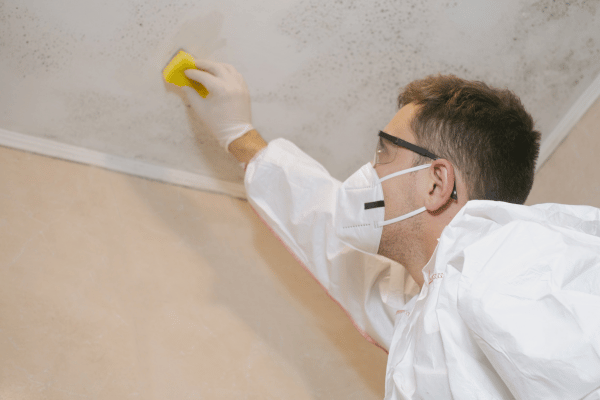
Protective worker in safety suit inspecting or treating mold spots on an indoor ceiling, addressing moisture damage and potential mold growth inside a building.

Hear from Our Customers

Home Mold Inspection Flushing, PA

Know What's Growing in Your Home

That musty smell in your basement isn’t normal. Neither are the headaches that disappear when you leave the house, or the allergy symptoms that won’t quit no matter what medication you take.

Mold doesn’t always show itself. It grows behind walls, under flooring, in crawl spaces, and inside HVAC systems where you’ll never see it until the damage is done. By then, you’re looking at thousands in remediation costs and months of health problems you could have avoided.

A proper mold inspection finds the source before it becomes a crisis. We use thermal imaging and moisture mapping to detect problem areas that visual checks miss. You get a clear picture of what’s happening in your home, where the moisture is coming from, and what needs to happen next. No guessing. No waiting until it gets worse.

Pennsylvania’s humidity doesn’t help. Flushing sits right in the zone where summer moisture lingers and basements stay damp. If your home has had any water issues, roof leaks, or flooding in the past year, mold is likely already growing somewhere.

Mold Detection Company Flushing, PA

We Know Bucks County Homes

We work with homeowners across Bucks County who need straight answers about what’s growing in their homes. We’ve seen how Pennsylvania’s climate creates the perfect conditions for mold, especially in older homes with poor ventilation or past water damage.

We’re not here to upsell you on services you don’t need. Our job is to find the mold, tell you what type it is, and explain what happens next. Some situations need immediate remediation. Others just need better airflow and a dehumidifier.

You’ll know the difference after our inspection. We’ll walk you through what we found, show you the moisture readings, and give you a realistic plan. No pressure. No scare tactics. Just the information you need to make the right call for your home and your family.

Protective worker collecting a mold sample from a stained indoor ceiling using a swab, inspecting moisture damage and potential mold growth inside a building.

Black Mold Inspection Process

Here's What Happens During an Inspection

We start with a visual assessment of your home. That means checking the obvious spots like bathrooms, basements, attics, and anywhere you’ve noticed stains, discoloration, or odors. But we don’t stop there.

Next comes moisture mapping. We use infrared cameras and moisture meters to find hidden water sources that create mold-friendly environments. A small leak inside a wall can feed mold growth for months before you ever see a stain. We find those areas before they turn into bigger problems.

If we find visible mold or high moisture levels, we’ll recommend air sampling or surface testing. That tells us what type of mold is present and how concentrated the spore levels are in your indoor air. Some molds are more aggressive than others. Some cause more health issues. The testing gives us the data to make informed recommendations.

You’ll get a full report that breaks down what we found, where the moisture is coming from, and what your options are. If remediation is needed, we’ll explain the scope and cost. If it’s something you can handle with preventative measures, we’ll tell you that too.

The whole process usually takes a couple of hours depending on your home’s size. You’ll have answers the same day, and lab results within a few days if we send samples out for testing.

Home interior with mold remediation in progress as a worker sprays treatment on a wall using a ladder, while a resident relaxes on a covered sofa in a renovated living room.

Ready to get started?

Explore More Services

About Mack's Mold Removal

Mold Detection Services Flushing, PA

What You Get with Our Inspection

Every home mold inspection includes a full visual assessment of your property’s interior and exterior. We check basements, crawl spaces, attics, bathrooms, kitchens, and any areas where you’ve noticed issues. We also inspect HVAC systems since they’re common mold distributors.

You get thermal imaging and moisture detection as part of the standard service. These tools let us see temperature variations and moisture levels behind walls and under floors without tearing anything apart. It’s non-invasive and gives us a complete picture of where water is hiding.

If testing is needed, we collect air samples and surface samples from affected areas. The samples go to a certified lab that identifies mold species and measures spore concentration. This matters because not all mold requires the same response. Some types are more toxic than others, and knowing what you’re dealing with changes the remediation approach.

Flushing homes face specific challenges. The area’s humidity levels stay high through summer, and older homes often lack proper vapor barriers or ventilation. Basements flood during heavy rains, and roof leaks go unnoticed until mold starts spreading. We’ve worked with enough local homeowners to know what problems show up most often and where to look first.

You’ll also get a written report with photos, moisture readings, and our recommendations. If you’re buying or selling a home, this documentation is valuable for negotiations and insurance purposes. If you’re dealing with health symptoms, it gives your doctor concrete information about your indoor air quality.

How much does a mold inspection cost in Flushing, PA?

Most mold inspections in Bucks County run between $300 and $600 depending on your home’s size and how much testing is needed. A basic visual inspection with moisture mapping costs less than a full inspection with lab testing.

We offer free initial assessments to evaluate whether you actually need a full inspection. Sometimes the issue is obvious and we can give you guidance without running up costs. Other times, testing is necessary to identify hidden mold or determine what species is present.

If you’re buying a home, the inspection cost is minimal compared to what you’d spend on remediation if mold goes undetected. If you’re experiencing health symptoms or have had water damage, the inspection pays for itself by catching problems early before they require expensive repairs.

Musty odors are the most common sign. If your basement, bathroom, or any room smells like mildew, mold is growing somewhere even if you can’t see it. The smell comes from microbial volatile organic compounds that mold releases as it grows.

Health symptoms are another red flag. Persistent allergies, respiratory irritation, headaches, fatigue, or sinus problems that improve when you leave home often point to mold exposure. If multiple family members are experiencing similar symptoms, your indoor air quality is likely compromised.

Visible signs include discoloration on walls or ceilings, peeling paint, warped flooring, or water stains. Any past water damage from leaks, floods, or high humidity creates conditions for mold growth. Even if the water problem was fixed, mold can continue growing if moisture remains in building materials.

Mold spores start germinating within 24 to 48 hours after materials get wet. Within a week, visible mold colonies can establish themselves if the moisture isn’t completely dried out. This is why water damage needs immediate attention.

Pennsylvania’s humidity makes the timeline even shorter. When outdoor humidity is high, wet materials don’t dry as quickly. Basements and crawl spaces with poor ventilation can stay damp for weeks after a water event, giving mold plenty of time to spread.

If you’ve had any flooding, roof leaks, plumbing issues, or even just high humidity in your home, mold is likely already present if more than 48 hours have passed. An inspection will tell you how far it’s spread and what areas are affected. The sooner you catch it, the less expensive and disruptive the remediation will be.

Home test kits can tell you if mold spores are present, but they can’t tell you what type, how much, or where it’s coming from. Every home has some mold spores in the air. What matters is the concentration and species, which home kits don’t measure accurately.

These kits also miss hidden mold. You might test the air in your living room and get a clean result while mold is growing inside your walls or under your floors. Without moisture mapping and thermal imaging, you’re only seeing part of the picture.

Professional mold detection uses calibrated equipment and lab analysis to give you actionable information. We can tell you if the mold levels in your home are abnormal, identify which species are present, and locate the moisture sources feeding the growth. That’s the information you need to actually solve the problem instead of just confirming it exists.

A mold inspection is the visual assessment and moisture detection process. We walk through your home, check for visible mold, use thermal imaging to find hidden moisture, and identify areas at risk for mold growth. This gives you a clear picture of problem areas without lab work.

Mold testing involves collecting air or surface samples and sending them to a lab for analysis. The lab identifies specific mold species and measures spore concentrations. Testing is useful when you need to know exactly what type of mold is present, especially if health concerns are involved or if mold is suspected but not visible.

Most situations start with an inspection. If we find evidence of mold or high moisture levels, we’ll recommend testing to confirm the type and extent. Some homeowners skip testing if the mold is obvious and they’re moving straight to remediation. Others need the lab results for insurance claims, real estate transactions, or medical documentation. We’ll help you decide what makes sense for your situation.

No. Modern mold detection is completely non-invasive. We use thermal imaging cameras and moisture meters that read through walls without drilling holes or removing drywall. These tools show us temperature differences and moisture levels that indicate where mold is likely growing.

If we need to collect samples, we take small surface swabs or air samples that don’t damage your property. In rare cases where mold is suspected inside a wall cavity and we can’t confirm it with imaging, we might recommend a small inspection hole. But that only happens if it’s necessary to locate the source, and we’ll discuss it with you first.

The inspection process won’t leave your home torn apart or create additional problems. Our goal is to find the mold and give you information, not create more work for you. Most inspections are completed in a few hours, and your home looks exactly the same when we leave, just with answers you didn’t have before.

Other Services we provide in Flushing