
Hear from Our Customers
You’re not looking for a sales pitch. You need someone to tell you if there’s mold, where it is, and how bad the problem actually is.
That’s what a real mold inspection does. We use thermal cameras to spot moisture you can’t see, air quality testing to measure what you’re breathing, and surface sampling to identify the exact type of mold growing in your home. Every sample goes to an EPA-certified lab, and you get a full report with contamination levels and next steps.
No guessing. No upselling services you don’t need. Just clear answers about what’s happening in your house and what it means for your health, your property value, and your next move—whether that’s remediation, negotiating a home sale, or finally understanding why your family keeps getting sick.
We’ve been serving Bucks County homeowners for years, and we know what mold looks like in Stoopville homes. The humid summers here create perfect conditions for hidden growth, especially in basements, crawl spaces, and behind HVAC systems.
We’re licensed, insured, and certified to conduct professional mold assessments in Pennsylvania. More importantly, we have an HVAC technician and master plumber on staff—which means we don’t just find mold, we find why it’s growing in the first place. That’s something most mold detection companies can’t say.
When you call us, you’re getting someone who understands Stoopville’s climate, your home’s vulnerabilities, and how to give you straight answers without the runaround.
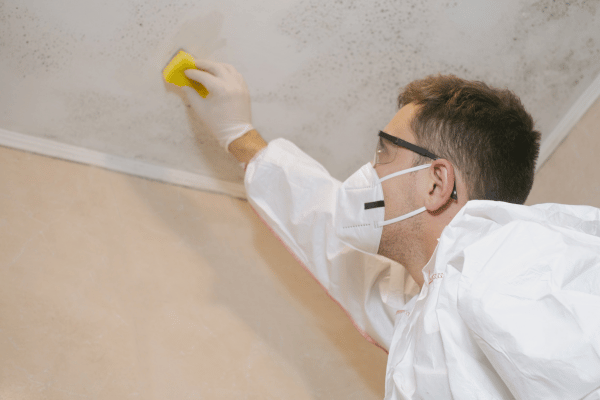
We start with a visual assessment of your entire property—attics, basements, crawl spaces, bathrooms, kitchens, and anywhere moisture tends to hide. We’re looking for visible mold, water damage, condensation patterns, and structural issues that create risk.
Then we bring out the equipment. Thermal imaging cameras detect temperature differences that indicate hidden moisture behind walls or under floors. Moisture meters measure exact levels in building materials. Air quality testing captures spore counts throughout your home to see what you’re actually breathing.
If we find contamination, we take surface samples and air samples. Those go to an independent third-party lab for analysis. You’ll get a detailed report that identifies the mold species, contamination levels, and whether it poses a health risk. We also check your HVAC system and plumbing to pinpoint the moisture source—because killing mold without fixing the cause just means it comes back.
The whole process takes a few hours, and you’ll have lab results within days. From there, you’ll know exactly what you’re dealing with and what needs to happen next.
Ready to get started?
Every home mold inspection includes thermal imaging, moisture mapping, air quality analysis, and surface sampling. We test multiple areas to get a complete picture of contamination levels throughout your property.
Stoopville’s climate makes basements and crawl spaces especially vulnerable. Bucks County has seen a 5-10% increase in precipitation recently, and that extra moisture doesn’t just disappear—it seeps into foundations, saturates insulation, and creates the damp conditions mold needs to thrive. We pay close attention to these high-risk areas because that’s where the worst problems usually hide.
You’ll also get a customized remediation protocol if mold is found. That’s not a sales document—it’s a roadmap any licensed contractor can follow. If you’re buying or selling a home, our report gives you negotiating power and meets Pennsylvania’s disclosure requirements. And if you’re dealing with health symptoms, you’ll finally know whether mold is the cause.
We’re not here to scare you. We’re here to give you facts, so you can make informed decisions about your property and your family’s health.
Professional mold inspection costs in Stoopville typically range from $300 to $1,000, depending on your home’s size and the level of testing required. A basic visual inspection with air sampling for a smaller home sits on the lower end. Larger properties or homes with multiple suspected contamination areas require more samples and more time, which increases the cost.
Here’s what affects pricing: square footage, number of samples needed, accessibility of areas like crawl spaces or attics, and whether you need ERMI testing or just standard air quality analysis. Most homeowners in Bucks County pay around $400-$600 for a thorough inspection that includes thermal imaging, moisture readings, and lab-analyzed samples.
That investment makes sense when you consider the alternative. Mold remediation can cost $3,000 to $10,000 if the problem spreads. Untreated mold can drop your home’s value by 20-37%. And if you’re selling without disclosure, you’re looking at potential lawsuits. Spending a few hundred dollars now to know exactly what you’re dealing with beats guessing and hoping for the best.
You need a mold inspection if you’re smelling musty odors that won’t go away, seeing visible discoloration on walls or ceilings, or dealing with health symptoms that improve when you leave the house. Those are the obvious red flags.
But there are subtler signs too. Water damage from a leak, flood, or burst pipe creates mold-friendly conditions within 24-48 hours. High humidity levels, condensation on windows, or a damp basement all point to moisture problems that lead to mold growth. If your HVAC system hasn’t been cleaned in years, mold spores could be circulating through your entire home every time the system runs.
Homebuyers should always get an inspection before closing, especially in Stoopville where humid summers create perfect conditions for hidden contamination. Sellers benefit too—finding and addressing mold before listing prevents deals from falling apart and protects you from legal liability under Pennsylvania disclosure laws. If you’re experiencing unexplained allergy symptoms, respiratory issues, headaches, or fatigue that won’t quit, mold exposure could be the cause. A professional inspection gives you definitive answers instead of months of guessing.
You can buy a DIY mold test kit for $10-$50, but it won’t tell you much. Those kits detect mold presence, which isn’t useful because nearly every home has some level of mold spores. What matters is the type of mold, the concentration, and where it’s growing. DIY kits can’t answer those questions.
Professional mold detection uses thermal cameras to find hidden moisture, air quality testing to measure spore counts in different rooms, and surface sampling to identify specific mold species. We send samples to EPA-certified labs that can distinguish between harmless mold and toxic varieties like Stachybotrys (black mold). We also have the experience to spot contamination in places you wouldn’t think to check—inside HVAC ducts, behind drywall, under flooring, or in wall cavities.
Pennsylvania requires a license to conduct professional mold assessments for a reason. Mold inspection isn’t just about finding discoloration on a wall. It’s about understanding building science, moisture dynamics, and health risks. If you’re buying a home, selling a property, or dealing with health concerns, a professional inspection gives you documentation, lab results, and a remediation plan that actually holds up. DIY kits can’t do that.
A thorough mold inspection typically takes 2-4 hours depending on your home’s size and complexity. Smaller homes with straightforward layouts take less time. Larger properties with basements, attics, crawl spaces, and multiple bathrooms require more attention.
Here’s how the time breaks down. Visual inspection of all rooms, moisture-prone areas, and structural components takes about an hour. Thermal imaging and moisture readings add another 30-60 minutes. Air sampling and surface sampling take additional time because we’re testing multiple locations to get accurate contamination levels throughout your property. If we need to inspect HVAC systems or check behind walls with a borescope, that extends the timeline.
You don’t need to leave during the inspection, but you’ll want to stay out of the way while we work. Once we’re done, samples go to the lab for analysis. You’ll have preliminary findings the same day, and full lab results usually come back within 3-5 business days. From there, you’ll get a detailed report with contamination levels, mold species identification, and a remediation protocol if needed. The whole process from inspection to final report typically wraps up within a week.
Yes. A professional mold inspection identifies contamination levels, mold species, and health risks—then tells you whether remediation is necessary or if you’re dealing with normal background levels that don’t require action.
Not all mold findings require expensive remediation. Small surface mold on a bathroom tile or window sill can often be cleaned with proper products and better ventilation. But if lab results show elevated spore counts, toxic mold species, or widespread contamination behind walls or in HVAC systems, remediation becomes necessary to protect your health and property value.
Your inspection report will include a customized remediation protocol that outlines exactly what needs to happen. That’s not a sales pitch—it’s a technical document any licensed contractor can follow, whether you hire us or someone else. The protocol specifies containment procedures, removal methods, and steps to fix the underlying moisture problem so mold doesn’t return. If you’re buying a home, this documentation gives you negotiating leverage. If you’re selling, it shows buyers you’ve addressed the issue professionally. And if you’re just trying to figure out why your family keeps getting sick, the report finally gives you clarity on whether mold is the culprit.
Mold inspection is the testing phase—we find mold, identify what type it is, measure contamination levels, and tell you what needs to happen. Mold remediation is the removal phase—actually cleaning up the contamination, fixing moisture sources, and restoring your home to safe conditions.
You can’t skip the inspection and jump straight to remediation. Without testing, you don’t know where all the mold is hiding, what species you’re dealing with, or whether the contamination poses serious health risks. You’re also guessing at the scope of work, which means you could overpay for unnecessary services or underpay and leave mold behind that continues growing.
Pennsylvania law requires mold assessors and remediators to be separately licensed, which prevents conflicts of interest. We conduct inspections and provide unbiased reports. If remediation is needed, we can handle that too—but the inspection comes first, and the findings determine the scope of work. Some companies try to sell you remediation without proper testing because it’s more profitable. That’s not how we operate. You get honest findings, lab-verified results, and a clear explanation of what’s required to fix the problem. If remediation isn’t necessary, we’ll tell you that too.
Other Services we provide in Stoopville