

Hear from Our Customers
You stop worrying about what’s growing behind your walls. Your family stops dealing with unexplained coughing, headaches, or that stuffy feeling that never goes away. The musty smell disappears.
Your home value stays protected. Mold can drop property values by 20% or more when buyers find it during inspections, and it gets worse the longer you wait. Professional mold removal means the problem gets handled completely—not just the visible spots, but the hidden growth in wall cavities, crawl spaces, and HVAC systems that you can’t see.
You get confirmation through post-remediation testing that your air quality is back to normal. No guessing. No wondering if you missed something. Just a home that’s actually safe again, with documentation to prove it if you ever need to sell.
We’ve been handling mold problems across Bucks County for years, and we understand what makes Stoopville homes different. The older housing stock here wasn’t built with modern moisture barriers. The humidity in summer creates perfect conditions for mold between 62-93%. The temperature swings and heavy precipitation we get in South Central Pennsylvania mean water finds its way into basements, crawl spaces, and attics more often than most homeowners realize.
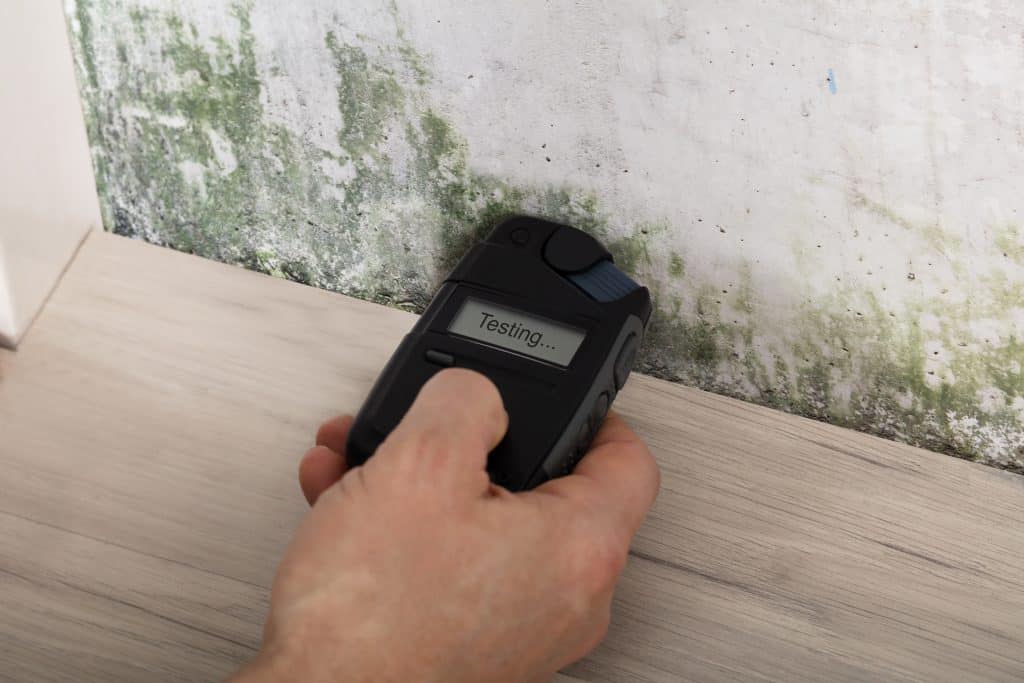
We’re certified mold specialists who’ve seen every type of mold situation these homes can throw at us. Our technicians use thermal imaging and moisture meters to find problems you can’t see, and we don’t start work until you have a clear estimate and timeline. We’re available when you need us, including emergency response, because mold starts growing within 24-48 hours of water exposure.

We start with a free inspection of your property. Our technicians check the obvious spots and the hidden ones—wall cavities, under flooring, around plumbing, in your HVAC system. We use moisture meters and thermal imaging to find water intrusion you can’t see. Then we give you an upfront estimate before any work starts.
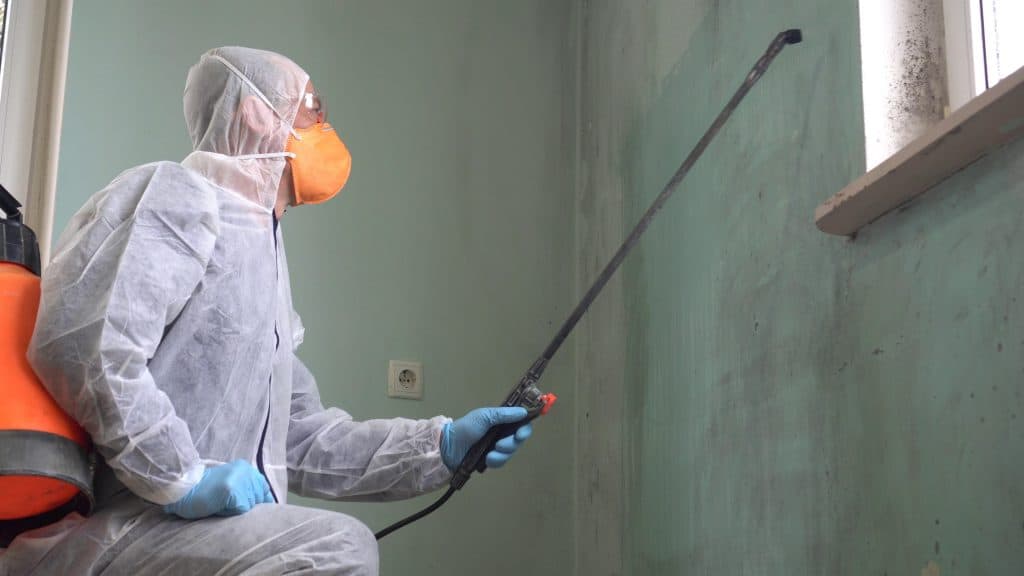
Once you approve, we seal off the affected areas with plastic sheeting and set up negative air pressure systems. This containment step is critical—it stops mold spores from spreading to clean areas of your home during removal. Then we remove contaminated materials and clean all affected surfaces with professional-grade equipment.
But here’s what separates professional mold removal from DIY attempts: we identify and help you fix the moisture source. Leaky pipes, poor ventilation, humidity issues, roof leaks—whatever caused the mold has to be addressed or it comes right back. After remediation is complete, we run air scrubbers and conduct post-remediation testing to verify the job is done. If reconstruction is needed—replacing drywall, flooring, or other materials—we handle that too.
Ready to get started?
You get a thorough inspection at no cost, with detailed documentation of what we find. We provide comprehensive mold testing to identify the type and extent of growth. Our containment systems prevent cross-contamination during the removal process. We remove all contaminated materials safely and clean affected areas with professional equipment that actually eliminates mold at the source.
Stoopville’s tight housing market—with only a 1.9% vacancy rate—means your property is valuable, and protecting that value matters. We help identify the moisture sources causing your mold problem, whether it’s poor ventilation in your older home, plumbing issues, or the humidity challenges that come with Pennsylvania summers. Many homeowners here don’t realize that their home’s age makes it more susceptible to mold because it was built before modern moisture management became standard.
We also handle insurance claims paperwork and work directly with your insurance company. Many policies cover mold removal when it results from a covered event like a pipe burst or storm damage. After the work is done, we provide post-cleanup verification testing so you have documented proof that your home is safe. If reconstruction is necessary, we take care of that too—getting your home back to normal without you having to coordinate multiple contractors.
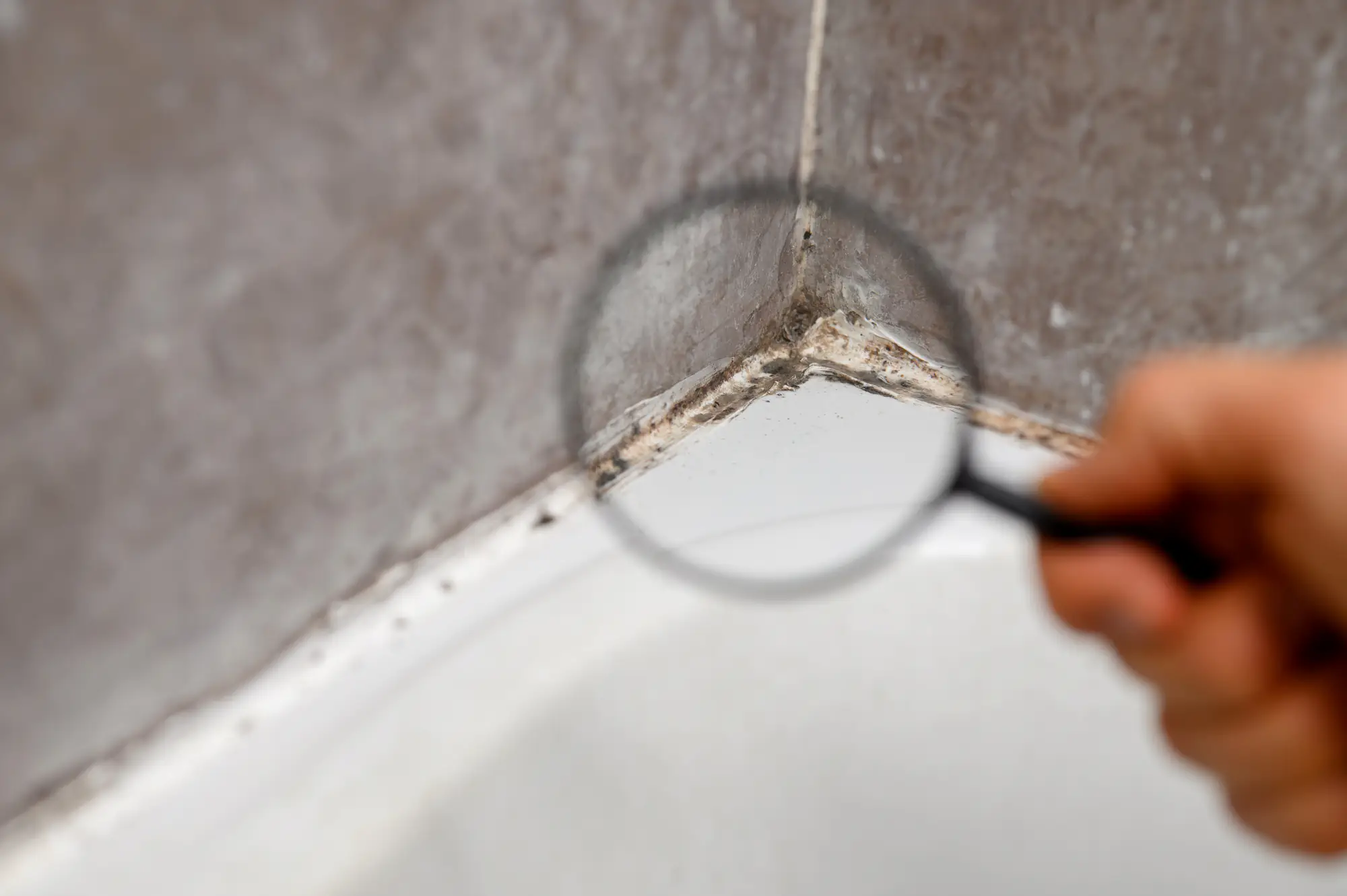
Mold begins forming within 24 to 48 hours after water exposure. That’s not a lot of time, and it’s why immediate action matters more than most people realize.
If you’ve had a leak, flood, or even just persistent condensation, the clock starts immediately. Within two days, mold spores that are already present in your home start colonizing on wet surfaces—drywall, wood, insulation, carpet. By the time you can see it or smell it, the problem is usually much bigger than what’s visible.
This is especially true in Stoopville homes where older construction materials and lack of modern moisture barriers make it easier for water to get trapped in wall cavities and under flooring. Pennsylvania’s humidity doesn’t help either. Summer months bring humidity levels that sit right in mold’s ideal growth range. The faster you address water intrusion, the less likely you are to need major structural work later.
You can handle very small areas—less than 10 square feet—if the mold is only on non-porous surfaces and you have the right protective equipment. Anything beyond that, you need a professional mold removal company.
Here’s why DIY usually fails: you can’t see where the mold actually is. It grows behind walls, under flooring, in HVAC ducts, and inside insulation. Scrubbing the visible spots doesn’t address the hidden growth, and without proper containment, you’re spreading spores to clean areas of your home while you work. You also need to fix the moisture source or the mold comes right back. Most homeowners don’t have moisture meters or thermal imaging to find where water is getting in.
Black mold removal specifically requires containment systems, negative air pressure, proper disposal of contaminated materials, and post-remediation testing to confirm it’s actually gone. We have the equipment and training to do this safely. If you have health issues, respiratory problems, or a compromised immune system, don’t attempt it yourself at all.
Most mold remediation projects in Bucks County range from $1,500 to $6,000 depending on the size of the affected area, the type of mold, and how much reconstruction is needed. Small jobs in a single room cost less. Whole-home remediation with structural repairs costs more.
The variables that affect price include how much material needs to be removed, whether you need reconstruction after remediation, the type of mold present, and how accessible the affected areas are. Crawl spaces and attics take more time than open basement walls. Hidden mold behind finished walls requires more invasive work than surface growth on concrete.
Many homeowners don’t realize their insurance may cover mold removal if it resulted from a covered event—like a burst pipe or storm damage. We work directly with insurance companies and handle the claims paperwork. You’ll get a detailed estimate before any work starts, so there are no surprises. The cost of professional remediation is almost always less than the cost of ignoring the problem. Mold damage gets exponentially worse over time, and it can slash your home value by 20% or more if it’s discovered during a sale.
Mold removal means getting rid of visible mold growth. Mold remediation means bringing mold levels back to normal and fixing what caused it so it doesn’t return. Remediation is the more complete and accurate term for what needs to happen.
You can’t actually remove every single mold spore from a home—they’re everywhere in the air naturally. What you can do is eliminate active growth, reduce spore counts to safe levels, and address the moisture problem that allowed mold to colonize in the first place. That’s remediation.
Professional mold remediation includes inspection and testing, containment to prevent spread during work, removal of contaminated materials, cleaning and treatment of affected areas, fixing or identifying moisture sources, and post-remediation testing to verify the work is complete. Just scraping off visible mold and painting over it—which is what a lot of people try—doesn’t address hidden growth or moisture problems. The mold comes back, often worse than before, because the conditions that caused it are still there.
Persistent musty odors are the biggest indicator. If you smell mold but can’t see it, it’s probably growing somewhere hidden. Other signs include unexplained respiratory symptoms that don’t go away, visible water stains or discoloration on walls and ceilings, peeling or bubbling paint, and warped drywall or baseboards.
You might also notice that certain rooms feel more humid than others, or that family members feel better when they leave the house and worse when they come back. These are all signs that mold is growing somewhere you can’t see—inside walls, under flooring, in ceiling cavities, or in your HVAC system.
We use tools you don’t have access to during our professional mold inspections. Moisture meters detect elevated moisture levels inside walls without cutting them open. Thermal imaging cameras show temperature differences that indicate water intrusion and potential mold growth. We also inspect areas most homeowners don’t think to check—the back side of drywall, inside air ducts, under insulation in crawl spaces and attics. Stoopville’s older homes are particularly susceptible to hidden mold because they weren’t built with vapor barriers and modern moisture management systems. A free inspection gives you certainty instead of guessing.
Not if the moisture source gets fixed. Mold needs water to grow. Remove the water source and mold can’t colonize again. That’s why identifying and fixing what caused the problem is the most important part of remediation.
If you just remove the mold but leave a leaky pipe, poor ventilation, or humidity problem untreated, yes—it will come back. This is the main reason DIY mold removal fails and why some cheaper mold removal companies don’t actually solve the problem. They treat the symptom but not the cause.
We identify moisture sources as part of our professional mold remediation. We use moisture meters to find where water is getting in, whether it’s plumbing leaks, roof damage, poor grading around your foundation, or just inadequate ventilation in humid areas like bathrooms and basements. We’ll tell you what needs to be fixed. Sometimes we can handle it as part of the job. Other times you’ll need a plumber or roofer. Either way, you’ll know exactly what’s causing the problem and what needs to happen to prevent it from returning. We also provide post-remediation verification testing so you have documentation that the mold is gone and your air quality is back to safe levels.
Other Services we provide in Stoopville