
Mold Inspection in Warwick, PA

Find Hidden Mold Before It Costs You Thousands

Professional mold detection that identifies problems early, protects your family’s health, and prevents expensive remediation down the road.
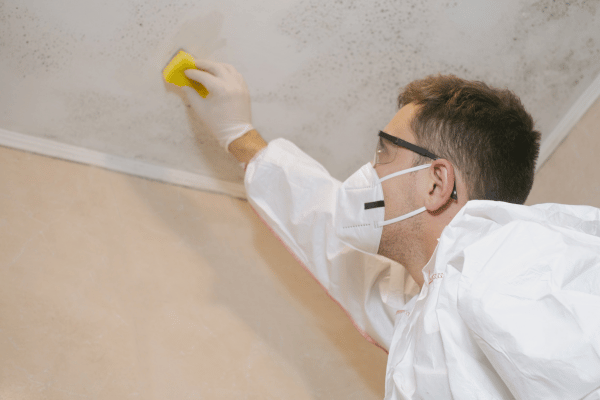
Protective worker in safety suit inspecting or treating mold spots on an indoor ceiling, addressing moisture damage and potential mold growth inside a building.

Hear from Our Customers

Professional Mold Detection Services

Know Exactly What You're Dealing With

You’re noticing something off. Maybe it’s a musty smell that won’t go away. Allergy symptoms that improve the moment you leave the house. Or you’re buying a home in Warwick and want to know what’s really behind those walls before you sign.

Mold inspection gives you answers. Not guesses, not maybes—actual data about what’s growing in your home, where it’s hiding, and what needs to happen next.

Here’s what changes after a proper inspection: you stop wondering if that smell is dangerous. You know whether your HVAC system is circulating spores throughout your home. You have documentation for insurance claims, real estate transactions, or legal disputes. And if there’s a problem, you catch it before it spreads into a five-figure remediation job.

In Bucks County, where humid summers and temperature swings create perfect conditions for mold growth, waiting isn’t a strategy. Mold can establish itself within 24 to 48 hours after water exposure. The difference between a small fix and a major problem often comes down to timing.

Warwick's Trusted Mold Inspection Company

We Test, You Decide—No Pressure

We serve Warwick and the surrounding Bucks County area with straightforward mold inspection services. We’re not here to upsell you on remediation you don’t need or downplay issues that matter.

Our approach is simple: we assess your property using thermal imaging and air quality sampling, send samples to Pro-Lab (where a doctor of microbiology reviews every report), and explain what we find in plain language. You get the facts. You make the call.

Warwick homeowners deal with specific challenges—older homes with hidden moisture issues, basements that stay damp, HVAC systems that haven’t been checked in years. We know what to look for because we’ve been doing this work locally. We understand Pennsylvania’s climate, the way homes are built here, and the regulations that apply when mold becomes part of a real estate transaction or insurance claim.

Protective worker collecting a mold sample from a stained indoor ceiling using a swab, inspecting moisture damage and potential mold growth inside a building.

Our Mold Inspection Process

What Happens During a Home Mold Inspection

First, we walk through your property and listen. You tell us what you’ve noticed—smells, symptoms, visible growth, water damage history. We’re looking for clues about where moisture is getting in and where mold is likely hiding.

Next comes the technology. We use thermal imaging to identify temperature differences that indicate moisture behind walls or under floors. Infrared moisture mapping shows us exactly where water is accumulating, even in places you can’t see. Then we collect air samples and surface samples from areas of concern.

Those samples go to Pro-Lab for analysis. You’re not waiting weeks—results typically come back quickly, and they’re reviewed by a microbiologist who identifies the type and concentration of mold present.

Finally, we sit down with you and explain what the report means. If there’s mold, we tell you what kind, where it’s growing, and what the health risks are. If remediation is needed, we outline your options without pushing you toward any particular solution. If the air quality is fine, we tell you that too.

The goal is clarity. You walk away knowing whether you have a mold problem, how serious it is, and what your next steps should be.

Home interior with mold remediation in progress as a worker sprays treatment on a wall using a ladder, while a resident relaxes on a covered sofa in a renovated living room.

Ready to get started?

Explore More Services

About Mack's Mold Removal

What's Included in Mold Testing

Comprehensive Detection, Not Just a Visual Check

A real mold inspection goes beyond looking at visible surfaces. Most mold grows where you can’t see it—inside walls, under flooring, in ductwork, behind appliances.

Our inspections include thermal imaging to detect hidden moisture, air quality testing to measure spore levels throughout your home, and surface sampling in areas where growth is suspected or confirmed. We check basements, crawl spaces, attics, bathrooms, and HVAC systems—the places where mold typically takes hold in Warwick homes.

You also get a detailed lab report that breaks down exactly what species of mold are present and at what concentrations. This isn’t a pass/fail test. It’s data you can use to make informed decisions about remediation, and it holds up in real estate negotiations or insurance claims.

Pennsylvania doesn’t have state-level mold regulations yet, but laws are being developed that will separate testing from remediation. That’s important because it means the company inspecting your home won’t have a financial incentive to exaggerate the problem. We test. You decide what happens next.

In a market where nearly half of U.S. homes have mold issues, and where Warwick properties are valued at a median of over $546,000, knowing what’s happening inside your walls isn’t optional. It’s protection for your health and your investment.

How much does a mold inspection cost in Warwick, PA?

Mold inspection costs vary depending on the size of your home and the scope of testing required, but most residential inspections in Warwick range from a few hundred dollars to around $800. That includes the site visit, air and surface sampling, lab analysis, and a detailed report.

It’s not a small expense, but compare it to the alternative. Mold remediation can run anywhere from $2,000 to $10,000 or more, depending on how far the contamination has spread. An inspection catches problems early, when they’re still manageable.

If you’re buying a home, the cost of an inspection is a fraction of what you’d lose if you discovered mold after closing. Pennsylvania law allows buyers to recover repair costs and legal fees if sellers knowingly concealed mold issues. Testing gives you leverage in negotiations and protects you from inheriting someone else’s problem.

Persistent musty odors are the most common red flag. If a smell lingers even after cleaning, mold is likely growing somewhere hidden.

Health symptoms are another indicator. Headaches, respiratory issues, skin rashes, sinus problems, or allergy symptoms that improve when you leave the house can all point to mold exposure. Mold produces mycotoxins that affect air quality and health, sometimes seriously.

Visible signs matter too—discoloration on walls or ceilings, peeling paint, warping floors, or condensation on windows. Any history of water damage, leaks, flooding, or plumbing issues increases the likelihood of mold growth. In Pennsylvania’s humid climate, especially during summer months, even minor moisture problems can escalate quickly.

If you’re buying or selling a home in Warwick, an inspection is standard due diligence. Mold can reduce property values by 20% to 37%, and it’s one of the top issues that derail real estate transactions.

DIY mold test kits are available, but they don’t give you the full picture. They might tell you mold is present, but they won’t tell you what type, how much, where it’s coming from, or whether it’s a health risk. They also can’t detect hidden mold behind walls or in HVAC systems.

Professional mold detection uses thermal imaging, moisture mapping, and lab-grade air sampling to identify problems you can’t see. The samples are analyzed by microbiologists who can differentiate between harmless environmental mold and species that pose serious health risks.

If you’re dealing with a real estate transaction, insurance claim, or legal dispute, you need certified results from a licensed professional. DIY tests won’t hold up in those situations. Pennsylvania is moving toward regulations that require licensed assessors for professional mold inspection, which adds another layer of credibility and accountability.

For peace of mind and actionable information, professional testing is worth the investment. You’re not just finding mold—you’re understanding the scope of the problem and what needs to happen next.

Most residential mold inspections in Warwick take between one and three hours, depending on the size of your home and the areas being tested. We’re thorough, but we’re not wasting your time.

The process includes a visual assessment, thermal imaging, moisture readings, and sample collection from air and surfaces. If your home has multiple levels, a basement, attic, or crawl space, or if there’s a history of water damage, the inspection may take longer.

After the on-site work is done, samples go to the lab for analysis. You typically get results within a few days, along with a detailed report that explains what was found and what it means for your home and health.

If you’re on a tight timeline—say, you’re in the middle of a real estate transaction—let us know upfront. We can prioritize your inspection and work with your schedule to get you answers quickly.

If we find mold, you get a clear explanation of what type it is, where it’s growing, how much is present, and what health risks it poses. The lab report breaks down spore concentrations and identifies specific species, which helps determine the urgency of remediation.

From there, you have options. Small, contained areas of mold can sometimes be cleaned and treated without major construction. Larger infestations may require professional remediation, which involves containment, removal of affected materials, air filtration, and treatment to prevent regrowth.

We don’t push you toward any particular solution. Our job is to give you the facts so you can make an informed decision. If remediation is necessary, you’re free to hire any licensed company you trust. Pennsylvania is working toward regulations that prohibit testing companies from also performing remediation, which eliminates conflicts of interest.

If mold is found during a home purchase, you can use the inspection report to negotiate repairs, a price reduction, or even walk away from the deal if the problem is severe. Sellers are legally required to disclose known mold issues, and buyers have recourse if that disclosure doesn’t happen.

Pennsylvania’s climate creates ideal conditions for mold growth. Humid summers, frequent rainfall, and temperature swings cause condensation inside homes, especially in basements, attics, and poorly ventilated spaces. Mold needs moisture, warmth, and organic material to grow—and Pennsylvania homes provide all three.

Older homes in Warwick and Bucks County are particularly vulnerable. Many were built before modern moisture barriers and ventilation standards existed. Basements stay damp, crawl spaces trap humidity, and HVAC systems circulate spores if they’re not maintained properly.

Water damage from burst pipes, roof leaks, or flooding accelerates the problem. Mold can establish itself within 24 to 48 hours after water exposure, and once it takes hold, it spreads quickly through porous materials like drywall, insulation, and wood framing.

Pennsylvania ranks in the top 60% of states for mold susceptibility, and the CDC estimates that 47% of U.S. homes have mold problems. In a region where home values are high and health is a priority, ignoring the risk isn’t an option. Regular inspections, especially after water events or during real estate transactions, are the best way to stay ahead of the problem.

Other Services we provide in Warwick