
Mold Inspection in Johnsville, PA

Find Hidden Mold Before It Finds You

Professional mold detection that catches problems early, protects your family’s health, and saves you from costly repairs down the road.
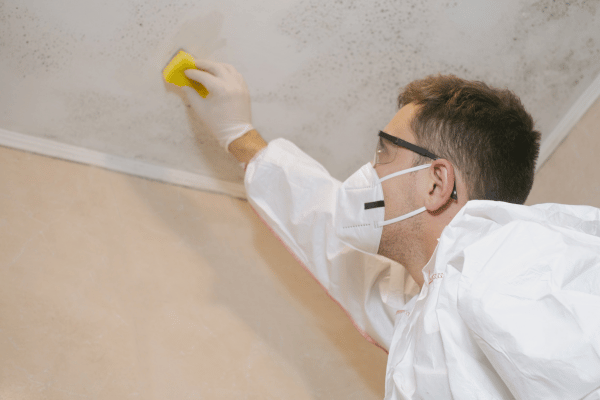
Protective worker in safety suit inspecting or treating mold spots on an indoor ceiling, addressing moisture damage and potential mold growth inside a building.

Hear from Our Customers

Home Mold Inspection Services

Know Exactly What You're Dealing With

You can’t fix what you can’t see. That’s the problem with mold—it hides in walls, crawls through ductwork, and grows behind baseboards where you’d never think to look.

A proper home mold inspection gives you the full picture. You’ll know if there’s a problem, where it’s coming from, and what it’ll take to fix it. No guessing. No wondering if that musty smell is just old carpet or something worse.

Most people call us after they’ve already noticed something—discoloration on a ceiling, a damp corner in the basement, or allergies that won’t quit. But by then, the mold’s been growing for weeks or months. An inspection catches it early, before it spreads into your HVAC system or behind drywall you just painted.

You get a clear report. You get recommendations. And if there’s nothing wrong, you get peace of mind. That’s worth more than waiting and hoping it goes away on its own.

Mold Detection Company Johnsville

We've Been Doing This in Bucks County for Years

We’ve been serving Johnsville and the surrounding Bucks County area long enough to know how homes here behave. We understand the basement moisture issues that come with older foundations. We’ve seen what happens when spring flooding seeps into crawl spaces, and we know which neighborhoods deal with poor drainage year after year.

That local knowledge matters. We’re not running a checklist from a franchise manual. We’re looking at your specific home, in your specific area, with an understanding of what typically goes wrong and where.

Our team uses the same advanced detection methods you’d find anywhere—moisture meters, infrared cameras, air sampling, surface testing—but we apply them with context. You’re not just getting a report. You’re getting an honest assessment from people who’ve been inside hundreds of homes like yours.

Protective worker collecting a mold sample from a stained indoor ceiling using a swab, inspecting moisture damage and potential mold growth inside a building.

Our Mold Inspection Process

Here's What Actually Happens During an Inspection

We start with a visual assessment. That means walking through your home, checking the usual problem areas—basements, bathrooms, attics, around windows—and looking for visible signs of mold or moisture damage. We’re also listening to what you’ve noticed: smells, stains, health symptoms, water issues.

Next comes the technology. We use moisture meters to measure water content in walls, ceilings, and floors. Infrared cameras help us see temperature differences that indicate hidden moisture. If we find something suspicious, we take samples—either from the air or directly from surfaces.

Those samples go to a certified lab. They’ll identify the type of mold, the concentration, and whether it’s something that needs immediate attention or just routine cleanup. You get a full report that breaks down what we found, what it means, and what your options are.

If there’s a problem, we’ll walk you through next steps. If your home is clear, you’ll have documentation proving it—helpful if you’re buying, selling, or just want it on record. The whole process usually takes a few hours, and you’ll have answers within a few days.

Home interior with mold remediation in progress as a worker sprays treatment on a wall using a ladder, while a resident relaxes on a covered sofa in a renovated living room.

Ready to get started?

Explore More Services

About Mack's Mold Removal

Black Mold Inspection Johnsville

What's Included in a Professional Mold Inspection

You’re getting more than someone walking around with a flashlight. A real mold inspection includes moisture mapping, air quality testing, surface sampling, and infrared scanning to detect hidden water intrusion. We check behind appliances, inside HVAC systems, under sinks, and in areas most people never look.

In Johnsville and Bucks County, we’re especially focused on basements and crawl spaces. Homes here deal with groundwater issues, aging sump pumps, and foundation cracks that let moisture in. We also inspect attics, since poor ventilation and roof leaks are common culprits for mold growth in older homes.

If you’re buying or selling a property, the inspection includes documentation that meets Pennsylvania disclosure requirements. If you’re dealing with a suspected health issue, we’ll prioritize air sampling to measure spore counts in the rooms where you’re spending the most time. And if you’ve had water damage—from a burst pipe, a leaky roof, or flooding—we’ll assess whether mold has started growing in hidden areas.

Every inspection ends with a written report and a conversation. We’ll explain what we found in plain terms, answer your questions, and give you a realistic sense of what needs to happen next. No scare tactics. No upselling. Just the facts and your options.

How much does a mold inspection cost in Johnsville?

Most mold inspections in the Johnsville and Bucks County area run between $200 and $800, depending on the size of your home and how much testing is needed. A basic visual inspection with a few samples will be on the lower end. If you need comprehensive air testing in multiple rooms, infrared scanning, and lab analysis, it’ll cost more.

We offer free initial inspections to assess the situation and give you an honest opinion on whether full testing is even necessary. Sometimes a visual check and moisture reading are enough to identify the problem. Other times, you need lab results to know exactly what you’re dealing with—especially if you’re making a real estate decision or filing an insurance claim.

The cost of an inspection is a fraction of what you’d pay for mold remediation if the problem gets worse. Catching it early almost always saves money in the long run.

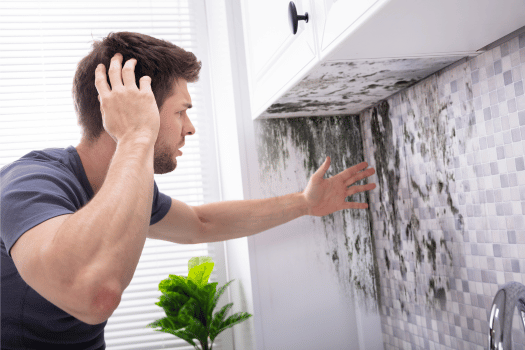
The obvious signs are visible mold growth, water stains on ceilings or walls, and a persistent musty smell that doesn’t go away even after cleaning. But mold doesn’t always announce itself that clearly.

You might notice health symptoms instead—chronic coughing, sneezing, headaches, or respiratory issues that improve when you leave the house. That’s a red flag. You might also see peeling paint, warped baseboards, or condensation on windows that suggests ongoing moisture problems.

If you’ve had any kind of water damage—a roof leak, a burst pipe, flooding in the basement—you should get an inspection even if you don’t see mold yet. It can start growing within 24 to 48 hours of water exposure, and it often hides behind drywall or under flooring. By the time it’s visible, it’s usually been there for a while.

A typical inspection takes two to four hours, depending on the size of your home and how many areas need testing. We’re not rushing through it. We’re checking every space where mold commonly grows and using equipment to find problems you wouldn’t see on your own.

After the inspection, samples go to a certified lab for analysis. You’ll usually get results back within three to five business days. The report will include lab findings, photos, moisture readings, and our recommendations for next steps.

If you need faster results—say, you’re in the middle of a real estate transaction—let us know upfront. We can often expedite lab processing for an additional fee. But in most cases, a few days is a reasonable timeline for accurate, thorough results.

You can buy a DIY mold test kit at a hardware store, but it won’t give you the full picture. Those kits usually just test the air in one room, and they don’t tell you where the mold is coming from, how bad the problem is, or what type of mold you’re dealing with.

A professional inspection uses multiple methods—visual assessment, moisture detection, infrared imaging, air sampling, and surface testing. We’re trained to find hidden mold in places you wouldn’t think to check, like inside wall cavities, under flooring, or in HVAC ducts.

We also know what to look for beyond the mold itself. Is there an active moisture source? Is the problem isolated or widespread? Will it keep coming back if you just clean the surface? Those are questions a test kit can’t answer. If you’re serious about knowing what’s going on in your home, a professional inspection is the only way to get reliable information.

It depends on what caused the mold. If it’s the result of a sudden, covered event—like a burst pipe or storm damage—your homeowners insurance might cover the inspection and remediation. But if the mold developed because of long-term neglect, poor maintenance, or ongoing moisture problems, most policies won’t cover it.

Pennsylvania doesn’t have specific state regulations requiring mold coverage, so it varies by insurer and policy. Some policies explicitly exclude mold. Others cover it only under certain conditions. You’ll need to check your policy or call your insurance company to know for sure.

We work with insurance companies regularly and can help document findings in a way that supports your claim. If you’re filing a claim, it’s smart to get the inspection done quickly and keep all records of the damage and repairs. Even if insurance doesn’t cover the inspection itself, having professional documentation strengthens your case for covering the remediation.

First, don’t panic. Finding mold doesn’t mean your home is unlivable or worthless. It means you have information, and now you can deal with it properly.

We’ll walk you through the report and explain what type of mold was found, where it’s located, and how serious the issue is. Some mold just needs surface cleaning and better ventilation. Other situations require containment, removal of affected materials, and fixing the underlying moisture problem.

If remediation is needed, we handle that too. We’ll give you a clear scope of work and a timeline. If you’re working with insurance, we’ll provide the documentation they need. And once the mold is removed, we’ll retest to make sure the air quality is back to normal and the problem is actually solved—not just covered up. You’ll know your home is safe, and you’ll have proof of it.

Other Services we provide in Johnsville