
Hear from Our Customers
You stop wondering if that smell is dangerous. Your kids stop coughing at night. You can finally use that basement or bathroom without worrying what’s growing behind the walls.
When mold gets removed the right way, your indoor air quality improves immediately. Allergy symptoms drop off. Respiratory issues that have been nagging you for months start to clear up. That’s not marketing talk—studies show that proper mold remediation can reduce asthma symptoms by 25% to 45%.
But here’s what matters just as much: you’re not dealing with this again in six months. Real mold removal means finding where the moisture is coming from, fixing that problem, and then removing every trace of growth. If someone just sprays bleach and repaints, you’re looking at the same issue next season.
You also protect your property value. Homes with known mold problems can lose 20% to 37% of their value. Getting it handled by certified professionals means you’re not stuck explaining a mold history when it’s time to sell.
Mack’s Mold Removal has been handling mold problems across Bucks County for years. We’re not a national franchise reading from a script. We’re local, and we’ve seen what happens when homes in this area deal with humidity, old basements, and the kind of weather that creates perfect conditions for mold growth.
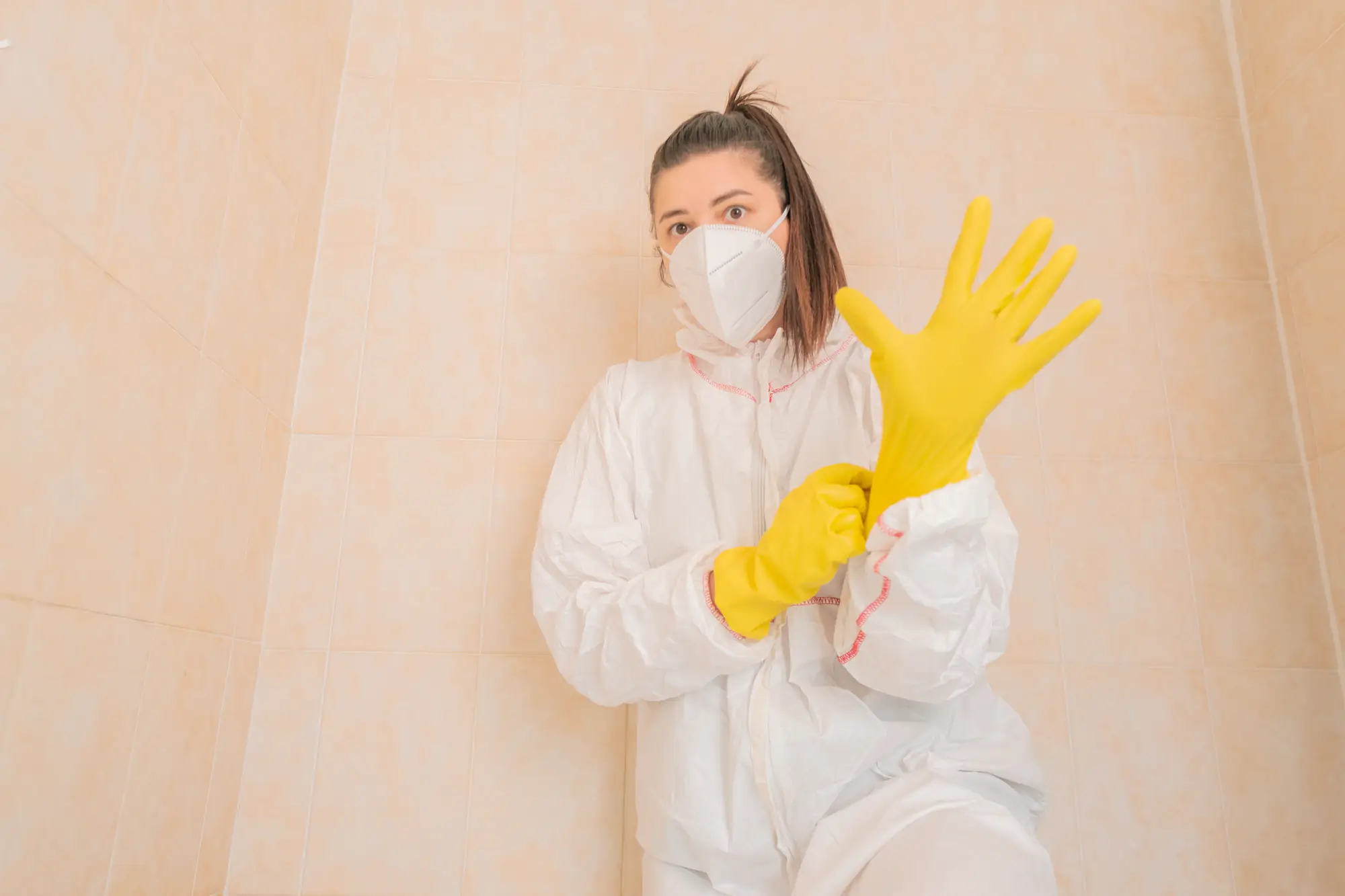
Our technicians are certified mold remediation professionals. That means they’ve been trained on EPA-approved methods, they understand how mold spreads, and they know how to remove it without making things worse. We’re fully insured and licensed in Pennsylvania.
What sets us apart is simple: we don’t just treat the mold you can see. We find out why it’s there in the first place. Maybe it’s a slow leak under your sink. Maybe your crawl space doesn’t have proper ventilation. Whatever it is, we fix the cause so you’re not calling someone back in a year.
First, we come out and do a free inspection. No pressure, no sales pitch. We’re looking for visible mold, checking moisture levels, and identifying where water is getting in. This usually takes about an hour depending on the size of your home.
Once we know what we’re dealing with, we give you a clear estimate. You’ll know what the work involves, how long it’ll take, and what it costs before we start anything.
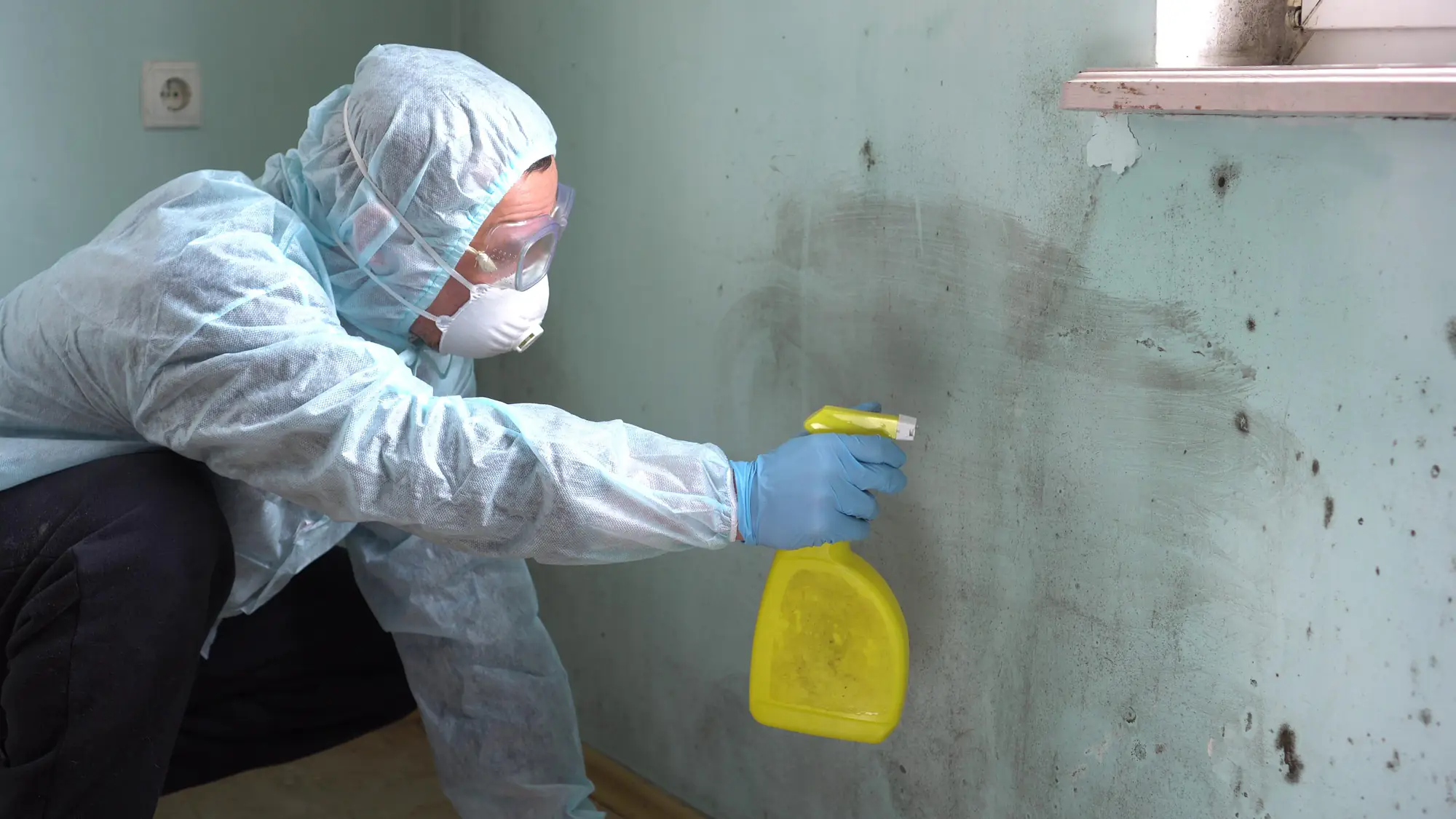
When you’re ready to move forward, we contain the area to prevent mold spores from spreading to other parts of your home. Then we remove all contaminated materials—drywall, insulation, whatever’s affected. We use HEPA filtration and EPA-approved cleaning agents to eliminate mold at the source.
After removal, we treat the area to prevent regrowth and address the moisture issue that caused the problem. If you need repairs or restoration after that, we handle that too. You’re not juggling multiple contractors.
The whole process typically takes a few days, but we’re available 24/7 if you’ve got an emergency situation like a burst pipe or flooding. Mold starts growing within 24 to 48 hours after water damage, so speed matters.
Ready to get started?
You get a full inspection that identifies all affected areas, not just the obvious spots. We check behind walls, under floors, in attics, and crawl spaces. Nearly 70% of homes have mold somewhere, and it’s usually not where you’re looking.
We handle every type of mold situation—black mold in bathrooms, basement mold from foundation leaks, attic mold from roof issues, and mold growth after water damage. Our team uses advanced moisture detection equipment to find hidden problems before they get worse.
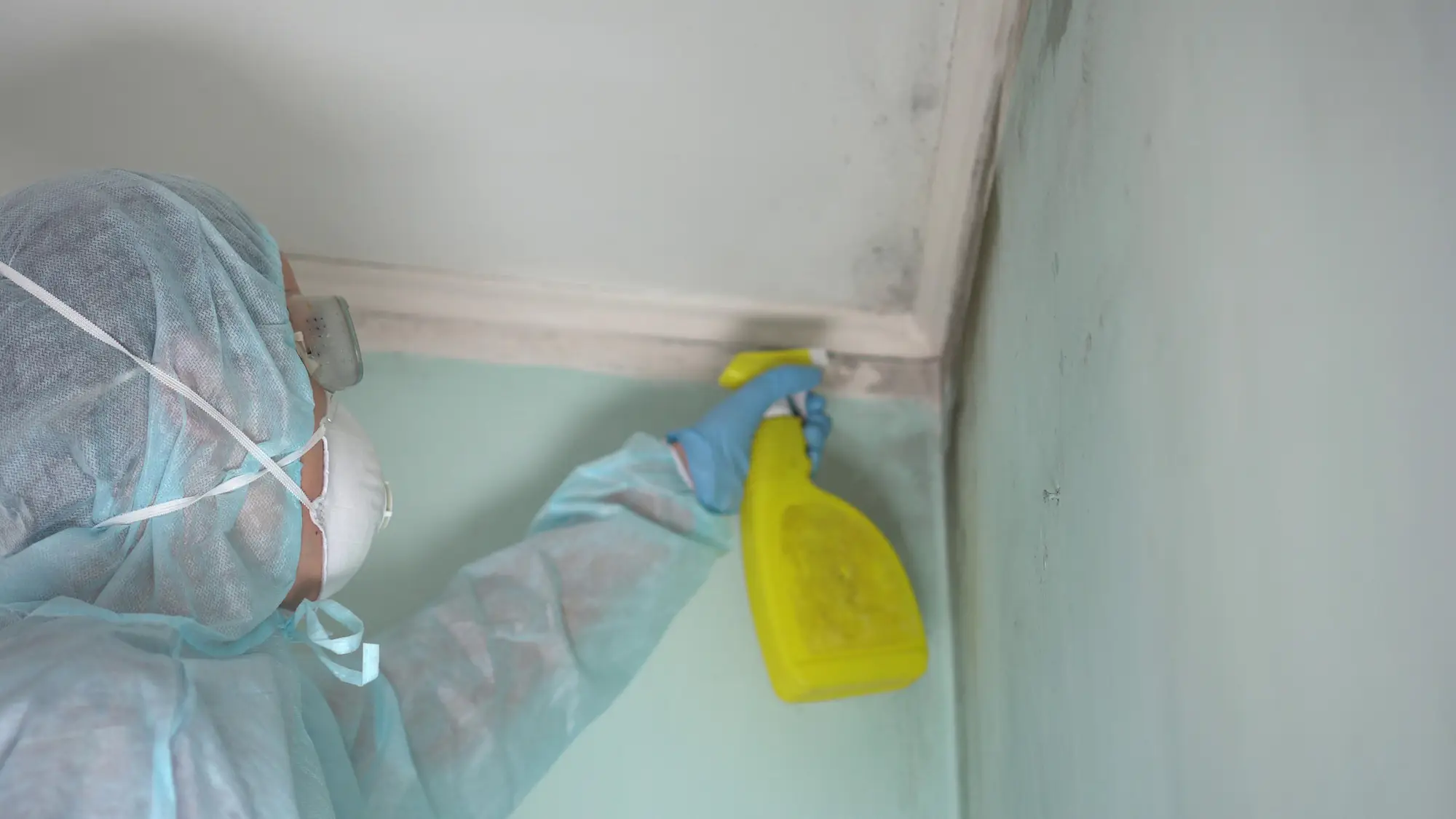
The remediation itself follows strict protocols. We set up containment barriers, use negative air pressure to control spore spread, and remove all contaminated materials safely. Then we clean and treat all surfaces with antimicrobial solutions.
Here in Johnsville and the rest of Bucks County, we see a lot of mold issues tied to older homes with poor ventilation and basement moisture problems. Pennsylvania’s humidity doesn’t help. About 47% of residential buildings show visible mold or detectable odor, so you’re not alone in dealing with this.
We also work directly with your insurance company if your mold problem is related to covered water damage. We’ll document everything, provide the necessary reports, and help you navigate the claims process. If you need financing options, we’ve got those available too.

If you can see mold growth larger than about 10 square feet, you need professional help. That’s roughly a 3×3 area. Anything bigger than that means the contamination has likely spread beyond what’s visible, and DIY methods won’t cut it.
You should also call professionals if you smell a persistent musty odor but can’t find the source. Mold often grows inside walls, under flooring, or in HVAC systems where you can’t see it. If anyone in your home is experiencing unexplained respiratory issues, allergies, or asthma symptoms that get worse indoors, that’s another red flag.
Water damage is an automatic trigger. If you’ve had flooding, a burst pipe, or even a slow leak that’s been going on for a while, mold is probably already growing. It starts within 24 to 48 hours of water exposure. Trying to handle that yourself usually means you’re spreading spores throughout your home and missing the hidden growth. We have the equipment to detect moisture in places you can’t access and the training to remove mold without making the problem worse.
Mold removal sounds like you’re getting rid of every single spore, but that’s not realistic. Mold spores exist everywhere—they’re in the air right now. The goal isn’t to create a completely sterile environment. That’s impossible.
Mold remediation is about bringing mold levels back to normal and safe levels. That means removing the active growth, cleaning affected areas, and most importantly, fixing whatever moisture problem caused the mold in the first place. If you just kill the mold but don’t address the leak or humidity issue, it’s coming back.
Professional remediation also involves containment so spores don’t spread during the removal process. We use HEPA filtration, negative air pressure, and proper disposal methods. When someone talks about “mold removal” without addressing the source, they’re usually not doing the full job. Real remediation means you’re not dealing with this again next year because the root cause got fixed. That’s the difference between a quick fix and actually solving the problem.
For a straightforward case—like mold in one bathroom or a small basement area—you’re looking at two to three days. That includes containment, removal, cleaning, and treatment. Larger jobs or situations where mold has spread through multiple rooms can take a week or more.
The timeline depends on how much material needs to be removed. If it’s just surface mold on tile or concrete, that’s faster. If we’re pulling out drywall, insulation, and flooring, that takes longer. We also need time for affected areas to dry completely before we can seal and treat them.
Here’s what slows things down: hidden mold. If we find contamination behind walls or in your HVAC system during the inspection, that extends the timeline. But it’s better to find it now than to seal everything up and have it come back. We’ll give you a realistic timeframe after the inspection so you know what to expect. Emergency situations get priority—if you’ve got active water damage, we can usually start containment within hours to prevent the problem from getting worse.
It depends on what caused the mold. If it’s from a sudden, accidental event—like a burst pipe, storm damage, or an appliance leak—most homeowners policies will cover the remediation. If it’s from long-term neglect or a maintenance issue you ignored, probably not.
Insurance companies want to see that you acted quickly. Mold that develops because you didn’t fix a known leak usually isn’t covered. But if your water heater fails overnight and causes mold growth, that’s typically a covered event. The key is documenting everything and filing your claim as soon as you discover the damage.
We work with insurance companies regularly. We’ll provide detailed reports, photos, and moisture readings that support your claim. We can also communicate directly with your adjuster to explain what work is necessary and why. Some policies have specific mold coverage limits—often around $10,000—so it’s worth checking your policy details. If your situation isn’t covered or you hit your limit, we offer financing options to make the work manageable. The worst thing you can do is wait because you’re worried about cost. Mold gets exponentially more expensive the longer it spreads.
If it’s a very small area—less than 10 square feet—and it’s on a hard, non-porous surface like tile, you can try cleaning it yourself with proper precautions. But anything larger or anything on porous materials like drywall or wood needs professional handling.
Here’s why DIY mold removal usually backfires: disturbing mold releases thousands of spores into the air. Without proper containment and air filtration, you’re spreading contamination to rooms that weren’t affected before. You’re also breathing in those spores, which can cause serious respiratory issues, especially with black mold.
Most homeowners also miss the source. You might scrub away the visible mold, but if there’s moisture trapped in your wall cavity or under your flooring, it’s growing back within weeks. We use moisture meters, thermal imaging, and air quality testing to find problems you can’t see. We also have the protective equipment and disposal protocols to handle contaminated materials safely. Trying to save a few hundred dollars on a small job often turns into spending thousands more when the problem spreads or when you realize you didn’t actually fix anything. It’s not worth the health risk or the headache.
First, don’t touch it or try to clean it right away. Disturbing mold releases spores into the air, and you don’t want to breathe that in or spread it around. If it’s a small spot and you can safely avoid the area, just keep people and pets away from it until you can get it assessed.
Turn off any HVAC system that’s connected to the affected area. Air conditioning and heating systems can pull mold spores through your entire house if they’re running. If the mold is from an active water leak, shut off the water source if you can and start drying the area with fans and dehumidifiers. The faster you dry things out, the less the mold can spread.
Take photos and document everything before you do anything else. You’ll need this for insurance claims and to show us the full extent of the problem. Then call us for an inspection. We offer free assessments, and you’ll get a clear answer about what you’re dealing with and what it’ll take to fix it. Don’t wait on this—mold doubles in size every 24 to 48 hours under the right conditions. The sooner you address it, the less damage it causes and the less it costs to remediate.
Other Services we provide in Johnsville