
Hear from Our Customers
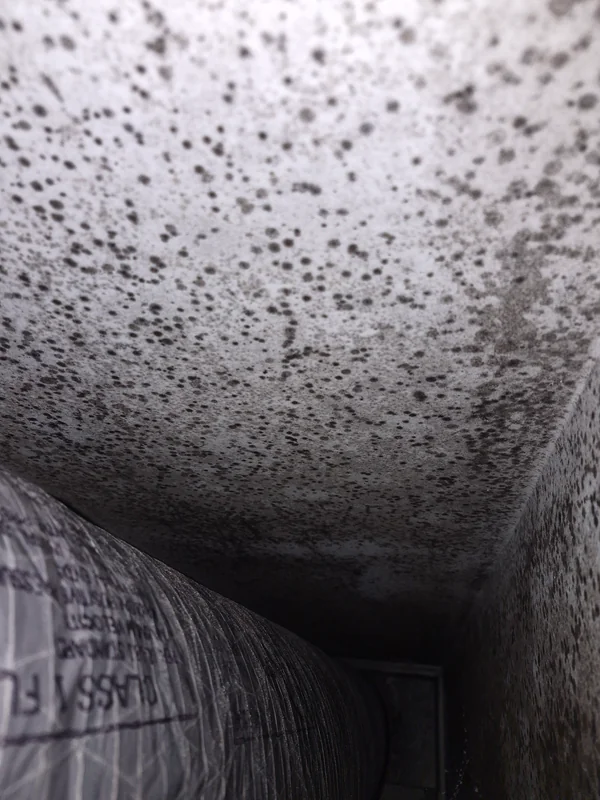
The air moving through your home right now is only as clean as the system carrying it. When that system runs through ductwork that hasn’t been touched since the 1960s which is the reality in a significant portion of Johnsville homes you’re not just dealing with dust. You’re dealing with decades of accumulated moisture, biological growth, and whatever Bucks County’s 49 inches of annual rainfall has been quietly feeding inside your walls.
For families in Johnsville, clean ducts mean your HVAC stops working against you. Allergy symptoms that seem to spike indoors, musty odors that appear the moment heat kicks on, or a general sense that the air just feels stale these aren’t random. They’re the HVAC system telling you something. Once the source is addressed, those symptoms tend to follow.
There’s also a longer-term piece here. The post-war housing stock throughout Warminster Township wasn’t built with modern moisture barriers or sealed ductwork in mind. Getting ahead of mold in those systems isn’t a luxury it’s maintenance that protects both your family and a home that, in this market, is worth protecting.
We’re based in Bensalem and have been working in Bucks County homes including the Warminster and Johnsville area for over 15 years. This isn’t a general cleaning company that added duct cleaning to a service menu. We’re a certified mold remediation operation that understands what’s actually happening inside the HVAC systems of this area’s older homes.
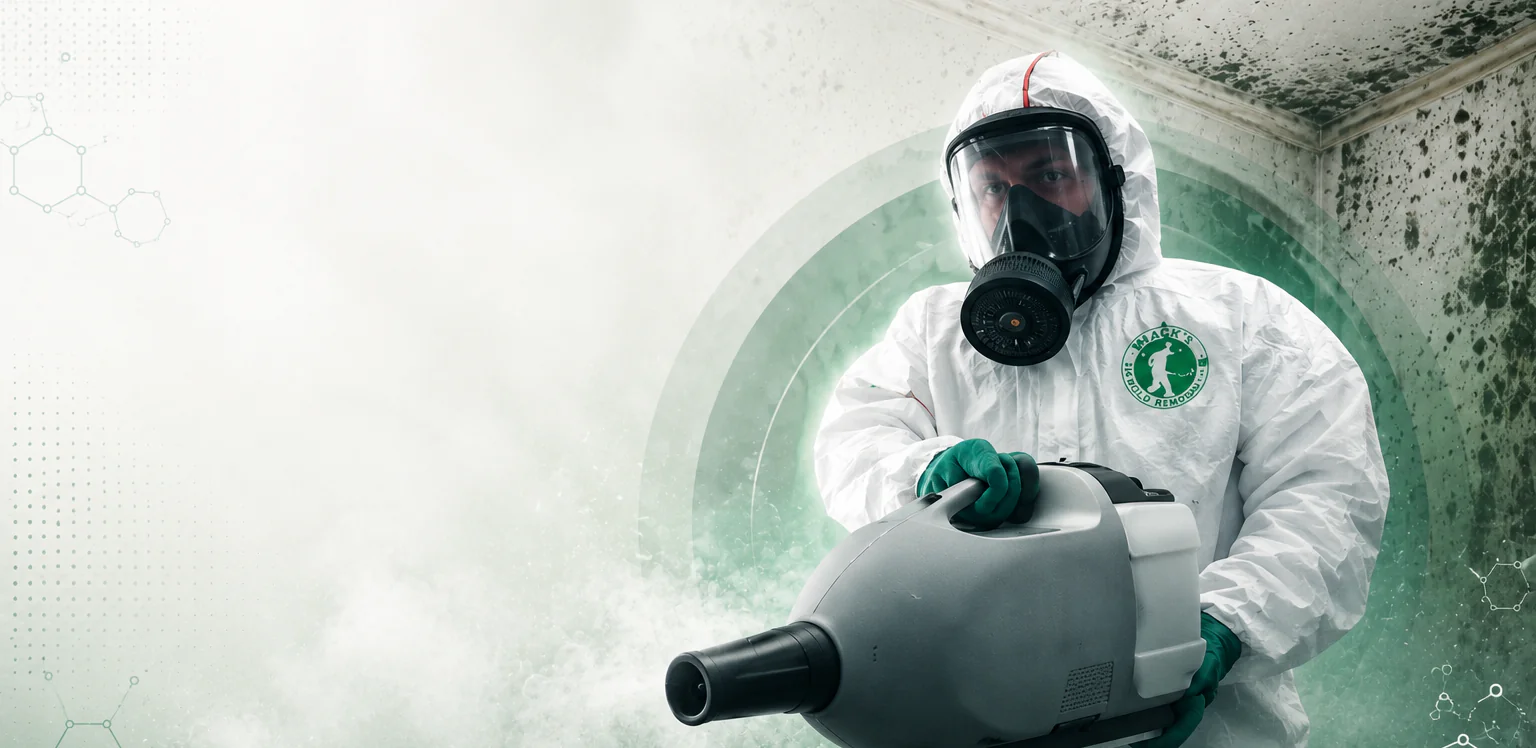
That distinction matters when mold is involved. A technician without mold remediation training can disturb a contaminated duct system and spread spores throughout the home. We use containment protocols, certified inspection methods, and post-cleaning verification meaning we test the area after the job to confirm the mold is actually gone, not just out of sight.
If you’re near Warminster Community Park, in one of the neighborhoods off Street Road, or anywhere in the Johnsville area, we already know the conditions in homes like yours. We offer free inspections, upfront pricing, and direct insurance assistance no surprises, no pressure.

It starts with a free inspection. Before anything is cleaned, one of our certified technicians walks the system checking for visible mold, moisture intrusion points, and the overall condition of the ductwork. In Johnsville’s older split-levels and Cape Cods, this step often turns up things the homeowner had no idea were there: unsealed duct joints, condensation buildup in crawl spaces, or biological growth in sections of the system that haven’t had airflow in years.
Once the inspection is done, you get a clear picture of what’s actually happening and what needs to be addressed. If mold is confirmed, containment comes first we seal off the affected sections so that the cleaning process doesn’t send spores into rooms that are currently unaffected. Then the mechanical cleaning begins, using professional-grade equipment that reaches the interior of the ductwork, not just the register face.
After the physical cleaning, we apply air duct sanitizing treatment to address any biological residue left on duct surfaces the step most companies skip. And then we test. Post-cleaning verification is how you know the job worked, not just that someone showed up. Given Bucks County’s humid summers and the age of most ductwork in this area, skipping that final confirmation step isn’t something we do.
Ready to get started?
Our air duct cleaning covers the full system supply ducts, return ducts, and the interior duct surfaces not just the visible register areas. For homes in Warminster Township where ductwork runs through partially finished basements and unconditioned crawl spaces, that interior access matters. Moisture collects in those hidden sections, and that’s where mold gets its start before the HVAC system carries it everywhere else.
Dryer vent cleaning is also available and, in Johnsville’s older homes, often more urgent than people realize. Many of the post-war houses throughout Warminster were built with longer, more convoluted dryer vent runs than current standards recommend the kind that accumulate lint faster and are harder to clear without professional equipment. The NFPA reports that failure to clean dryer vents is the leading cause of dryer-related house fires, and in homes where the vent routing hasn’t been inspected or updated in decades, that’s not a statistic to ignore.
For situations where mold is confirmed inside the duct system, air duct sanitizing applying an EPA-approved antimicrobial treatment after mechanical cleaning is part of what we deliver. We also work directly with homeowners’ insurance companies when the contamination is tied to a covered event, which is more common than most people expect in Bucks County homes dealing with water intrusion and aging HVAC systems.
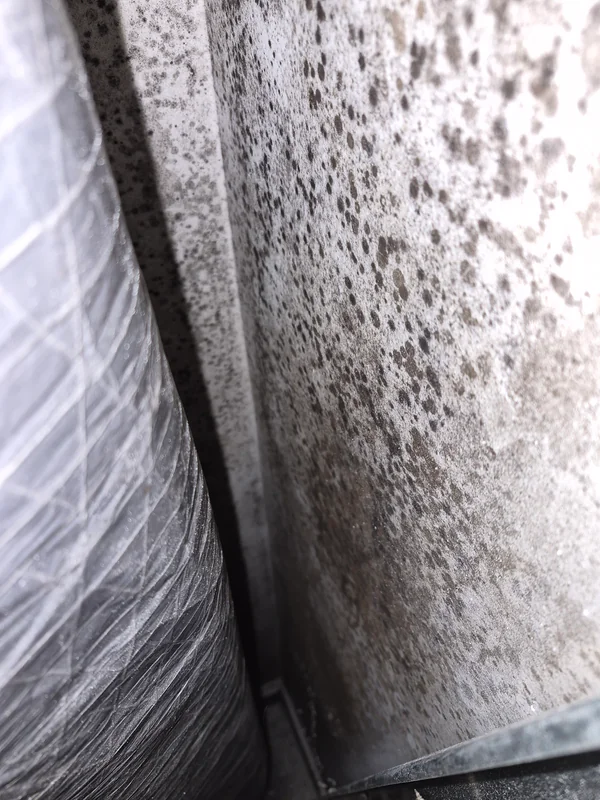
The most common sign is a musty smell that appears specifically when the HVAC system runs not a general basement odor, but something that follows the airflow. You might also notice that allergy or respiratory symptoms are worse indoors than outside, or that certain rooms feel stuffier despite the system running normally. Visible discoloration around registers is another indicator, though by the time you can see it at the vent face, the growth is usually more extensive deeper in the system.
In Johnsville’s older housing stock the Cape Cods and split-levels built in the 1940s through 1960s the ductwork often runs through unconditioned spaces where condensation accumulates. Those are the sections where mold establishes first, well before anything shows up at the register. A professional inspection is the only reliable way to know what’s actually inside. We offer free inspections, so you’re not paying to find out whether there’s a problem.
Air duct cleaning is the mechanical process using professional equipment to remove physical debris, dust, and biological buildup from the interior of your ductwork. It addresses what’s loose and removable. Air duct sanitizing is a separate step that follows cleaning: an EPA-approved antimicrobial treatment is applied to the duct surfaces to address biological residue that mechanical cleaning alone can’t fully eliminate.
When mold is involved, cleaning without sanitizing leaves the job half done. The physical mold colony gets removed, but the surface it was growing on still carries residual contamination that can support regrowth especially in Bucks County’s humid climate where moisture pressure is consistent throughout the warmer months. For Johnsville homeowners dealing with confirmed mold in their HVAC system, both steps together are what produce a result that actually holds.
This is one of the more important questions to ask before hiring anyone. A general HVAC technician or basic duct cleaning company is trained to clean they’re not trained in mold containment, identification, or remediation protocols. When mold is present in a duct system and gets disturbed without proper containment, the cleaning process itself can spread spores to rooms that were previously unaffected. That’s a real risk, and it’s why the distinction between a duct cleaner and a certified mold remediation specialist matters.
We approach air duct cleaning from the mold remediation side containment first, mechanical cleaning second, sanitizing third, and post-cleaning verification last. That sequence is specifically designed to prevent cross-contamination during the process. For a home in Johnsville where the ductwork runs through a partially finished basement with known moisture issues, that protocol isn’t optional it’s what separates a job that solves the problem from one that moves it around.
The industry standard recommendation is every three to five years for a typical home, but that baseline assumes a relatively new, well-sealed duct system in a climate without unusual moisture pressure. Johnsville and the broader Warminster area don’t fit that baseline. Bucks County averages around 49 inches of rain annually well above the national average and the majority of homes in this area were built before modern duct sealing standards existed. Those two factors together mean moisture gets into these systems more easily and more often.
For homes in Johnsville where there’s been any water intrusion event, visible mold elsewhere in the house, or a history of musty odors when the HVAC runs, waiting the full five years isn’t the right call. After any confirmed mold remediation in the home basement, bathroom, crawl space the duct system should be inspected as part of the follow-up, because the HVAC is how a localized problem becomes a whole-house problem.
It’s a fair question to ask, especially in an industry where upselling is common. The short answer is that dryer vent cleaning is a fire safety service, not a comfort upgrade. The National Fire Protection Association reports roughly 15,970 home structure fires involving dryers each year, and the leading cause is failure to clean the vent.
In Johnsville specifically, many of the post-war homes throughout Warminster Township were built with dryer vent routing that doesn’t meet current standards longer runs, more bends, and configurations designed around appliances from the 1950s and 60s, not today’s high-efficiency dryers. Those configurations accumulate lint faster and are harder to clear with a DIY brush kit. If your dryer is taking longer than usual to dry a load, running hot to the touch, or the exterior vent flap isn’t opening fully when the dryer runs, those are signs the vent needs professional attention.
It depends on the cause. Insurance coverage for mold-related work is typically tied to a covered event a burst pipe, storm water intrusion, or another sudden and accidental source of moisture. If mold in your duct system developed because of a covered event that wasn’t properly remediated at the time, there’s a reasonable case for a claim. If it’s the result of long-term humidity accumulation or deferred maintenance, coverage is less likely.
What makes this complicated for Johnsville homeowners is that the aging housing stock throughout Warminster Township often has overlapping moisture issues a slow leak that went undetected for months, a basement that’s been taking on water seasonally for years, or an HVAC system that’s been pulling humid air from an unfinished crawl space. Sorting out what’s covered requires documentation, and that’s where we can help. We work directly with insurance companies and can provide the inspection reports and lab results that support a claim so you’re not navigating that process alone.
Other Services we provide in Johnsville