
Hear from Our Customers
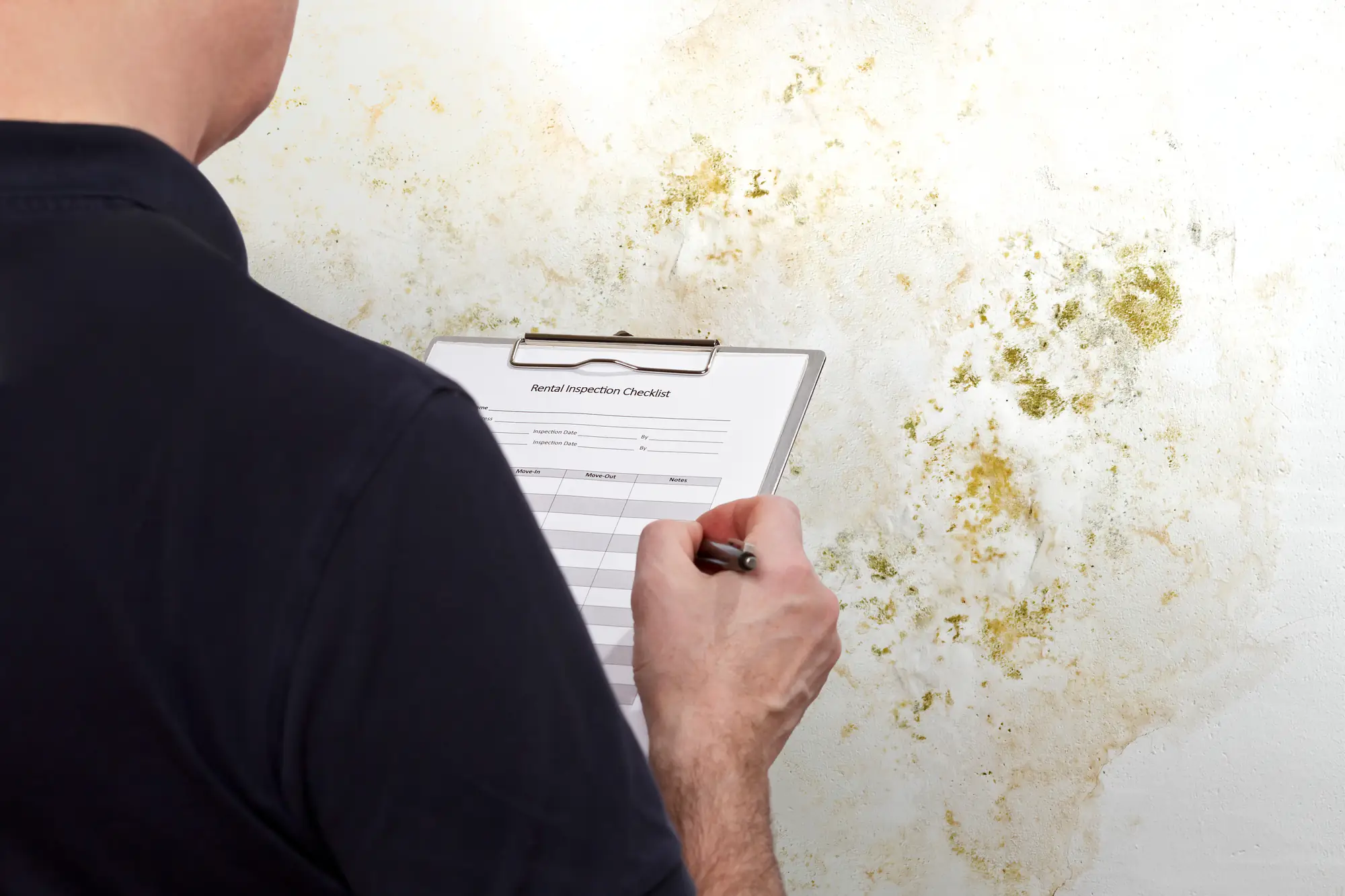
You smell something musty in the basement. Your allergies act up at home but clear up when you leave. There’s a water stain on the ceiling from last spring’s heavy rain, and you’re wondering what’s happening behind that drywall.
Mold doesn’t announce itself until it’s already a problem. It grows in the dark—inside wall cavities, under flooring, in HVAC ducts. By the time you see it, it’s been spreading for weeks or months.
A proper mold inspection in Bristol, PA means using equipment that sees what your eyes can’t. Thermal imaging picks up temperature differences as small as 0.05°C, revealing moisture trapped inside walls. Moisture meters measure exactly how wet materials are, not just whether they feel damp. We check the spaces most homeowners never look—crawl spaces, attic corners, behind appliances, inside ductwork.
You get a clear answer about whether you have mold, where it’s growing, and what’s feeding it. No more wondering if that smell is serious or if your symptoms are related to your house.
We’ve been inspecting homes in Bristol and throughout Bucks County for years. We’re not a national franchise following a corporate checklist. We’re local, and we understand what happens to homes here.
Bristol has a lot of older properties. Nearly half the housing stock was built before 1940, and many more went up in the 50s through 70s. These homes weren’t built with modern moisture barriers or ventilation systems. Add in humidity from the Delaware River and the seasonal swings we get in Pennsylvania, and you’ve got conditions where mold thrives.
We’ve seen it in dozens of basements, attics, and crawl spaces across town. We know which construction methods create problems and where to look first. Our inspectors are certified, our equipment is current, and our approach is straightforward—find the mold, identify the moisture source, tell you what needs to happen next.
We start with a free assessment. You tell us what you’ve noticed—smells, stains, health symptoms, past water problems. We ask about your home’s age, any renovations, where you’ve seen issues before.
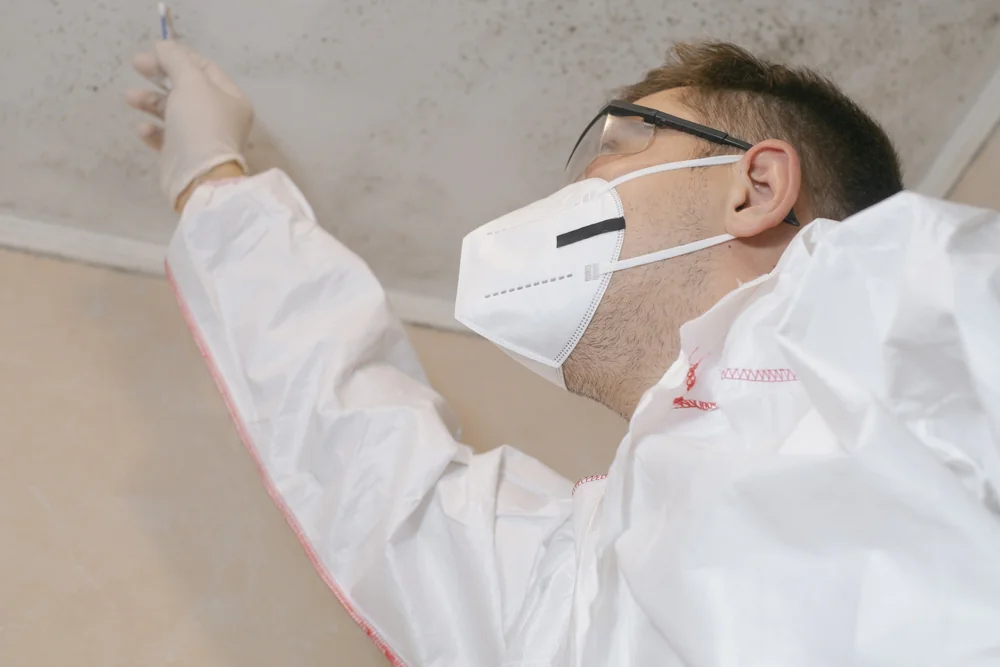
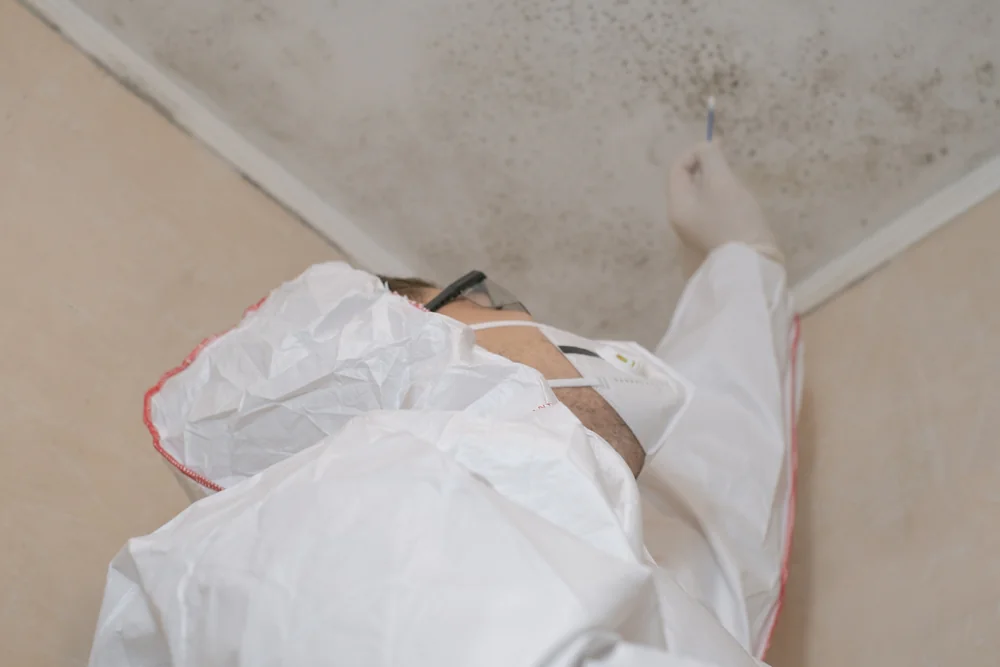
Then we inspect the property. We’re looking at visible areas first—basements, bathrooms, kitchens, anywhere water is used or stored. But we’re also checking hidden spaces. We use thermal imaging to scan walls and ceilings for temperature differences that indicate trapped moisture. Moisture meters tell us if materials are wet enough to support mold growth. We inspect attics, crawl spaces, HVAC systems, and anywhere air flows or water could have traveled.
If we find mold, we identify the type and extent. More importantly, we find the source—the leak, the condensation point, the ventilation failure that’s feeding it. Mold is a symptom. Moisture is the problem.
You get a detailed report that explains what we found, where it is, what’s causing it, and what needs to happen to fix it. If remediation is needed, we provide a clear estimate. If it’s minor and you can handle it yourself, we’ll tell you that too. The goal is giving you accurate information so you can make the right decision for your home.

Ready to get started?
A real mold inspection means using technology, not just eyeballing your basement. We bring thermal imaging cameras, moisture meters, and inspection tools designed to find problems you can’t see.
In Bristol, the homes we inspect most often are older—pre-1940s construction with stone foundations, limited crawl space access, and outdated ventilation. These homes have unique vulnerabilities. Basements stay damp. Attics trap heat and moisture. Bathrooms and kitchens weren’t designed for modern water use.
We check all of it. Every moisture-prone area gets scanned. We test materials for moisture content. We look for ventilation failures, leaks, condensation patterns, and any sign that water is getting where it shouldn’t. We inspect HVAC systems because mold in ductwork spreads spores throughout your home every time the system runs.
You also get an honest assessment of what’s urgent and what’s not. Some mold situations need immediate containment and removal. Others are small, contained, and manageable without major work. We’re not here to upsell you on services you don’t need. We’re here to give you the facts so you can protect your home and your health without overpaying or overreacting.
We offer free initial assessments, which means we’ll come out, evaluate your situation, and give you a professional opinion at no cost. If you need a full inspection with testing and detailed reporting, costs vary based on your home’s size and the extent of the inspection required.
Most residential mold inspections in the Bristol area run between a few hundred dollars for a basic inspection and more for larger homes or properties with multiple problem areas. The investment is worth it when you consider that undetected mold can lead to remediation costs ranging from $1,200 to $3,400 on average—and much more if the problem spreads.
We give you upfront pricing before any work begins. No surprises, no hidden fees. You’ll know exactly what you’re paying for and why.
The most common sign is a persistent musty or earthy smell that doesn’t go away, even after cleaning. If you smell it in your basement, bathroom, or anywhere in your home, that’s mold releasing spores into the air.
Health symptoms are another red flag. If you or your family experience worsening allergies, respiratory issues, sinus problems, headaches, or fatigue that improve when you leave the house, mold exposure could be the cause. Visible signs include water stains on ceilings or walls, discoloration, peeling paint, or actual mold growth on surfaces.
Past water damage is a major indicator. If you’ve had a leak, flooding, or even just high humidity in your basement or crawl space, mold can develop within 24 to 48 hours. Even if you dried things out, mold may have started growing in hidden areas. Homes in Bristol with older construction, stone foundations, or limited ventilation are especially vulnerable and should be inspected if any of these signs appear.
DIY mold test kits are available, but they’re limited. Most only tell you if mold spores are present—which they are, in every home. They don’t tell you where the mold is growing, how much is there, what type it is, or what’s causing it. You end up with a positive result and no actionable information.
Professional mold inspection uses equipment you don’t have access to. Thermal imaging reveals moisture trapped inside walls and ceilings. Moisture meters measure exact moisture levels in building materials. We inspect areas you can’t easily reach—inside ductwork, behind appliances, in crawl spaces, and wall cavities.
More importantly, we identify the source. Mold is the symptom. Moisture is the problem. A professional inspection finds both and gives you a plan to fix it. If you’re serious about knowing whether you have a mold problem and what to do about it, a professional inspection is the only way to get a complete answer.
Most residential mold inspections in Bristol take between one and three hours, depending on the size of your home and the areas we need to inspect. A small home with a specific problem area—like a bathroom or basement—might take an hour. A larger home with multiple levels, an attic, crawl space, and HVAC system to inspect will take longer.
We’re not rushing through it. We’re checking every moisture-prone area, scanning walls and ceilings with thermal imaging, testing materials with moisture meters, and documenting what we find. If we discover mold or moisture issues, we take the time to trace them back to the source.
After the inspection, we’ll walk you through what we found and answer your questions on the spot. You’ll receive a detailed report shortly after that outlines our findings, the locations of any mold or moisture problems, and our recommendations. The time invested in a thorough inspection saves you from missing hidden problems that could cost thousands to fix later.
If we find mold, we identify where it’s growing, estimate the extent of the contamination, and determine what’s causing it. The report we provide explains all of this in detail, along with our recommendations for remediation.
Small, surface-level mold in a contained area might be something you can address yourself with proper cleaning and ventilation improvements. Larger infestations, mold inside walls or HVAC systems, or black mold requires professional remediation. We’ll give you a clear, upfront estimate for the work if remediation is needed.
We also identify and explain the moisture source—whether it’s a leak, condensation, poor ventilation, or something else. Removing mold without fixing the moisture problem means it will come back. Our goal is to solve the root cause, not just treat the symptom. If insurance coverage applies, we work directly with your insurance company to help with the claims process and minimize your out-of-pocket costs.
It depends on what caused the mold. Most homeowners insurance policies in Pennsylvania cover mold remediation if the mold resulted from a covered event—like a burst pipe, roof leak, or appliance malfunction. If the mold developed due to long-term neglect, poor maintenance, or chronic moisture problems you didn’t address, insurance typically won’t cover it.
The key is acting quickly. If you have water damage from a covered event, document it and call for an inspection right away. Mold that develops within 24 to 48 hours of a sudden water event is more likely to be covered than mold that’s been growing for months or years.
We work directly with insurance companies and can help you navigate the claims process. We provide the documentation and reporting insurers need to evaluate your claim. Even if insurance doesn’t cover the full cost, catching mold early through inspection saves you money compared to letting it spread and dealing with extensive structural damage later.