
Hear from Our Customers
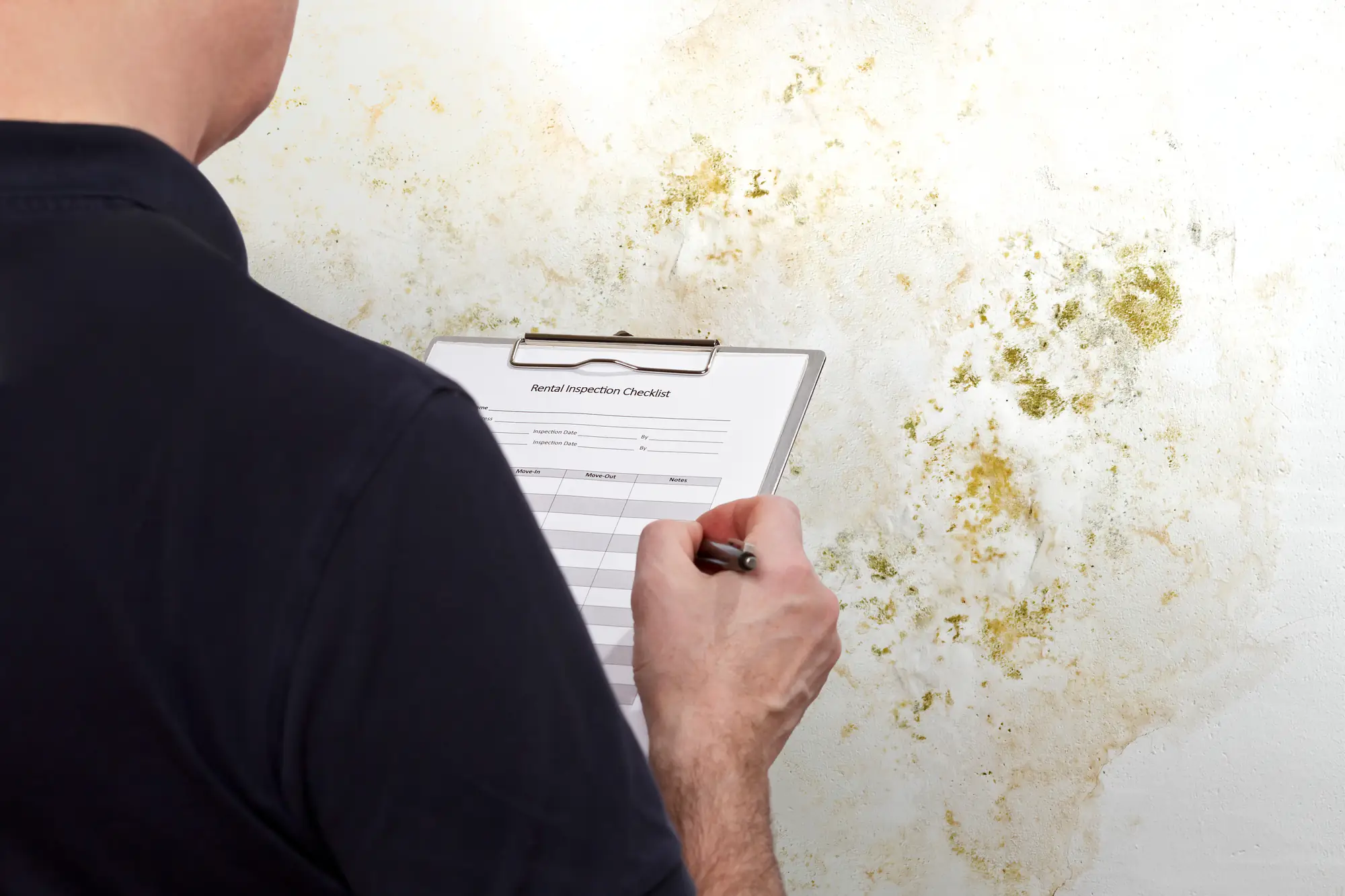
You’ve probably noticed the musty smell in your basement. Maybe your allergies have been worse lately, or you spotted discoloration on a wall after that last heavy rain. What you’re seeing might just be surface-level—but what’s growing behind your drywall or under your floors could be much worse.
A proper mold inspection doesn’t just confirm you have a problem. It tells you where the mold is, what type you’re dealing with, and what’s causing it to grow in the first place. That’s the difference between a temporary fix and actually solving the issue.
Lahaska Station’s humid summers and damp winters create perfect conditions for mold growth, especially in older homes with poor ventilation. If your home was built before modern building codes, chances are your attic, crawl space, or basement is more vulnerable than you think. Our certified mold inspectors use advanced detection equipment to check areas you can’t see—wall cavities, beneath flooring, inside ductwork—so you get the full picture, not just what’s visible on the surface.
We’ve been helping homeowners in Lahaska Station and throughout Bucks County deal with mold problems for years. We’re not a national chain that parachutes in with a one-size-fits-all approach. We live here. We know the clay soil, the groundwater issues, and the way humidity settles into older homes during summer.
Our team includes certified mold inspection professionals who follow EPA-approved methods and Pennsylvania state regulations. We’re not here to upsell you on services you don’t need. We inspect, we document, we explain what we find, and we give you options. If there’s mold, we’ll tell you how bad it is and what it’ll take to fix it. If there isn’t, we’ll tell you that too.
You’re not getting a salesperson. You’re getting someone who understands mold growth patterns in this area and can give you straight answers about what’s happening in your home.
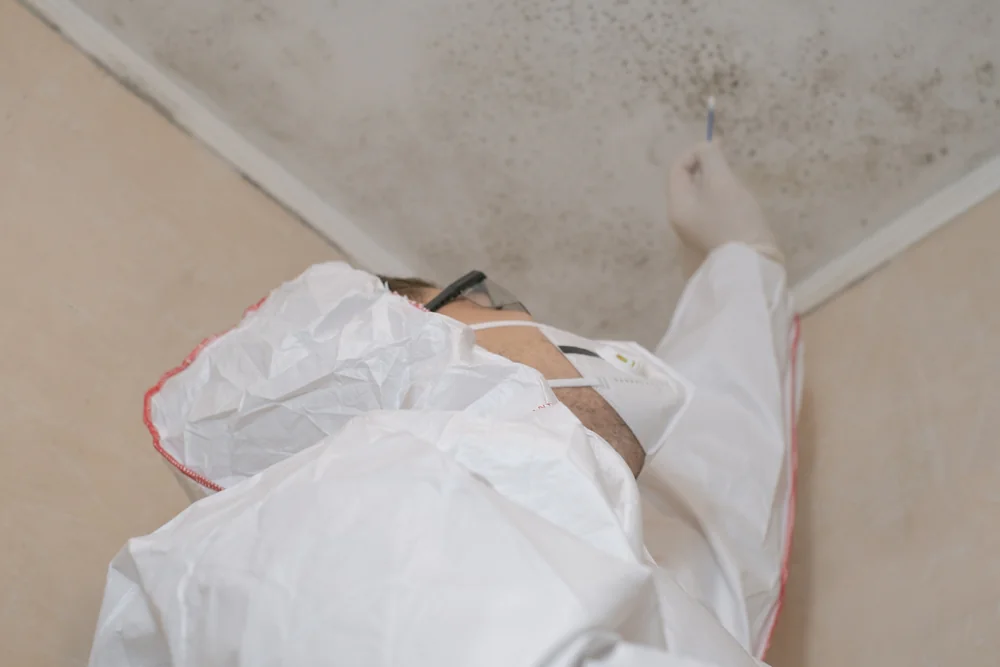
We start with a free consultation where you walk us through what you’ve noticed—smells, visible growth, water damage, health symptoms, whatever brought you here. Then we do a complete visual assessment of your property, checking the obvious spots and the hidden ones: behind appliances, inside closets, around windows, in your attic and crawl space.
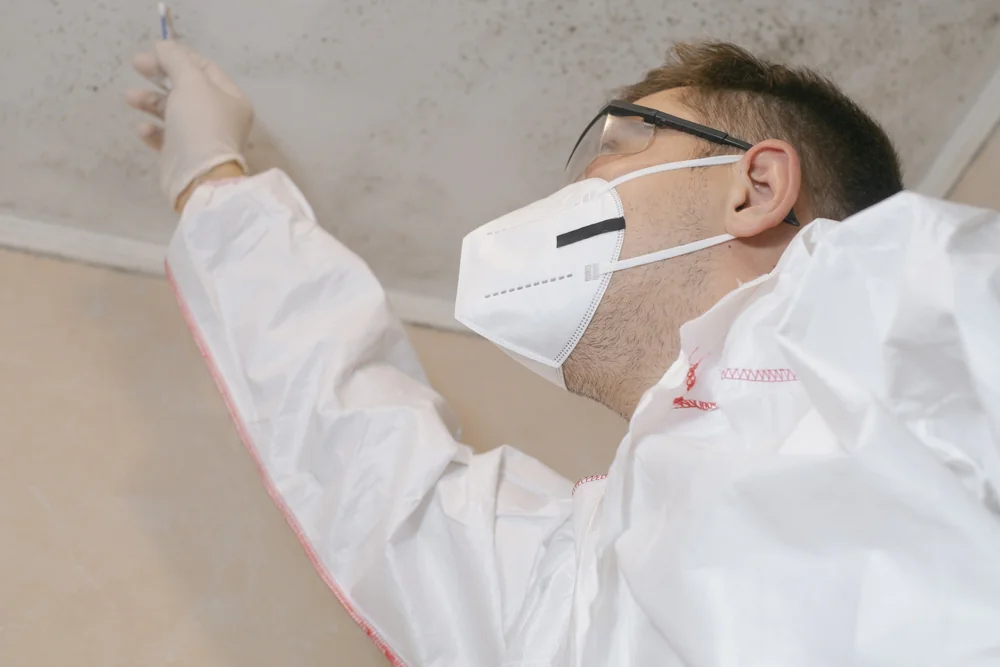
If we find visible mold or conditions that suggest hidden growth, we use moisture meters and thermal imaging to detect water intrusion you can’t see. We may collect air samples or surface samples to identify the specific type of mold and the extent of contamination. This isn’t guesswork—it’s data.
Once the inspection is complete, we’ll sit down with you and explain what we found. If there’s mold, we’ll show you where it is, what’s causing it (usually a moisture problem), and what needs to happen next. You’ll get a detailed report you can use for insurance claims, real estate transactions, or just your own peace of mind. Then we’ll give you a clear estimate for remediation if that’s what’s needed.

Ready to get started?
Your inspection covers every area where mold typically grows in Bucks County homes. That means basements with moisture seeping through foundation walls, attics with poor ventilation, bathrooms with exhaust fans that don’t actually vent outside, and crawl spaces where humidity sits all summer long.
We check your HVAC system because mold spores love to travel through ductwork and spread throughout your home. We inspect around windows and doors where condensation builds up. We look for signs of past water damage—discoloration, warping, soft spots—that might be hiding active mold growth underneath.
In Lahaska Station, we see a lot of mold issues tied to older construction methods and the area’s high humidity levels. Homes built before the 1970s often lack proper vapor barriers and ventilation, which means moisture gets trapped inside wall cavities and creates ideal conditions for black mold and other harmful species. Our inspectors know what to look for based on your home’s age, construction type, and the common problem areas we see in this region. You’re not getting a generic checklist—you’re getting an assessment tailored to the realities of living in this specific area.
If you’re smelling something musty that won’t go away, that’s usually your first sign. Mold has a distinct earthy odor that gets stronger in humid weather or when you run your heat or AC. But smell isn’t the only indicator.
You might need an inspection if you’ve had any water damage—a roof leak, burst pipe, flooding, or even just persistent condensation on windows. Mold can start growing within 24 to 48 hours after materials get wet, and it doesn’t always show up where you’d expect. You could have a small leak inside a wall that’s been feeding mold growth for months without you knowing.
Health symptoms are another red flag. If your allergies are suddenly worse at home than anywhere else, or if you’re dealing with persistent sinus issues, headaches, or respiratory irritation that improves when you leave the house, mold exposure could be the cause. And if you’re buying or selling a home in Lahaska Station, an inspection protects everyone involved—buyers get peace of mind, and sellers avoid surprises during the transaction.
A mold inspection is the visual assessment—we’re looking at your property, identifying visible mold, checking for moisture problems, and using detection equipment to find hidden issues. Testing goes a step further by collecting samples to identify the specific type of mold and measure spore levels in your air or on surfaces.
Not every inspection requires testing. If we find obvious mold growth and a clear moisture source, we often already know what needs to happen next. But testing becomes important when you’re dealing with hidden mold, when someone in your home has serious health reactions, or when you need documentation for insurance or legal purposes.
Air sampling tells us what’s floating around in your indoor environment. Surface sampling identifies what’s growing on your walls, floors, or belongings. Lab analysis determines whether you’re dealing with common molds or more dangerous species like Stachybotrys (black mold). In Lahaska Station’s humid climate, we frequently see multiple mold types in the same property, which is why professional testing gives you a complete picture instead of just guessing based on appearance.
You can, but those kits have serious limitations. Most over-the-counter test kits only tell you that mold is present—which isn’t particularly useful since mold spores exist everywhere. What matters is the type of mold, the concentration levels, and where it’s actually growing.
DIY kits can’t detect mold hidden inside walls, under flooring, or in your HVAC system. They don’t measure moisture levels or identify the source of your mold problem. And they don’t give you any guidance on what to do next. You might get a result that says “mold detected,” but then what? You still don’t know if it’s a minor issue or a major contamination problem.
Professional mold detection uses calibrated equipment—moisture meters, thermal imaging cameras, air sampling pumps—that actually locate problem areas and measure the extent of contamination. Our inspectors know where mold hides in Bucks County homes based on years of experience with local construction and climate patterns. We’re not just confirming mold exists; we’re showing you exactly where it is, what’s causing it, and what it’ll take to fix it properly.
We offer free mold inspections, which removes the biggest barrier most homeowners face when they suspect a problem. You’re not paying hundreds of dollars just to find out if you need to worry. We come out, we assess your property, and we give you honest answers about what we find.
If lab testing is necessary—and it’s not always required—that’s a separate cost that depends on how many samples we need to collect and what type of analysis is needed. Air samples, surface samples, and bulk samples each serve different purposes, and we’ll explain which ones make sense for your situation before collecting anything.
The real cost you should be thinking about is what happens if you don’t get an inspection. Mold damage gets worse over time, not better. What starts as a small patch behind your bathroom wall can spread throughout your home if the moisture source isn’t addressed. Your health symptoms can worsen. Your property value can drop. And if you’re trying to sell your home, undisclosed mold problems can derail the entire transaction. A free inspection now prevents much bigger expenses later.
First, don’t panic. Finding mold doesn’t mean your home is unlivable or that you’re facing a five-figure remediation bill. It means you now know what you’re dealing with, which is better than wondering or ignoring the problem.
We’ll show you exactly where the mold is growing, explain what type it appears to be, and identify the moisture source that’s feeding it. Then we’ll give you a detailed estimate for remediation that breaks down what needs to happen: containment, removal, cleaning, and fixing whatever’s causing the moisture problem in the first place. You’ll also get documentation you can submit to your insurance company if your policy covers mold damage.
We handle the entire remediation process using EPA-approved methods that actually solve the problem instead of just masking it. We don’t just scrub away visible mold and call it done—we address the underlying cause, whether that’s a plumbing leak, poor ventilation, foundation moisture, or something else. And because we’re local to Lahaska Station and Bucks County, we understand the specific issues that cause mold growth in this area and how to prevent it from coming back.
For most homes in Lahaska Station, expect the inspection to take between one and three hours depending on your property size and how many areas need close examination. A small condo with a single moisture concern might only take an hour. A larger older home with a basement, attic, and crawl space will take longer.
We’re not rushing through your property with a clipboard. We’re checking everywhere mold typically grows—and everywhere it hides. That means pulling back carpets if we see water stains, opening access panels to check ductwork, using moisture meters on walls that look fine but might be wet inside, and inspecting your roof and foundation for entry points where water could be getting in.
If we need to collect samples for lab testing, that adds some time but not much—usually 15 to 30 minutes depending on how many samples are needed. Then you’ll get results back from the lab within a few days. The inspection itself happens in one visit, and you’ll walk away with a clear understanding of whether you have a mold problem and what your next steps should be.
Other Services we provide in Lahaska Station