
Hear from Our Customers
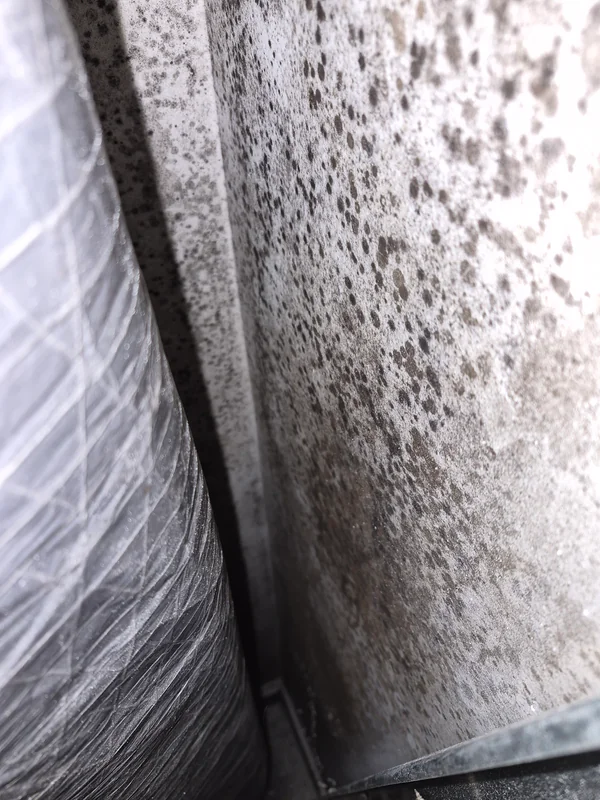
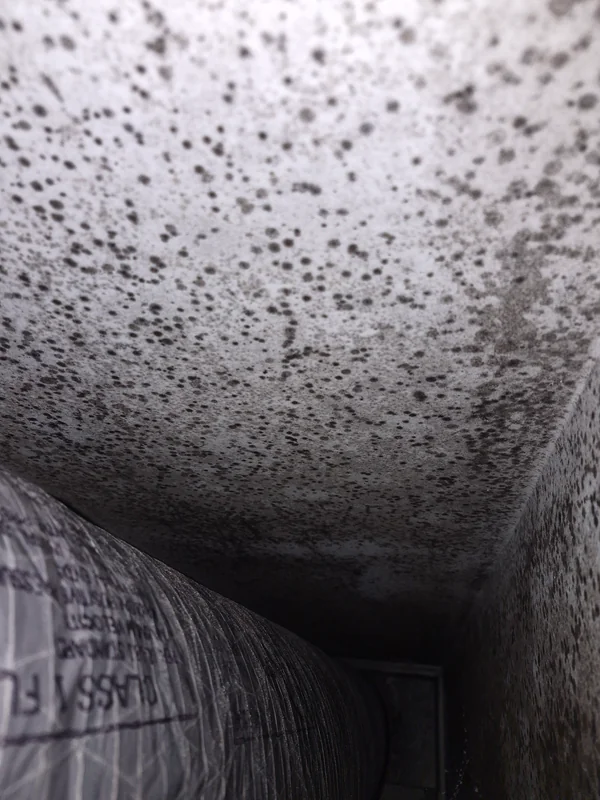
Most homeowners in the Lahaska Station area don’t think about their ductwork until something feels off a musty smell when the heat kicks on in November, allergy symptoms that won’t quit despite clean living, or a nagging sense that something in the air just isn’t right. By the time those signs show up, mold has often been quietly growing inside the duct system for months, sometimes longer.
The properties surrounding Lahaska Station are some of the most beautiful in Bucks County and some of the most vulnerable to hidden HVAC contamination. Older construction in Buckingham Township and Solebury Township was never designed with forced-air systems in mind. When ductwork was retrofitted through crawlspaces and stone foundations decades after original construction, it created moisture pathways that a general duct cleaner won’t recognize and won’t know how to safely address.
Add Bucks County’s 49 inches of annual rainfall well above the national average and you have conditions that push moisture into ductwork year-round, not just in summer. The Lahaska Creek corridor, in particular, sits close to the water table for much of the year, keeping crawlspaces persistently damp and feeding moisture directly into HVAC systems that draw air from below-grade spaces.
What changes after a proper cleaning and inspection isn’t just the air quality reading on a meter. It’s the confidence that comes from lab-verified results. You’ll know whether mold was present, where it was, and that it’s gone not because someone told you so, but because the testing confirms it. That’s the difference between a cleaning and an answer.
We’ve been serving Bucks County for over 15 years long enough to know that the homes along Route 202 between Doylestown and New Hope come with their own set of challenges. The historic housing stock in Buckingham Township, the Lahaska Creek corridor, the wooded lots that hold moisture long after a rainstorm these aren’t abstract risk factors. They’re the specific conditions that show up in real inspections on real properties in Lahaska Station and the surrounding area.
What sets us apart isn’t just the certification, though certified mold inspectors and lab-tested results matter. We treat air duct cleaning as a mold problem first and a maintenance task second. That distinction is everything when you’re dealing with a retrofitted HVAC system in a 200-year-old stone farmhouse near Lahaska Station.
We work directly with insurance companies when a claim is involved, offer flexible financing, and are available 24/7 for situations that can’t wait until Monday morning.
It starts with a free inspection. Before any cleaning begins, a certified inspector evaluates your HVAC system not just the registers you can see, but the interior duct runs, the areas around your evaporator coils, and any sections that pass through crawlspaces or unfinished spaces. In Lahaska Station area homes, this step matters more than it does in newer construction because older ductwork often has hidden problem areas that only become obvious once you’re actually looking inside.
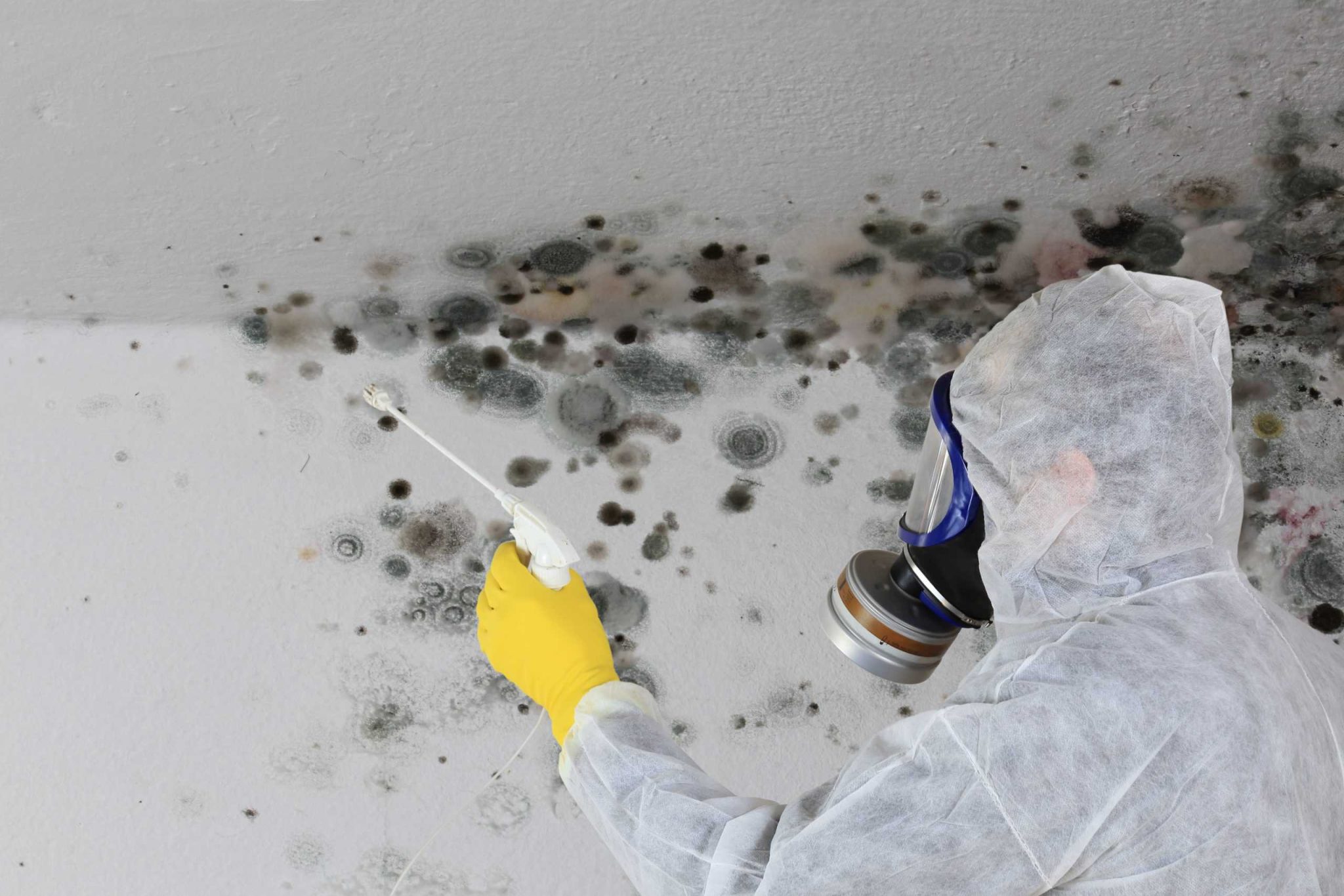
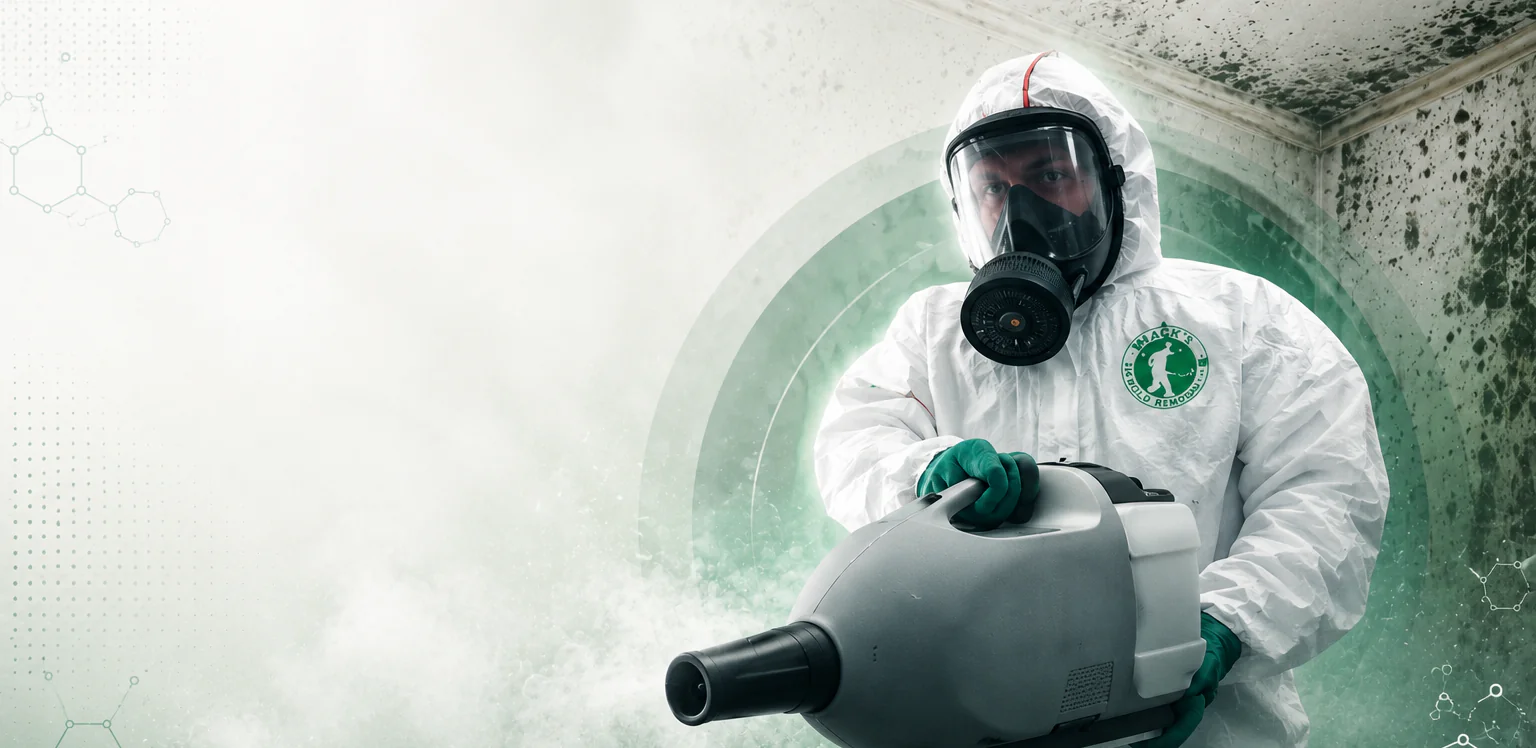
If mold is found, samples go to a lab. That analysis determines what you’re dealing with and guides the remediation approach because the right response to a mold-contaminated duct system is different from routine dust removal. We use containment protocols to prevent spores from spreading to other areas of your home during the cleaning process. This is the step that general duct cleaners skip and the one that makes the biggest difference in whether the problem is actually resolved or just redistributed.
After cleaning and sanitizing, we test the affected areas again to confirm the mold is gone. You get documentation. Pennsylvania doesn’t require a state license for air duct cleaning, but Bucks County homeowners especially those buying or selling properties at Lahaska Station’s current market values deserve verified results, not a verbal assurance. The post-cleaning report is that verification.
Ready to get started?
Our air duct cleaning covers the full system supply ducts, return ducts, and the components where mold most commonly establishes itself. It’s not a single-duct pass with a shop vac. The process uses professional-grade equipment designed to create negative air pressure inside the system, pulling debris and biological matter out rather than pushing it further in. For homes near Lahaska Creek, where elevated groundwater keeps crawlspaces persistently damp, this level of thoroughness isn’t optional it’s what actually works.
Air duct sanitizing is a separate but related service that applies EPA-registered antimicrobial treatment to the cleaned duct surfaces after mechanical cleaning is complete. If your inspection reveals mold growth inside the ductwork, sanitizing is the step that addresses what cleaning alone can’t fully eliminate. For the older properties in Solebury and Buckingham Townships many with duct runs through uninsulated or semi-conditioned spaces re-contamination after cleaning is a real risk without this additional treatment.
Dryer vent cleaning is also available and can be handled during the same visit. The NFPA reports nearly 16,000 dryer-related house fires annually in the U.S., with failure to clean the vent as the leading cause. In homes with long or winding dryer vent runs common in the retrofitted laundry setups found throughout the Lahaska area’s historic properties lint accumulation happens faster and poses a genuine fire hazard. We address it directly, and combining services in one visit keeps the process efficient.
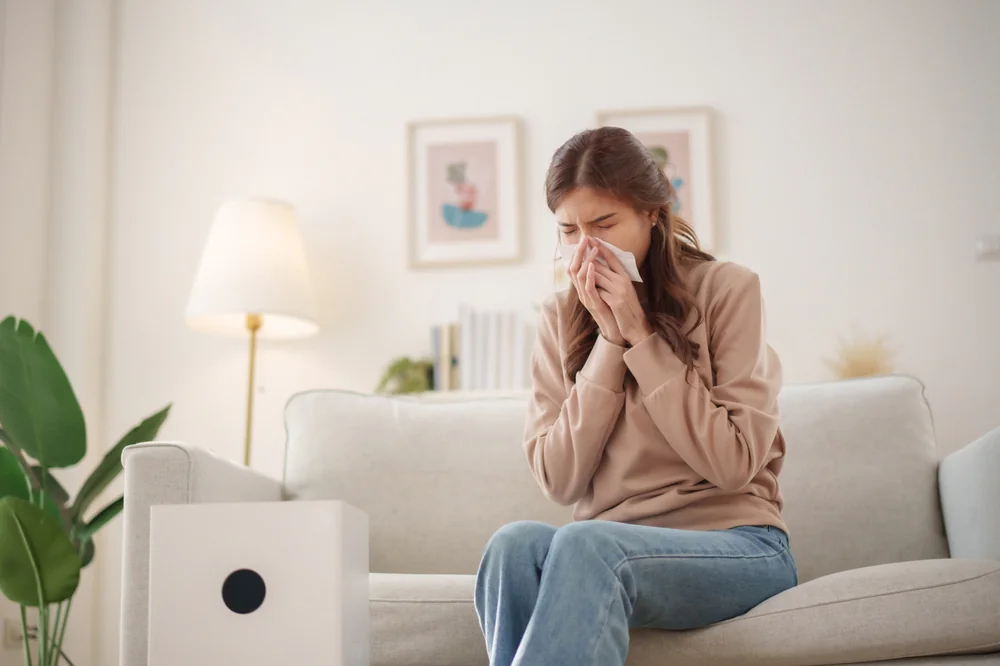
The most common sign is a musty or stale smell that appears specifically when your heating or cooling system turns on and then fades once the air has been circulating for a few minutes. That pattern points to something biological inside the duct system rather than a surface odor elsewhere in your home. Worsening allergy or asthma symptoms that seem tied to being indoors, or visible discoloration around supply registers, are also signals worth taking seriously.
In Lahaska Station and the surrounding Buckingham Township area, the risk is higher than in many other parts of Bucks County because of the combination of factors at play. Properties near Lahaska Creek deal with elevated groundwater and persistent soil saturation that keeps crawlspaces damp. When your HVAC system draws air from or runs through those spaces, it pulls moisture into the ductwork exactly the environment where mold colonizes.
The only way to know for certain is a proper inspection with lab-tested samples, which is how we approach every job.
The EPA’s position on this is nuanced and worth understanding. For routine maintenance in a home with no specific problems, the evidence for air duct cleaning improving air quality is mixed. But that’s not the scenario most people in Lahaska Station and the surrounding area are dealing with. When mold is confirmed inside ductwork, when a home has had water damage, or when a major renovation has pushed debris into the HVAC system, the EPA explicitly recommends cleaning. Those are the situations where it’s not a question of whether to clean it’s a question of who’s qualified to do it safely.
The distinction matters because disturbing mold inside a duct system without proper containment can spread spores throughout your home. A general duct cleaner with a truck-mounted vacuum isn’t equipped for that scenario. A certified mold remediation specialist who also cleans ducts is a fundamentally different service, and for the older properties throughout Buckingham Township and Solebury Township, that level of expertise is what the job actually requires.
For most homes, a thorough air duct cleaning takes somewhere between four and six hours. That’s the industry standard for a job done correctly both supply and return ducts cleaned, not just a quick pass at the registers. If mold is found during the inspection and samples need to be collected for lab analysis, the timeline extends because the remediation process involves containment setup, careful removal, and post-cleaning verification testing.
For the larger estate properties and historic farmhouses common in the Buckingham Township area near Lahaska Station, the timeline can run longer depending on the complexity of the duct layout. Homes where ductwork was retrofitted into an older structure often have more irregular duct runs, additional access challenges, and a higher likelihood of finding problem areas that require extra attention. We’ll give you a clear picture of what to expect during the initial free inspection before any work begins.
They’re two different steps that address two different problems. Air duct cleaning is the mechanical process physically removing dust, debris, lint, and biological matter from inside the duct system using professional equipment. Air duct sanitizing comes after the cleaning and involves applying an EPA-registered antimicrobial treatment to the cleaned surfaces. The sanitizing step kills mold spores and bacteria that mechanical cleaning alone can’t fully eliminate, and it helps prevent re-colonization of the cleaned surfaces.
Whether you need both depends on what the inspection finds. If your ducts have visible mold growth or the lab results confirm biological contamination, sanitizing is the step that actually finishes the job. For homes in the Lahaska area with persistent moisture issues properties near Lahaska Creek, homes with damp crawlspaces, or older construction where humidity management has always been a challenge skipping the sanitizing step often means the problem returns within a season or two. We’ll be direct with you about what the inspection shows and what the situation actually calls for.
Yes, and this is one of the most important questions to ask after any mold remediation job. The HVAC system is often the last place checked during a remediation project focused on a basement or crawlspace, but it’s also the most effective distribution system mold has available. If mold was present in a space where your ductwork runs or where your air handler draws air, there’s a real possibility that spores entered the system before or during remediation and that those spores are now being circulated to every room in your house every time the system runs.
In Buckingham Township and Solebury Township homes, this scenario is particularly common because so many properties have crawlspaces or basements that sit close to or below the water table for portions of the year. A remediated basement that had mold near the HVAC intake is a strong reason to have the duct system inspected and tested, not assumed to be clean. We handle both sides of that equation the remediation and the duct inspection so nothing gets missed between the two.
Yes. We’re based in Bensalem, PA, and serve Bucks County as our primary service area which includes Lahaska Station and the surrounding communities in Buckingham Township and Solebury Township. We already have a dedicated service presence in Buckingham Township specifically, with documented experience handling the older construction, creek-corridor moisture conditions, and retrofitted HVAC systems that are common throughout Lahaska Station and central Bucks County.
We’re available 24 hours a day, seven days a week for situations that can’t wait. Multiple customers have noted that calls placed on a Friday were met with a same-day or next-day response which matters when you’re dealing with a mold concern in a home you’re trying to sell, a property you’ve just purchased, or a situation where the air quality in your home is affecting your family’s health. The free inspection is a no-commitment starting point, and we’ll give you an honest assessment of what’s going on before any work is recommended or scheduled.
Other Services we provide in Lahaska Station