
Hear from Our Customers
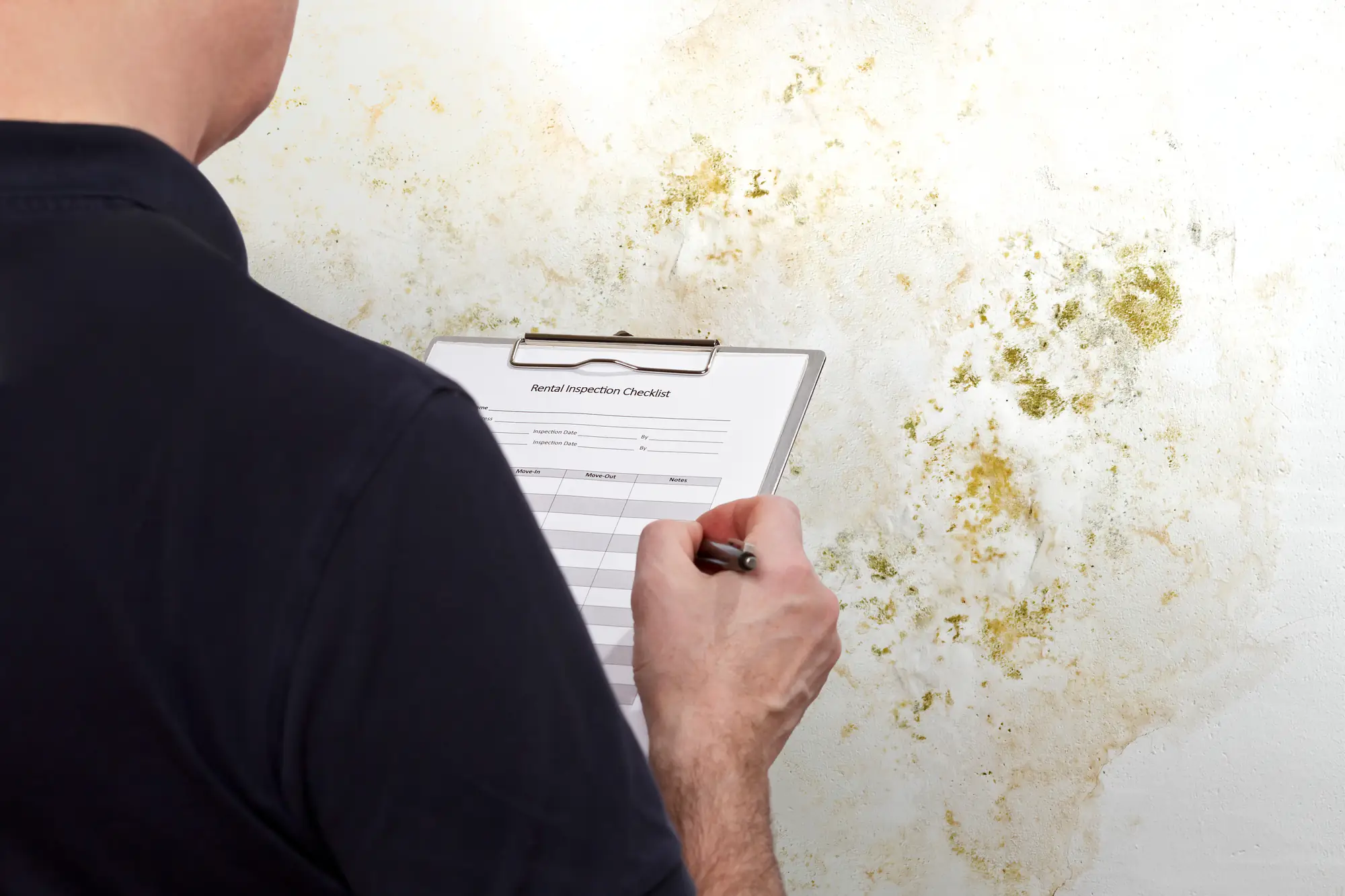
You’re not paying for someone to walk around with a flashlight. You’re getting advanced detection tools, air sampling, surface testing, and thermal imaging that reveal mold hiding in places you’d never think to check.
The inspection gives you documentation you can actually use—for insurance claims, real estate transactions, or just knowing whether that musty smell in your basement is something serious. You’ll know exactly what type of mold you’re dealing with, where it’s growing, and what’s causing it.
Most importantly, you’ll know if your family is breathing clean air. Bucks County’s humid summers and damp winters create perfect conditions for mold growth, especially in older homes. An inspection catches it before it becomes a health problem or a financial disaster.
We’ve been testing air quality and inspecting for mold in Bucks County since before most people knew what black mold was. We’ve seen every type of mold problem this climate can produce.
We know how Belardy’s older homes trap moisture. We know which basements flood every spring and which attics condensate every winter. That local knowledge matters when you’re trying to find mold that doesn’t want to be found.
You’ll get a detailed report with findings and recommendations—not a sales pitch for unnecessary remediation. If you don’t have a mold problem, we’ll tell you. If you do, we’ll tell you exactly what needs to happen next.
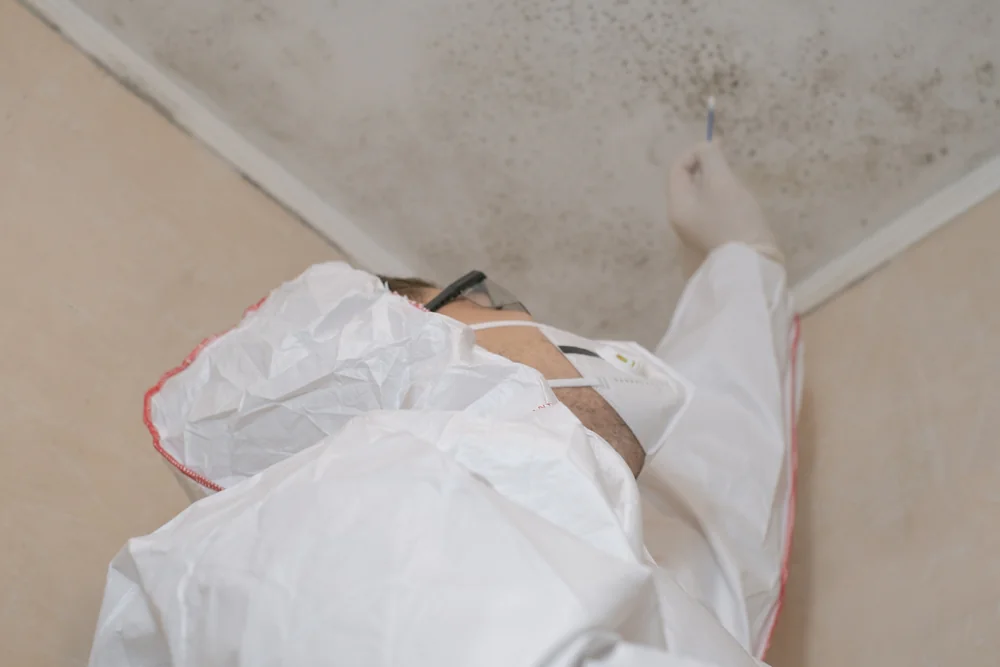
We start with a free consultation to understand what you’re seeing, smelling, or worried about. Then we schedule a comprehensive inspection at a time that works for you.
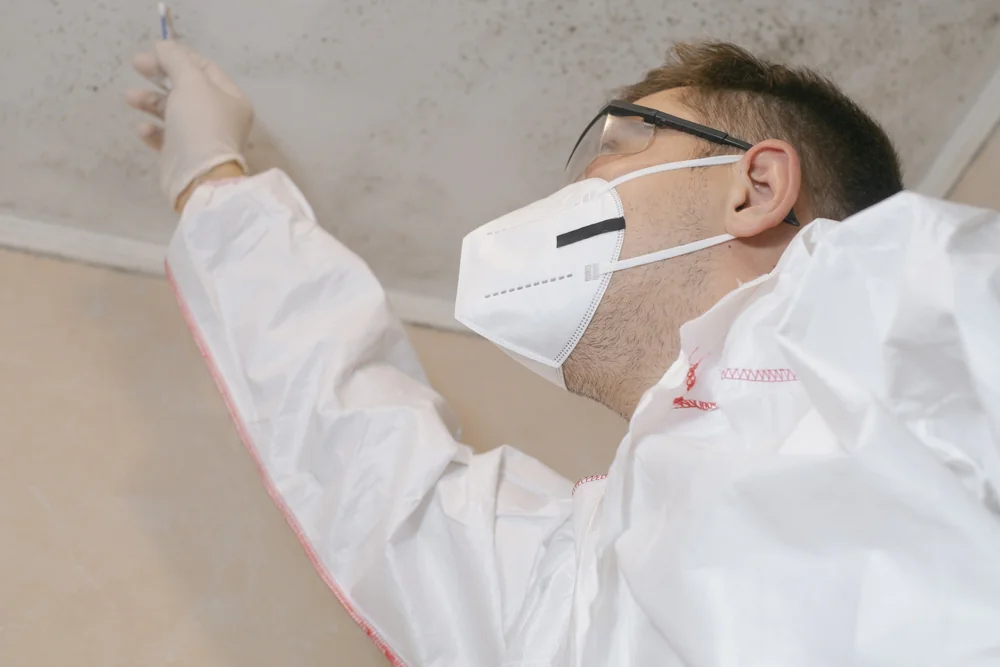
During the inspection, we do a complete visual assessment of your property—attics, basements, crawl spaces, behind walls if needed. We use moisture meters to find hidden water issues and thermal imaging to detect temperature differences that indicate mold growth. We take air samples to test for airborne spores and surface samples from any visible growth.
The samples go to a certified lab for analysis. You get a detailed report within a few days that identifies the type of mold, the concentration levels, and the likely source of moisture feeding it. We walk you through the findings and explain what they mean in plain language.
If remediation is needed, we’ll give you a clear plan. If it’s not, we’ll tell you how to prevent problems from developing. No pressure, no upselling—just honest information you can use to make the right decision for your home.

Ready to get started?
You get a thorough visual inspection of your entire property, including areas most homeowners never check. We inspect attics, basements, crawl spaces, HVAC systems, and anywhere moisture tends to accumulate.
We use professional-grade equipment—moisture meters, thermal imaging cameras, and air sampling devices—to detect mold you can’t see. Air sampling captures spores floating in your home’s air. Surface sampling tests visible growth to identify the exact species. Both samples get analyzed by a certified laboratory.
The inspection also includes moisture mapping to find the water source feeding the mold. In Belardy, that’s often basement seepage, roof leaks, or condensation from poor ventilation. Finding the moisture source is critical because removing mold without fixing the water problem means it’ll just come back.
You receive a comprehensive written report with lab results, photos, moisture readings, and specific recommendations. If you’re buying or selling a home, the report meets Pennsylvania disclosure requirements. If you’re filing an insurance claim, it provides the documentation you need.
A basic visual inspection typically runs $300 to $700. A comprehensive inspection with air and surface sampling usually costs $800 to $1,500, depending on your home’s size and how many samples we need to collect.
We offer free initial consultations to assess your situation. Sometimes a full inspection isn’t necessary—we can tell you during the consultation if you’re dealing with something simple or if testing is warranted.
The cost of an inspection is minimal compared to what you’d pay for remediation if a small problem becomes a large one. It’s also a fraction of what you’d lose if mold kills a real estate deal or if your property value drops because of undisclosed mold damage.
Most home inspections take two to four hours, depending on your property’s size and complexity. Larger homes or properties with multiple problem areas take longer.
The inspection itself is just the first step. Lab analysis of air and surface samples takes a few days. You’ll typically have a complete report with results and recommendations within a week of the inspection.
If you’re working against a real estate closing deadline, let us know upfront. We can often expedite lab processing to keep your transaction on schedule.
Mold inspection is the visual assessment—walking through your property to identify visible mold, moisture problems, and conditions that promote mold growth. Mold testing involves collecting air or surface samples and sending them to a lab for analysis.
You usually need both. The inspection finds the mold and the moisture source. The testing identifies what type of mold you have and how severe the contamination is. Some molds are more dangerous than others, and lab results tell you exactly what you’re dealing with.
Testing also provides documentation. If you’re selling your home in Belardy and Pennsylvania law requires disclosure, lab results prove you’ve addressed the problem properly. If you’re buying, testing confirms whether that “small mold issue” the seller mentioned is actually small.
You can buy home mold test kits, but they’re not reliable. Most kits just confirm that mold spores exist in your home—which is always true, because mold spores are everywhere. They don’t tell you if you have a problem or where it’s coming from.
Professional testing uses calibrated equipment and controlled sampling methods. We know where to sample, how many samples to collect, and how to interpret the results. A home kit might detect mold in your bathroom but miss the serious contamination in your attic.
More importantly, finding mold is only half the battle. You need to know why it’s growing and how to stop it. That requires identifying the moisture source, which home kits can’t do. Professional inspection finds both the mold and the cause.
Get an inspection if you see visible mold growth, smell musty odors, or have unexplained respiratory symptoms that improve when you leave your home. Those are clear warning signs.
You should also inspect after any water damage—roof leaks, basement flooding, pipe bursts, or even prolonged high humidity. Mold can start growing within 24 to 48 hours of water exposure. Even if you dried everything out, an inspection confirms you caught it in time.
In Belardy’s climate, consider preventive inspections every few years, especially if your home is older than 25 years. Spring inspections in late March or early April catch problems before summer humidity makes them worse. Fall inspections in September or October prepare your home for winter condensation issues.
Not getting an inspection is what hurts resale value. Mold is one of the most common deal-breakers in Bucks County real estate. Buyers order inspections during due diligence, and if they find undisclosed mold, they’ll either demand major price reductions or walk away entirely.
Pennsylvania law requires disclosure of known mold problems. If you sell without disclosing and the buyer discovers mold later, you’re looking at potential legal liability. An inspection protects you by documenting the condition of your property.
If the inspection finds mold, addressing it before listing actually increases your home’s value. Buyers pay more for homes with documented clean air quality. They’ll negotiate harder on homes with question marks. Getting ahead of the problem puts you in control of the narrative instead of scrambling during negotiations.
Other Services we provide in Belardy