
Hear from Our Customers
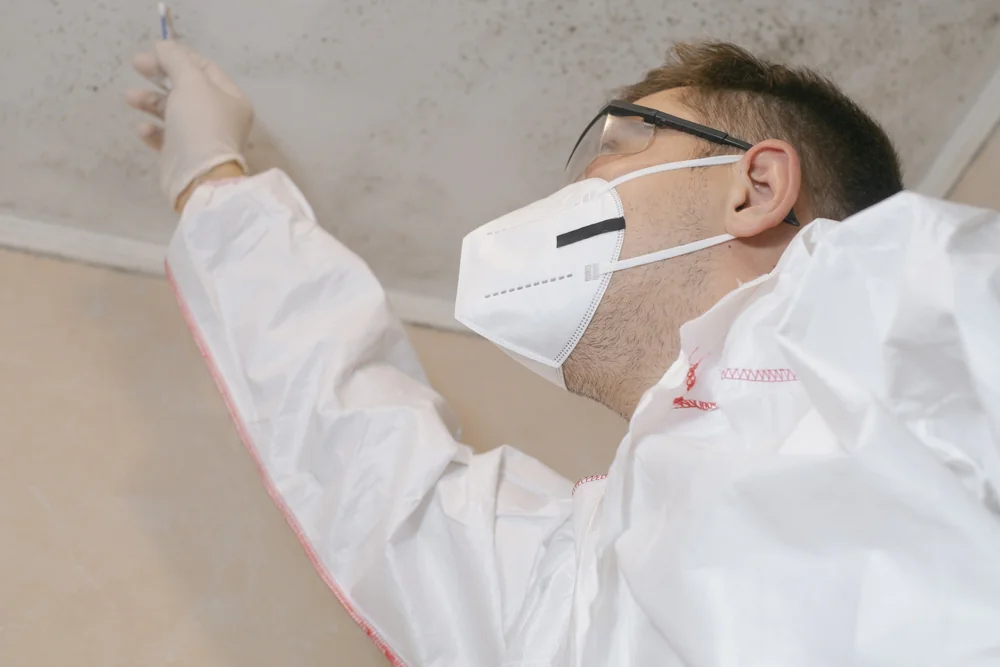
You can’t fix what you can’t see. Mold hides in crawl spaces, behind walls, under flooring, and inside HVAC systems. By the time you spot it, the problem’s usually bigger than you think.
A professional mold inspection gives you the full picture. We use moisture meters, thermal imaging, and air quality testing to find mold where it actually grows—not just where it shows. You’ll get lab-confirmed results that tell you what type of mold is present, how much, and where it’s coming from.
That clarity matters when you’re deciding whether to buy a home, file an insurance claim, or figure out why someone in your house keeps getting sick. It also matters when you need documentation that holds up in a real estate transaction or remediation estimate.
We serve homeowners and property buyers throughout Center Bridge, PA and Bucks County with one focus: accurate, unbiased mold testing. We don’t do remediation. We’re not trying to upsell you on removal services you may not need.
That separation matters. When the company testing your home also profits from finding problems, the results get murky. We send samples to an EPA-certified lab, deliver clear reports, and give you the facts—so you can make informed decisions about your property.
Center Bridge’s older housing stock makes this work especially important. With so many homes built before 1950, moisture issues and hidden mold are common. We know what to look for in these properties, and we know how to communicate findings without the panic or the pitch.
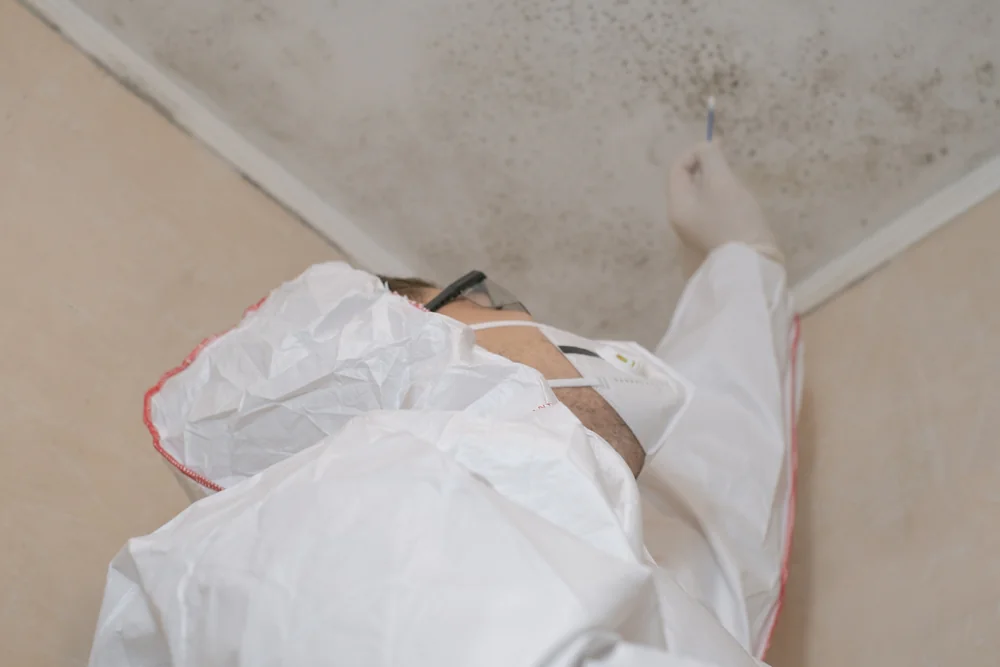
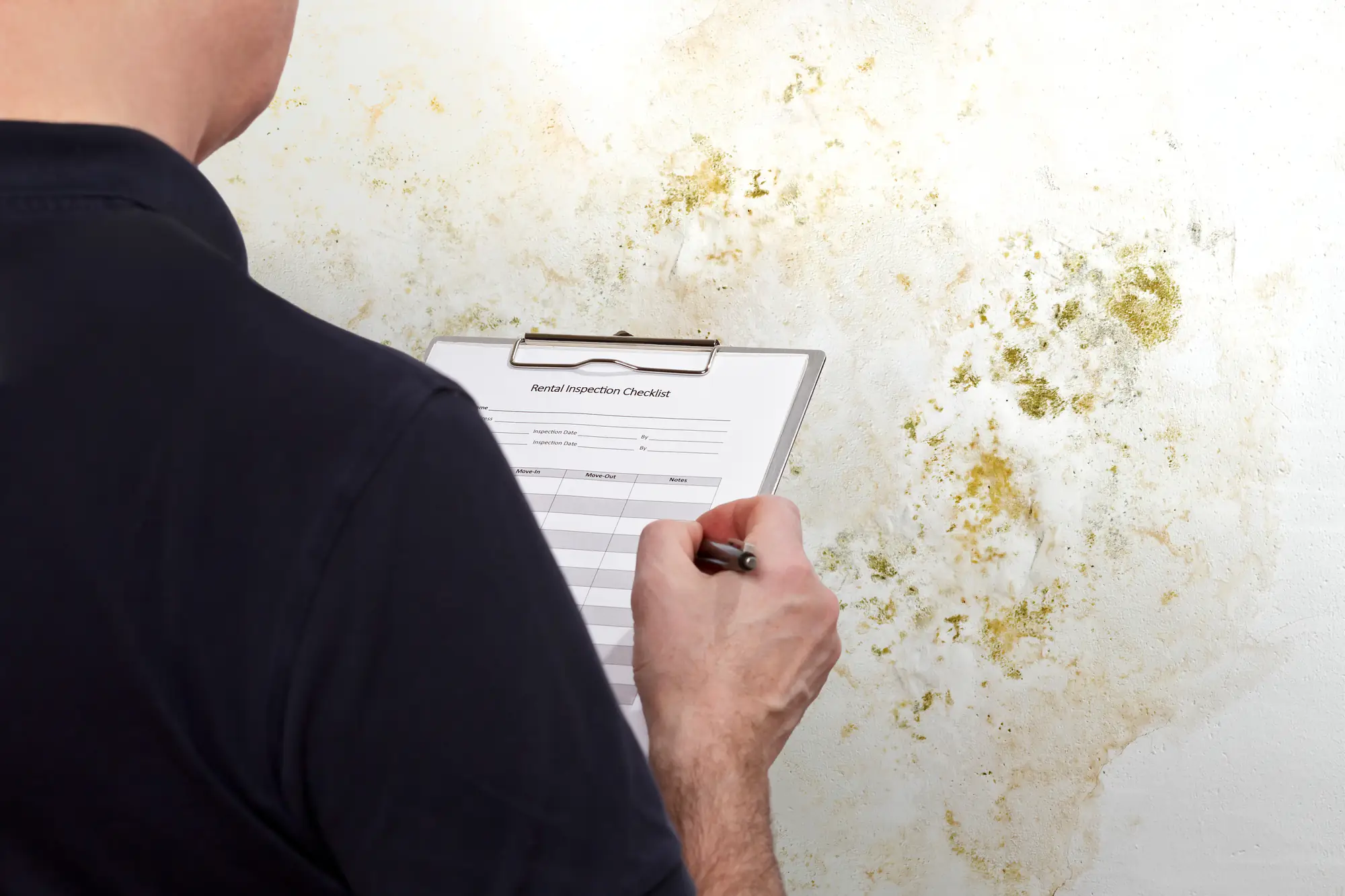
We start with a visual assessment of your property. That means checking areas prone to moisture—basements, attics, bathrooms, kitchens, and anywhere you’ve had leaks or water damage. We’re looking for visible growth, water stains, condensation, and conditions that support mold.
Next, we use tools like moisture meters and thermal imaging cameras to detect hidden problems. These show us temperature differences and moisture levels behind walls and under floors—places you’d never see without tearing things apart.
If needed, we collect air and surface samples. Air sampling captures mold spores circulating through your home. Surface sampling tests specific areas where we see or suspect growth. Those samples go to an EPA-certified laboratory for analysis.
You’ll receive a detailed report within a few days. It identifies the types of mold present, concentration levels, and where the contamination is located. We’ll walk you through the findings and explain what they mean for your home and health. If remediation is needed, you’ll have documentation that any qualified contractor can use to provide an accurate estimate.

Ready to get started?
Every mold inspection includes a thorough visual assessment, moisture mapping, and air quality testing using calibrated equipment. We document findings with photos and detailed notes, so there’s no confusion about what we found or where.
In Center Bridge and the surrounding Bucks County area, we’re seeing more mold issues tied to increased precipitation and aging infrastructure. Pennsylvania’s seen a 5-10% rise in rainfall over recent years, and that moisture has to go somewhere. Older homes without modern vapor barriers or updated drainage systems are especially vulnerable.
Our inspections account for those local conditions. We check sump pumps, grading around foundations, roof ventilation, and other factors that contribute to moisture problems in this region. You’re not just getting a checklist inspection—you’re getting an evaluation based on how homes actually fail in this area.
The lab report breaks down mold types by genus and species, so you know if you’re dealing with common environmental molds or more concerning varieties like Stachybotrys (black mold). That distinction matters for remediation planning and health risk assessment.
Most residential mold inspections in the Center Bridge area range from $300 to $600, depending on the size of your home and the scope of testing required. A basic inspection with air sampling for a smaller home will cost less than a full assessment of a larger property with multiple suspect areas.
The price includes the on-site inspection, sample collection, lab analysis, and a written report. Some companies charge separately for each air or surface sample, so ask upfront what’s included. If you’re comparing quotes, make sure you’re comparing the same level of service—not all inspections include lab testing or thermal imaging.
Spending a few hundred dollars now can save you thousands later. Catching mold early means smaller remediation costs, and having documentation protects you in real estate transactions or insurance claims.
A mold inspection is the full assessment—visual examination, moisture detection, identifying problem areas, and understanding the conditions causing mold growth. Mold testing refers specifically to collecting samples (air or surface) and sending them to a lab for analysis.
You can have an inspection without testing if there’s visible mold and the source is obvious. But in most cases, testing is necessary to confirm what type of mold is present and how widespread the contamination is. That’s especially true when you can’t see mold but suspect it’s there—maybe because of a musty smell or unexplained health symptoms.
Testing also provides documentation. If you’re buying or selling a home, dealing with insurance, or hiring a remediation company, lab results give you objective data instead of guesswork.
Most inspections take between one and three hours, depending on the size of your home and the extent of suspected contamination. A small condo with one problem area will be faster than a large older home with a damp basement, attic issues, and prior water damage.
We’re not rushing through it. Finding hidden mold requires careful examination, and using tools like thermal imaging and moisture meters takes time. If we’re collecting multiple air or surface samples, that adds to the process.
After the inspection, samples go to the lab. You’ll typically receive results and a full report within three to five business days. If you need faster turnaround for a real estate closing or urgent situation, let us know—we can often expedite lab processing.
It depends on the type of mold, the concentration, and where it’s located. Small amounts of common environmental molds usually aren’t an immediate health threat, especially if they’re contained to a specific area. Larger infestations or toxic molds like Stachybotrys may require temporary relocation during remediation.
If anyone in your household has asthma, allergies, or a compromised immune system, even moderate mold exposure can trigger symptoms. In those cases, limiting time in affected areas makes sense until the problem is addressed.
The inspection report will include recommendations based on what we find. If the contamination is significant, we’ll tell you. If it’s manageable while you arrange for remediation, we’ll tell you that too. The goal is giving you enough information to make the right call for your situation.
If the home is older, has had water damage, or shows signs of moisture problems—yes. A standard home inspection doesn’t include mold testing. Inspectors will note visible mold or conditions that support it, but they won’t tell you what’s growing behind walls or in the air.
In Center Bridge and Bucks County, where so many homes were built before 1950, hidden mold is common. Older construction methods, outdated waterproofing, and decades of settling create opportunities for moisture intrusion. Basements, crawl spaces, and attics are frequent problem areas.
A mold inspection before closing gives you leverage. If contamination is found, you can negotiate repairs, request remediation, or adjust your offer. Without testing, you’re buying blind—and mold remediation can easily cost thousands if the problem is extensive.
First, don’t panic. “Black mold” usually refers to Stachybotrys chartarum, which can produce mycotoxins and cause health issues—but it’s not an automatic crisis. The lab report will confirm the species and concentration, which determines the appropriate response.
If Stachybotrys is present, professional remediation is necessary. This isn’t a DIY situation. The mold needs to be contained, removed, and the moisture source eliminated to prevent regrowth. A qualified remediation contractor will follow industry protocols to safely remove contaminated materials and clean affected areas.
You’ll also need to address whatever caused the mold in the first place—leaking pipes, poor ventilation, foundation issues, or inadequate drainage. Remediation without fixing the source just means the mold comes back. Our inspection report identifies those underlying problems so you can handle everything at once.
Other Services we provide in Center Bridge