
Hear from Our Customers
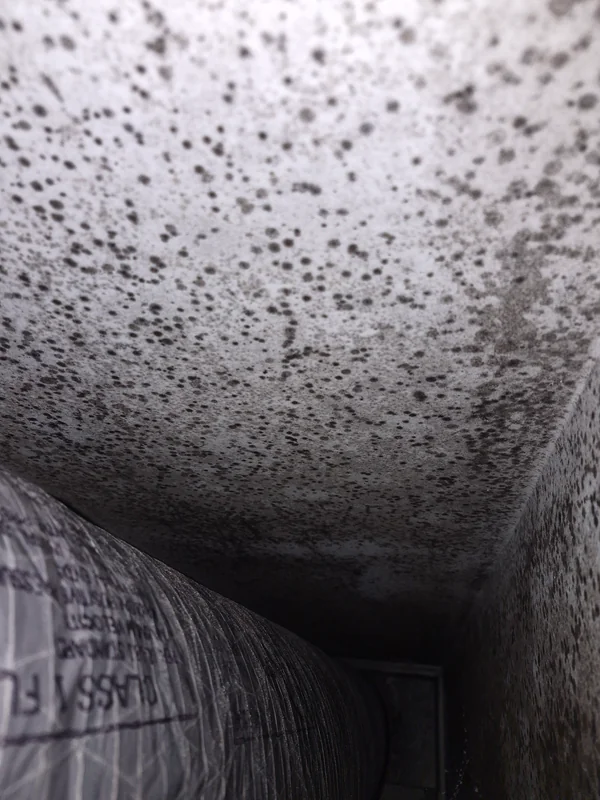
When your HVAC system circulates clean air instead of mold spores, the difference isn’t subtle. The musty smell that hits when the AC kicks on disappears. Allergy symptoms that seemed to have no explanation start to ease. And you stop wondering whether the air your family is breathing is the problem because you know it isn’t.
For Centre Bridge homeowners specifically, that peace of mind carries extra weight. The Delaware Division Canal runs directly through the village. The river sits yards away. The ambient humidity in this corridor is persistent in a way that inland Bucks County towns simply don’t experience, and your HVAC system pulls that moisture-laden air in every time it runs. When that moisture finds its way into ductwork especially in a home with older, less-sealed duct runs through stone basements or crawl spaces mold doesn’t need an invitation. It just needs time.
The outcome of getting this addressed properly isn’t just cleaner air. For a home in the Centre Bridge Historic District, it’s also about protecting the value of a property that took decades to find and likely cost close to a million dollars to own. We provide post-remediation lab testing that confirms the mold is gone not just cleaned around. That documentation matters when you’re protecting an asset of that size.
We’re based in Bensalem same county as Centre Bridge, not a national franchise routing calls through a regional dispatch center. For over 15 years, we’ve worked across Bucks County with certified mold remediation specialists who understand what they’re looking at when they open up an HVAC system in an older home.
That experience matters here. We already serve Solebury Township and have worked extensively with the kind of older stone construction that defines Centre Bridge homes where retrofitted ductwork runs through spaces that were never designed to be conditioned, and where moisture from the ground and the river finds its way in whether you notice it or not. That’s not a situation a general duct cleaning technician is trained to handle safely.
When mold is in the picture, disturbing it without proper containment spreads it. We bring certified remediation knowledge to every duct cleaning job which means the process is done right, documented, and verified before anyone walks out the door.
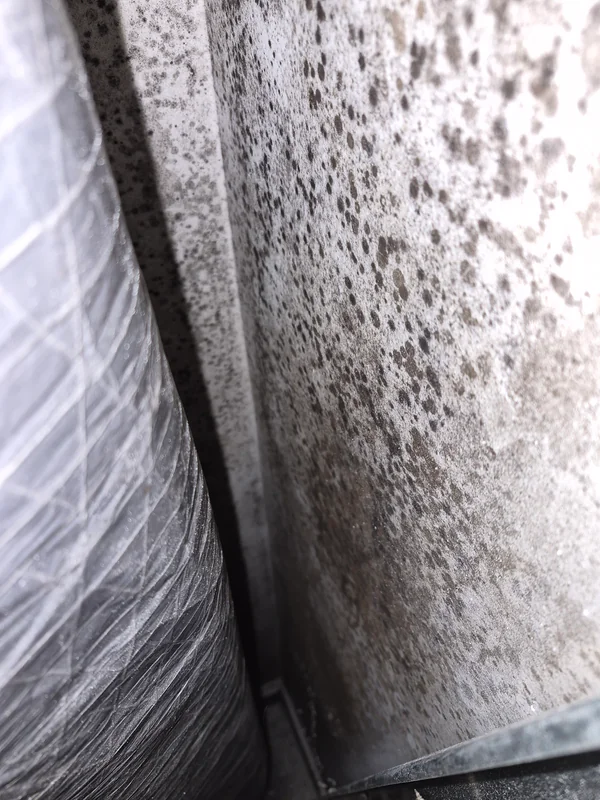
It starts with a free inspection. Before any equipment comes out, one of our certified specialists walks through your home, looks at the HVAC system, and assesses what’s actually going on inside the ductwork. In Centre Bridge homes particularly those in or near the historic district along River Road and Upper York Road that inspection pays close attention to where the duct runs travel: through stone basements, uninsulated crawl spaces, or attic voids that sit in direct contact with the building envelope. Those are the areas where moisture infiltrates and mold takes hold before you ever smell it.
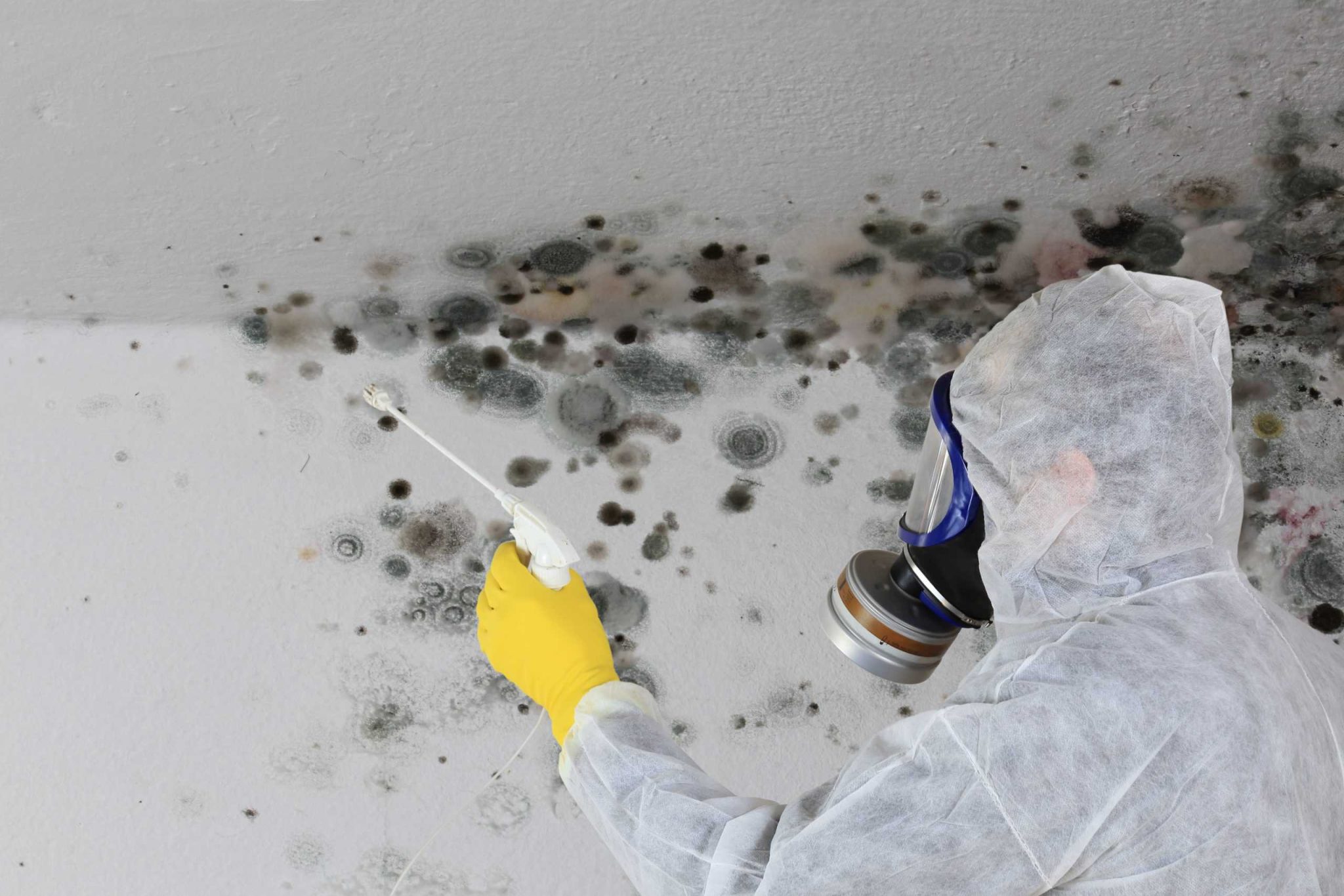
If mold is found, containment comes before cleaning. That’s the step most general duct cleaners skip, and it’s the one that matters most. Disturbing a mold colony in ductwork without isolating it first sends spores through the rest of the system. We use proper containment protocols before mechanical cleaning begins, which means the problem gets eliminated not relocated.
After the cleaning is complete, we test affected areas to confirm the mold is gone. You get documentation of the results, not just a verbal assurance. For homeowners along the Delaware River corridor who have dealt with flooding or persistent moisture, that post-cleaning verification is the piece that actually closes the loop and it’s something most competitors in this market don’t offer.

Ready to get started?
Our air duct cleaning covers the full system supply ducts, return ducts, and the components in between. Both sides of the system get cleaned, because cleaning only one side is a common shortcut that leaves the job half done. If mold is present, air duct sanitizing follows the mechanical cleaning: an antimicrobial treatment applied to the interior duct surfaces to address any biological contamination that mechanical cleaning alone doesn’t eliminate. These are two different steps, and both matter when mold is involved.
We also handle dryer vent cleaning, and it’s worth mentioning specifically for Centre Bridge. Renovated historic homes often have dryer vent runs that were routed through older utility spaces longer paths, more bends, configurations that weren’t designed with modern dryers in mind. Lint accumulates faster in those runs, and the fire risk climbs accordingly. The NFPA reports roughly 15,970 dryer-related house fires per year, with clogged vents as the leading cause. In a home where the vent run is non-standard, that’s not a statistic to ignore.
We also work directly with insurance companies when mold remediation is part of a larger water damage or flood claim relevant for properties along the Delaware River corridor in Centre Bridge that have experienced flooding. Flexible financing is available for work that falls outside of what insurance covers. Upfront pricing means the number you’re given before the job starts is the number you pay when it’s done.

Yes, and it’s not a minor factor. Centre Bridge sits at 98 feet elevation on the Delaware River’s western bank, with the Delaware Division Canal running directly through the village. That proximity means ambient humidity in this area is consistently higher than in inland Bucks County communities and your HVAC system is drawing that air in every time it runs. During summer cooling season, the evaporator coil inside the system cycles between wet and dry conditions repeatedly. Any moisture that settles in the ductwork during that process creates exactly the environment mold needs to establish itself.
Local HVAC companies serving the New Hope and Centre Bridge corridor have explicitly called out riverside humidity as a factor requiring specialized attention in their service descriptions. That acknowledgment reflects what homeowners in this area already know from experience: moisture management here is an ongoing challenge, not a one-time fix. Getting the ductwork inspected and cleaned by someone who understands that dynamic rather than a general technician who treats every job the same makes a real difference in whether the problem stays solved.
The most common sign is a musty smell that appears specifically when the HVAC system turns on and fades when it shuts off. That pattern smell tied directly to the system running points to something inside the ductwork rather than a localized source like a damp basement corner. Other signs include visible discoloration or dark streaking around vent registers, worsening allergy or respiratory symptoms that seem to improve when you’re out of the house, and a general staleness to the air that doesn’t respond to cleaning or airing the space out.
In Centre Bridge’s historic homes, there’s an added layer of complexity. Ductwork retrofitted into 18th- and 19th-century stone construction often runs through spaces crawl areas, stone basements, timber-framed attic voids where moisture infiltrates from the ground and the building envelope in ways that don’t happen in modern construction. The interior sections of those duct runs can harbor mold long before it becomes visible at the register. A professional inspection with lab testing of any samples found is the only way to know for certain what’s in the system.
This is one of the most important distinctions to understand before you hire anyone. A standard HVAC technician or general duct cleaning company is trained to remove debris dust, lint, accumulated particulate. They are not trained in mold remediation, and more specifically, they are not trained in containment. When mold is present inside ductwork, disturbing it without proper containment protocols sends spores through the rest of the system and into every room the ductwork serves. You can end up with a worse situation than you started with.
Mold remediation requires a different approach: containment before cleaning, appropriate removal techniques, and post-cleaning verification through lab testing to confirm the mold has actually been eliminated. We bring certified remediation expertise to every duct cleaning job where mold is involved. That’s not a service a general HVAC company offers, and in a home along the Delaware River corridor where moisture conditions are elevated, the distinction matters significantly.
They’re two separate steps that address two different problems. Air duct cleaning is the mechanical process using professional-grade equipment to physically remove debris, dust, and biological material from inside the duct system. Done properly, it takes several hours for a typical home and covers both supply and return ducts. The cleaning removes what’s physically present in the system.
Air duct sanitizing comes after the cleaning and addresses what the mechanical process can’t fully eliminate. An antimicrobial treatment is applied to the interior duct surfaces to kill remaining biological contaminants mold spores, bacteria, and similar organisms that may still be present even after the physical debris is removed. When mold has been confirmed in a duct system, sanitizing isn’t optional it’s the step that completes the job. For Centre Bridge homeowners dealing with the combination of historic building moisture and river valley humidity, skipping sanitizing after a mold-related cleaning leaves the system vulnerable to recolonization faster than it would be in a drier environment.
The standard industry recommendation is every three to five years for a typical home under normal conditions. But Centre Bridge isn’t a typical environment. The persistent humidity from the Delaware River and the Delaware Division Canal, combined with the older construction methods used in the area’s historic homes, creates conditions where mold can establish itself in ductwork faster than it would in a newer, better-sealed home in a drier location. If your home has experienced any water intrusion flooding from the river, groundwater in a stone foundation, a roof or plumbing leak the timeline shortens considerably. Mold can begin colonizing wet surfaces within 48 hours of a moisture event, and ductwork that was exposed to that moisture should be inspected promptly rather than waiting for the next scheduled cleaning cycle.
A good rule of thumb for homes in this corridor: have the system inspected after any flooding event, after completing a significant renovation that disturbed walls or insulation, and any time you notice a musty smell when the system runs. Don’t wait for a scheduled interval if the conditions have changed.
It depends on the cause of the mold and the specific terms of your policy, but in many cases where mold follows a covered water damage event like flooding from the Delaware River or a burst pipe insurance will cover at least a portion of the remediation work, which can include the ductwork. The challenge is that insurance companies require documentation: evidence of the mold, a clear connection to the covered event, and a remediation plan from a qualified specialist. That documentation process is where a lot of homeowners get stuck, especially when they’re already dealing with the stress of water damage.
We work directly with insurance companies on mold-related claims, which means we handle the back-and-forth so you don’t have to navigate it alone. For properties along River Road and the canal corridor in Centre Bridge areas that have experienced Delaware River flooding having a remediation company that understands the insurance process is a practical advantage, not just a convenience. If the work falls outside what insurance covers, flexible financing options are available so the timeline for getting it done isn’t dictated by your budget.
Other Services we provide in Center Bridge