
Hear from Our Customers
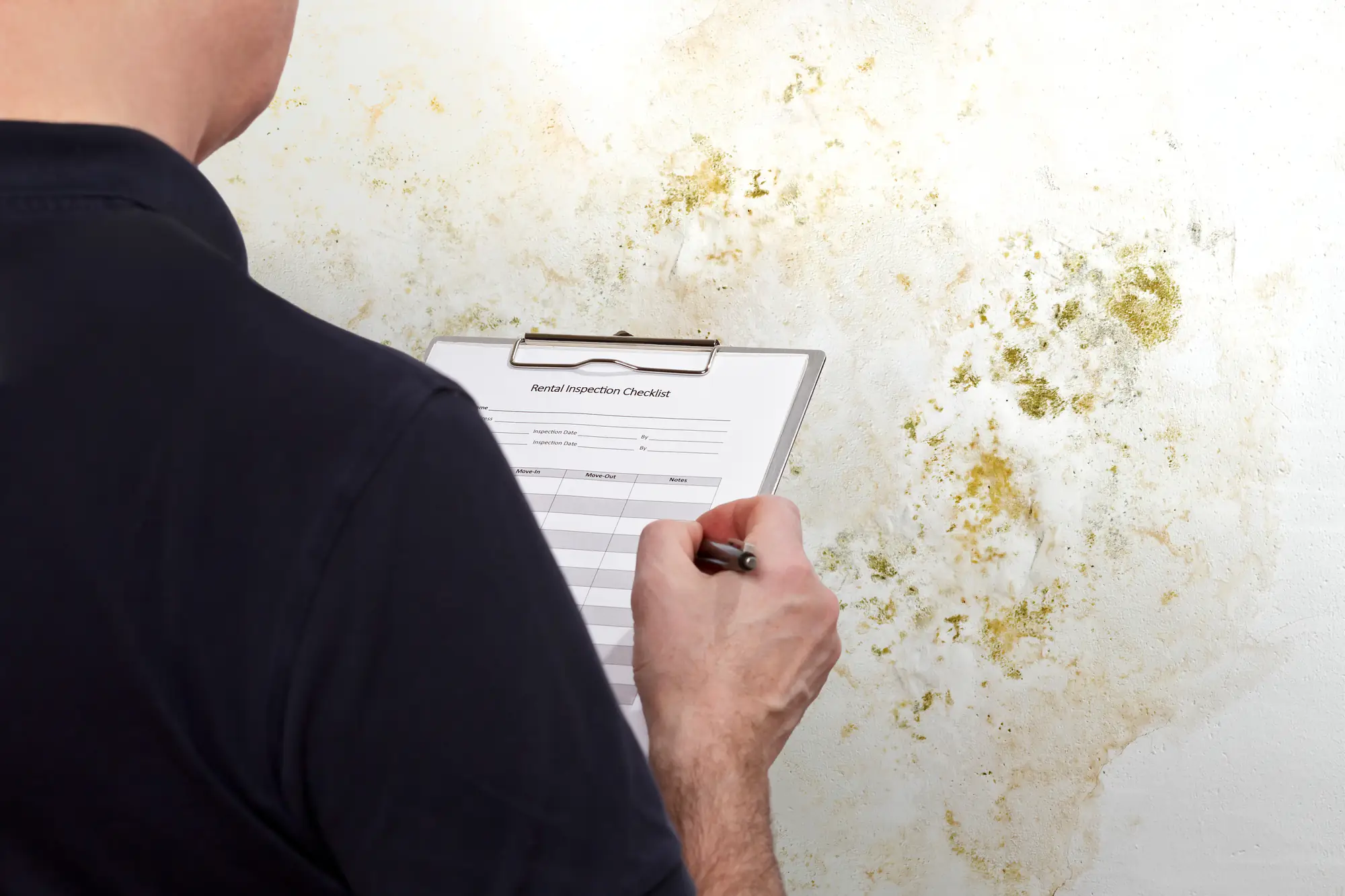
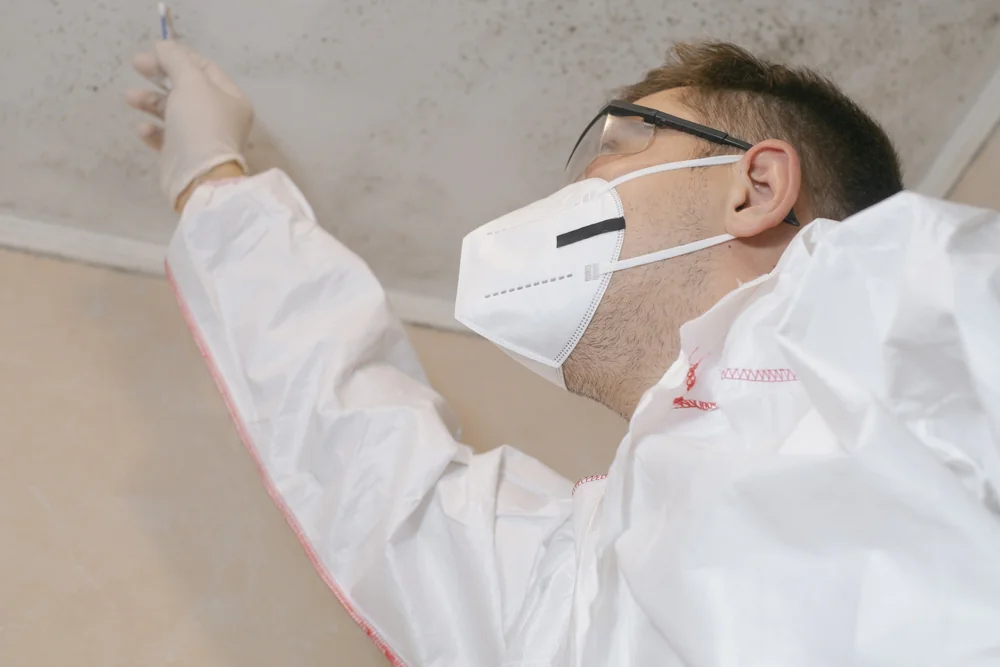
You’re not paying for someone to walk around with a flashlight. A professional home mold inspection uses moisture meters, thermal imaging, and air quality testing to find mold you can’t see yet.
That matters because mold doesn’t wait. In Parkland’s humid climate, it can establish itself in 24 to 48 hours after water exposure. By the time you smell it or see discoloration, it’s already spreading through walls, under floors, or into your HVAC system.
Early detection means you deal with a small problem instead of a big one. It means your kids aren’t breathing in spores while you’re trying to figure out why everyone’s coughing. It means you’re not discovering structural damage during a home sale.
The inspection itself is straightforward. We identify moisture sources, test air quality, collect samples from suspected areas, and send them to a lab for analysis. You get documentation of what’s actually growing in your home and where it’s coming from.
We serve homeowners throughout Bucks County who need an honest assessment without a sales pitch attached. We don’t do the cleanup work, which means we have zero incentive to exaggerate what we find.
That matters more than you’d think. Many companies offer “free” inspections because they make money on the remediation. We charge for the inspection because that’s our only service. You get unbiased results.
We’ve been helping Parkland residents understand what’s actually happening in their homes for years. This area’s climate creates perfect conditions for mold growth, especially in basements, attics, and anywhere water sits too long. We know where to look and what to test.
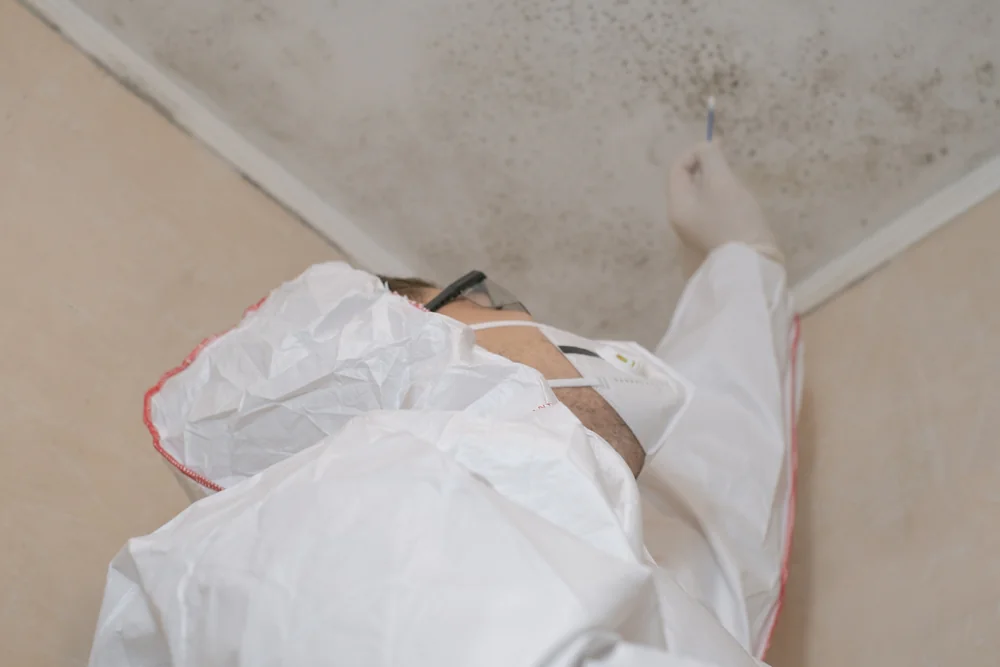
First, we walk through your home and talk about what you’ve noticed. Musty smells, water stains, health symptoms that get worse indoors. We’re looking for visible signs, but also moisture patterns that indicate hidden growth.
Next, we use thermal imaging to spot temperature differences behind walls and ceilings. Cold spots often mean moisture. Moisture means mold is either there or on its way. We use moisture meters to confirm what the camera shows us.
Then we test the air quality and collect physical samples from suspected areas. Those samples go to a lab that identifies the specific type of mold and concentration levels. Black mold gets attention, but other varieties cause problems too.
You get a detailed report within a few days. It tells you what’s growing, where it’s growing, and what’s causing it. That report gives you the information you need to fix the problem correctly, whether you’re hiring a remediation company or filing an insurance claim.

Ready to get started?
Every mold inspection we do covers your entire home, not just the obvious problem areas. We check basements, crawl spaces, attics, bathrooms, and anywhere else moisture accumulates. In Parkland, that often means paying extra attention to older homes with stone foundations and limited ventilation.
You get thermal imaging of walls and ceilings, moisture readings from suspected areas, air quality testing in multiple rooms, and physical samples sent to an independent lab. The lab analysis identifies mold type and gives you spore counts that show severity.
The report includes photos, moisture readings, lab results, and our assessment of what’s causing the growth. We explain whether you’re dealing with a minor issue or something that needs immediate attention. We also note areas at high risk for future growth based on humidity levels and ventilation problems.
Pennsylvania’s climate means most homes deal with elevated humidity during summer months. Keeping indoor humidity below 60% prevents most mold growth, but that’s harder than it sounds when you’re dealing with basements that stay damp or attics with poor airflow. The inspection shows you exactly where your home is vulnerable.
Most inspections run between $300 and $600 depending on your home’s size and how many samples we need to collect. That’s not cheap, but it’s a fraction of what you’ll pay if you skip the inspection and guess wrong about what’s growing.
Here’s why the cost matters less than you think. If you have mold, the inspection tells you exactly what you’re dealing with before you spend thousands on remediation. If you don’t have mold, you’re not wasting money on unnecessary cleanup. Either way, you’re making decisions based on facts instead of fear.
Insurance sometimes covers the inspection if mold resulted from a covered event like a burst pipe. Even if it doesn’t, you’re protecting your home’s value and your family’s health. Mold damage gets expensive fast, and health problems from long-term exposure cost more than any inspection.
Inspection is the visual assessment and moisture detection. Testing is the lab analysis of samples we collect. You need both to understand what’s actually happening in your home.
The inspection finds problem areas using thermal imaging and moisture meters. We’re looking for conditions that support mold growth and visible signs of contamination. But you can’t identify mold type or measure spore concentration without laboratory testing.
Testing matters because different molds require different responses. Some varieties indicate serious water damage. Others suggest ventilation problems. The lab results tell you whether you’re dealing with surface mold from a humidity spike or extensive growth from a hidden leak. That information determines how aggressive your remediation needs to be.
Plan on two to three hours for a typical single-family home. Larger homes or properties with multiple problem areas take longer. We’re not rushing through this.
The actual inspection involves walking every room, checking moisture levels in walls and floors, taking air samples, and collecting physical samples from suspected growth areas. We document everything with photos and notes. If we find something concerning, we spend extra time figuring out the moisture source.
Lab results come back in three to five business days. You’ll get a complete report with photos, moisture readings, lab analysis, and our recommendations. If you need results faster for a real estate transaction, most labs offer expedited testing for an additional fee.
You can buy test kits at hardware stores, but they won’t tell you what a professional inspection reveals. Those kits test for presence, not source or severity. You’ll know mold exists, but not where it’s coming from or how bad the problem is.
Professional mold detection uses equipment you don’t own. Thermal imaging cameras cost thousands of dollars. Moisture meters need calibration. Air quality pumps and collection methods require training to use correctly. We also know where to look based on how homes in this area are built and where they typically develop problems.
The bigger issue is interpretation. Finding mold spores in your air doesn’t tell you much because spores exist everywhere. What matters is concentration, type, and source. Lab analysis and professional assessment give you that context. A home test kit just tells you something you probably already suspected.
Musty smells that don’t go away are the most obvious sign. If your basement or bathroom smells like mildew even after cleaning, you’ve got growth somewhere. Visible discoloration on walls, ceilings, or around windows is another clear indicator.
Health symptoms that improve when you leave home suggest mold exposure. Chronic sneezing, coughing, watery eyes, or headaches that get better at work or on vacation are red flags. Kids and elderly family members often react more severely to mold spores than healthy adults.
Water damage from any source warrants an inspection. Past flooding, roof leaks, plumbing problems, or even persistent condensation creates conditions for mold growth. Even if you dried everything quickly, moisture can hide in wall cavities or under flooring. An inspection confirms whether you caught it in time or need remediation.
Coverage depends on what caused the mold. If it resulted from a covered event like a burst pipe or storm damage, most policies cover inspection and testing. If it’s from long-term humidity or maintenance issues, probably not.
Read your policy or call your insurance company before scheduling. Some insurers require you to use their preferred inspector. Others reimburse you after the fact. Getting approval first prevents surprise bills later.
Even if insurance won’t cover it, the inspection protects your claim if you need remediation. The documentation shows exactly what’s growing and what caused it. That makes it harder for insurance companies to deny coverage or dispute the scope of damage. You’re building a paper trail that supports whatever comes next.
Other Services we provide in Parkland