

Mold Inspection in Langhorne Gardens, PA

Find Hidden Mold Before It Costs You

Professional mold detection that catches problems early, protects your family’s health, and saves you from expensive repairs down the road.
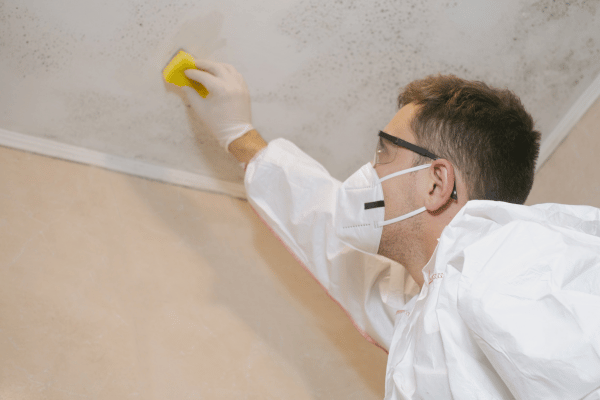
Protective worker in safety suit inspecting or treating mold spots on an indoor ceiling, addressing moisture damage and potential mold growth inside a building.

Hear from Our Customers

Professional Mold Detection Services

Know Exactly What You're Dealing With

You’re not guessing anymore. A thorough mold inspection tells you if there’s a problem, where it is, and how serious it’s gotten.

Mold doesn’t just grow on surfaces you can see. It hides behind walls, under flooring, in attics, and inside ductwork. By the time you notice a musty smell or spot discoloration, the issue has usually been developing for weeks or months.

Our inspections use infrared cameras and moisture meters to detect mold growth before it becomes visible. You get a complete picture of what’s happening in your home, not just a surface-level look. That means you can address the real problem instead of treating symptoms that’ll come back in six months.

Langhorne Gardens sits in Bucks County where humidity regularly exceeds 70% during summer months. Your home is constantly exposed to conditions that encourage mold growth. An inspection gives you the information you need to protect your property value and your family’s health.

Mold Inspection Company Serving Langhorne Gardens

We've Been Finding Mold in Bucks County Homes for Years

We’ve built a reputation across Bucks County, Montgomery County, and the greater Philadelphia area by doing one thing consistently: finding mold that other companies miss.

Our inspectors are certified professionals who understand how Pennsylvania’s climate affects your home. We know the common trouble spots in Langhorne Gardens properties, from basement moisture issues to attic ventilation problems. That local knowledge means faster, more accurate inspections.

We’re not here to upsell you on services you don’t need. You get honest findings, clear documentation, and straightforward answers about what happens next. If there’s no mold, we’ll tell you. If there is, we’ll show you exactly where it is and what caused it.

Protective worker collecting a mold sample from a stained indoor ceiling using a swab, inspecting moisture damage and potential mold growth inside a building.

Our Mold Inspection Process

Here's What Happens During Your Inspection

First, we walk through your property and listen to your concerns. You know your home better than anyone. If you’ve noticed musty odors, water stains, or health symptoms that get worse indoors, that information guides where we look first.

Next, we conduct a visual assessment of your entire property. This includes areas you probably don’t check regularly: crawl spaces, attic corners, behind appliances, inside HVAC systems. We’re looking for visible mold growth, water damage, condensation, and conditions that promote mold development.

Then we use specialized equipment to find hidden problems. Infrared cameras detect temperature differences that indicate moisture trapped inside walls or ceilings. Moisture meters measure exact humidity levels in building materials. If we find suspicious areas, we can collect samples for lab testing to identify the specific type of mold present.

You receive a detailed report documenting our findings with photos, moisture readings, and specific locations of any mold growth. We explain what caused the problem, whether it’s a plumbing leak, poor ventilation, or humidity issues. Most importantly, you get clear guidance on what needs to happen next, whether that’s a simple fix you can handle yourself or professional remediation.

Home interior with mold remediation in progress as a worker sprays treatment on a wall using a ladder, while a resident relaxes on a covered sofa in a renovated living room.

Ready to get started?

Explore More Services

About Mack's Mold Removal

What's Included in Mold Inspection

You Get More Than Just a Walkthrough

Your inspection covers every area where mold typically develops in Langhorne Gardens homes. Basements are a primary concern here because of groundwater and humidity. We check foundation walls, floor joists, and any finished basement areas where mold hides behind drywall.

Attics are another major trouble spot, especially in older homes with inadequate ventilation. Warm, moist air rises and gets trapped, creating perfect conditions for mold on roof sheathing and insulation. We inspect the entire attic space, looking for condensation, ventilation issues, and any signs of roof leaks.

Bathrooms and kitchens get thorough attention because of constant moisture exposure. We examine areas around tubs, showers, sinks, and appliances. We also check HVAC systems since ductwork and air handlers can harbor mold that spreads spores throughout your home every time the system runs.

With the median home price in Langhorne Gardens at $549,000, you’re protecting a significant investment. Our inspection identifies problems before they compromise your property value or create issues during a future sale. If you’re buying a home, an inspection before closing can save you from inheriting someone else’s mold problem.

How long does a mold inspection take in Langhorne Gardens?

Most residential mold inspections take between two and four hours, depending on your home’s size and layout. A 2,000 square foot single-family home typically takes about two and a half hours to inspect thoroughly.

We’re not rushing through your property with a flashlight. A proper inspection means checking every potential problem area, using moisture detection equipment, and documenting findings with photos and measurements. Larger homes or properties with multiple levels, finished basements, and attics take longer.

If we find significant mold growth or multiple problem areas, the inspection may extend beyond the initial timeframe. You’re not paying extra for that additional time. We stay until we’ve identified all the issues and answered your questions.

A mold inspection is a visual and technical assessment of your property to find mold growth and identify moisture problems. We use infrared cameras and moisture meters to detect issues, but we’re not necessarily collecting samples.

Mold testing involves taking air samples or surface samples and sending them to a lab for analysis. Testing identifies the specific species of mold present and measures spore concentration in your indoor air. You don’t always need testing, especially if we find visible mold growth.

Testing makes sense in specific situations: when you’re experiencing health symptoms but can’t locate visible mold, when you want to verify that remediation was successful, or when you need documentation for insurance claims or legal purposes. We’ll recommend testing only when it provides information that changes how you should respond to the problem.

In most cases, yes. The majority of mold problems we find in Langhorne Gardens homes don’t require immediate evacuation. You can continue living in your home while planning remediation.

There are exceptions. If we discover extensive black mold growth, particularly toxic species like Stachybotrys, and you have young children, elderly family members, or anyone with respiratory conditions, we may recommend temporary relocation during cleanup. That’s rare, but your family’s health comes first.

The bigger concern is usually addressing the moisture source quickly. If we find active water intrusion from a leak or flooding, that needs immediate attention to prevent the mold problem from expanding. We can help you understand the urgency level of your specific situation and what timeline makes sense for remediation.

We find both. Identifying mold growth without determining what caused it is pointless because the mold will just come back after you clean it up.

Every mold problem has a moisture source. That might be a plumbing leak, a roof leak, condensation from poor ventilation, high indoor humidity, or water seeping through foundation walls. Our inspection tracks down that source so you can fix the actual problem, not just the symptom.

This is especially important in Langhorne Gardens because of the local climate. Bucks County’s humid summers create persistent moisture issues that many homeowners don’t recognize as problems. We identify whether your mold is caused by a one-time event like a pipe burst or an ongoing condition like inadequate bathroom ventilation. That determines the right solution and prevents recurrence.

We offer free initial mold inspections to assess your situation and provide an honest evaluation of what you’re dealing with. There’s no charge for us to come out, examine your property, and give you professional guidance.

If you need comprehensive testing with lab analysis of samples, that involves additional costs because of the laboratory fees. Those tests typically range from $300 to $700 depending on how many samples we collect and what type of analysis you need.

Here’s what matters more than the inspection cost: catching mold early saves you serious money on remediation. A small mold problem confined to one bathroom might cost $500 to $1,500 to remediate. That same problem left unaddressed for six months could spread throughout your HVAC system and cost $5,000 to $10,000 to fix properly. The inspection is cheap insurance against expensive surprises.

You don’t need to do much. Make sure we can access all areas of your home including the attic, basement, crawl spaces, and any storage areas. Move boxes or items blocking access to walls, especially in basements and closets.

Don’t clean or treat any visible mold before the inspection. We need to see the growth in its current state to assess the extent of the problem and collect accurate samples if needed. Cleaning it beforehand can hide the scope of the issue.

If you’ve noticed specific problems like water stains, musty odors, or areas where you’ve seen mold previously, make a note of those locations. That information helps us focus our inspection on the most likely problem areas. Also, if you’ve had recent water damage, plumbing issues, or roof leaks, let us know when we arrive. That history provides valuable context for understanding what we find during the inspection.

Other Services we provide in Langhorne Gardens