

Hear from Our Customers
You stop wondering if that musty smell is making your family sick. You breathe easier knowing the air in your home isn’t circulating spores through every room. You don’t have to worry about what’s growing behind your walls or under your floors anymore.
Professional mold removal means more than scrubbing visible spots. It means finding the source, eliminating the growth completely, and addressing the moisture problem that caused it. When the job’s done right, you’re not just covering up a problem—you’re actually solving it.
In Langhorne Gardens, where basements stay damp and humidity loves to settle in, mold doesn’t need much of an invitation. But once it’s properly removed and the conditions are fixed, you get your home back. No more checking that corner every week. No more second-guessing whether it’s safe.
We work exclusively in this area because we understand what homeowners in Langhorne Gardens deal with. The proximity to Neshaminy Creek, the older homes with character but sometimes questionable ventilation, the basements that never quite dry out—we’ve seen it all.
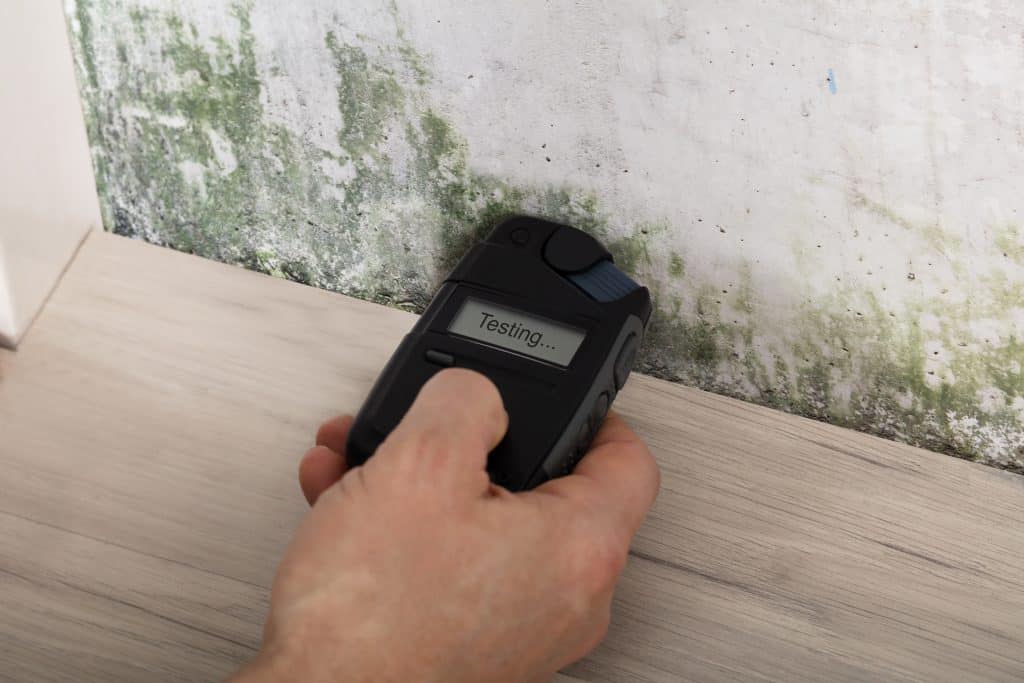
We use infrared cameras and moisture meters to find problems you can’t see. We follow EPA and IICRC guidelines because cutting corners with mold doesn’t just risk your health—it guarantees the problem comes back. Our team is trained to handle black mold removal safely, contain the affected areas properly, and restore your indoor air quality.
You’re not getting a national chain that sends whoever’s available. You’re getting a local mold cleaning service that knows exactly how Bucks County weather and home construction create the conditions mold thrives in.

First, we come out and inspect your property with actual detection equipment—not just eyeballing the visible damage. We’re looking for moisture sources, hidden growth, and the full extent of what you’re dealing with. That means checking behind walls, in crawl spaces, and anywhere water might be sitting.
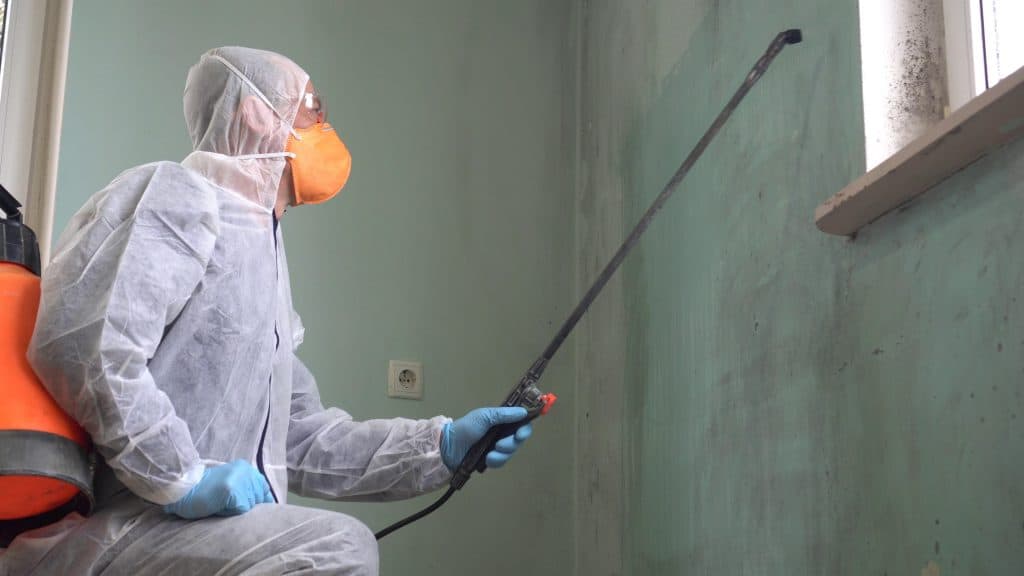
Once we know what we’re working with, we contain the area to prevent spores from spreading during removal. We use physical barriers and negative air pressure to keep contamination isolated. Then we remove all affected materials, treat surfaces with antimicrobial solutions, and run industrial air scrubbers to pull particles out of your air.
After removal, we test the air quality to confirm the mold is actually gone—not just hidden better. If there’s structural damage or materials that need replacing, we handle that too. The goal is to return your space to you in better condition than before the mold showed up, with the underlying moisture issue addressed so you’re not doing this again in six months.
Ready to get started?
You get a complete inspection using thermal imaging and moisture detection to locate every problem area. We don’t guess—we measure humidity levels, check for water intrusion, and identify exactly where mold is growing and why.
The removal process includes full containment setup, HEPA-filtered air scrubbers running throughout the job, safe removal of contaminated materials, and antimicrobial treatment of all affected surfaces. We’re not just cleaning what you can see. We’re eliminating the colonies sending spores through your HVAC system and into the air you’re breathing.
In Langhorne Gardens, basement mold is especially common because of how groundwater behaves in this area. Many homes built decades ago don’t have the waterproofing or ventilation needed to keep moisture out. We address both the mold and the conditions causing it—whether that means improving drainage, fixing leaks, or recommending dehumidification solutions. You also get post-remediation testing to verify the air quality is back to safe levels, plus documentation you can use for insurance claims or real estate transactions if needed.
If you’re smelling something musty, there’s moisture somewhere—and where there’s moisture, mold is likely already growing or about to start. Normal basement smell is usually a sign of dampness, which is exactly what mold needs to thrive.
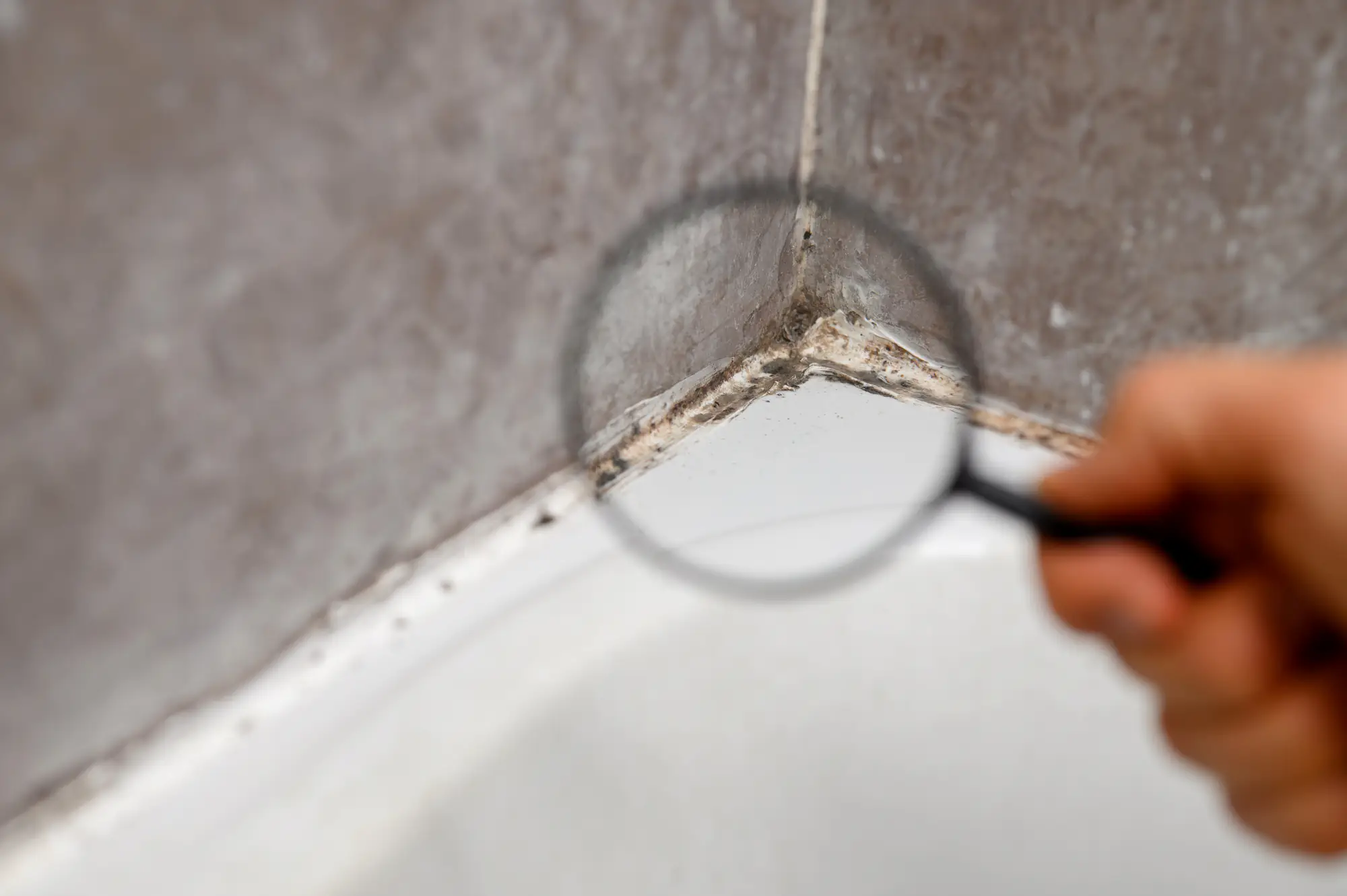
The real question is whether you’re dealing with surface mold you can see or hidden growth behind walls, under flooring, or in your HVAC system. Most people only notice mold once it’s visible, but by that point, it’s often been spreading for weeks. Mold starts growing within 24 to 48 hours in damp conditions, so that smell isn’t something to ignore.
A professional mold inspection uses moisture meters and thermal imaging to find problems before they become obvious. If you’re seeing discoloration, peeling paint, or any kind of water staining, you’re past the “maybe” stage. Even if you’re not seeing anything yet, persistent odor in Langhorne Gardens basements usually means it’s time to check what’s actually going on before it gets worse.
Small surface mold on non-porous materials—like a little growth on a windowsill—you can usually handle yourself with the right cleaner and precautions. But if you’re dealing with mold on drywall, insulation, wood framing, or anything porous, DIY removal typically makes things worse.
Here’s why: mold grows in colonies and releases microscopic spores into the air when disturbed. Without proper containment, scrubbing that patch on your basement wall just sends spores throughout your house. You might remove what you can see, but you’re spreading the problem and likely missing the hidden growth that caused the visible mold in the first place.
Professional mold removal includes containment barriers, negative air pressure, HEPA filtration, and actually addressing the moisture source. We’re also trained to identify black mold and other toxic varieties that require specific handling. If the affected area is larger than about 10 square feet, or if it’s caused by contaminated water, the EPA recommends hiring a professional. You’re not just paying for removal—you’re paying to make sure it’s done safely and completely.
Most residential mold removal jobs in Langhorne Gardens take between one and three days, depending on how extensive the growth is and how many areas are affected. A single contaminated room might be done in a day. A whole basement with hidden growth behind finished walls could take longer.
Whether you need to leave depends on the severity and location. If we’re working in an isolated basement or crawl space with proper containment, you can usually stay in your home. If the mold is in your HVAC system or spread across multiple living areas, it’s often better to stay elsewhere while we work—especially if anyone in your household has asthma, allergies, or respiratory issues.
We set up physical barriers and run air scrubbers to prevent cross-contamination, but disturbing mold during removal does temporarily increase spore counts in the air. For most jobs, you’re looking at being back in your space within a few days, with air quality testing completed to confirm it’s safe. We’ll give you a realistic timeline after the inspection so you can plan accordingly.
It comes down to moisture and humidity, which Bucks County has plenty of. Langhorne Gardens sits close to Neshaminy Creek, and the soil composition here means basements are prone to groundwater seepage. Add in humid summers and spring rains, and you’ve got ideal conditions for mold growth.
A lot of homes in this area were built before modern waterproofing standards. That means foundation cracks, poor drainage around the property, and basements that were never designed to stay dry. Even newer homes can have problems if gutters aren’t maintained, grading slopes toward the foundation, or if there are plumbing leaks going unnoticed.
Mold doesn’t need a flood to start growing. A slow leak under a sink, condensation on pipes, or just consistently high humidity is enough. Once it starts, it spreads fast—within 48 hours in the right conditions. The key is controlling moisture, which in Langhorne Gardens often means addressing drainage issues, improving ventilation, and sometimes adding dehumidification. Removing the mold without fixing what caused it just means you’ll be dealing with it again.
Most mold removal projects in this area run between $1,500 and $5,000, but that range depends entirely on how much mold you’re dealing with and what’s causing it. A small isolated area might be on the lower end. Extensive growth affecting multiple rooms, structural materials, or your HVAC system will cost more.
The price includes inspection, containment setup, removal of contaminated materials, antimicrobial treatment, air scrubbing, and post-remediation testing. If there’s structural damage—like drywall or flooring that needs replacing—that’s additional. Some jobs also require addressing the underlying moisture problem, whether that’s fixing a leak, improving drainage, or installing a dehumidifier.
Homeowners insurance sometimes covers mold removal if it’s caused by a covered event like a burst pipe, but it usually won’t cover mold from long-term neglect or maintenance issues. We can work with your insurance company and provide documentation to support your claim. The cost of proper removal is a lot less than the health problems mold causes or the hit your property value takes when you try to sell a house with a known mold issue.
Mold removal and mold remediation are often used interchangeably, but technically remediation is the more accurate term. True “removal” would mean eliminating every single mold spore from your home, which isn’t realistic—mold spores exist everywhere in the environment. Remediation means bringing mold levels back to normal, safe concentrations.
Professional remediation includes identifying the source, removing contaminated materials, treating affected surfaces, and controlling moisture to prevent regrowth. We’re not just killing visible mold—we’re addressing the entire problem including hidden growth and the conditions that allowed it to thrive.
Some companies will talk about “mold removal” because that’s what people search for, but what you actually want is full remediation. That means containment during the work, HEPA air filtration, proper disposal of contaminated materials, antimicrobial treatment, and verification testing afterward. In Langhorne Gardens, where moisture issues are common, remediation also means identifying whether you need better waterproofing, ventilation improvements, or ongoing humidity control. The goal is solving the problem completely, not just making it look better temporarily.
Other Services we provide in Langhorne Gardens