
Mold Inspection in Line Lexington, PA

Find the Mold Before It Finds You

We use thermal imaging and lab-tested air samples to detect mold you can’t see—so you know exactly what you’re dealing with.
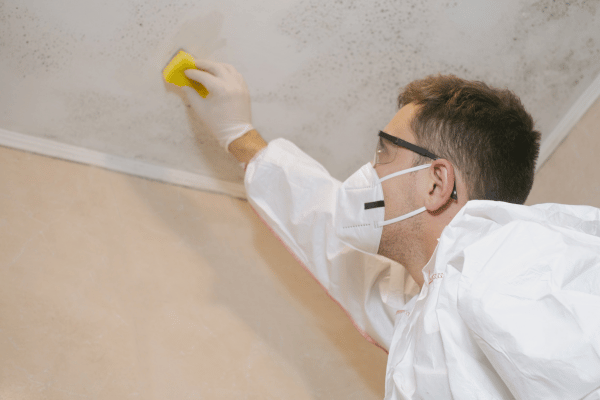
Protective worker in safety suit inspecting or treating mold spots on an indoor ceiling, addressing moisture damage and potential mold growth inside a building.

Hear from Our Customers

Professional Mold Detection in Line Lexington

Know What's in Your Air, Not Just Your Walls

You shouldn’t have to guess whether your home is safe. A proper mold inspection gives you real answers—not just a visual walkthrough, but actual data from air samples, moisture readings, and thermal scans that reveal what’s hiding behind walls, under floors, and in your HVAC system.

Most people don’t realize mold is there until someone gets sick or a buyer’s inspector flags it during a sale. By then, you’re dealing with health concerns, property value loss, and expensive remediation. A home mold inspection catches it early, when it’s still manageable.

You’ll get a clear report that shows what type of mold is present, where it’s growing, and what’s causing it. That means you can make informed decisions about remediation, insurance claims, and long-term prevention—without the panic or second-guessing.

Trusted Mold Detection Company in Bucks County

We've Been Doing This in Line Lexington for Years

We’ve been serving homeowners across Bucks County with honest assessments and real solutions. We’re not here to upsell you on services you don’t need. We’re here to tell you what’s actually happening in your home and what it’ll take to fix it.

Line Lexington homes—especially older ones or those near wooded areas—deal with humidity swings and moisture intrusion that create perfect conditions for mold. We’ve inspected hundreds of properties in this area, and we know where to look and what to test for.

Our team includes certified mold inspectors trained in the latest detection methods. We use the same equipment and standards that insurance companies and real estate professionals rely on, and we send every sample to an accredited third-party lab for analysis.

Protective worker collecting a mold sample from a stained indoor ceiling using a swab, inspecting moisture damage and potential mold growth inside a building.

Our Mold Inspection Process in Line Lexington

Here's Exactly What Happens During Your Inspection

We start with a free consultation to understand your concerns—whether it’s a musty smell, visible discoloration, recent water damage, or unexplained health symptoms. Then we schedule a time that works for you.

During the inspection, we use thermal imaging cameras and moisture meters to map out areas with elevated humidity or hidden water intrusion. These tools let us see temperature differences and moisture levels that indicate mold growth, even when nothing’s visible to the naked eye. We also collect air samples from multiple rooms and send them to a certified lab for analysis.

Within a few days, you’ll receive a detailed report that breaks down what we found, where the moisture is coming from, and what type of mold is present. We’ll walk you through the results in plain language and recommend next steps—whether that’s remediation, further testing, or simple fixes you can handle yourself. No pressure, no jargon, just clear information so you can decide what’s right for your home.

Home interior with mold remediation in progress as a worker sprays treatment on a wall using a ladder, while a resident relaxes on a covered sofa in a renovated living room.

Ready to get started?

Explore More Services

About Mack's Mold Removal

What's Included in Our Mold Detection Services

You Get More Than Just a Visual Check

A real mold inspection goes beyond looking at your basement and calling it good. You’re getting infrared moisture mapping to find hidden leaks, air quality testing to measure spore concentrations, surface sampling when needed, and a full written report with lab results and photos.

In Line Lexington and throughout Bucks County, we see a lot of mold issues tied to crawl spaces, attics with poor ventilation, and older HVAC systems that circulate spores throughout the house. We check all of those areas because that’s where problems hide. Standard home inspections don’t cover this—they’re not equipped to test air quality or use moisture detection tools.

You’ll also get documentation that works for insurance claims, real estate transactions, and contractor bids. If remediation is needed, we’ll outline exactly what should be done and why, so you’re not left wondering if the work was overkill or incomplete. And if you’re buying or selling a home, this report gives you leverage and clarity before closing.

How much does a mold inspection cost in Line Lexington, PA?

We offer free mold inspections to help you understand what’s happening in your home without any upfront cost. That includes a visual assessment, moisture mapping, and a consultation about next steps.

If lab testing is needed—like air sampling or surface swabs—that’s typically an additional cost, but we’ll discuss that with you before moving forward. Most homeowners in Bucks County spend between a few hundred to around $500 for comprehensive testing, depending on the size of the home and how many samples are required.

The investment is worth it when you consider that undetected mold can lead to thousands in remediation costs, health issues, and property value loss. Catching it early with a professional inspection saves money and stress down the road.

A mold inspection is the full assessment—we walk through your property, use thermal imaging and moisture meters, identify problem areas, and give you a detailed evaluation of what’s going on. It’s the diagnostic process that tells you where to look and what to test.

Mold testing refers specifically to collecting air or surface samples and sending them to a lab for analysis. Testing tells you what type of mold is present and how much of it is in the air. Not every inspection requires testing, but if you’re dealing with health symptoms, buying a home, or need documentation for insurance, testing is usually recommended.

Think of it this way: the inspection finds the problem, and the testing confirms what it is. We handle both, and we’ll recommend testing only when it actually adds value to your situation—not as a default upsell.

You can, but those kits don’t give you the full picture. Most over-the-counter test kits only detect surface mold or capture a snapshot of airborne spores in one spot at one moment. They don’t measure moisture levels, identify hidden growth, or tell you where the problem is coming from.

Mold spores are everywhere—even in clean homes—so a DIY kit might show positive results without telling you whether it’s actually a problem or just normal background levels. Without context or comparison to outdoor air, the results can be misleading and cause unnecessary panic or false reassurance.

We use calibrated equipment, take multiple samples from different areas, and send everything to an accredited lab for analysis. You get a report that shows concentrations, identifies species, and explains what it means for your health and your home. That’s the difference between guessing and knowing.

Most inspections take between one and two hours, depending on the size of your home and how many areas need to be checked. We’re thorough, but we’re not going to waste your time poking around rooms that clearly aren’t an issue.

We’ll focus on high-risk areas like basements, crawl spaces, attics, bathrooms, and anywhere you’ve noticed signs of moisture or mold. If air sampling is part of the process, that adds a bit of time, but we work efficiently and explain what we’re doing as we go.

After the inspection, lab results usually come back within three to five business days. Once we have those, we’ll schedule a follow-up call or meeting to review the findings and talk through your options. The whole process is designed to give you answers quickly without dragging things out.

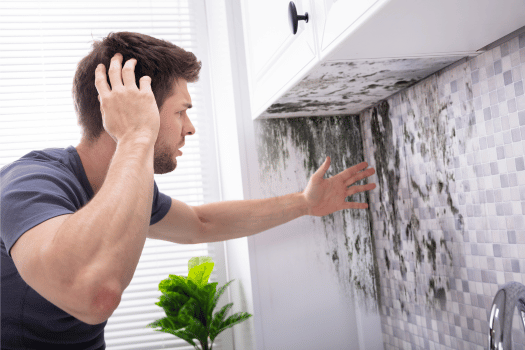
If you’re seeing dark, slimy patches on walls or ceilings, smelling a persistent musty odor, or dealing with unexplained health issues like coughing, headaches, or respiratory problems, it’s time to get an inspection. Black mold—technically called Stachybotrys chartarum—thrives in areas with ongoing moisture, and it’s not something you want to ignore.

Other red flags include water damage that wasn’t dried out within 48 hours, condensation on windows or pipes, peeling paint or wallpaper, and discoloration around vents or baseboards. In Line Lexington, we also see a lot of mold in homes with finished basements that weren’t properly waterproofed or attics with ventilation issues.

You don’t need to see visible mold to have a problem. Sometimes the smell is the only clue, or you might just feel off when you’re home and better when you leave. A black mold inspection will either confirm your suspicions or give you peace of mind—and either way, you’ll know what you’re dealing with.

Yes. A proper inspection will identify whether remediation is necessary, how extensive the problem is, and what’s causing it. We’ll show you exactly where the mold is growing, what materials are affected, and whether it’s something you can address with cleaning or if professional removal is required.

If remediation is needed, we’ll outline what that looks like—containment, removal of affected materials, air filtration, and moisture control. We follow IICRC S520 standards, which are the industry guidelines for safe and effective mold remediation. You’ll get a clear scope of work so you know what to expect and can make informed decisions.

If the issue is minor—like a small patch caused by a leaky pipe that’s already been fixed—we’ll tell you that too. We’re not here to sell you services you don’t need. We’re here to give you honest information so you can protect your home and your family without overspending or second-guessing.

Other Services we provide in Line Lexington