
Mold Inspection in Hood, PA

Find the Mold Before It Finds You

Free inspections, advanced detection tools, and straight answers about what’s growing in your home and what to do about it.
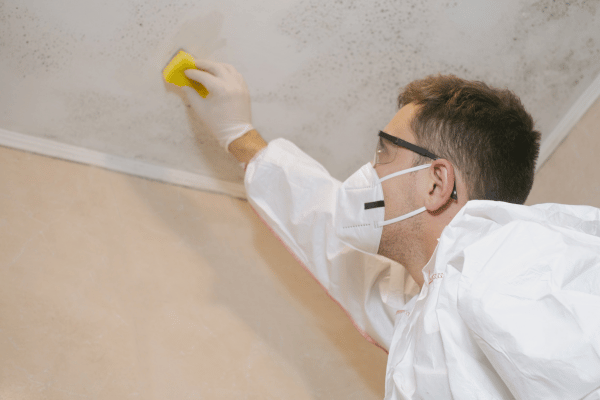
Protective worker in safety suit inspecting or treating mold spots on an indoor ceiling, addressing moisture damage and potential mold growth inside a building.

Hear from Our Customers

Professional Mold Detection in Hood, PA

Stop Guessing. Start Knowing What's Actually There.

You can’t fix what you can’t see. That’s the problem with mold—it hides in walls, under floors, behind appliances, and in crawl spaces you’d never think to check.

A proper mold inspection doesn’t just confirm what you already suspect. It shows you where the problem started, how far it’s spread, and what’s feeding it. That last part matters most, because if you don’t fix the source, the mold comes back.

We use moisture meters and infrared cameras to detect problems you can’t see with your eyes. We’re looking for elevated humidity, hidden water damage, and conditions that let mold thrive. Then we map it out and explain what needs to happen next—no jargon, no upselling, just a clear plan based on what we actually found.

If your home has mold, you’ll know exactly where it is and why it’s there. If it doesn’t, you’ll have documentation proving that. Either way, you’re not guessing anymore.

Hood's Local Mold Inspection Experts

We've Been Doing This in Bucks County Long Enough to Know What Works

We serve homeowners throughout Bucks County with one goal: creating healthier homes. We’re not a national franchise following a script. We’re local, we know how Pennsylvania’s humid summers and older home construction create the perfect conditions for mold growth, and we’ve seen what happens when it’s ignored.

Hood sits in an area where basements stay damp, crawl spaces trap moisture, and homes built decades ago weren’t designed with modern ventilation in mind. We inspect homes here regularly, and we know what to look for.

Every inspection we do is free. We’re not charging you to tell you whether or not you have a problem—that’s just how we start the conversation. If there’s mold, we’ll show you. If there’s not, you’ll have the documentation to prove it.

Protective worker collecting a mold sample from a stained indoor ceiling using a swab, inspecting moisture damage and potential mold growth inside a building.

Our Mold Inspection Process Explained

Here's What Happens When We Inspect Your Home

We start with a visual assessment of the areas you’re concerned about, plus the places most homeowners overlook—basements, attics, crawl spaces, and anywhere water or humidity tends to collect. We’re looking for visible mold, water stains, discoloration, and signs of past or current moisture problems.

Next, we use moisture meters to measure humidity levels in walls, floors, and ceilings. Mold needs moisture to grow, so if we find elevated readings, we know there’s a risk even if we don’t see mold yet. Infrared cameras help us detect temperature differences that indicate hidden water damage or poor insulation—both of which create environments where mold thrives.

If we find mold, we identify the type and extent of growth. More importantly, we find the source. A leaking pipe, poor drainage, condensation from an HVAC system, or just high indoor humidity—whatever’s feeding the mold has to be addressed, or removal won’t matter.

You’ll get a full report of what we found, photos of the affected areas, and a clear explanation of what needs to happen next. If remediation is necessary, we’ll give you an upfront estimate before any work begins. If it’s something you can handle yourself, we’ll tell you that too.

Home interior with mold remediation in progress as a worker sprays treatment on a wall using a ladder, while a resident relaxes on a covered sofa in a renovated living room.

Ready to get started?

Explore More Services

About Mack's Mold Removal

What's Included in Hood Mold Inspections

You're Not Just Getting a Walkthrough with a Flashlight

A real mold inspection means using the right equipment and knowing where to look. We bring moisture meters, infrared cameras, and enough experience in Bucks County homes to spot the warning signs most people miss.

Hood’s climate makes mold a recurring issue if the conditions are right. Humidity levels above 60% create ideal growing conditions, and Pennsylvania’s summers regularly push past that threshold. Add in older homes with limited airflow, and you’ve got basements and crawl spaces that stay damp for months. We measure humidity, check for water intrusion, and inspect areas where air doesn’t circulate well.

We also document everything. If you’re buying a home, selling one, or filing an insurance claim, you’ll need proof of what’s there and what’s been done about it. Our reports include photos, moisture readings, and a detailed assessment of the affected areas.

And if we find mold, we don’t just point it out and leave. We explain what’s causing it, what it’s going to take to remove it, and how to prevent it from coming back. You’ll know what you’re dealing with before you spend a dollar on remediation.

How do I know if I actually need a mold inspection in Hood, PA?

If you’re seeing visible mold, smelling a musty odor, or dealing with unexplained health symptoms like persistent coughing or headaches, you probably need an inspection. But those aren’t the only reasons.

Mold often grows in places you can’t see—inside walls, under flooring, in attics and crawl spaces. If you’ve had any water damage, a leaking roof, plumbing issues, or flooding, there’s a good chance mold is growing somewhere even if you haven’t spotted it yet. Mold can start growing within 24 hours of water exposure, and it doesn’t take much.

You should also get an inspection if you’re buying a home in Hood or anywhere in Bucks County. Older homes in this area weren’t built with modern moisture control in mind, and basements here tend to stay damp. An inspection gives you leverage to negotiate repairs or walk away if the problem is too big. It’s a lot easier and cheaper to deal with mold before you move in than after.

A mold inspection is a visual assessment using tools like moisture meters and infrared cameras to find mold and figure out what’s causing it. Testing involves taking samples of mold or air quality and sending them to a lab to identify the specific type of mold present.

Most of the time, testing isn’t necessary. If we find mold, it needs to be removed regardless of what type it is. The removal process is the same whether it’s black mold or any other species. What matters more is finding the source of moisture that’s feeding it and fixing that problem.

There are situations where testing makes sense—if you’re experiencing serious health symptoms and need documentation for a doctor, or if you’re dealing with an insurance claim that requires lab results. But for most homeowners, an inspection gives you everything you need to move forward: confirmation of whether mold is present, where it’s growing, and what’s causing it. That’s the information that actually helps you solve the problem.

Bleach works on hard, non-porous surfaces like tile or glass, but it won’t solve a mold problem in your home. Mold grows deep into porous materials like drywall, wood, and insulation. Bleach only kills what’s on the surface—it doesn’t penetrate far enough to reach the roots.

Even worse, bleach doesn’t address the moisture source. If you spray bleach on mold and walk away, the mold will come back as soon as conditions are right again. You’re treating a symptom, not fixing the cause.

DIY mold removal also puts you at risk if you’re not using proper containment and protective equipment. Disturbing mold releases spores into the air, and if you’re not containing the area or filtering the air, you’re spreading the problem to other parts of your home. For small surface mold on something like a bathroom tile, sure, you can handle it. But if you’re dealing with mold inside walls, under floors, or in areas larger than a few square feet, it’s worth bringing in someone who knows how to remove it correctly and keep it from coming back.

Most inspections take between one and two hours, depending on the size of your home and how many areas need to be checked. If you’ve got a finished basement, a crawl space, and an attic, we’ll need to access all of them.

We’re not rushing through it. We’re checking moisture levels, using infrared cameras to detect hidden water damage, inspecting HVAC systems, and looking in places most homeowners don’t think about—behind appliances, under sinks, around windows, and anywhere water tends to collect.

If we find mold or signs of moisture problems, we’ll take the time to explain what we’re seeing and what’s causing it. You’ll get a full walkthrough of the affected areas and a clear explanation of what happens next. If you’ve got questions or want us to check additional areas, we’ll do that too. The goal is to leave you with a complete understanding of whether you have a mold problem and what it’s going to take to fix it.

Finding mold before a buyer does is always better than having it discovered during their inspection. If a buyer finds mold, they’ll assume the worst—that it’s everywhere, that it’s been ignored, and that there are bigger problems you’re hiding. That kills deals or leads to massive price reductions.

If you find it first, you control the narrative. You can get it removed, document the work, and show buyers that the problem has been handled professionally. That’s a lot more appealing than a surprise mold discovery two weeks before closing.

In Pennsylvania, sellers aren’t required to disclose mold unless they know about it, but if you’ve had water damage or suspect a problem, getting an inspection protects you. If a buyer later claims you hid a mold issue, you’ve got documentation showing you addressed it. And if the inspection comes back clean, you’ve got proof there’s no problem—which can actually help your sale by eliminating buyer concerns before they start.

If we find mold, we’ll show you exactly where it is, explain what’s causing it, and walk you through what needs to happen next. You’ll get a detailed report with photos, moisture readings, and a breakdown of the affected areas.

Then we’ll give you an estimate for removal. The cost depends on how much mold there is, where it’s growing, and what’s feeding it. If it’s a small area caused by a leaky pipe, the fix might be straightforward. If it’s widespread growth caused by a drainage issue or high humidity throughout the home, the scope will be bigger.

We’ll also explain what needs to be done to prevent it from coming back—fixing leaks, improving ventilation, controlling humidity, or addressing drainage problems around your foundation. Removing mold without fixing the source is pointless. You’ll just end up with the same problem six months later. Our job is to get rid of the mold and make sure the conditions that allowed it to grow don’t come back.

Other Services we provide in Hood