
Hear from Our Customers
Mold isn’t just unsightly. It triggers allergies, causes respiratory issues, and can drop your home’s value by 20% or more if it shows up during a sale.
You’re dealing with something that grows behind walls, under floors, and in places you’d never think to check. It thrives in Bucks County’s humid summers, especially in older homes built before modern ventilation standards became the norm.
When mold removal specialists eliminate the problem correctly, you get clean air, peace of mind, and protection for your biggest investment. Your family stops dealing with headaches, runny noses, and that constant musty smell. You stop wondering what’s growing in places you can’t see.
The difference between surface cleaning and real remediation is whether the problem comes back in six months. Black mold experts use containment barriers, HEPA filtration, and antimicrobial treatments to remove growth at the root level and address the moisture source that caused it.
Mack’s Mold Removal serves homeowners across Bucks County with one focus: creating healthy homes by eliminating mold and fixing what caused it. We’re not the cheapest option, and that’s intentional. You’re paying for certified expertise, advanced detection equipment, and a process that actually works.
Hood and the surrounding areas deal with specific challenges. Homes near rivers and low-lying valleys trap outdoor moisture in roof cavities. Attics stay damp long enough for mold to establish itself without a single leak. Many properties were built decades ago with poor ventilation, and HVAC ducts running through attics become condensation magnets on humid days.
We’ve worked in enough local homes to know where mold hides and why it keeps coming back when it’s not handled correctly. Our team uses moisture meters and infrared cameras to find growth you can’t see, then contains the area so spores don’t spread during removal.
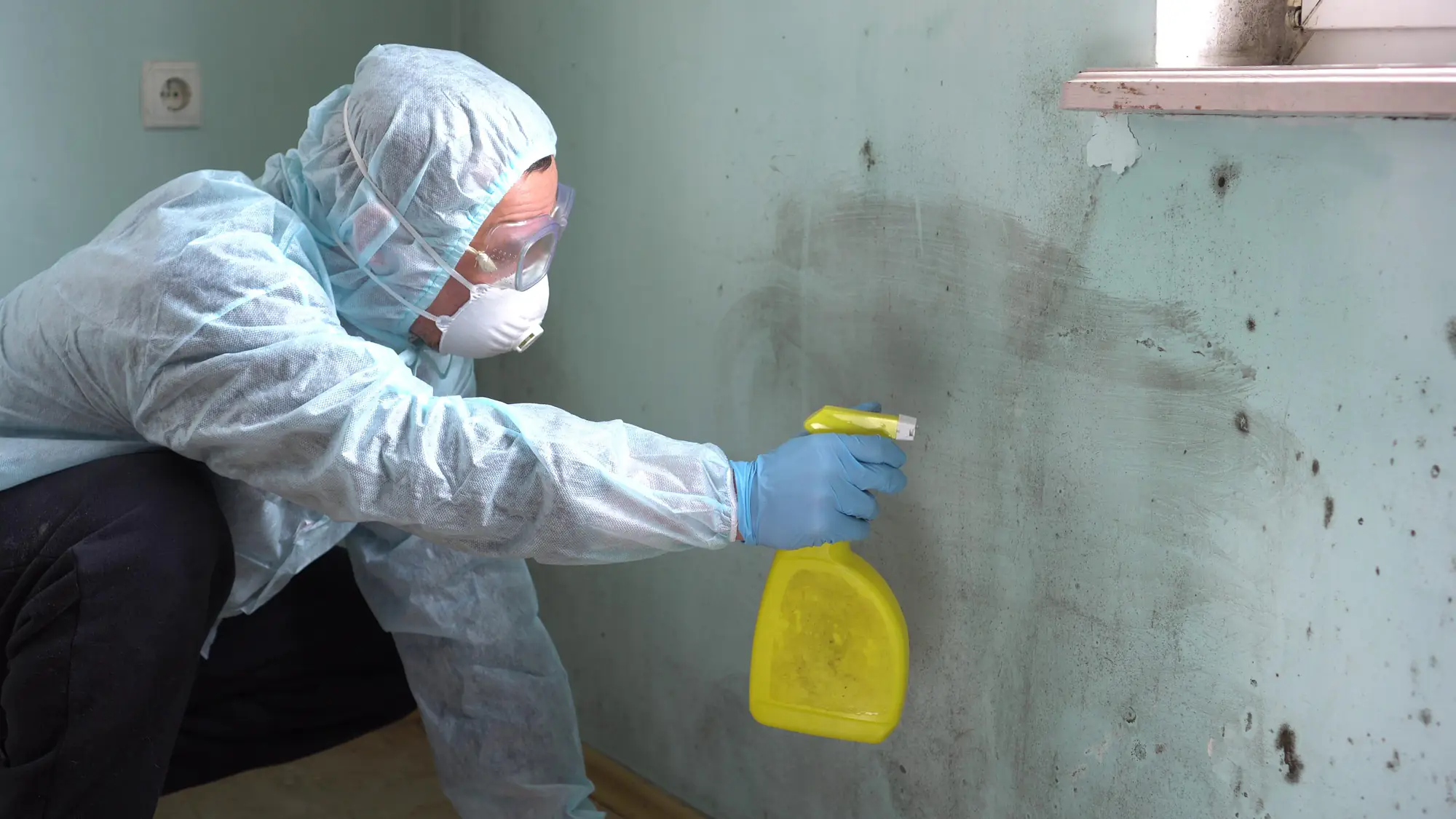
First, we inspect your property at no cost. We’re looking for visible growth, moisture sources, and hidden problems behind walls or under flooring. We use detection technology to map out the full extent of the issue, not just what’s obvious.
Once we know what we’re dealing with, you get a detailed estimate before any work starts. No surprises, no hidden costs. If insurance is involved, we help with documentation and claims.
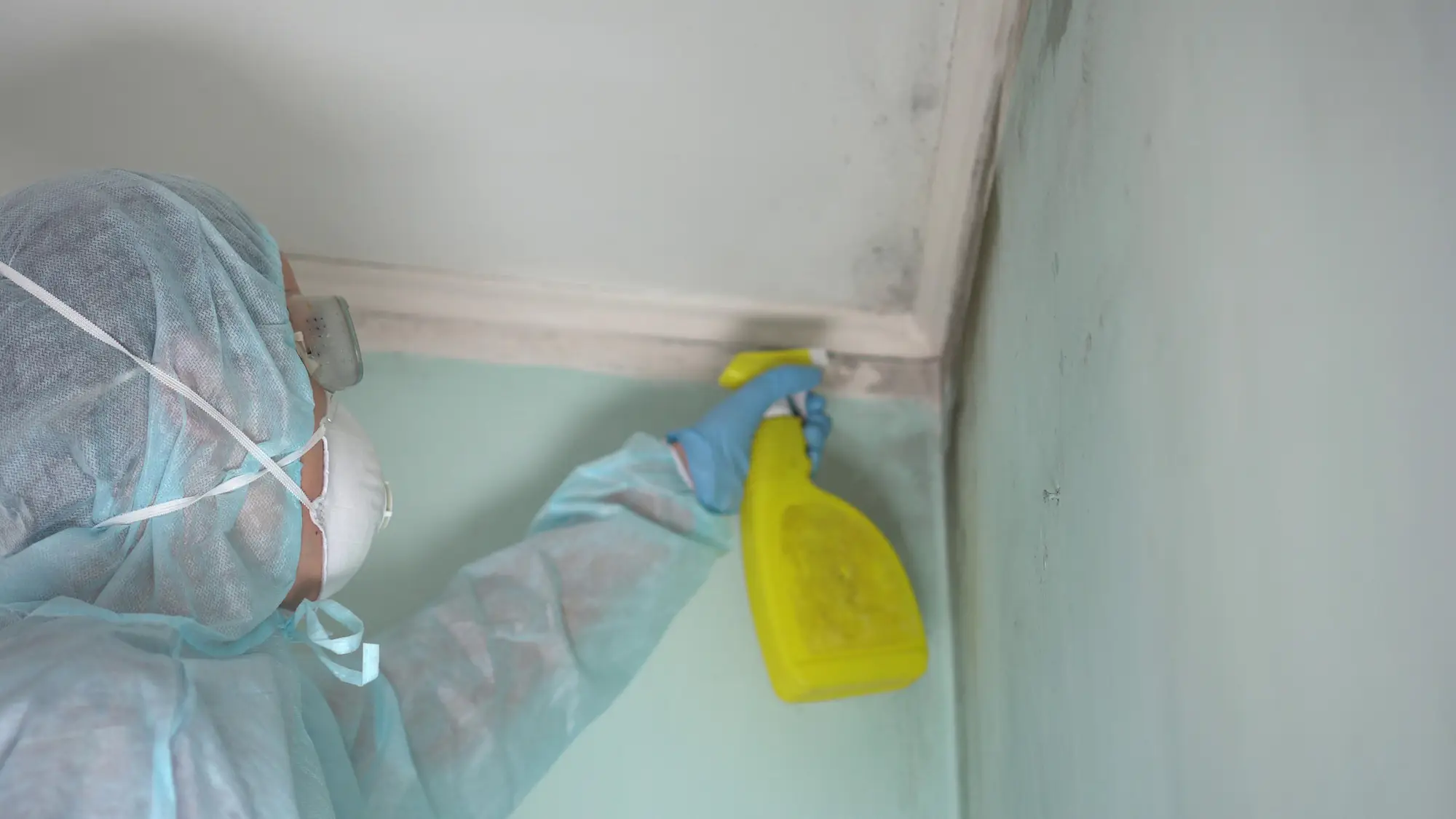
When remediation begins, we seal off affected areas with physical barriers and negative air pressure systems. This containment step is critical—it prevents mold spores from spreading to clean parts of your home during removal. We remove contaminated materials, treat surfaces with antimicrobial solutions, and use HEPA vacuums and air scrubbers to eliminate airborne spores.
Then we fix the source. Whether that’s repairing a leak, improving ventilation, or installing a dehumidifier, we address what caused the mold in the first place. Without this step, you’re just buying time until it grows back.
You get before and after photos, detailed documentation of all work performed, and specific recommendations for preventing future growth.
Ready to get started?
You get a thorough inspection using moisture meters and infrared cameras to locate hidden mold growth. This isn’t a visual check—it’s a diagnostic process that finds problems before they become catastrophic.
Professional containment keeps spores from spreading during removal. We seal off work areas and use negative air pressure to ensure contamination stays contained. Most DIY attempts and even some “professionals” skip this step, which is how mold problems spread throughout entire homes.
We remove mold at the root level, not just the surface. Bleach can’t penetrate porous materials where mold roots grow deep. Our antimicrobial treatments and HEPA filtration eliminate growth completely, and we remove materials that can’t be salvaged.
In Bucks County, humidity is your enemy. Summer months regularly exceed 70% humidity, and older homes trap moisture in attics and crawl spaces. We identify these vulnerabilities and recommend solutions—better ventilation, dehumidification, or structural repairs—so you’re not calling us back in a year.
You also get insurance support if needed. Over 90% of mold remediation services are covered by property insurance when water damage is involved. We provide the documentation and communication to make that process simpler.

Cost depends on the extent of growth, the location of the mold, and what’s causing it. A small area in a bathroom might run $500 to $1,500. Extensive growth affecting multiple rooms or structural areas can reach $10,000 or more.
Here’s what drives the price: containment setup, removal of contaminated materials, antimicrobial treatment, air filtration, and fixing the moisture source. If we need to remove drywall, insulation, or flooring, costs increase. If the source is a major plumbing issue or roof leak, that repair is separate but necessary.
Most homeowners insurance policies cover mold remediation when it results from a covered peril like a burst pipe or storm damage. We provide detailed documentation to support your claim. Getting an accurate estimate requires an inspection—we offer those free so you know exactly what you’re dealing with before committing to anything.
Bleach works on hard, non-porous surfaces like tile or glass, but it can’t penetrate porous materials like drywall, wood, or insulation where mold roots grow deep. You’re killing surface growth while leaving the root system intact, which means it grows back.
Bleach also doesn’t address the moisture problem that caused the mold. If you have a leak, poor ventilation, or high humidity, cleaning the visible mold is temporary at best. You’re also putting yourself at risk during the cleaning process—disturbing mold releases spores into the air, and without proper containment and protective equipment, you’re breathing those in and spreading contamination throughout your home.
Black mold especially requires professional handling. About 10% of people are severely allergic, and exposure can cause respiratory issues, headaches, and worse. The best mold remediation company will contain the area, remove growth safely, and fix the underlying cause so you’re not repeating this process every few months.
Musty odors are the most common sign. If you smell something earthy or damp but can’t see mold, it’s likely growing behind walls, under flooring, or in your HVAC system. Persistent allergy symptoms—sneezing, coughing, itchy eyes—that get worse at home but improve when you leave are another indicator.
Water damage is a red flag. If you’ve had a roof leak, burst pipe, flooding, or even persistent condensation, mold is probably growing somewhere. It starts within 24 to 48 hours of water exposure and spreads quickly in humid conditions. Bucks County’s humid summers create ideal conditions, especially in older homes with poor ventilation.
Visible signs include discoloration on walls or ceilings, peeling paint, warped wood, or water stains. Mold removal specialists use moisture meters and infrared cameras to detect hidden growth. These tools identify elevated moisture levels and temperature differences that indicate mold behind surfaces. A professional inspection finds problems before they require tearing out half your walls.
Removal implies you’re eliminating every single mold spore, which isn’t realistic. Mold spores exist everywhere—they’re in outdoor air, and they enter your home constantly. Remediation means reducing mold levels to normal, safe levels and addressing the conditions that allowed overgrowth.
Mold experts focus on containment, removal of contaminated materials, treatment of affected areas, and fixing moisture sources. The goal is to eliminate active growth, prevent spores from spreading during the process, and create conditions where mold can’t thrive again.
A mold removal specialist will inspect, identify the type and extent of growth, contain the area, remove or treat affected materials, clean the air with HEPA filtration, and address the root cause. That last part is what separates real remediation from surface cleaning. If the moisture source isn’t fixed—whether it’s a leak, ventilation problem, or humidity issue—mold will return. You’re not just paying to remove what’s there now. You’re paying to prevent it from coming back.
Small projects might take one to two days. Larger jobs involving multiple rooms or extensive structural damage can take a week or more. The timeline depends on the size of the affected area, the severity of growth, and what needs to be repaired.
Containment and removal are usually the fastest parts. Drying out the space and addressing the moisture source takes longer. If we need to wait for a plumber to fix a leak or a roofer to repair damage, that extends the timeline. We can’t complete remediation until the moisture problem is resolved.
You’ll typically be able to stay in your home during the process, especially if the affected area is contained to one section. We seal off work areas to prevent cross-contamination. For extensive growth or if black mold is involved, we might recommend staying elsewhere temporarily. We’ll walk you through what to expect during your inspection so there are no surprises once work begins.
Not if the moisture source is fixed. Mold needs water to grow. If we eliminate the growth but don’t address the leak, condensation, or humidity problem, you’ll see mold again. That’s why certified mold experts focus on both removal and prevention.
We identify what caused the mold—roof leaks, plumbing issues, poor ventilation, high humidity, or condensation from HVAC systems. Then we either fix it ourselves or coordinate with the right contractor. We also provide recommendations for ongoing prevention, like using dehumidifiers in basements or improving attic ventilation.
Homes in Hood and throughout Bucks County face specific challenges. Humid summers, older construction, and proximity to water sources create conditions where mold thrives if moisture isn’t managed. After remediation, you should monitor humidity levels, address leaks immediately, and ensure proper ventilation. We provide detailed guidance on what to watch for. If you follow those recommendations and the source was properly addressed, mold won’t return.
Other Services we provide in Hood